
Carved Low Table
When you search for a carved low table, you enter a diverse landscape of low-slung surfaces spanning centuries and continents.
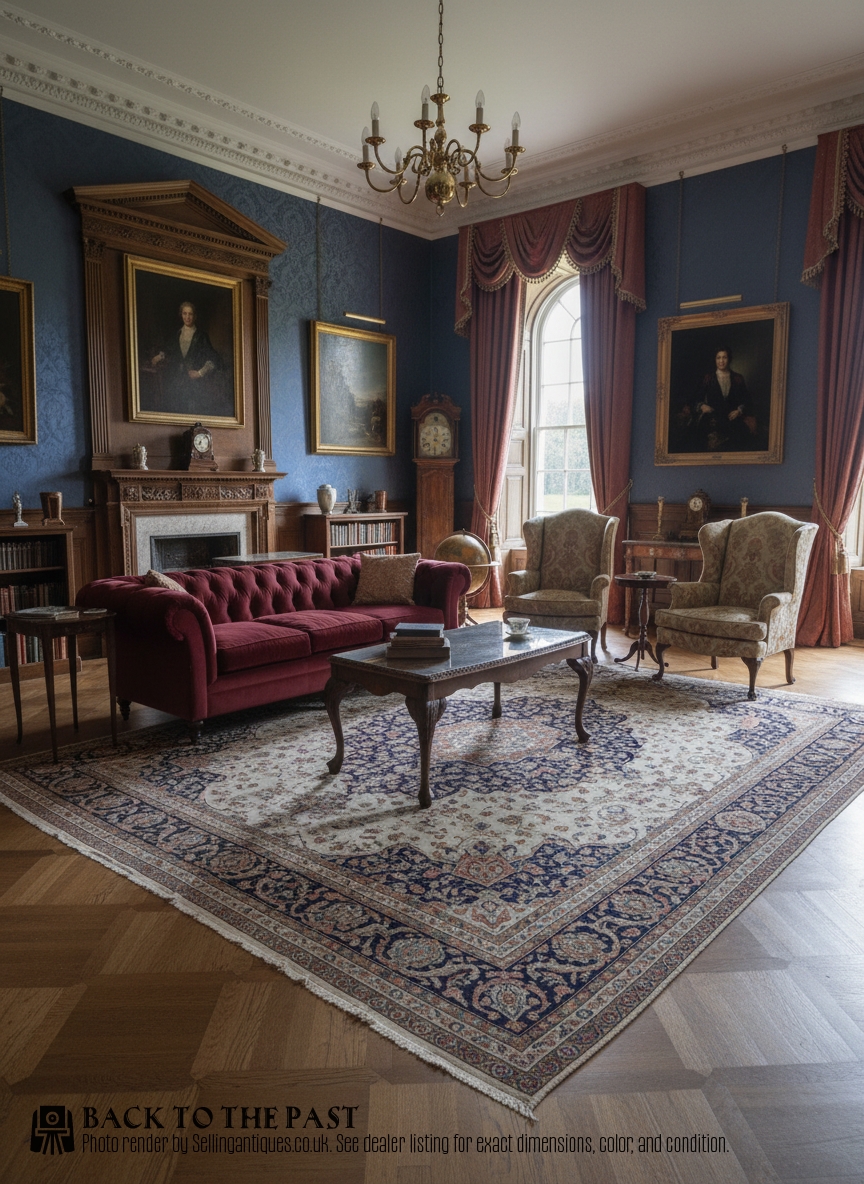
Carved Low Table
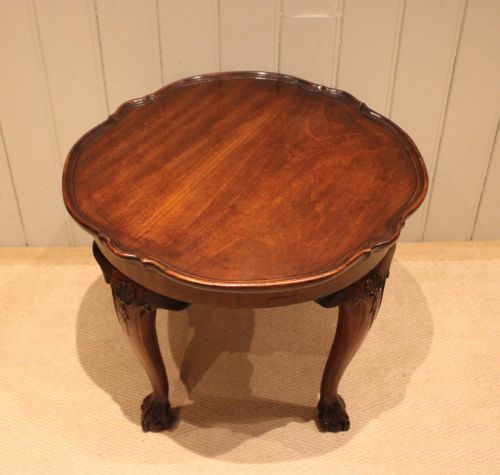
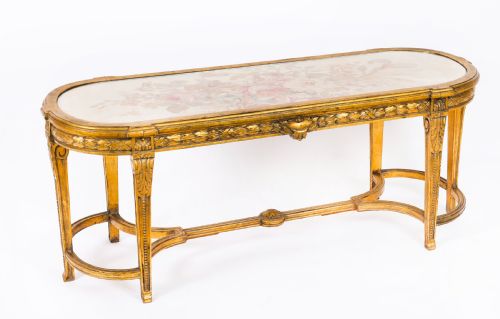
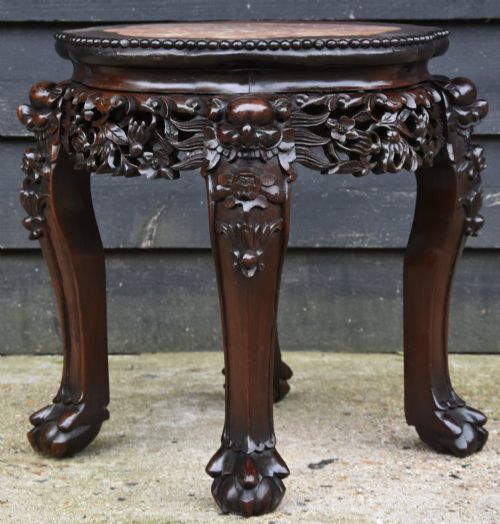
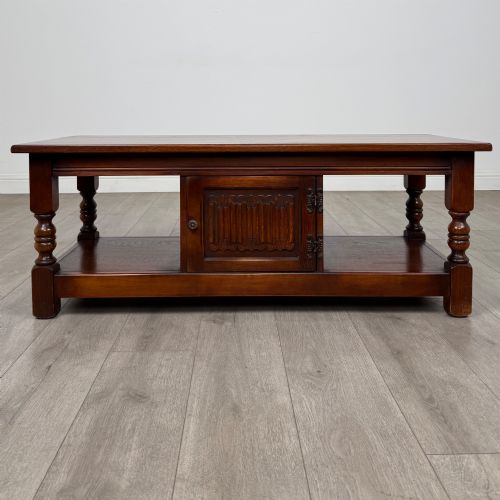
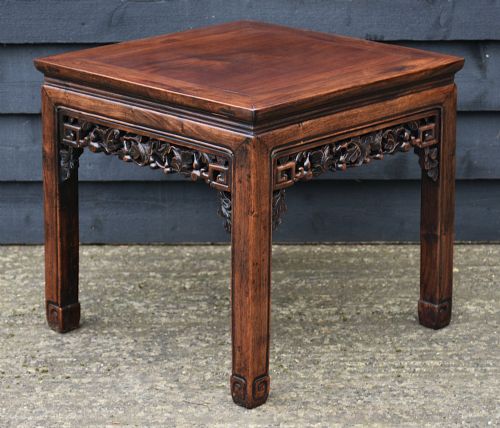
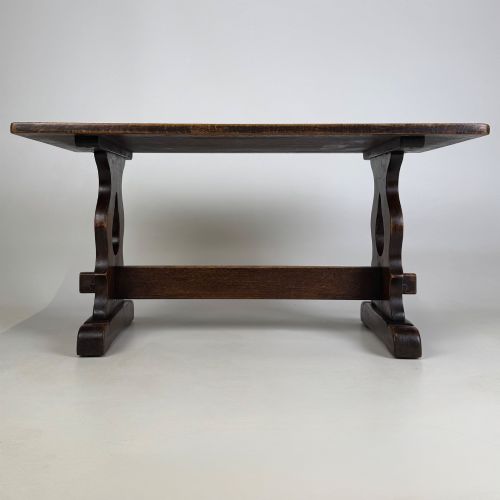
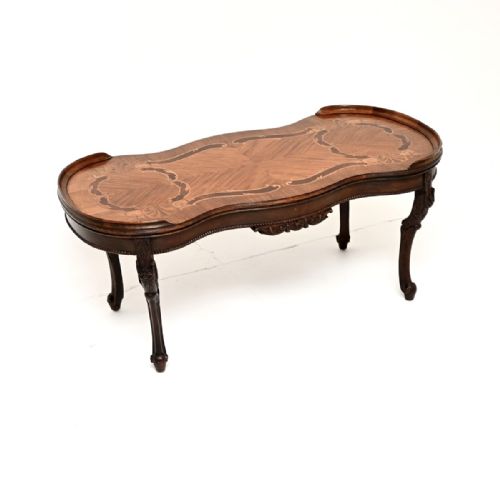
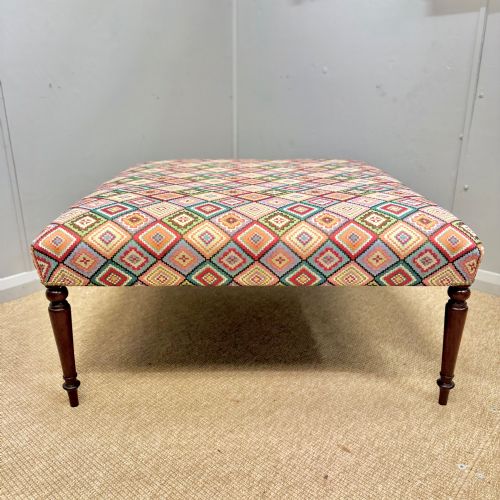
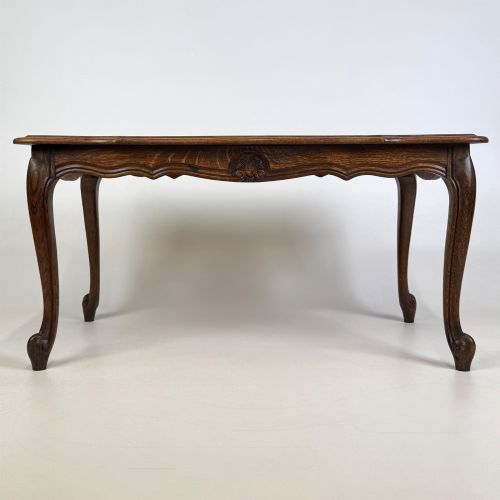
A carved low table encompasses several distinct domestic forms, including Chinese rosewood opium tables, European lowboys, and low coffee tables produced across the nineteenth and twentieth centuries.
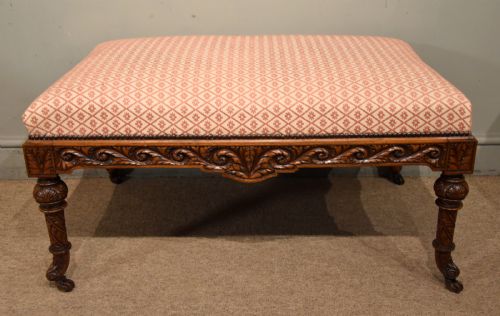
Buyers are most likely to encounter nineteenth-century Asian hardwood tables with intricate relief carving, alongside Edwardian and Victorian oak or walnut examples adapted for low seating.
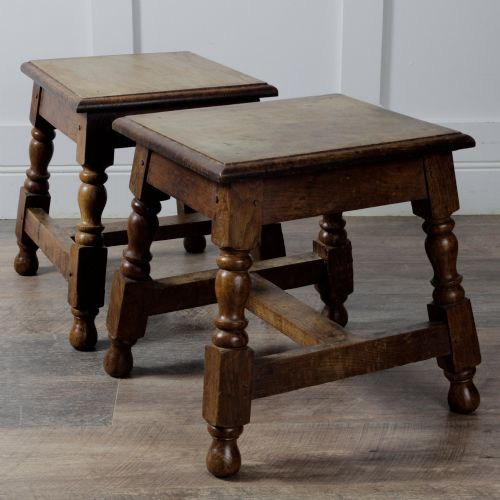
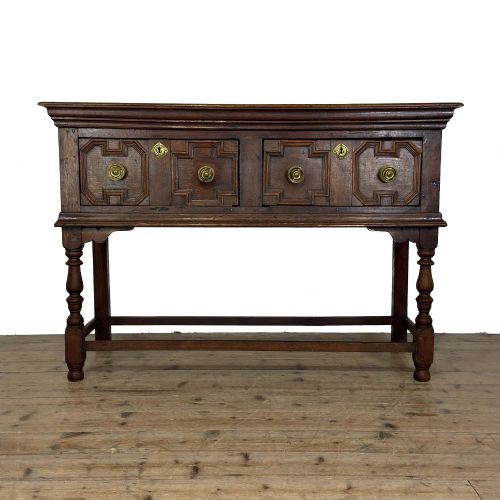
The selection ranges widely from compact plant stands and reception tables to robust dresser bases and occasional tables designed to sit low in a room.
Materials and Construction
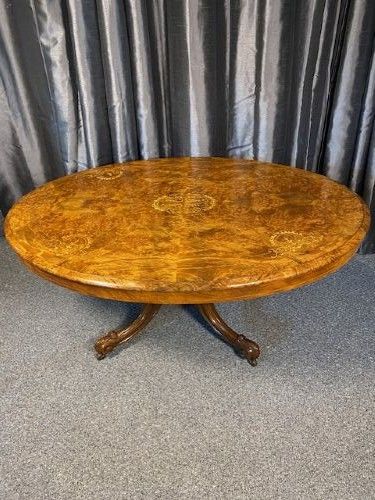
Cabinetmakers utilised dense timbers such as rosewood, walnut, mahogany, and oak, often selecting burr or figured varieties to accentuate the top surface.
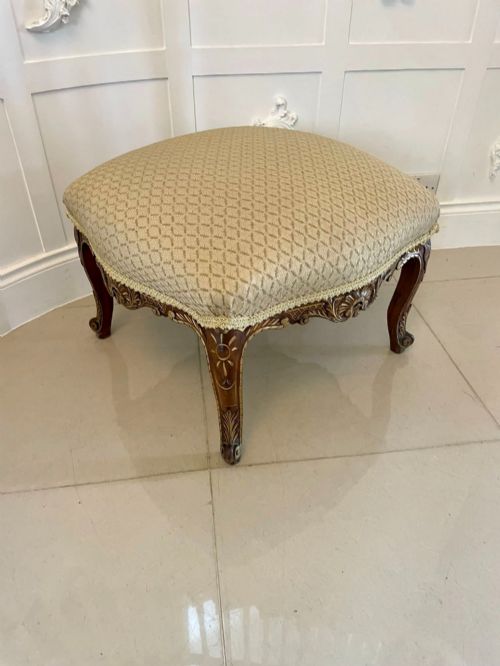
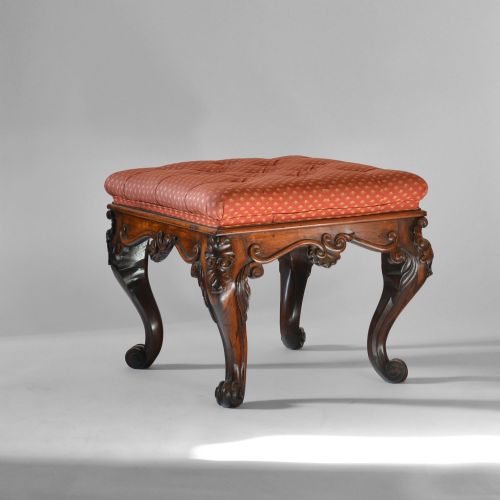
Construction techniques combine traditional joinery with deeply chiselled relief work, incorporating floral motifs, dragon details, or geometric margins directly into the solid wood.
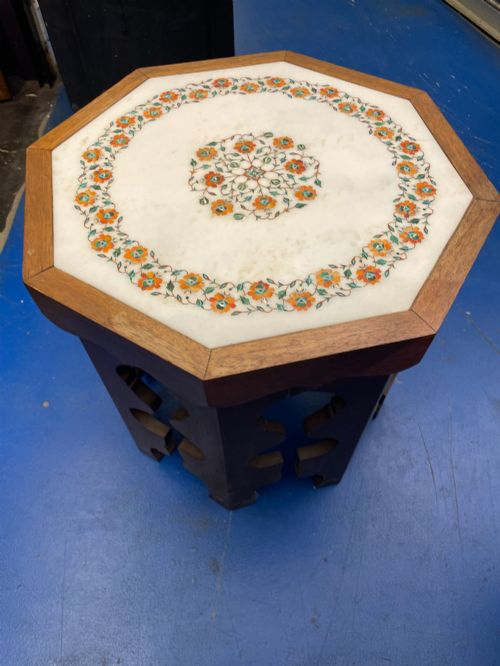
Selected pieces integrate contrasting elements like inset marble tops, giltwood accents, or marquetry inlay to elevate the visual texture of the low profile.
Some tables double as botanical stages, ready to host your favourite potted ferns with absolute dignity.
Evaluating the Craft
The standard of a carved low table rests primarily on the crispness and depth of the manual carving rather than surface finish alone.
Superior examples demonstrate meticulous timber selection with harmonious grain matching across the top and structurally sound joints that endure decades of use.
Design coherence between the low frame and the decorative motifs distinguishes master-workshop production from more utilitarian regional outputs.
Holland and Sons·Gillows of Lancaster
The Carved Low Table Glossary
- Lowboy
- A small eighteenth or nineteenth-century side table featuring drawers beneath the surface, typically raised on slender legs.
- Kang table
- A traditional low Chinese domestic table originally designed for use on a heated brick platform for sleeping or dining.
- Padouk
- A heavy, durable tropical hardwood prized for its reddish hue and stable working properties in fine furniture.
- Marquetry
- The art of applying small pieces of veneer to a structure to form decorative patterns, visible on refined tabletop surfaces.
- Giltwood
- Wood that has been coated with gold leaf or gold paint to produce a rich, reflective decorative finish.
Carved Low Table: Frequently Asked Questions
What was an opium table used for?
These low Chinese tables were traditionally utilised for resting, dining, or smoking in domestic settings.
Today, their compact proportions make them well suited as modern coffee tables or display platforms.
How do I care for a rosewood table?
Keep hardwood surfaces away from direct heat sources and strong sunlight to prevent the timber from drying out.
Regular dusting with a dry cloth helps preserve the natural sheen of the carved details.
Are these tables suitable for everyday use?
Solid timber construction ensures these pieces handle daily domestic demands with ease.
Using coasters and mats protects sensitive polished or marble surfaces from moisture and heat marks.
How do I identify the period of a piece?
Examine the timber species, joinery methods, and the style of the carved ornamentation for period indicators.
Comparing structural details against documented examples helps narrow down the century of manufacture.