

Vintage Fireplace Dogs
Vintage fireplace dogs support logs in an open hearth and bring character to a room.
Vintage Fireplace Dogs
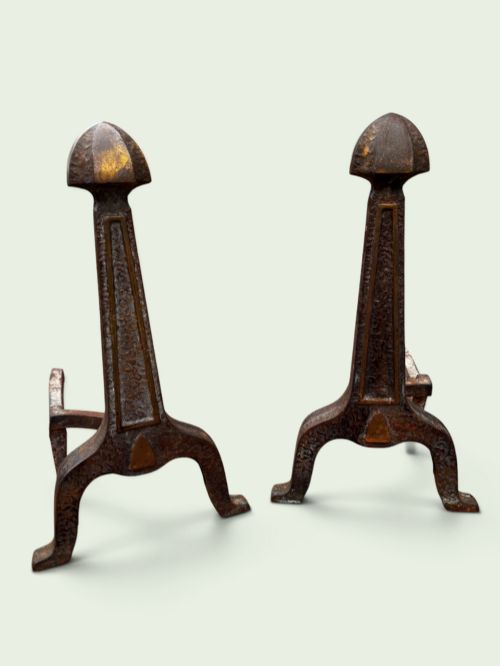
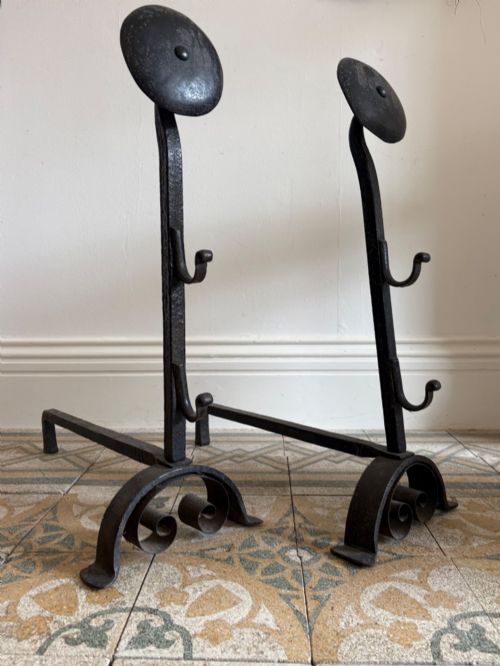
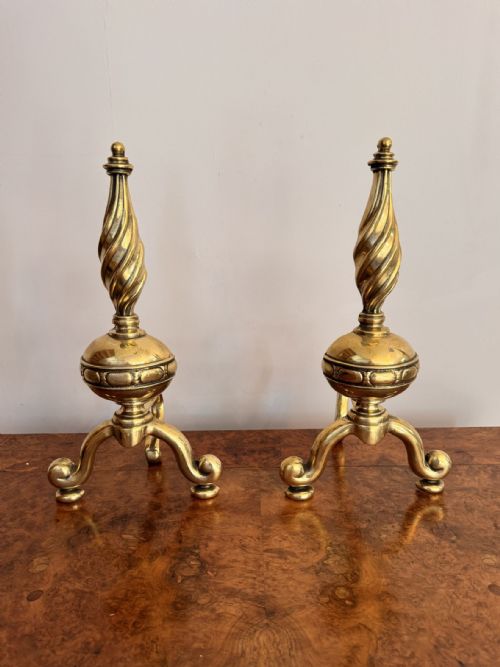
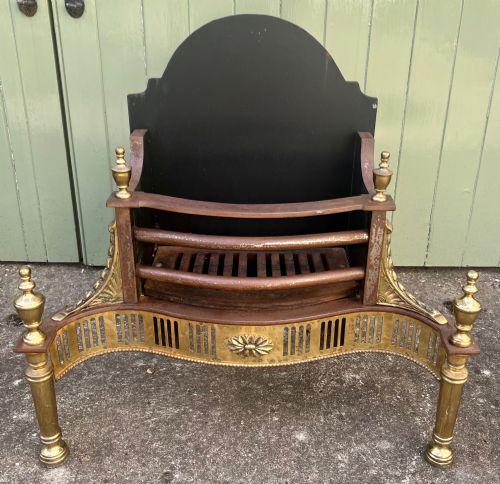
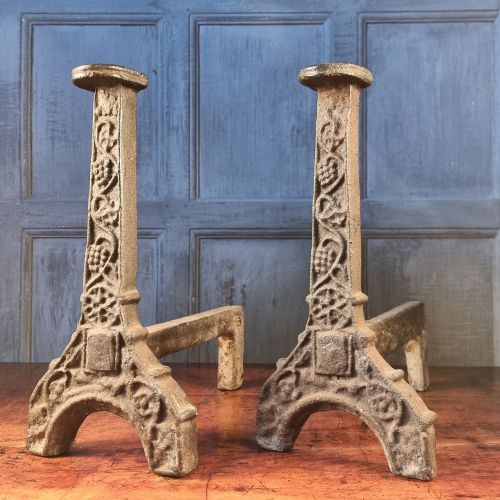
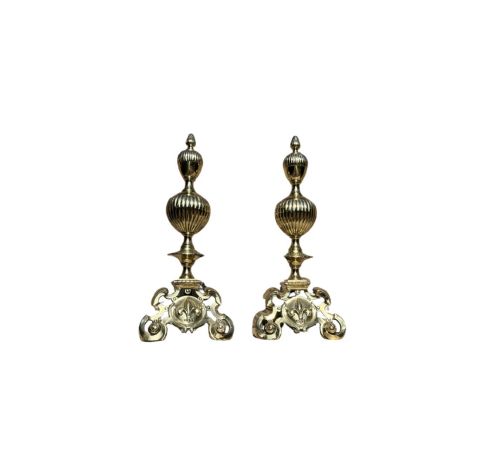
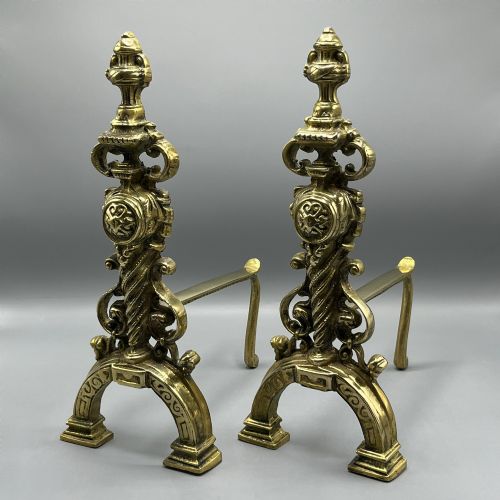
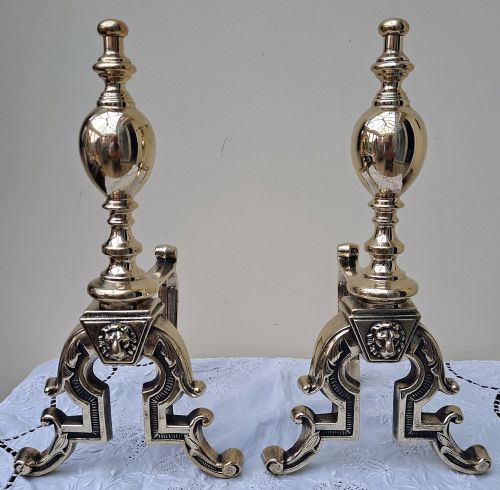
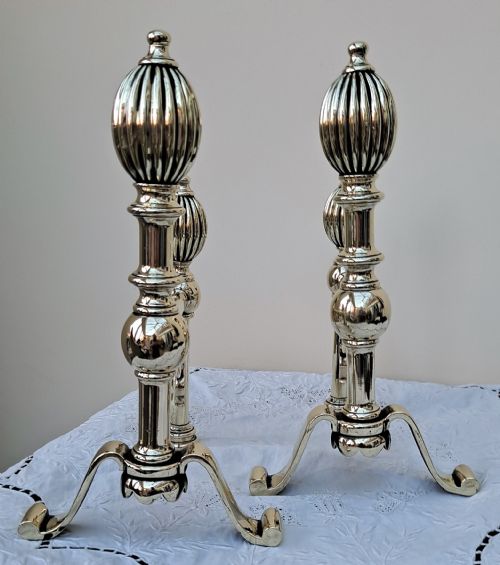
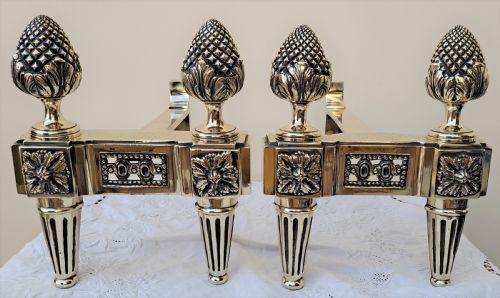
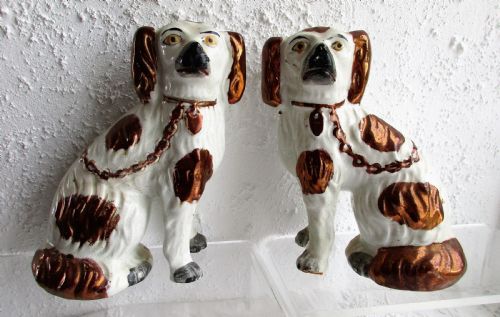
Vintage fireplace dogs, also known as andirons or firedogs, support logs inside an open hearth to allow air to circulate beneath the fire. The selections here include sturdy iron and brass pairs spanning the nineteenth and early twentieth centuries, alongside ceramic Staffordshire companion figures.
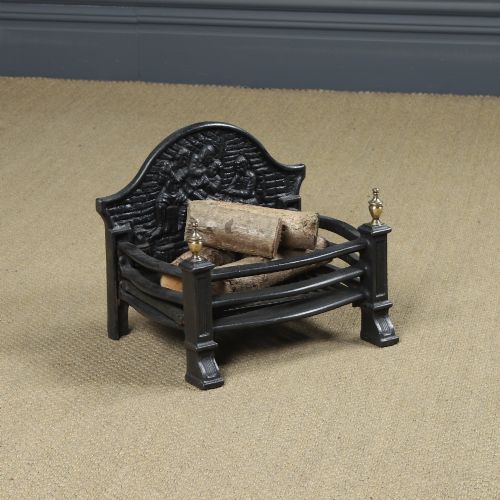
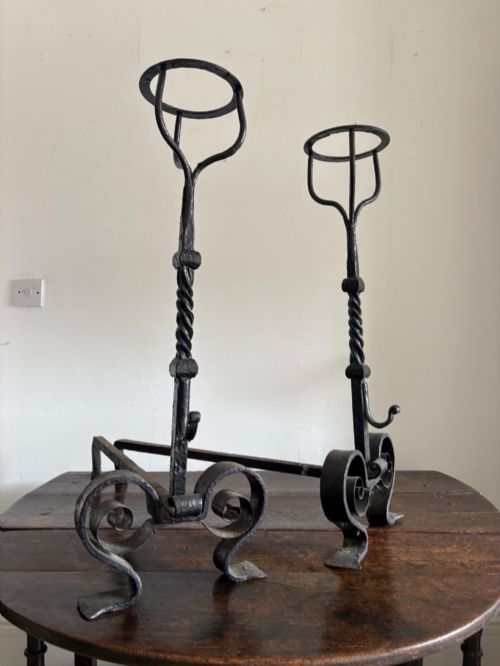
The heavy metal pairs designed for coal or wood burning sit on hearth floors with upright standards that often hold spits or fire baskets. Alongside these metal supports, pottery dogs modelled after spaniels and greyhounds appear frequently in nineteenth century pairings intended to stand on mantelpieces or hearths.
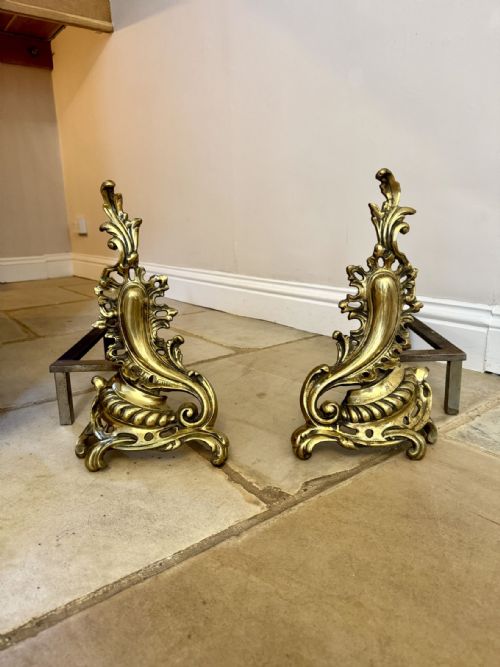
Origins stretch from English workshops to French foundries, encompassing styles from Gothic Revival to Arts and Crafts and French Rococo. Buyers searching this phrase encounter both functional iron fire dogs and decorative ceramic fireside figures.
How they were made
Metal fireplace dogs rely on casting and forging techniques using iron, steel, and brass. Foundries cast molten brass and iron into detailed moulds to create decorative upright standards, while blacksmiths shaped wrought iron by hand over an anvil.
Ceramic Staffordshire dogs utilise earthenware pottery bodies finished with glazes and hand painted details. Potters shaped these spaniels and greyhounds in moulds before applying surface colour and firing them in kilns.
Listings feature 19th Century, Victorian, and Edwardian periods using brass, cast iron, wrought iron, and earthenware.
What varies in quality
The standard of metalwork distinguishes superior fire dogs, where crisp casting detail, substantial weight, and well balanced components show the maker's hand. Heavier gauge iron and thick cast brass indicate robust construction built for active hearth use.
The Vintage Fireplace Dogs Glossary
- Andirons
- Supports for logs in a fireplace, also known as firedogs. They usually come in pairs and feature upright front pillars.
- Fire Basket
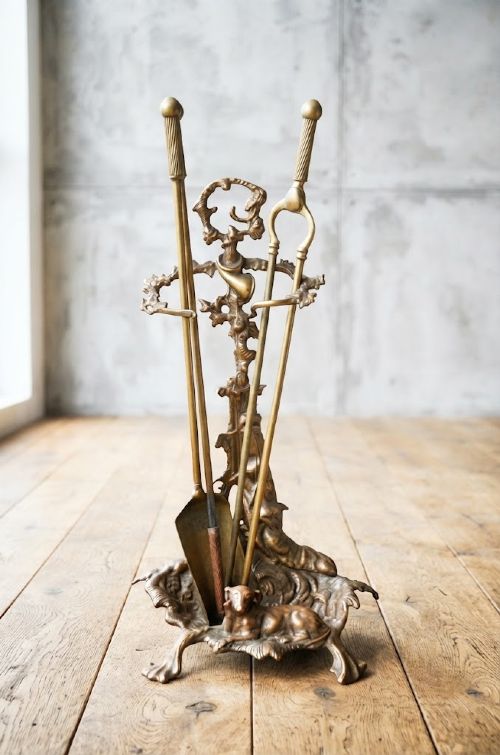
- A metal grate holding fuel above the hearth floor. It often combines with andirons or forms part of a complete fireplace set.
- Staffordshire Pottery
- Earthenware figures produced in the English pottery district. Pairs of ceramic dogs are typical examples found near hearths.
- Wrought Iron
- Iron beaten into shape by hand using a hammer and anvil. This material provides strength for heavy duty fire dogs.
- Gothic Revival
- A design style drawing on medieval architectural motifs. Fire dogs in this style often incorporate pointed arches and tracery.
Vintage Fireplace Dogs: Frequently Asked Questions
What are fireplace dogs used for?
Fireplace dogs elevate logs above the hearth floor to improve airflow and help wood burn efficiently. They also hold logs in place to prevent them from rolling out into the room.
Beyond utility, ornamental pairs frame the hearth visually. Ceramic versions often sit directly on the mantelpiece above.
How do I clean brass fire dogs?
Dust metal surfaces regularly with a soft cloth to prevent grime accumulation. Avoid harsh chemical cleaners that strip the historic surface finish.
Polishing depends on personal preference regarding patina. Many collectors retain darker aged surfaces on nineteenth century brass.
Are Staffordshire dogs fireplace dogs?
Staffordshire pottery dogs are decorative figures rather than metal hearth supports. They take the name fireplace dogs because people traditionally placed pairs of them on mantelpieces above the hearth.
Potters modelled these ceramic spaniels and greyhounds in various sizes throughout the nineteenth century. They served as domestic ornaments rather than functional log holders.
How do I tell iron and brass apart?
Iron and steel items are magnetic, heavy, and typically dark grey or black in appearance. Wrought iron shows hand forged texture while cast iron appears more uniform.
Brass is a non magnetic alloy with a golden hue that can be polished or patinated. It allows for sharper cast decorative details than iron.