
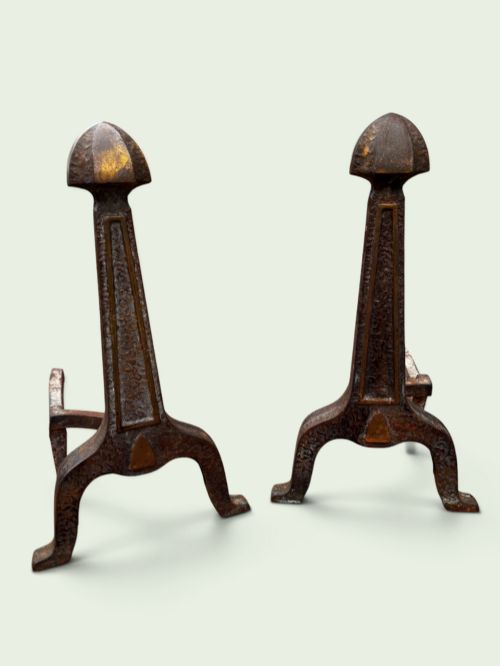

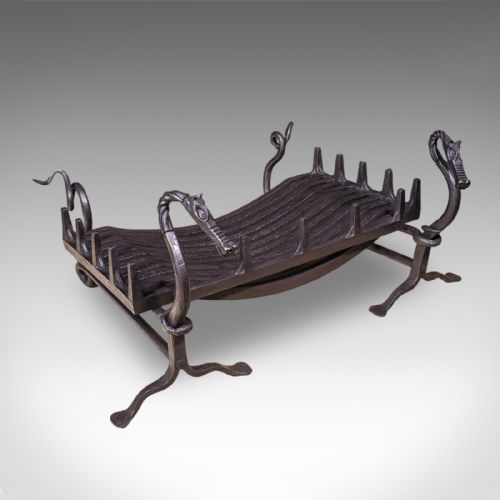


Gothic Revival Andirons
Gothic revival andirons bring substantial architectural presence to an open hearth, combining medieval form with heavy metalwork.
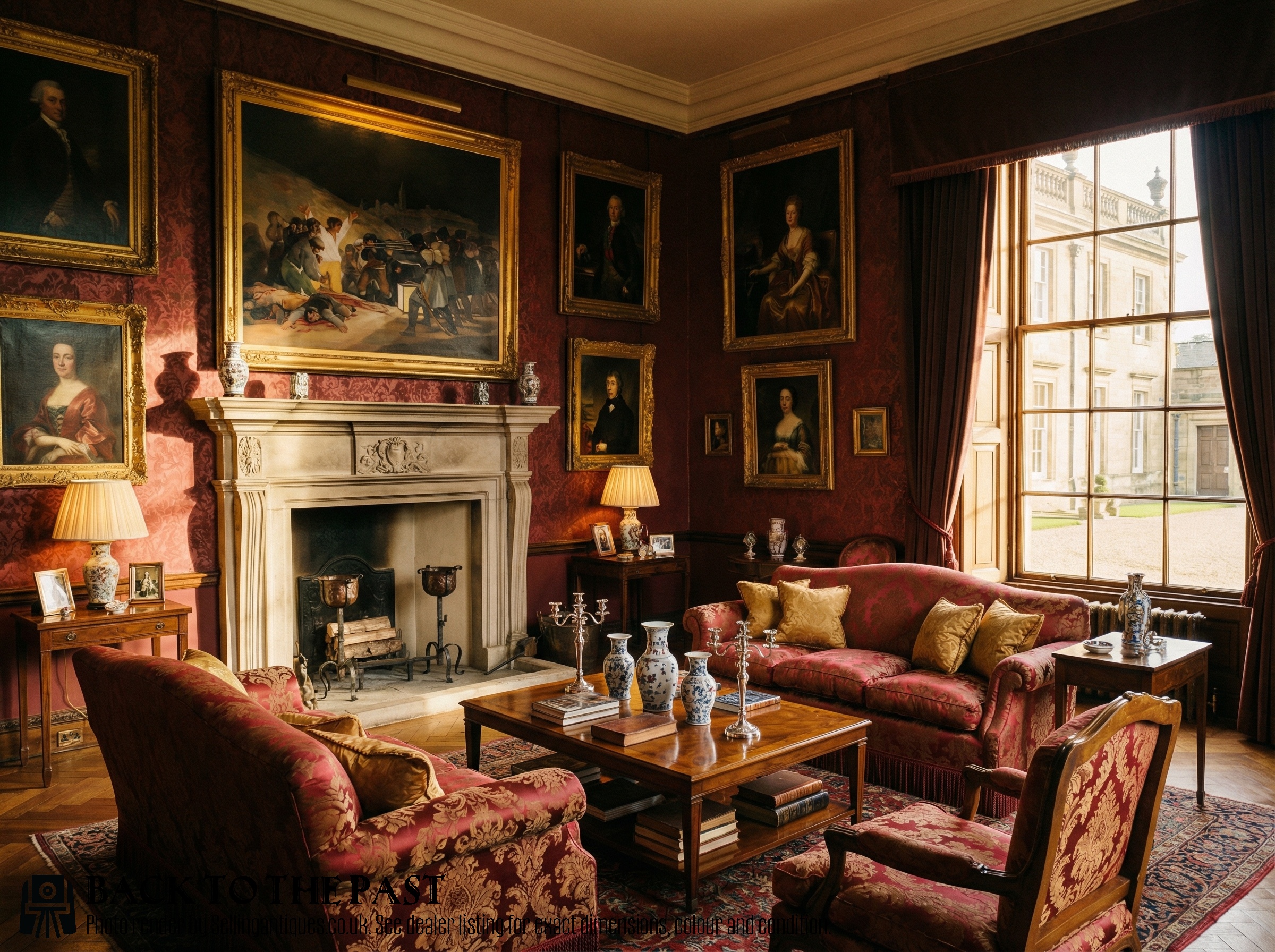
Gothic Revival Andirons
When you search for gothic revival andirons, you find heavy metal supports designed to hold logs within an open hearth, often accompanied by fire baskets or grates. These pieces typically date from the nineteenth century, including Victorian and Edwardian periods, alongside later twentieth century examples.
The items listed on this page appear primarily as cast iron, wrought iron, brass, steel, and copper. Some examples arrive paired with fire baskets or function as parts of larger fireplace sets intended for inglenook installations.
How they were made
Makers utilised casting and forging techniques to shape iron, brass, and steel into architectural motifs characteristic of the style. Structural elements often incorporate firebrick to withstand intense hearth temperatures.
Workshops shaped heavy metals into functional fireplace accessories, combining cast iron components with wrought elements and occasionally adding copper or brass details.
Gothic Revival Andirons Retail Price Guide 2026
Typical asking prices for gothic revival andirons among the pieces listed under this phrase on Sellingantiques today, from the lower quarter to the upper quarter. They describe what is for sale here now, not the wider market.
One robust pair of nineteenth century andirons found a second career standing guard outdoors as garden planters.
What varies in quality
The distinction between standard examples and superior pieces rests on the weight of the metal, the crispness of the casting, and the integrity of the joins. Heavier ironwork and refined brass details indicate careful production.
Pieces that retain integrated grates, fire baskets, or matching fireplace sets demonstrate greater completeness and utility within a period hearth.
The Gothic Revival Andirons Glossary
- Andirons
- Supports used to raise logs off the hearth floor to improve air circulation. They are also known as firedogs.
- Fire Basket
- A metal basket designed to hold coal or wood within a fireplace opening. These often sit between or incorporate a pair of andirons.
- Inglenook
- A large, recessed fireplace space designed to accommodate seating alongside the hearth. Firegrates for these areas are typically of substantial size.
- Wrought Iron
- Iron beaten into shape by hand while hot, allowing for strong, fibrous metalwork. This material appears frequently in nineteenth century fireplace furniture.
Gothic Revival Andirons: Frequently Asked Questions
How do I use andirons?
Andirons stand upright on the hearth floor to support logs horizontally, allowing air to circulate underneath the wood for a better burn.
They often pair with fire baskets or grates to contain the fuel safely within the hearth opening.
What metal is best?
Cast iron and wrought iron offer the durability and weight required to withstand high hearth temperatures over decades of use.
Brass and steel components appear frequently in later nineteenth and twentieth century pieces for decorative effect.
How do I date them?
Dating relies on material combinations, manufacturing marks, and stylistic indicators such as Victorian or Edwardian design motifs.
Nineteenth century pieces often display heavier cast iron construction compared to later twentieth century variations.
Can they hold logs?
These pieces are structurally built to bear the weight of heavy logs inside an active fireplace.
Some examples also function as decorative fireplace furniture or find alternative uses as planters.