
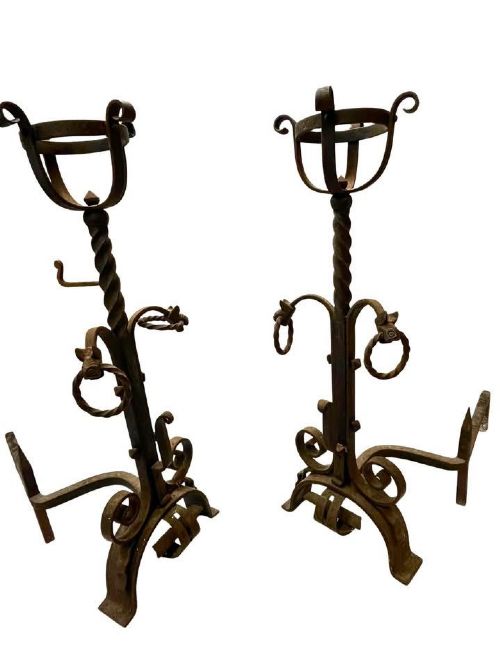


Rustic Iron Andirons
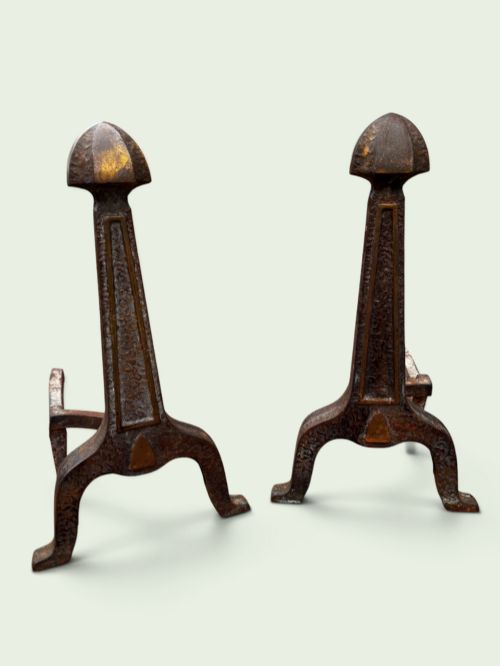
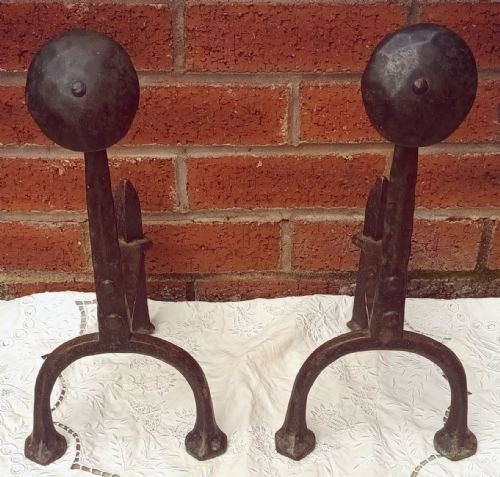
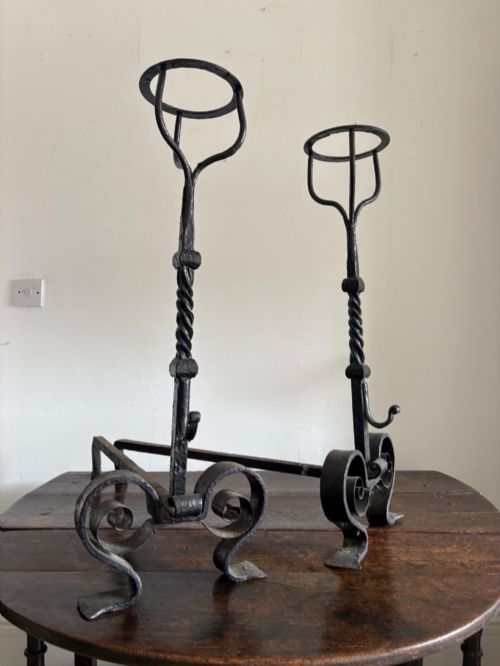
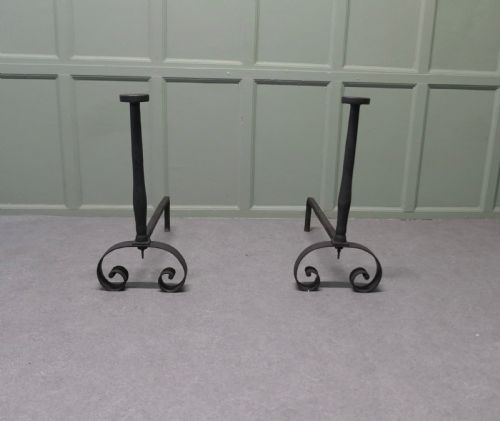
These rustic iron andirons anchor a hearth with honest metalwork, built to hold logs securely while adding robust character to the chimney breast.
Rustic Iron Andirons
Rustic iron andirons form the structural supports within an open fireplace, holding logs off the hearth base to allow proper airflow and combustion. Searching for rustic iron andirons brings up heavy hearth furniture designed to bear weight and withstand intense heat.
The selections encountered here span the nineteenth century, including Georgian, Victorian, Edwardian, and Arts and Crafts examples alongside French country designs. Most pieces take the form of paired fire dogs constructed from hand-forged or cast metal.
Heavier items reach heights up to eighty-six centimetres, while others accompany fire baskets and associated fireplace sets. English and French origins dominate the available inventory, reflecting traditional domestic heating requirements across Europe.
How they were made
Makers shaped these fire dogs using wrought iron, cast iron, and forged iron, often incorporating supplementary details in brass and copper. Blacksmiths heated the metal over a forge, hammering it on an anvil to achieve the desired silhouette and structural strength.
Hand-forged production leaves distinct tool marks across the surface, recording the physical labour involved in shaping hot bars into functional hearth furniture. Cast iron elements utilise moulds to produce repetitive decorative motifs and robust load-bearing shafts.
Rustic Iron Andirons Retail Price Guide 2026
Typical asking prices for rustic iron andirons among the pieces listed under this phrase on Sellingantiques today, from the lower quarter to the upper quarter. They describe what is for sale here now, not the wider market.
Current listings feature nineteenth-century items incorporating wrought iron, cast iron, copper, and brass across Arts and Crafts and Gothic Revival styles.
What varies in quality
Substantial weight and material thickness distinguish superior examples from lighter utility items, ensuring the metal resists warping under repeated exposure to high temperatures. The precision of hand-forging determines the refinement of the scrollwork and the stability of the upright standards.
Proportion and scale dictate the visual impact within a fireplace recess, with monumental pairs requiring precise balance to stand plumb on uneven hearths. The integration of mixed metals, such as contrasting copper or brass accents, adds another layer of craftsmanship.
The Rustic Iron Andirons Glossary
- Andirons
- Supports used in pairs to hold burning logs in an open fireplace. They typically feature an upright front pillar and a horizontal bar extending backward.
- Fire dogs
- An alternative term for andirons, often used interchangeably in historical inventories. These metal supports lift fuel above the hearth floor.
- Wrought iron
- Tough, malleable iron that can be heated and worked with a hammer. This material defines much of the traditional blacksmithing seen on the hearth.
- Arts and Crafts
- A design movement valuing traditional craftsmanship and simple forms. Objects from this style emphasise visible hand-forged textures over industrial machine production.
- Gothic Revival
- An architectural and decorative style drawing inspiration from medieval forms. Pieces often incorporate pointed arches, quatrefoils, and heavy structural silhouettes.
Rustic Iron Andirons: Frequently Asked Questions
What are rustic iron andirons used for?
These metal supports hold logs above the floor of an open fireplace, ensuring air circulates beneath the fuel for better burning.
They also serve a decorative purpose, framing the hearth with solid metalwork when the fireplace is not in use.
How do I know if they are antique?
Examine the construction methods for signs of hand-forging, such as uneven hammer marks, hand-cut rivets, and heavier gauges of metal.
Stylistic markers like Gothic Revival motifs or Arts and Crafts simplicity point to nineteenth-century and early twentieth-century manufacturing periods.
Are French and English andirons different?
French examples often display heavier proportions and distinct regional forging techniques, reflecting continental hearth designs of the nineteenth century.
English pieces frequently align with period styles such as Georgian restraint or Edwardian craftsmanship.
How do I clean antique iron andirons?
Dust the metal gently with a dry cloth to remove soot and surface debris without disturbing the aged patina.
Avoid harsh chemical cleaners or abrasive scouring pads that can strip the historic surface finish from the iron.