

Vintage English Bone China
Vintage English bone china brings together refined nineteenth and twentieth-century tableware, cabinet plates and painted porcelain that elevate a room.
Vintage English Bone China
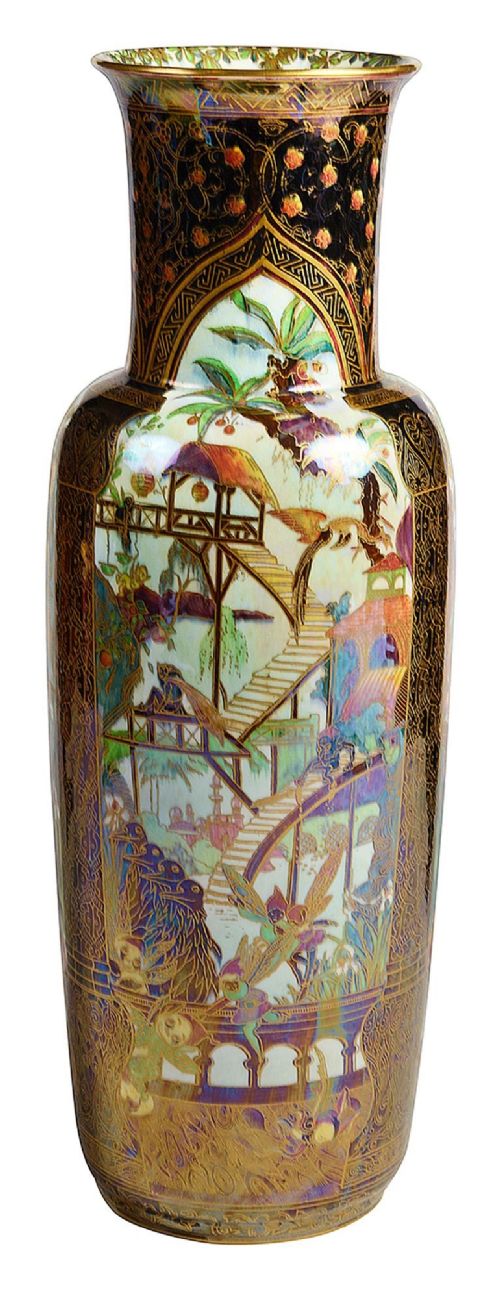
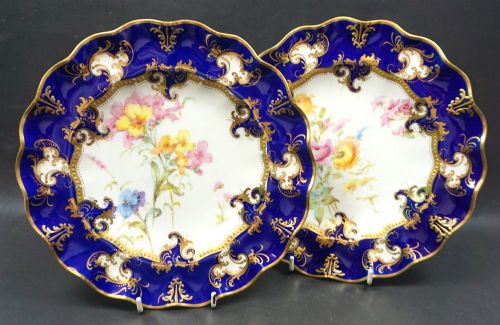
When you search for vintage english bone china, you are looking at fine porcelain items produced across the Victorian, Edwardian and mid-twentieth-century periods. These range from cabinet plates and tea sets to hand-painted vases and decorative figurines.
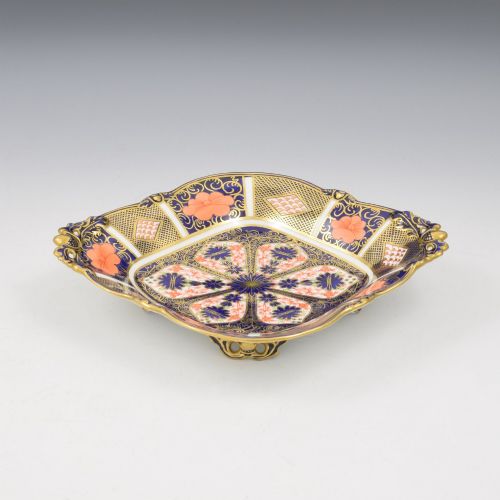
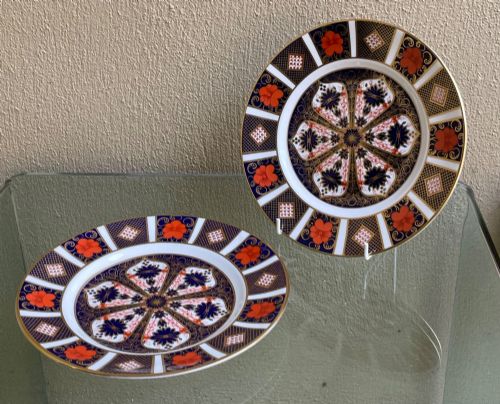
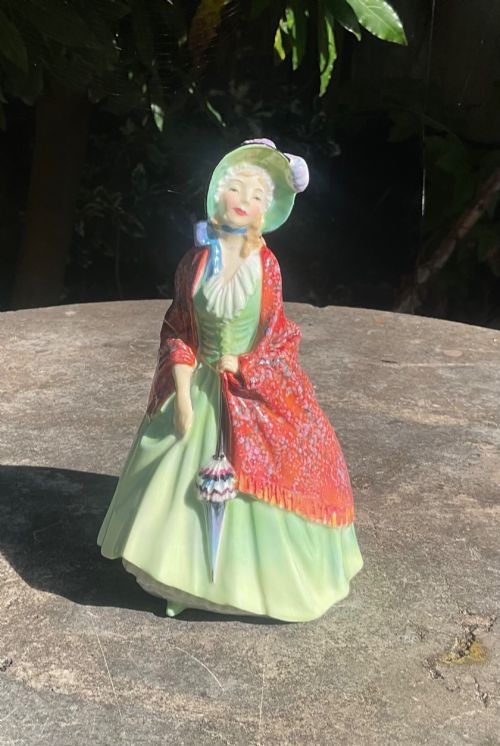
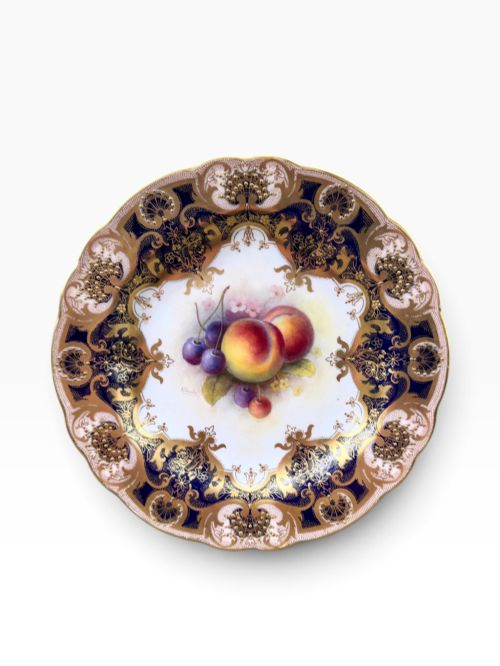
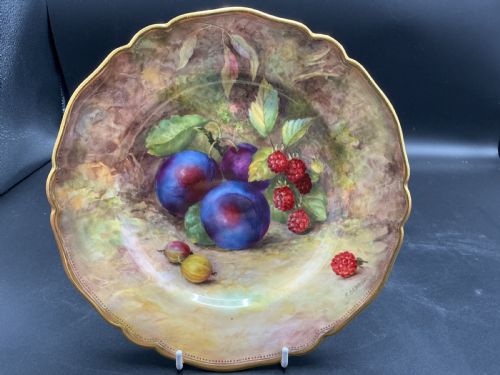
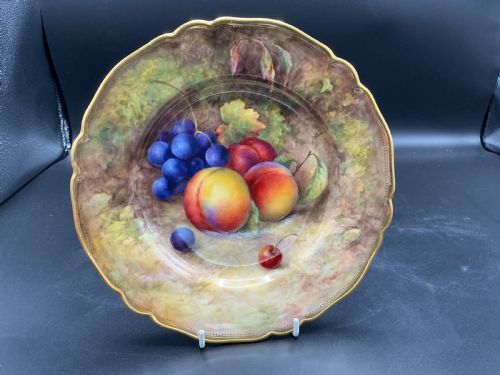
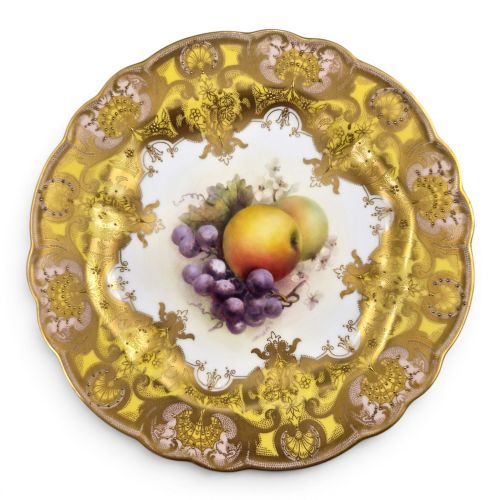
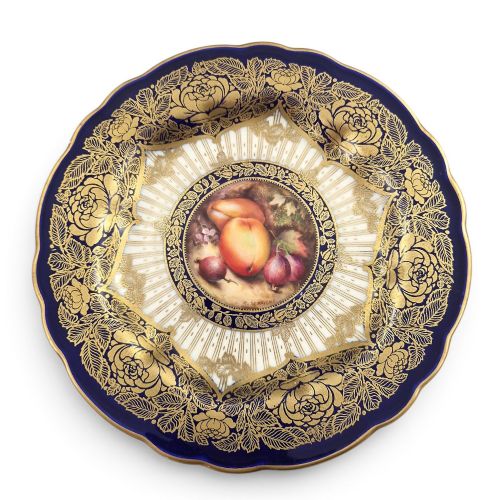
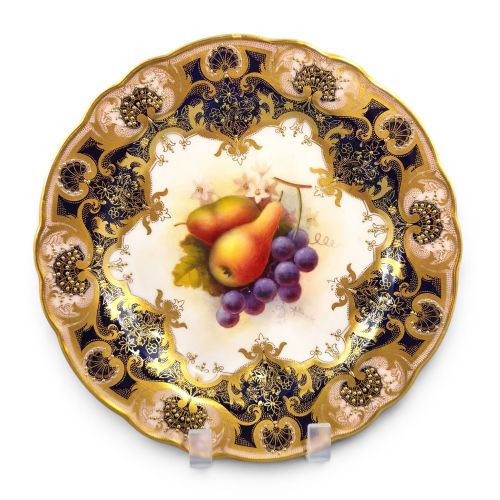
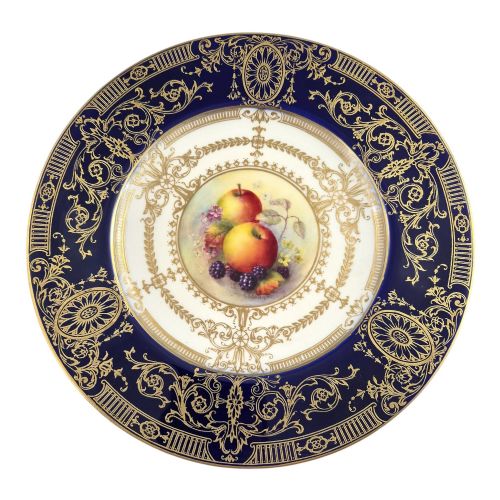
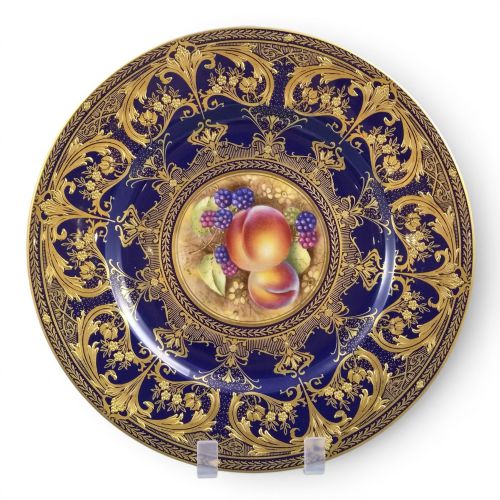
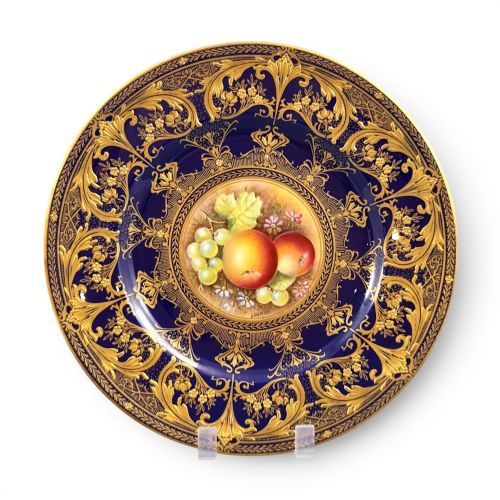
The pieces you are most likely to meet on this page include Royal Worcester fruit plates, Royal Crown Derby Imari serving dishes and Royal Doulton figures. They represent the height of traditional English ceramic manufacturing from well-known kilns.
How they were made
The manufacture of these ceramics relies on fine porcelain and bone china bodies, shaped into tea services, vases and plates before being glazed. Artisans applied detailed enamel colours and gold leaf accents by hand.
Many items feature elaborate hand-painting by named artists, fixed to the surface through kiln firing. Gilding and gilt borders provide the finishing touch to cabinet pieces and tableware alike.
Listings feature periods spanning from the Victorian era through the Edwardian years and into the mid-twentieth century.
What varies in quality
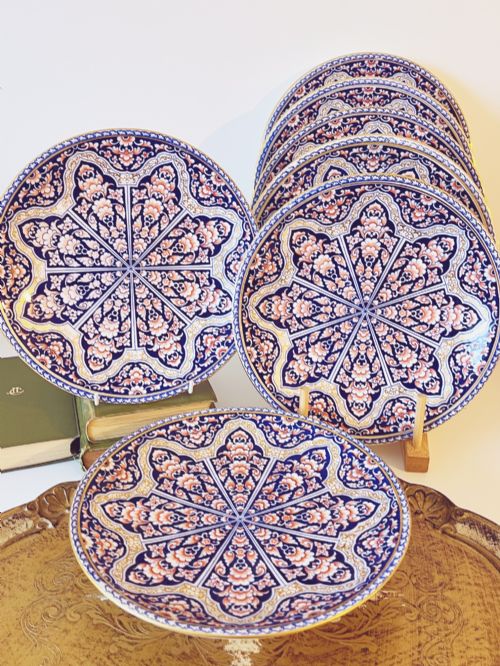
The distinction between standard production wares and exceptional pieces rests upon the complexity of the hand-painting and the hand-application of enamel and gold leaf. Signed cabinet plates by renowned artists command greater attention from collectors.
The crispness of the porcelain moulding and the vibrancy of traditional patterns such as Imari style designs determine the overall finish. Well-preserved gilding without rubbing elevates the standing of any service or display plate.
Royal Crown Derby·Royal Doulton·Royal Worcester·Coalport·Shelley
The Vintage English Bone China Glossary
- Bone china
- A type of porcelain composed of bone ash, feldspar and kaolin, producing a strong, translucent white body.
- Imari style
- A decorative scheme employing deep cobalt blue, iron-red and gold leaf, inspired by Japanese export wares.
- Cabinet plate
- A decorative plate intended for display in a cabinet rather than for everyday dining use.
- Gilding
- The application of gold leaf or powdered gold to ceramic surfaces for ornamental effect.
- Spill vase
- A tall, slender vessel originally designed to hold wooden spills used for lighting fires or pipes.
Vintage English Bone China: Frequently Asked Questions
Can I use these tea sets daily?
While these sets were originally created for practical dining and afternoon tea, their age requires a thoughtful approach. Using them occasionally for special gatherings is entirely appropriate provided you handle them with care.
Avoid serving extremely hot liquids directly into very cold cups to prevent thermal shock. Hand washing immediately after use ensures the glaze remains protected from staining.
How do I identify the date of a piece?
Makers often stamped their wares with specific factory marks that changed across decades. Examining the base of a plate or vase will frequently reveal cyphers or date codes corresponding to the year of production.
Stylistic cues such as Edwardian floral borders or Art Deco geometric forms also help narrow down the era. Comparing these details against established maker archives confirms the period of manufacture.
What is the difference between porcelain and bone china?
Traditional porcelain relies on a mixture of china clay and petuntse fired at high temperatures to create a hard paste. Bone china incorporates animal bone ash into the mixture, resulting in a warmer tone and greater translucency.
English manufacturers favoured bone china for its exceptional strength and ability to hold fine painted details. This composition allowed makers to produce thinner, more refined tableware and cabinet pieces.