



Collectible Wedgwood Porcelain
Collectible antique Wedgwood porcelain brings extraordinary decorative lustre ware and figures from the early twentieth century into your home.
Collectible Wedgwood Porcelain
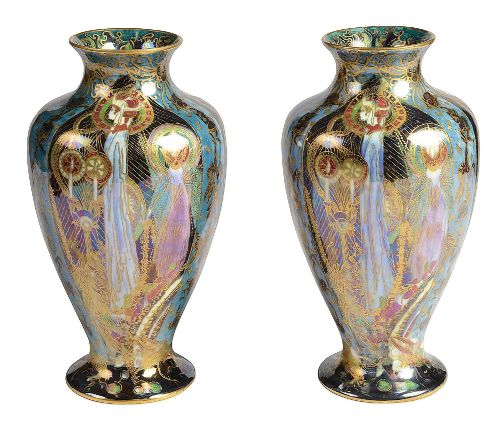
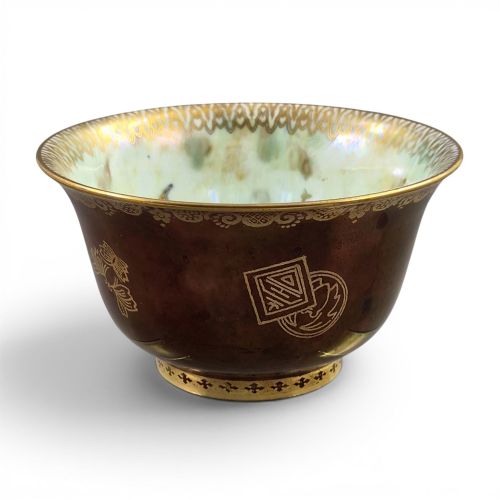
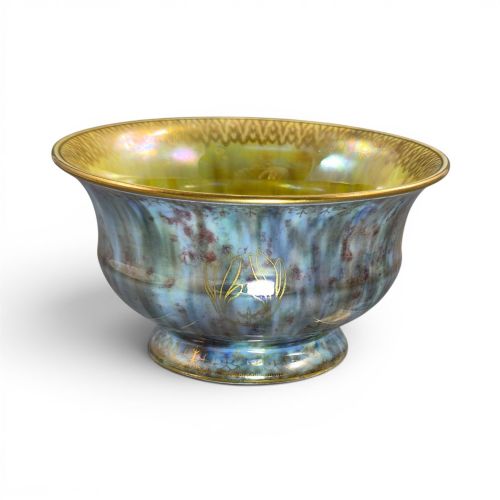
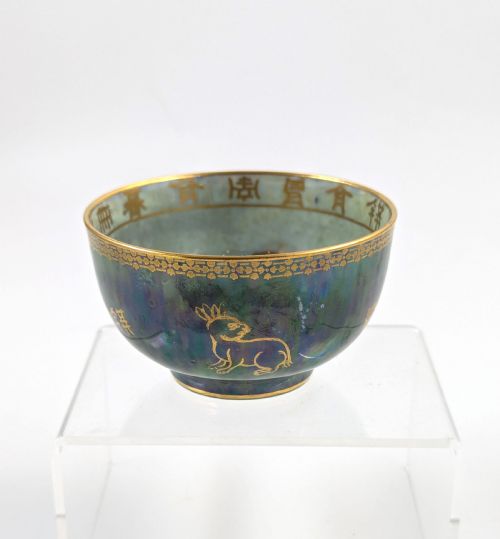
When you search for collectible antique wedgwood porcelain, you encounter striking decorative items from the Edwardian period and the 1910s and 1920s. These pieces include baluster vases, miniature sets, lantern bowls, and decorative figurines.
The selection on this page centres predominantly upon elaborate lustre glaze creations. You will frequently find dragon bowls, butterfly motifs, and the intricate designs associated with Daisy Makeig-Jones.
Alongside the vibrant lustre wares, the offerings encompass bone china and earthenware figures such as the Puppy Seller. Each object represents the imaginative output of early twentieth-century ceramic production.
Methods of manufacture
These works rely upon skilled application of porcelain, bone china, and earthenware bodies shaped into baluster vases and bowls. Potters formed the clay before applying complex surface treatments.
Makers utilised lustre glazes combined with enamel colours and gold leaf or gold gilding to achieve iridescent visual effects. This intricate layering demanded precise kiln firing to fix the metallic sheens.
Puppy sellers and coiling dragons populate the kilns alongside fairies, proving that early twentieth-century ceramicists possessed delightfully varied imaginations.
Assessing the workmanship
Quality rests upon the complexity and clarity of the painted designs across the lustre glaze. Pieces featuring elaborate patterns such as Candlemas or detailed coiling dragons demand greater artistic execution than simpler monochrome grounds.
The richness of the gold gilding and the depth of the iridescent finish distinguish finer examples. Crisp modelling in figures like the Puppy Seller also marks superior studio output.
Daisy Makeig Jones·Wedgwood And Co Ltd
The Collectible Wedgwood Porcelain Glossary
- Lustre Glaze
- A type of ceramic glaze containing metallic oxides that produce an iridescent, pearl-like sheen upon firing. This technique creates the glowing surface effects seen on Fairyland wares.
- Baluster
- An architectural term applied to vases and vessels with a rounded body that tapers toward a narrow neck. Many twentieth-century display vases follow this symmetrical profile.
- Bone China
- A type of soft-paste porcelain incorporating animal bone ash for strength and translucency. It provides a bright white body for detailed enamel painting.
- Enamel
- Opaque glass-like pigments applied over fired glazes to add colour and design detail. Artisans fire the piece a second time to fuse these pigments permanently.
Collectible Wedgwood Porcelain: Frequently Asked Questions
What is Fairyland lustre?
Fairyland lustre is an imaginative line of decorative ceramics developed at Wedgwood during the early twentieth century. These pieces feature fantastical motifs including goblins, dragons, and candles.
The style relies on complex iridescent glazes and rich gilding to create magical, detailed table displays and vases.
How do I date these wares?
Dating relies upon recorded production eras, specific pattern numbers, and known designer active periods. Most items on this page originate from the Edwardian era through the nineteen-twenties.
Examination of backstamps and glaze characteristics helps confirm the approximate decade of manufacture.
Are these pieces functional?
These ceramics served primarily as ornamental display objects rather than functional tableware. Bowls, vases, and figures were designed to showcase artistic glazing techniques in Edwardian and later interiors.
Using them for heavy daily service risks damaging the delicate enamel and gold leaf surfaces.
How should I display lustre bowls?
Lustre bowls benefit from placement in well-lit cabinets or open surfaces where light catches the iridescent glaze. Adequate spacing allows the intricate dragon or butterfly patterns to remain visible from multiple angles.
Keeping them away from direct sunlight preserves the vibrancy of the enamel colours.