
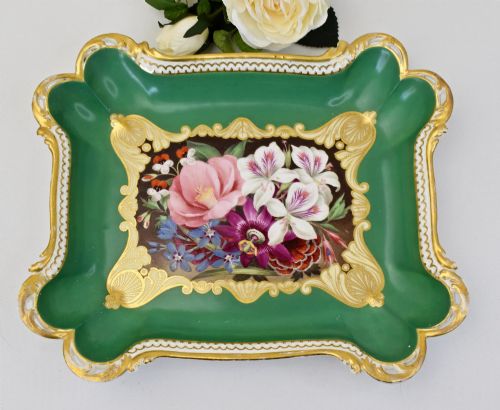


Antique Ceramic Pin Dishes
These antique ceramic pin dishes are small vessels designed to hold pins and trinkets, offering a glimpse into domestic life across the nineteenth and twentieth centuries.
Antique Ceramic Pin Dishes
When searching for antique ceramic pin dishes, a buyer encounters small decorative trays, bowls, and vide-poche forms produced by major potteries and independent makers. These items served functional roles on dressing tables and desks to catch loose pins, small jewellery, and hair accessories.
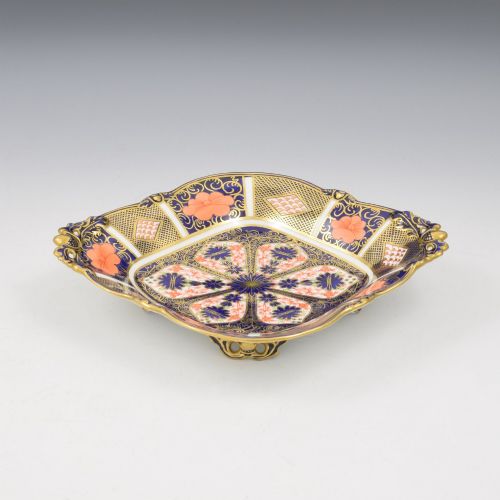
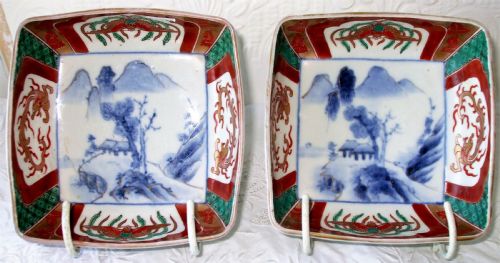
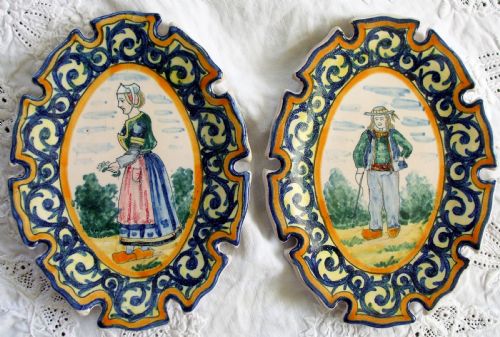
The pieces on this page span the Victorian and Edwardian periods through to the mid-twentieth century, alongside nineteenth-century examples. Common formats include small Japanese Imari plates, French faience pin trays, and porcelain dishes painted with fruit or floral sprays.
Makers ranged from large English factories such as Royal Worcester and Wedgwood to continental European workshops like Quimper and Dresden. Formats vary from simple circular bowls to fan-shaped plates, shell-moulded dishes, and rectangular trays.
Materials and production methods
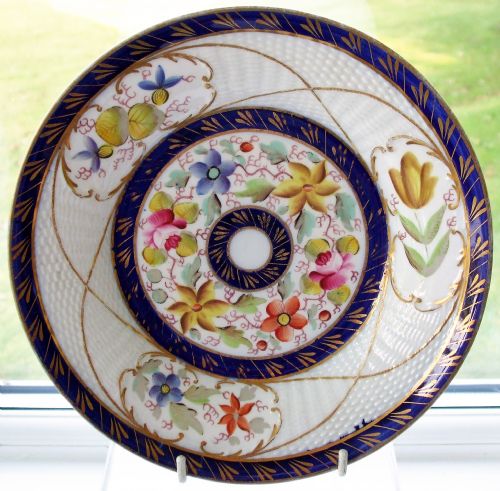
Production relies on porcelain, bone china, earthenware, and ironstone, shaped into small dishes and trays before receiving glazes and painted decoration. Many examples incorporate hand-painted details, floral sprays, or transfer-printed patterns.
Gilt edges, gold leaf, and enamel accents frequently highlight the rims and moulded contours of nineteenth-century and Edwardian pieces. Certain items utilise pierced or fretted ceramic bodies alongside specialised lustre glazes or champlevé enamel mounts.
Faience and earthenware pieces from French workshops employ tin glazes with blue and white or polychrome pigments. Japanese Meiji period examples display traditional Imari palettes of iron red, cobalt blue, and gilt highlights on porcelain.
Keep one beside the bed for stray earrings, saving fingers from the midnight hazard of an errant butterfly back.
Assessing quality in small ceramic dishes
Quality rests upon the precision of the painting, particularly on pieces featuring hand-painted fruit, botanical sprays, or figural scenes by named artists. Crispness in moulded details, such as shell ridges, pierced lattice work, or fluted edges, distinguishes finer productions from standard wares.
The application of gilding and enamel work reveals the tier of manufacture, with uniform, burnished gold leaf indicating superior workshops. Consistency in the glaze finish and the refinement of the ceramic body itself mark the distinction between everyday domestic items and luxury cabinet pieces.
Royal Crown Derby·Doe and Rogers·Carlton Ware·Royal Worcester·Barr Flight and Barr·Helena Wolfsohn·Macintyre and Company·William Moorcroft·Royal Dux·Royal Copenhagen
The Antique Ceramic Pin Dishes Glossary
- Vide-poche
- A small tray or bowl designed to empty pockets of small items like coins and pins. These French catch-all dishes frequently appear in porcelain and faience.
- Imari
- A style of Japanese export porcelain featuring iron red, cobalt blue, and gilt. British factories subsequently adopted these distinctive colourways.
- Blush Ivory
- A cream-coloured ceramic body developed by Royal Worcester. It provides a matte background for delicate floral painting.
- Lustre
- A type of ceramic glaze containing metallic elements that produce an iridescent sheen. Wedgwood produced notable examples during the early twentieth century.
Antique Ceramic Pin Dishes: Frequently Asked Questions
What were pin dishes used for?
These small dishes sat on dressing tables, sewing desks, and hall stands to hold loose pins, needles, hairgrips, and small trinkets.
In daily Victorian and Edwardian domestic life, they kept functional items tidy and prevented delicate pins from rolling away.
How do I date an antique ceramic dish?
Dating relies on maker marks, factory backstamps, ceramic bodies, and stylistic indicators such as Art Nouveau or Arts and Crafts motifs.
Examining the type of glaze, hand-painting style, and registration numbers helps narrow the production era to specific decades.
Are these dishes safe to use daily?
While structurally sound, antique porcelain and earthenware require careful handling to preserve delicate gilt edges and hand-painted surfaces.
Hand washing is essential, as dishwashers can damage fragile enamel decorations and aged ceramic glazes.
What is Japanese Imari style?
Imari refers to Japanese export porcelain decorated in contrasting palettes of cobalt blue, iron red, and added gold.
European factories admired this aesthetic and produced their own versions throughout the nineteenth and early twentieth centuries.