


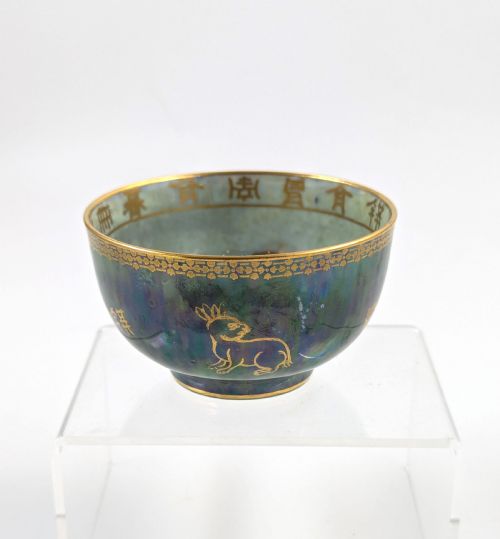


Art Deco Wedgwood Lustre
These art deco wedgwood lustre pieces combine iridescent glazes with intricate fantasy motifs, offering a striking centrepiece for any serious collector.
Art Deco Wedgwood Lustre
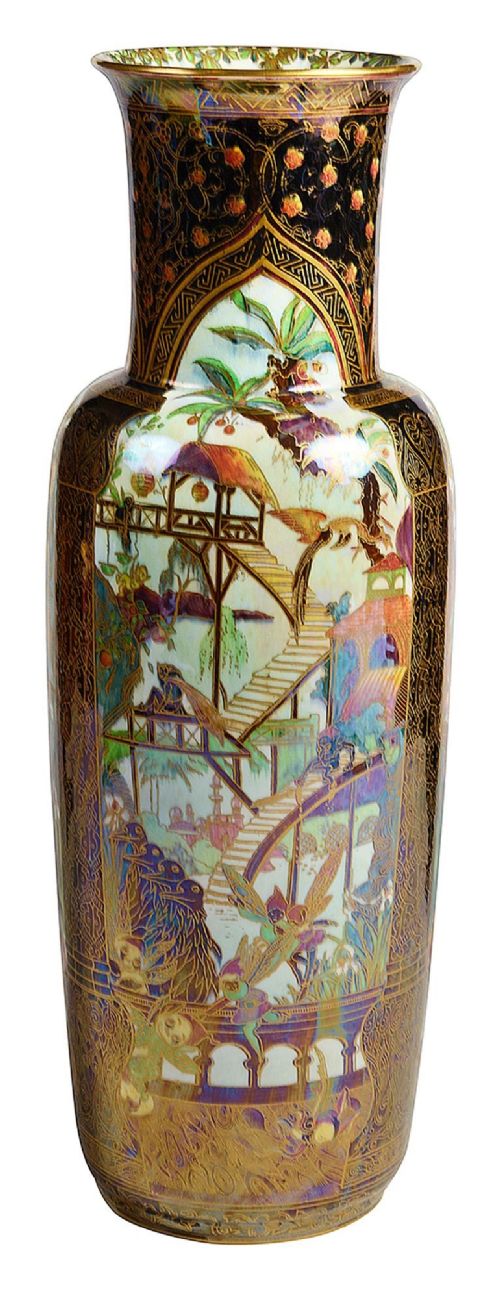
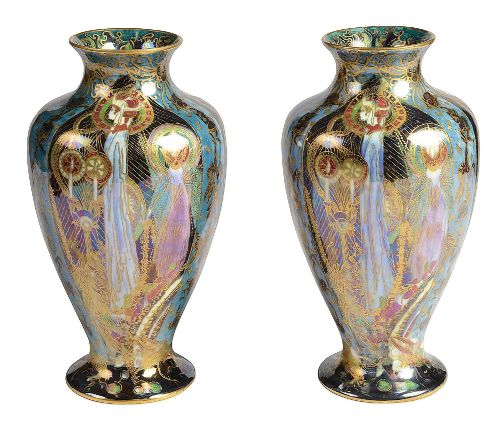
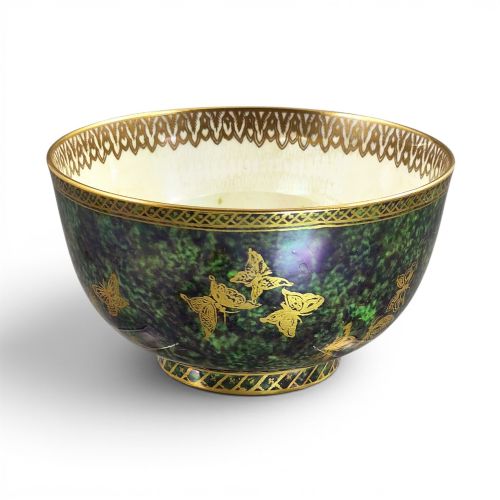
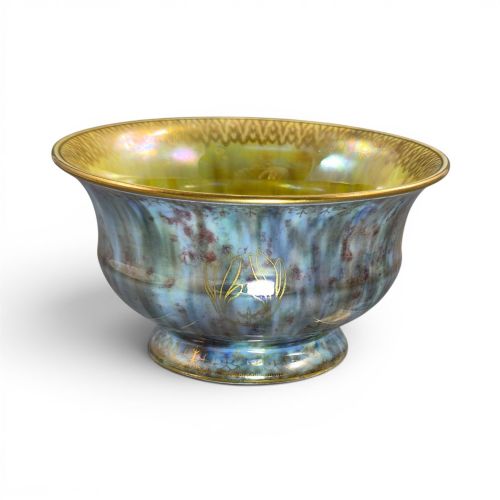
When you examine art deco wedgwood lustre, you encounter decorative bowls, vases, and decorative cups produced primarily during the Edwardian period and the 1920s. These vessels showcase complex mythical designs and vibrant colour fields that define the distinctive output of the factory.
The pieces you meet most often on this page take the form of octagonal bowls and baluster vases, alongside miniature bowls and three-handled mugs. They span stylistic crossovers from Art Nouveau roots into defined Art Deco geometry.
Makers and designers of the period utilised porcelain and bone china as the foundation for elaborate surface decoration. Each vessel relies on specific glazing techniques to achieve its characteristic metallic sheen.
Materials and production methods
Production centres on porcelain and bone china bodies shaped into vases, cups, and bowls. These ceramic forms receive detailed surface painting utilising enamel colours before the application of specialised glazes.
Craftsmen applied gold leaf, gilt, and gold gilding to accentuate specific motifs within the intricate designs. The signature lustre glaze reacts during firing to produce iridescent metallic effects across the surface.
The process requires careful control of kiln temperatures to ensure the lustre glaze and enamel details bond successfully with the underlying ceramic body.
Fairyland creatures and coiling dragons populate these glossy surfaces, proving that Edwardian mantelpieces held entire mythologies within their bowls.
Distinctions in quality
Quality rests upon the complexity and clarity of the decorative scenes painted across the porcelain surface. Finely executed mythological subjects and detailed backgrounds demonstrate superior artistic execution.
The richness and even distribution of the lustre glaze and gold gilding determine the visual depth of each vessel. Strong contrast between the iridescent sheen and the underlying enamel colours marks the finer examples.
Daisy Makeig Jones·Wedgwood
The Art Deco Wedgwood Lustre Glossary
- Lustre Glaze
- A type of ceramic glaze containing metallic oxides that produce an iridescent sheen upon firing. This finish creates the characteristic shimmering effect seen across these decorative vessels.
- Bone China
- A soft-paste porcelain incorporating animal bone ash, providing a bright white body suitable for detailed enamel painting. It serves as the primary material for many fine ceramic pieces.
- Baluster Vase
- A tall vase form characterised by a rounded body that tapers toward the base and flares at the neck. This shape provides an expansive surface area for narrative landscape decoration.
- Octagonal Bowl
- A vessel featuring eight distinct planar sides rather than a standard circular profile. This geometric form became particularly popular during the decorative shifts of the early twentieth century.
- Gold Gilding
- The application of finely beaten gold leaf or gold powder to ceramic surfaces for ornamental accent. It highlights raised borders and framing elements within the primary design.
Art Deco Wedgwood Lustre: Frequently Asked Questions
What are art deco wedgwood lustre pieces?
These pieces are decorative ceramic vessels, including bowls, vases, and cups, adorned with iridescent glazes and intricate fantasy scenes. They represent a specific intersection of traditional ceramic manufacture and early twentieth-century design innovation.
Produced largely during the Edwardian era and the 1920s, they utilise bone china and porcelain as canvases for complex artistic narratives. Their distinct appearance relies on specialised firing techniques that create shimmering metallic surfaces.
How were these lustred vessels used?
They served primarily as decorative items for display within domestic interiors rather than utilitarian tableware. Their vibrant colours and metallic sheens were intended to catch candlelight and natural daylight in formal reception rooms.
Collectors and owners positioned them on cabinets, mantelpieces, and tables as focal points. The miniature bowls and mugs also functioned as cabinet pieces designed for close inspection.
How do I care for lustre ceramics?
Care requires gentle handling and protection from abrasive cleaning materials that might scratch the delicate enamel and gold gilding. Dusting with a soft, dry cloth is sufficient for routine maintenance.
Keep these vessels away from direct sunlight to prevent fading of the underlying enamel colours. Avoid immersion in water or chemical cleaning agents to preserve the integrity of the metallic glaze.
How can I identify the periods?
Identification relies on examining the stylistic elements, form factors, and factory markings associated with production dates. Pieces from this era often bridge late Art Nouveau aesthetics and emerging Art Deco geometric forms.
The integration of specific motifs, such as dragons, butterflies, and fairy themes, helps contextualize the date of manufacture. Comparing the specific shape of the bowl or vase against known archival patterns confirms the production window.