
Vintage Drop Leaf Dining Table
A vintage drop leaf dining table offers clever space-saving flexibility, transforming from a compact side piece into a full-sized dining surface.
Vintage Drop Leaf Dining Table
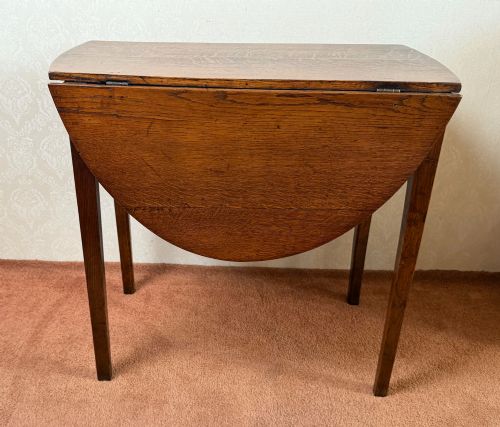
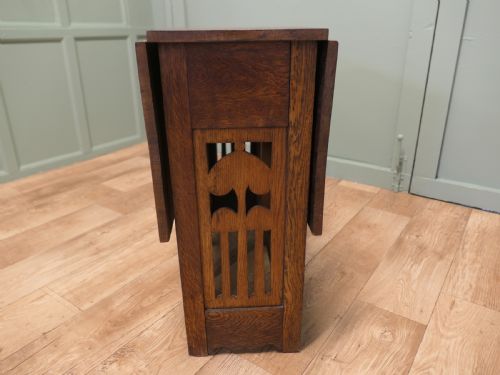
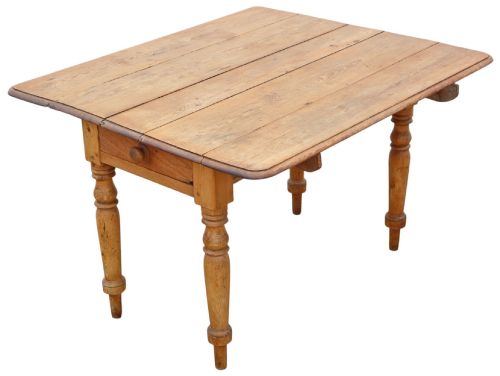
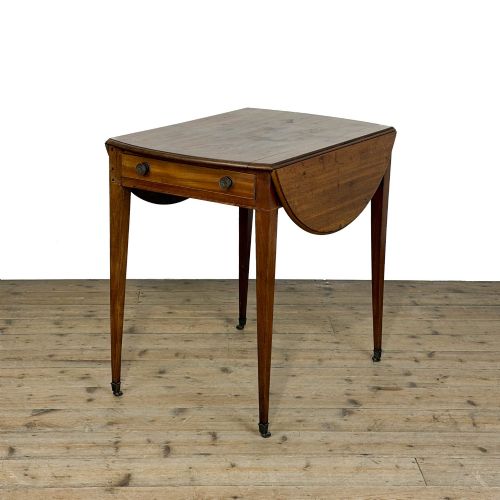
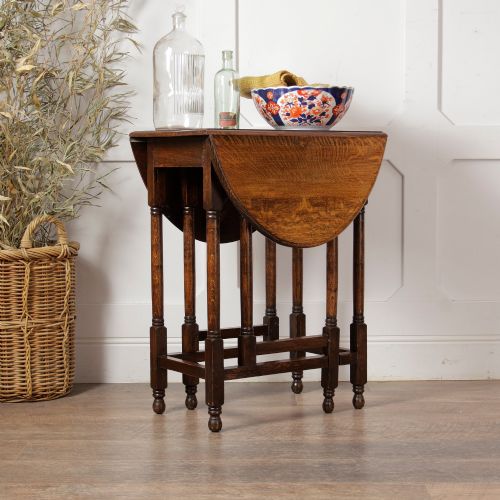
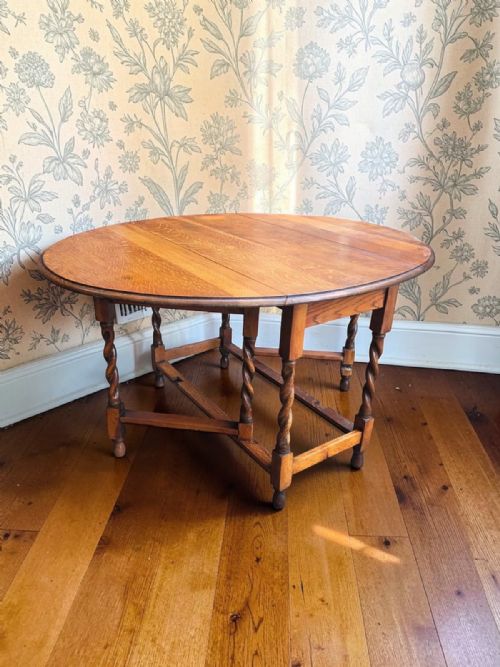
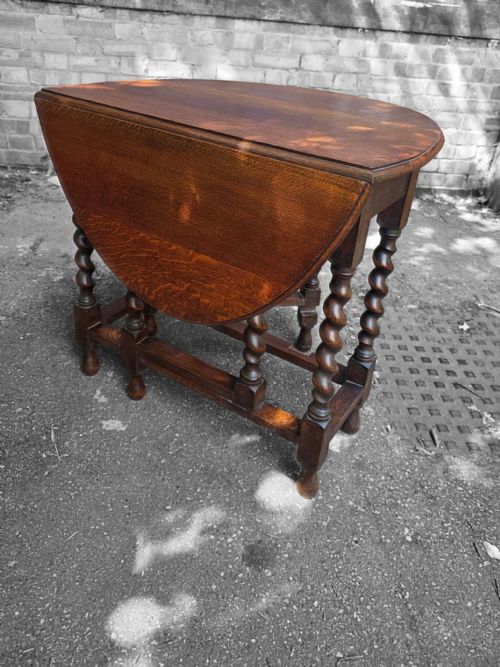
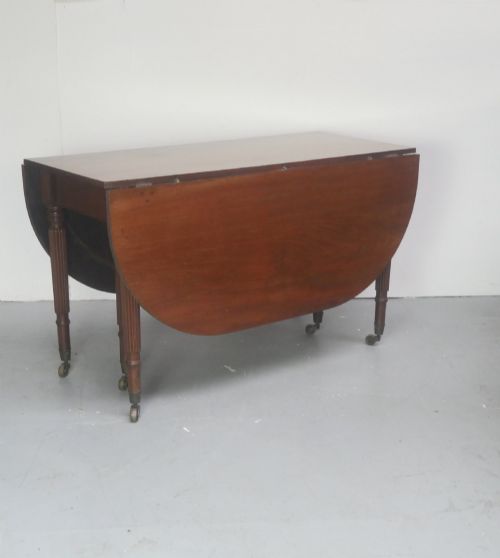
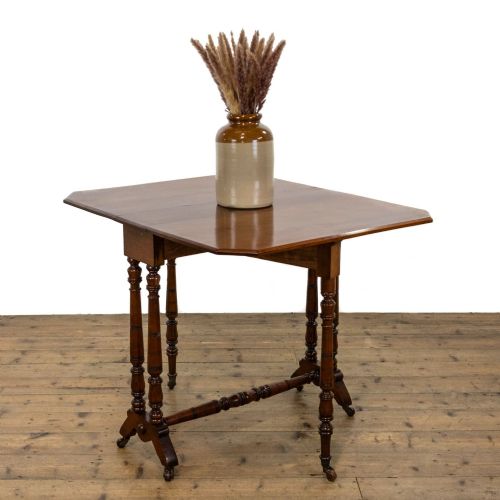
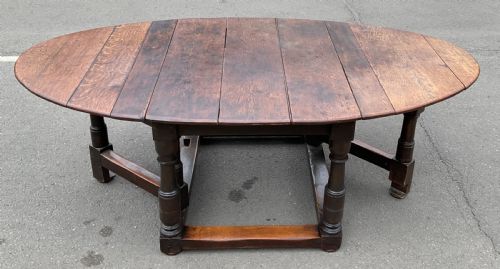
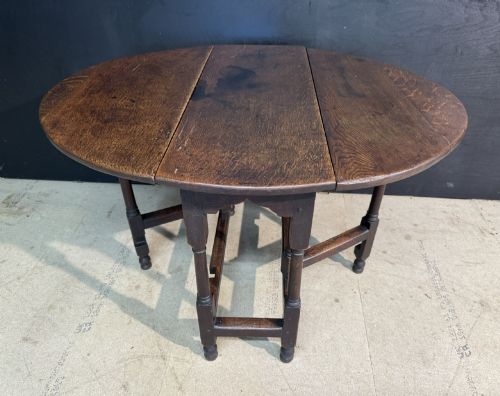
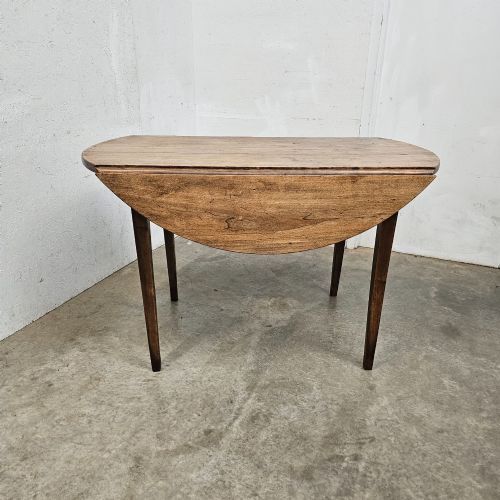
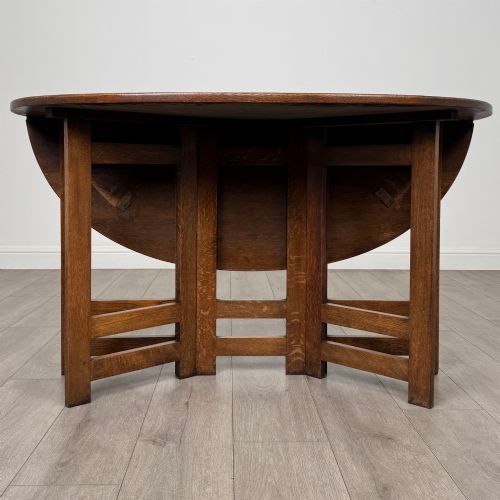
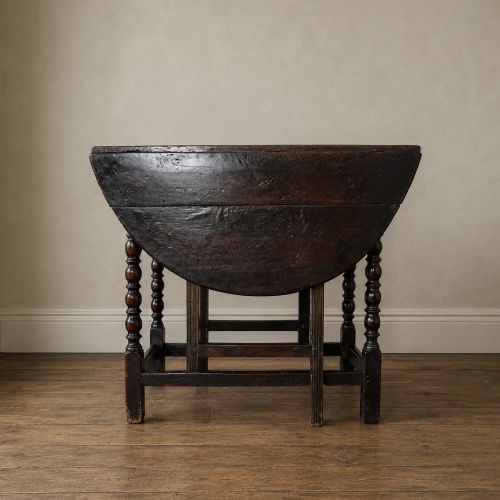
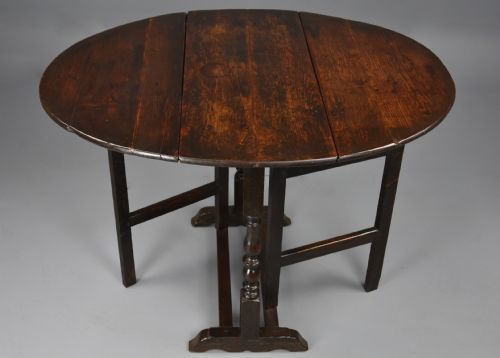
When you search for a vintage drop leaf dining table, you encounter versatile multi-functional furniture designed to expand when needed and fold flat against a wall when not in use. The examples appearing on this page span several centuries, moving from robust 17th-century oak gateleg designs to refined mahogany Georgian and Regency pieces, alongside practical pine kitchen versions and later Arts and Crafts interpretations.
The most common formats you will meet on this page are sturdy oak gateleg tables supported by pivoting legs and elegant Pembroke tables featuring hinged leaves on opposite sides. These pieces originate from domestic and kitchen settings across Britain, Sweden, and France, reflecting various regional tastes in timber and turning techniques.
Materials and construction methods
The pieces listed here rely primarily on solid native timbers such as oak and mahogany, complemented by walnut, fruitwood, pine, and elm. Cabinet makers utilised traditional joinery methods, fixing hinged leaves with pivoting wooden or brass brackets and securing gateleg frames to bear the weight of the drop leaves.
Turnery plays a defining structural and decorative role across the periods represented, incorporating barley twist, bobbin turned, and plain tapered legs. Surfaces receive finishes ranging from polished figured mahogany veneers to waxed oak patinas and painted Swedish treatments.
Some antique gatelegs double as heavy household barricades in historical tales, though they prefer holding dinner plates.
Distinguishing quality in construction and material
Quality in these tables depends heavily on the selection of timber and the integrity of the structural joints. Superior examples display dense, well-figured grain in woods like mahogany or oak, alongside solid framing that prevents the hinged leaves from sagging under pressure.
The execution of the turning and the retention of an authentic original surface patina further separate standard utility items from finer workshop pieces. Better tables maintain smooth movement in their folding mechanisms without relying on modern replacement hinges.
The Vintage Drop Leaf Dining Table Glossary
- Gateleg table
- A table with hinged flaps supported by legs that swing outward like a gate to hold the leaves up. This design provides sturdy support for large dining surfaces.
- Pembroke table
- A small rectangular or oval table with two hinged drop leaves on opposite sides and usually a drawer at one end. It was designed for occasional use in sitting rooms.
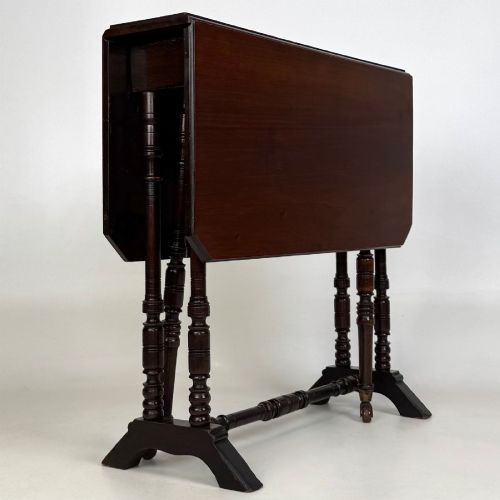
- Sutherland table
- A narrow table featuring exceptionally slender drop leaves that fold down almost vertically. These tables take up minimal floor space when closed.
- Slagbord
- A traditional Scandinavian drop-leaf dining table design. These pieces often feature painted finishes and substantial wooden construction.
Vintage Drop Leaf Dining Table: Frequently Asked Questions
How do I use a drop leaf table daily?
You keep the leaves folded down against the central section to save floor space as a console or side table.
When you need to eat, you simply swing the supporting legs outward and lift the leaves into position.
How do I identify a 17th century table?
You look for heavy solid oak construction combined with distinctive turning styles such as bobbin or barley twist legs.
These early examples also exhibit pegged joinery and a deep natural patina developed over centuries of use.
Will a vintage drop leaf table seat four?
Many medium and large gateleg or Pembroke formats comfortably accommodate four or more diners when fully extended.
The swing legs provide adequate knee clearance around the perimeter once the leaves are raised.
How do I care for timber drop leaves?
You protect the wood by using placemats and avoiding placement near direct heat sources that can dry out the joints.
Regular polishing with appropriate beeswax maintains the lustre of the antique finish.