
Antique Side Table with Flaps
An antique side table with flaps offers clever space-saving versatility, folding out from a compact footprint into a useful surface for tea, writing or lamps.
Antique Side Table with Flaps
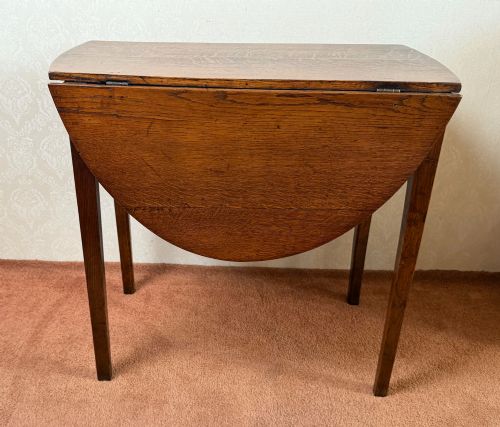
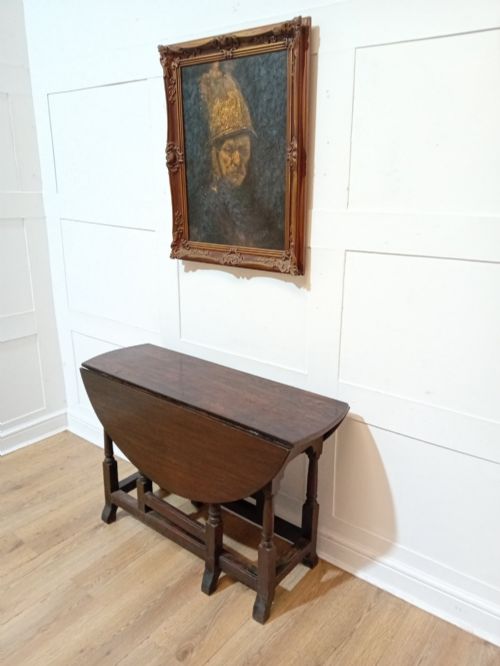
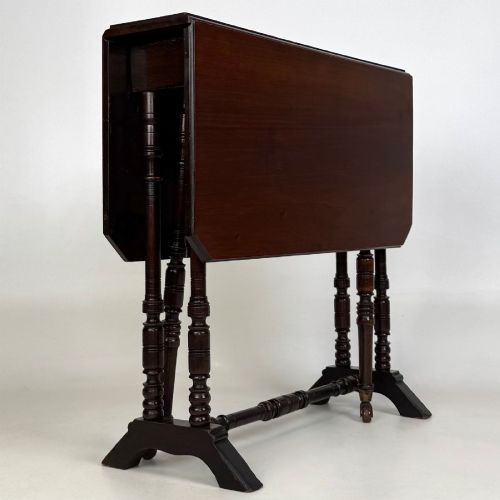
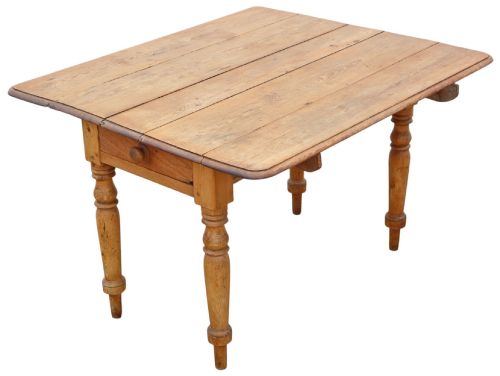
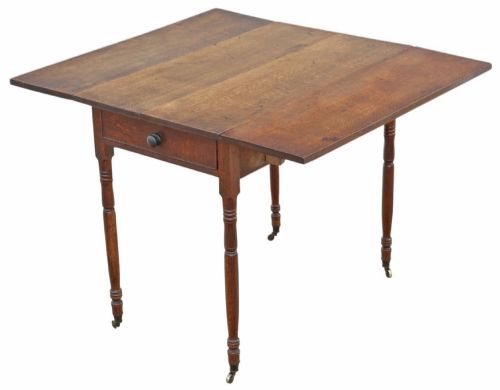
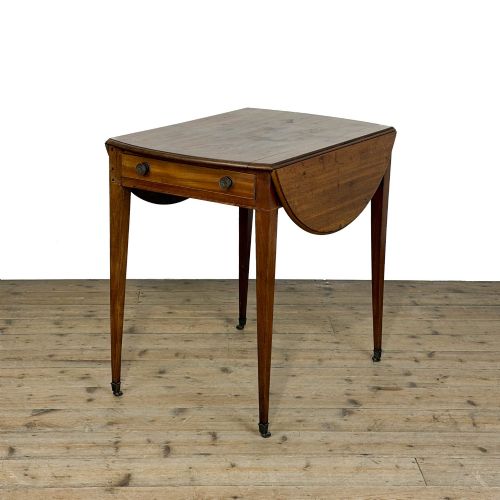
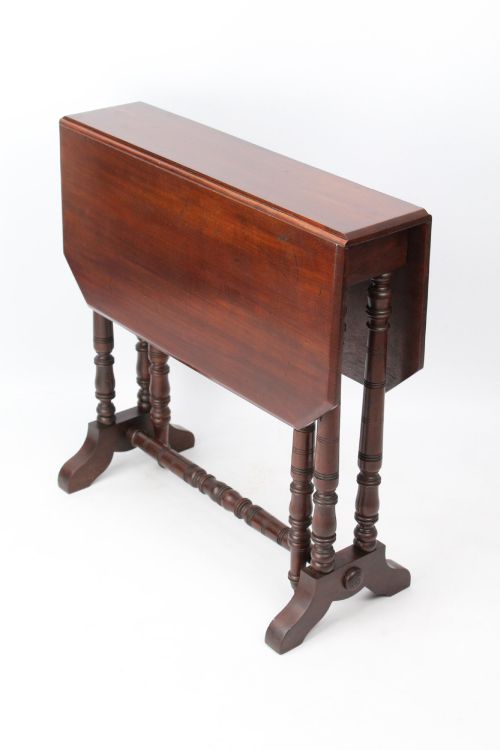
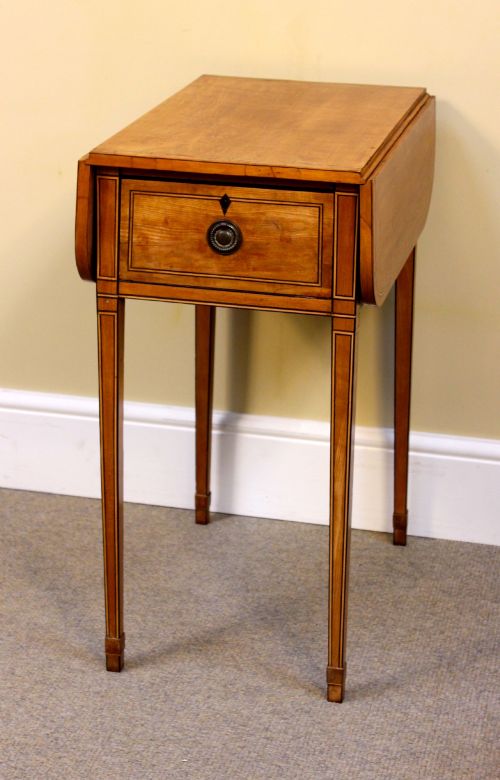
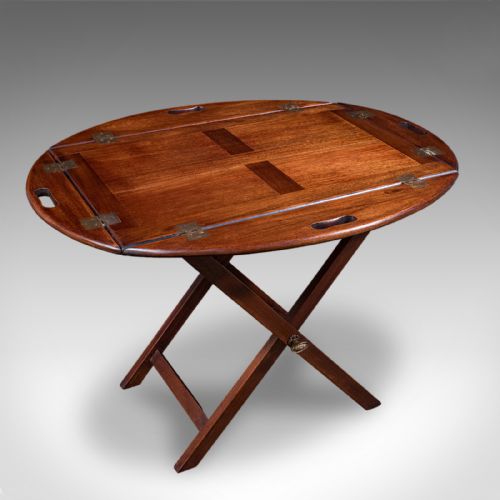
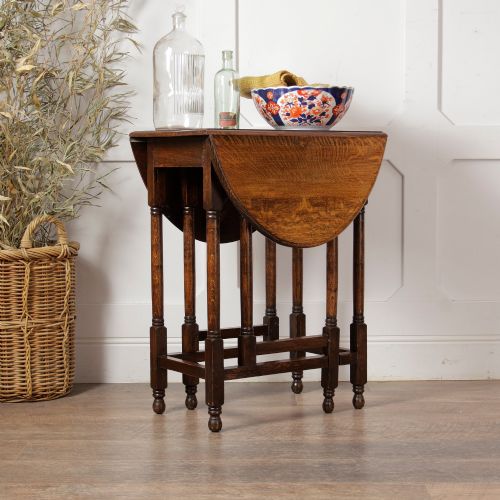
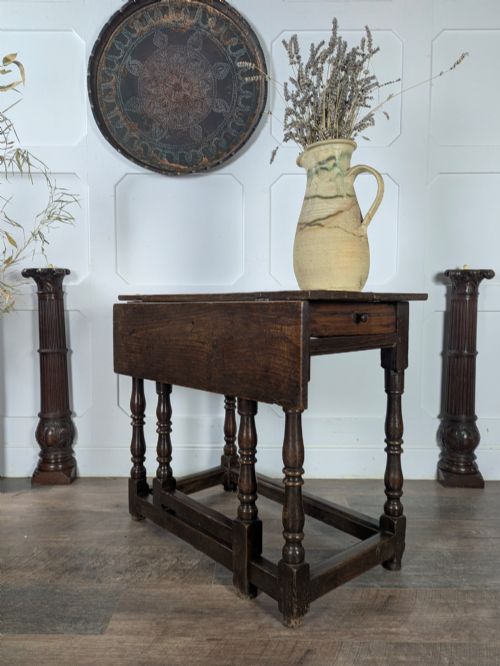
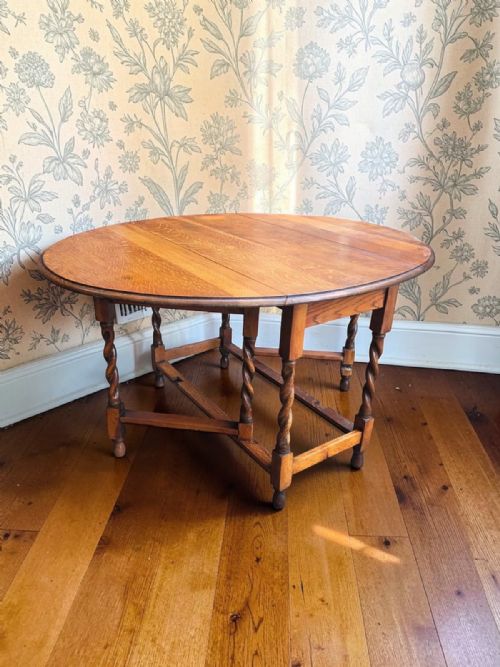
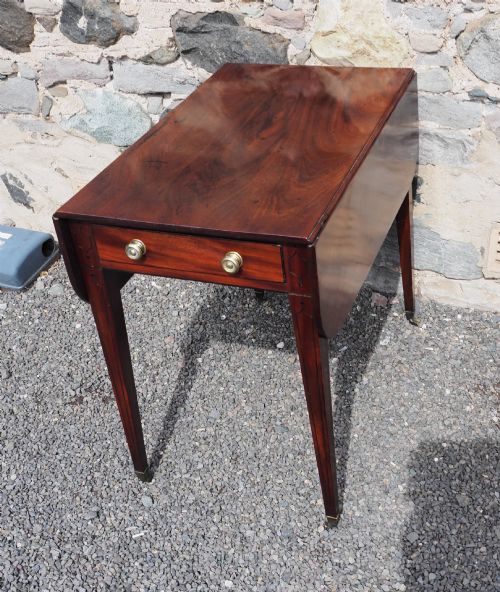
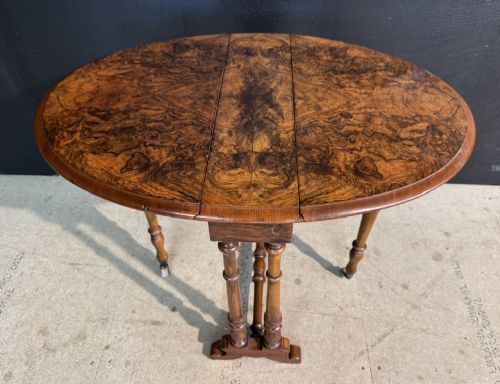
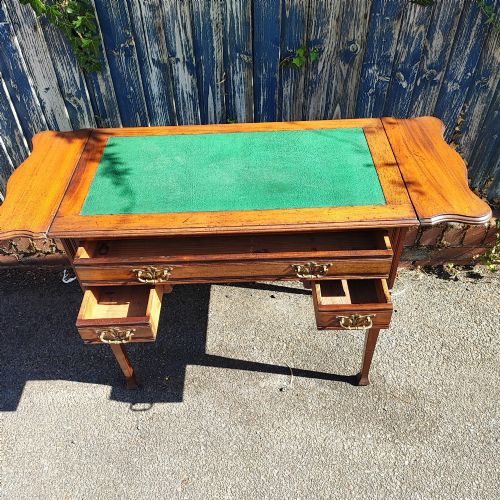
An antique side table with flaps serves as a flexible piece of furniture designed to expand when extra surface area is required and drop down when space is at a premium. These tables appear across Georgian, Regency, Victorian, and Edwardian periods, manifesting in forms such as Pembroke tables, sofa tables, lamp tables, and small tea tables.
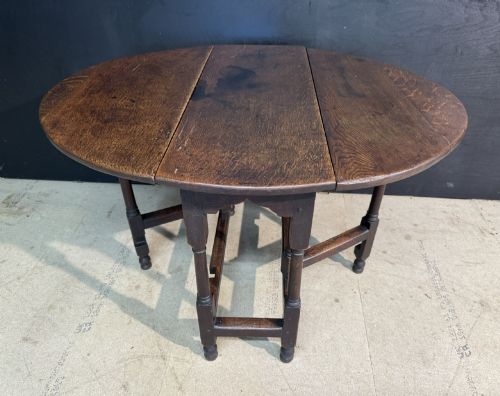
Mahogany dominates the selection, alongside walnut, pine, satin birch, fruitwood, oak, and rosewood. The structural designs utilise gateleg mechanisms, folding drop leaves, and hinged flaps supported by pivoting wooden brackets or swing legs.
Buyers encounter everything from rustic country pine kitchen tables to sophisticated Cuban mahogany and rosewood examples featuring brass castors, inlaid details, and integrated drawers.
What varies in quality
The choice of timber dictates the initial tier of quality, moving from utilitarian pine and fruitwood up to finely figured Cuban mahogany, burr walnut, and rosewood with cross-banded borders. Superior examples display thoughtful proportion, crisp carving on legs, and sophisticated detailing such as inlaid bird designs or delicate stringing.
Construction integrity and hardware retention separate fine pieces from standard ones, notably the survival of original brass castors, smooth drawer operation, and tight hinge tolerances that keep the drop flaps level when extended.
Listings span the 18th, 19th, and early 20th centuries, including Georgian, Regency, Victorian, and Edwardian periods.
Johnstone and Jeanes·Liberty and Co.
The Antique Side Table with Flaps Glossary
- Pembroke table
- A small table with two hinged drop flaps on opposite sides, usually fitted with one or more drawers. It typically stands on four legs, sometimes with cross-stretchers.
- Sofa table
- A rectangular occasional table designed to stand in front of a sofa, featuring short drop leaves on either end and twin pedestals or four legs.
- Gateleg table
- A table with hinged flaps supported by legs that swing out like a gate to hold the leaves in place.
- Cross-banding
- A decorative border of veneer laid around the perimeter of a tabletop so the grain runs perpendicular to the centre panel.
- Cuban mahogany
- A dense, dark timber harvested in the Caribbean, prized for its rich patina and deep figuring in 18th and 19th-century cabinetmaking.
Antique Side Table with Flaps: Frequently Asked Questions
What is a Pembroke table?
A Pembroke table is a compact occasional table featuring two hinged drop leaves on opposing sides and typically one or two small drawers.
Cabinetmakers designed them during the 18th century as versatile breakfast or writing tables that could sit against a wall and expand when needed.
How do sofa tables differ from side tables?
Sofa tables are longer and narrower, traditionally built to sit directly behind a sofa, and feature drop leaves on the short ends rather than the long sides.
They frequently incorporate double pedestals or trestle bases connected by a stretcher.
What woods were used for these tables?
Mahogany is the predominant timber, especially figured Cuban mahogany used in Georgian and Regency examples.
Cabinetmakers also utilised walnut, rosewood, satin birch, fruitwood, oak, and pine for simpler provincial versions.
How do I date an antique drop leaf table?
Dating relies on timber selection, leg styles, and construction methods, moving from early oak gatelegs to Georgian mahogany cabriole legs, Regency turned supports, and Edwardian inlaid details.
Hardware such as brass castors and dovetailing inside drawers provide further chronological clues.