
Vintage Dining Room Server
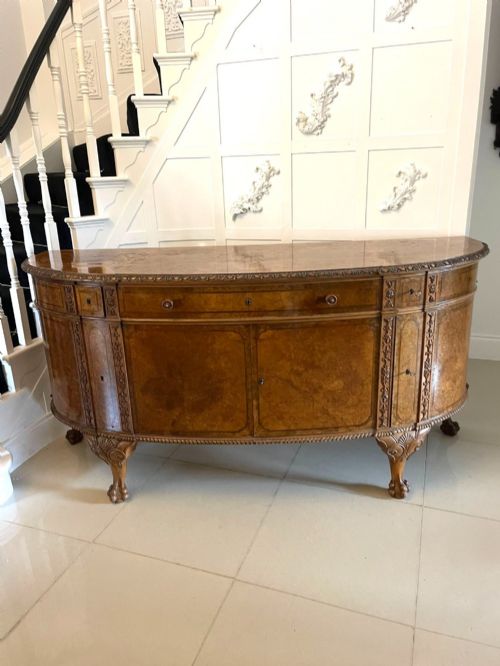
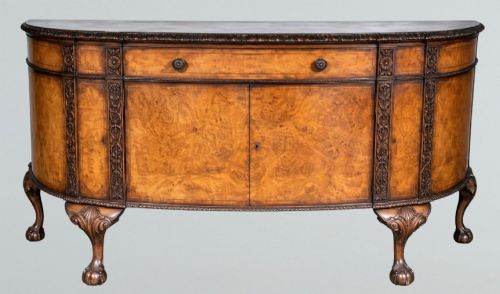
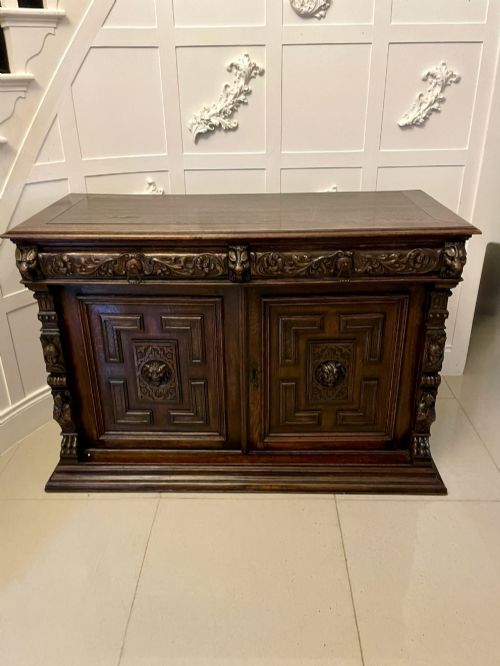
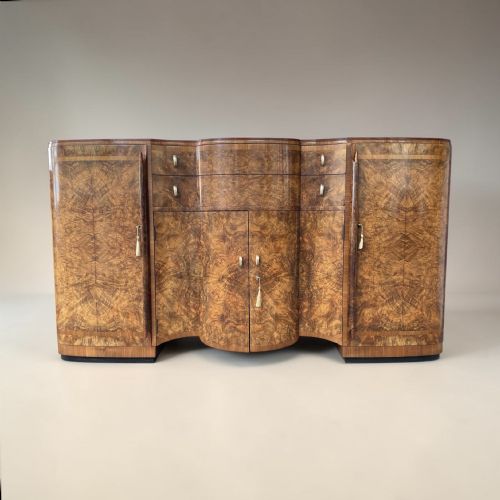
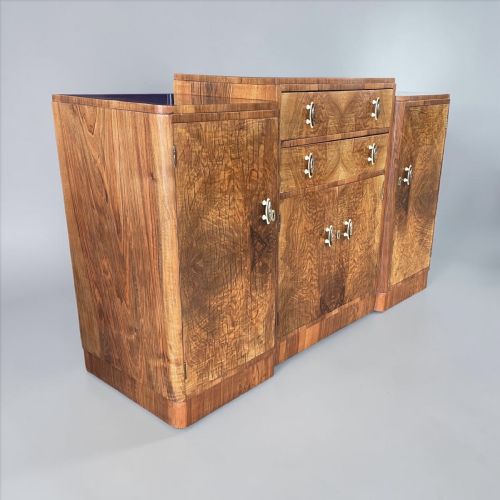
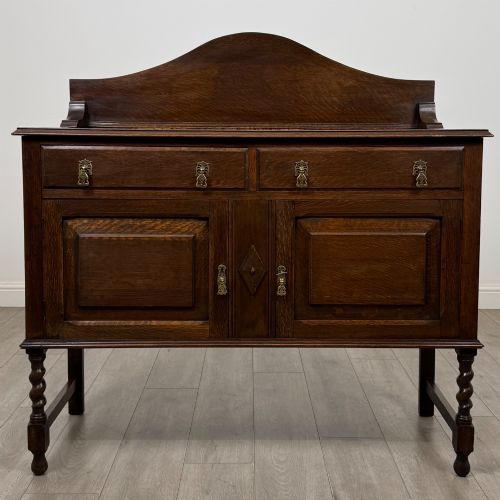
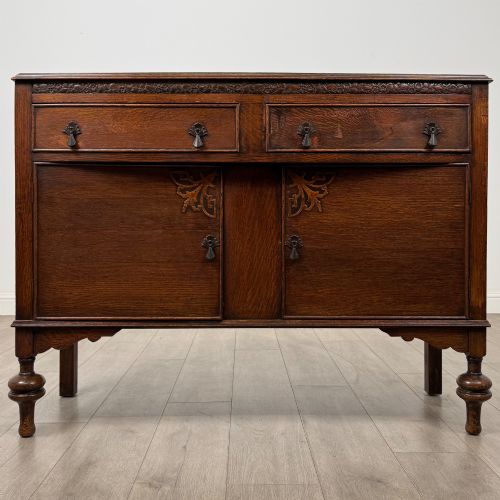
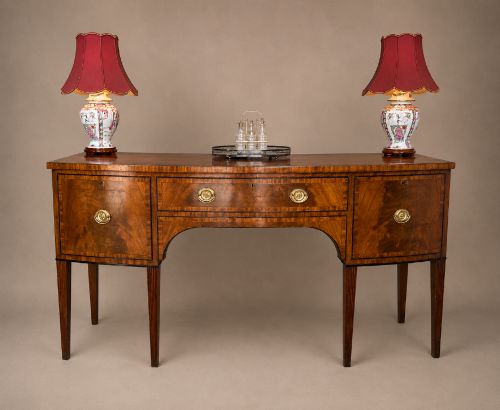
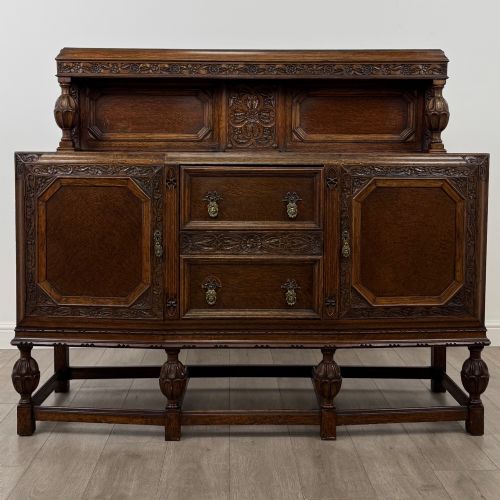
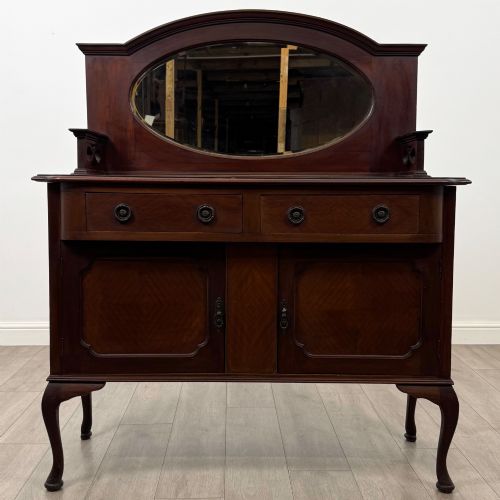
These vintage dining room servers bring heavy mahogany, rich burr walnut and striking Art Deco geometry straight to the dining room.
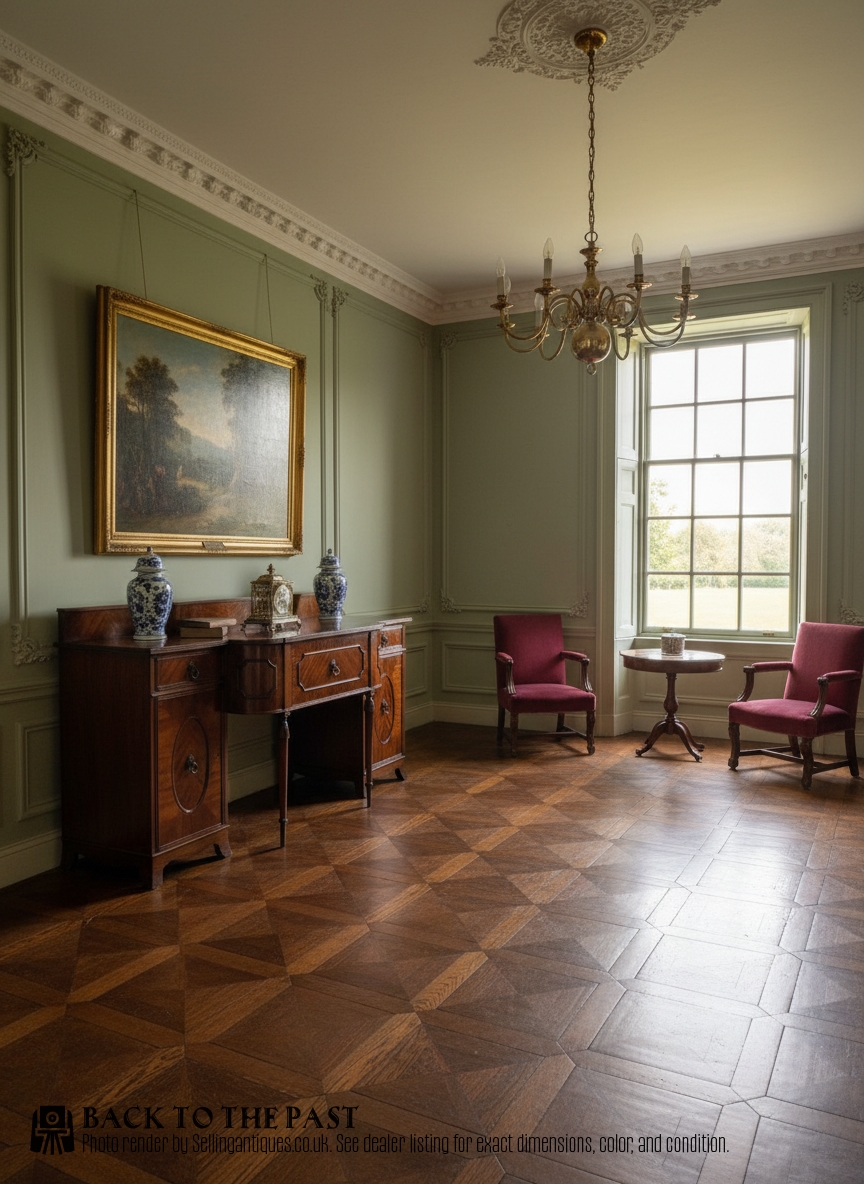
Understanding the vintage dining room server
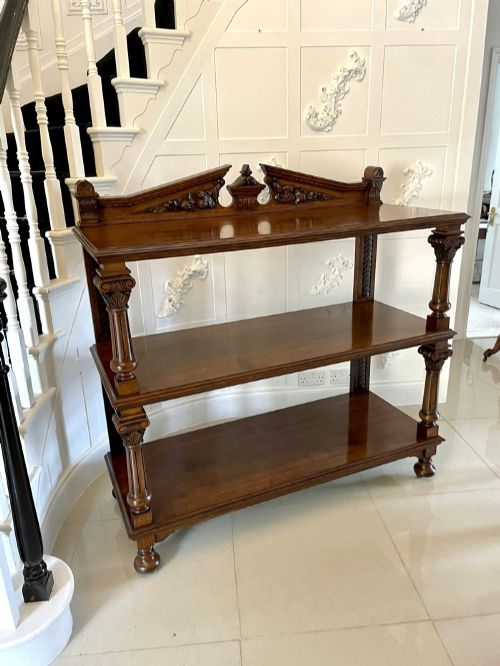
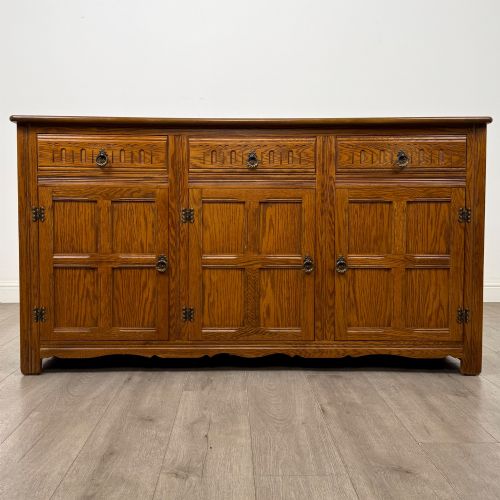
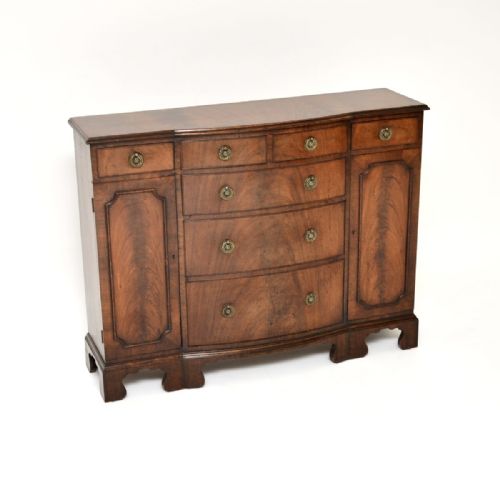
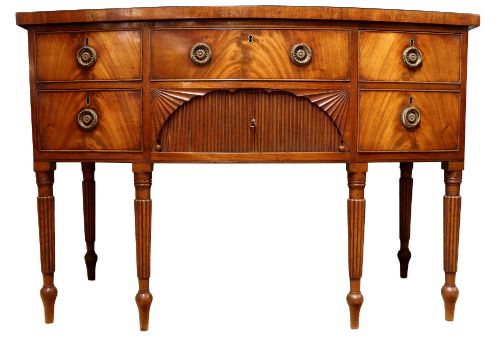
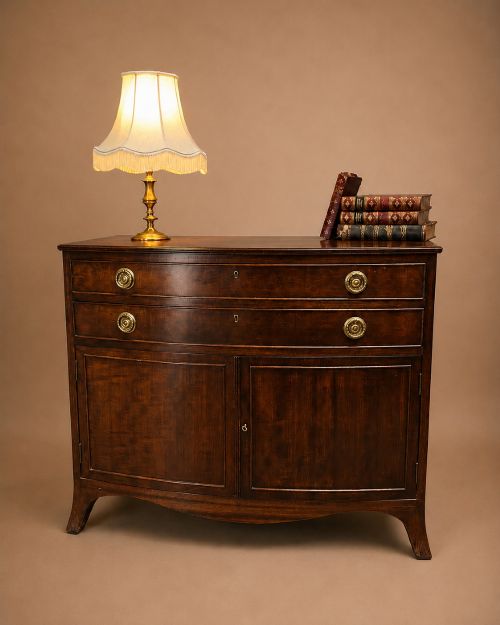
A vintage dining room server is a practical piece of dining furniture designed to hold serving dishes, cutlery and glassware during meals. When exploring this selection, buyers encounter forms ranging from traditional serving tables and serving cabinets to substantial sideboards and sideboards and buffets.
The pieces available span multiple eras and design movements, moving from the nineteenth century through the Edwardian period and into the nineteen-thirties. British examples sit alongside French imports, showing how dining rooms evolved from heavy traditional spaces into streamlined modern settings.
Most items on this page fall into traditional timber categories or distinct modernist shapes. Buyers most frequently meet large mahogany sideboards or striking burr walnut cabinets from the interwar years.

Materials and construction
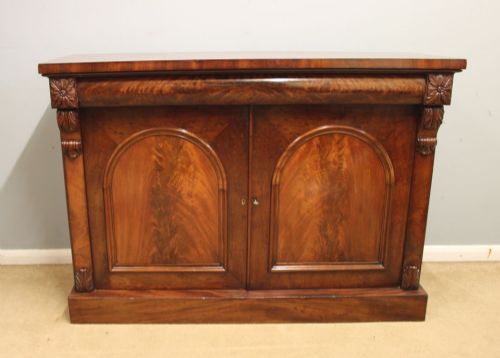
Cabinetmakers built these servers using solid hardwoods alongside decorative veneers. Mahogany and walnut form the structural core of many pieces, often enhanced by flame mahogany veneer or burr walnut veneer to create dramatic grain patterns across large cabinet doors.
Detailing relies on traditional cabinetmaking skills, including carved woodwork and inlaid timber banding. Metal handles and brass fittings secure the doors and drawers, completing the functional design of each serving table and sideboard.
Retail Price Guide 2026
Typical UK retail prices for vintage dining room server, calculated from the Sellingantiques database of over a million retail prices indexed since 2003. This retail price guide relies exclusively on Sellingantiques data; no external sources or auction records are used, so the figures do not describe the wider market.
Materials recorded across these pieces include mahogany, walnut, brass, metal and decorative burr veneers.
Judging quality and craftsmanship
Quality in these servers shows in the selection of timber veneers and the precision of the cabinet construction. Pieces featuring matched burr walnut or carefully aligned flame mahogany display a higher level of decorative ambition than plain timber surfaces.
Design ambition and named workshops elevate certain examples above standard production pieces. Refined proportions, sophisticated carving and fitted interiors distinguish the finest dining room servers from more utilitarian furniture.
Maurice Adams·Harry And Lou Epstein·Goodall of Manchester
The Vintage Dining Room Server Glossary
- Sideboard
- A large dining room cabinet designed for storing tableware and serving food. These pieces often combine cupboards, drawers and a flat top surface.
- Burr Walnut
- A highly figured timber veneer taken from the wart-like growths on walnut trees. It creates complex, swirling grain patterns highly prized in Art Deco furniture.
- Flame Mahogany Veneer
- A sliced wood veneer showing a distinctive flickering flame pattern. Cabinetmakers use this technique to add visual movement to the front of drawers and doors.
- Inlaid
- A decorative technique where contrasting pieces of wood or metal are fitted flush into the surface timber. This creates geometric or botanical patterns without altering the flat plane of the furniture.
Frequently Asked Questions
What is a dining room server?
A dining room server is a large piece of furniture used for storing plates, cutlery and serving dishes. They sit against the wall of a dining room to assist with hosting meals.
These items function both as storage units and as extra surface space for placing food during dinner parties.
How do I style a server?
These pieces look best placed against a principal dining room wall, often anchoring the room alongside a matching dining table. You can use the flat top surface to display lamps, ceramics or serving trays.
Keep the surrounding space clear to let the timber grain and period details remain the focal point of the interior.
How do I date a server?
Dating relies on identifying the underlying timber, hardware and overarching design style. Pieces with heavy carving often point towards Victorian or Edwardian craftsmanship.
Streamlined curves, waterfall edges and burr walnut veneers typically signal an Art Deco origin from the nineteen-thirties.
Are servers different from sideboards?
Serving tables and servers tend to focus on serving food and often feature lighter frames with fewer cupboards than a traditional enclosed sideboard. The terms overlap frequently in antique furniture.
Both types serve the same practical purpose within the dining room and share similar construction methods.