

Mahogany Bow Front Sideboard
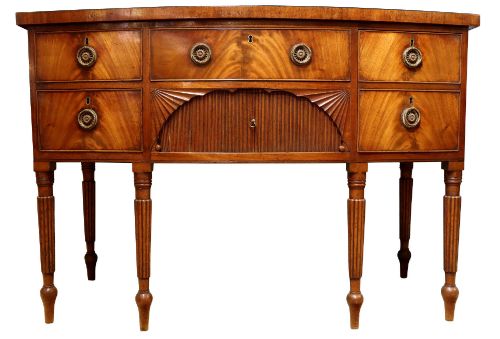
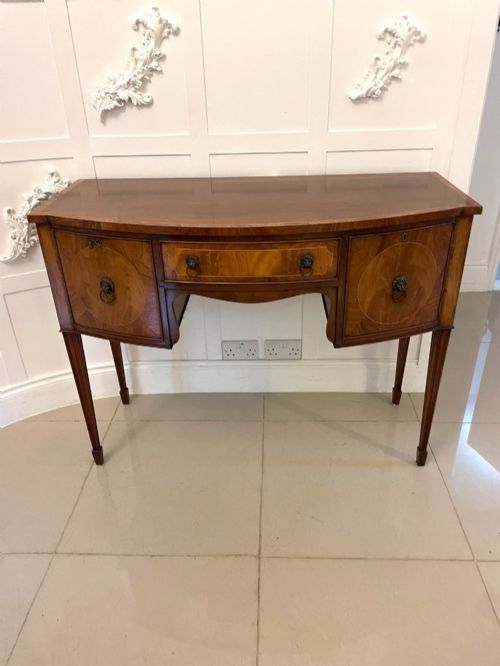
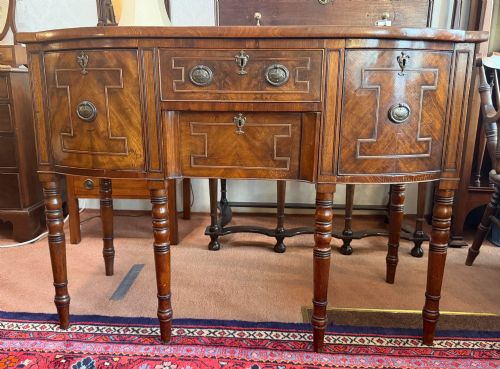
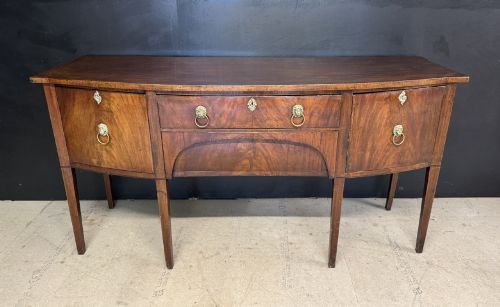
A mahogany bow front sideboard brings elegant curved lines and ample dining room storage to a traditional interior.
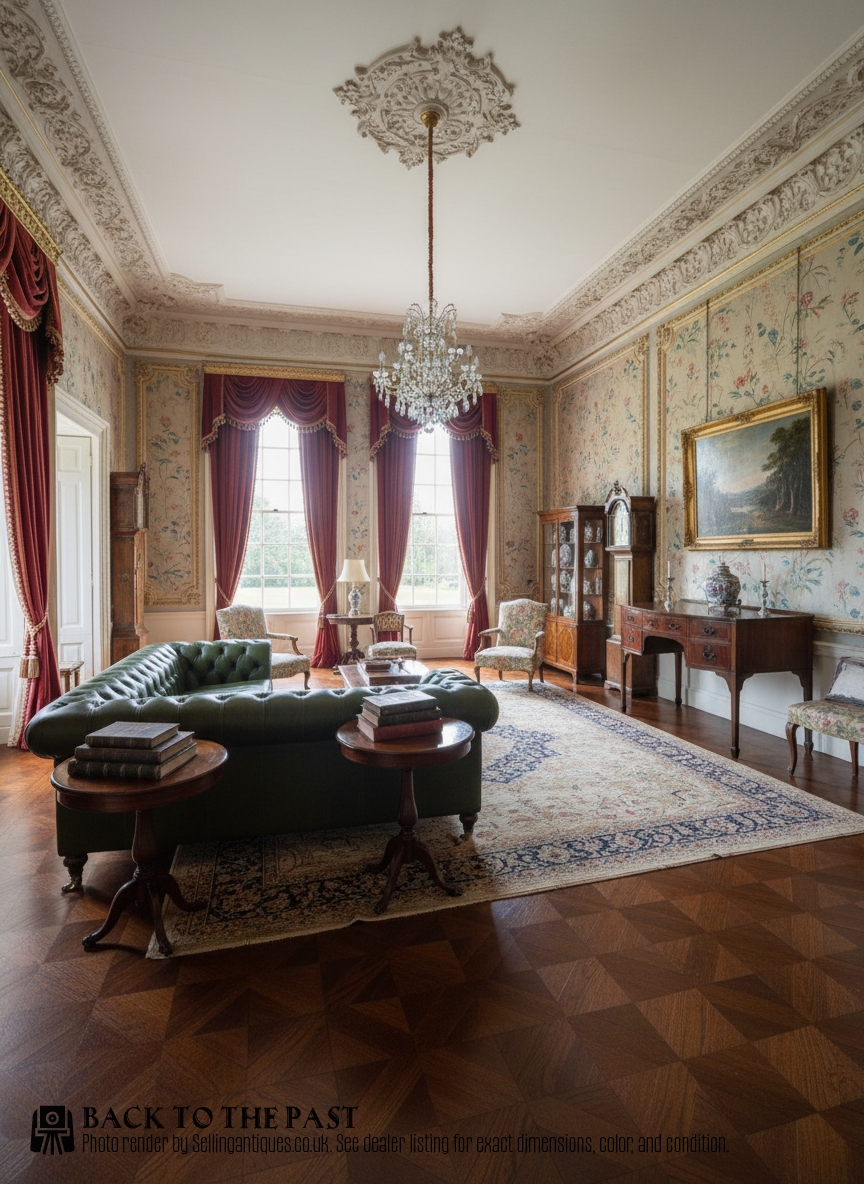
Mahogany Bow Front Sideboard
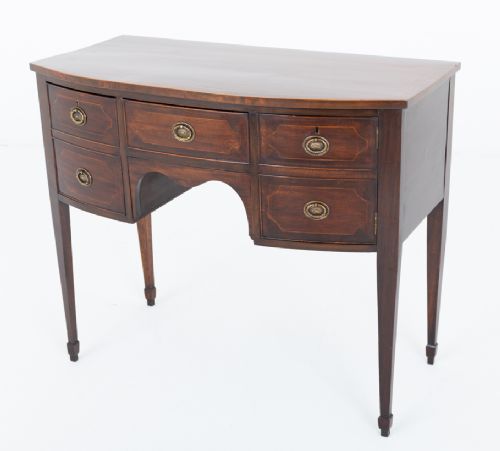
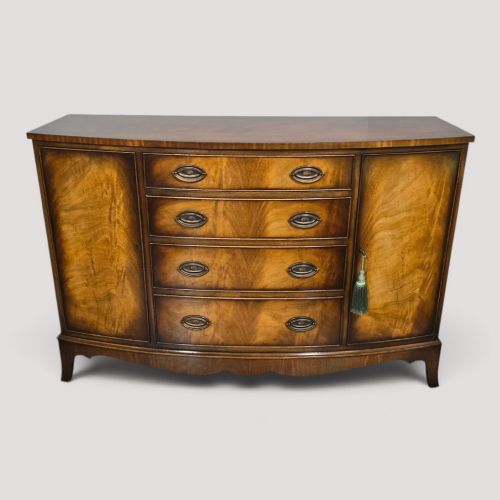
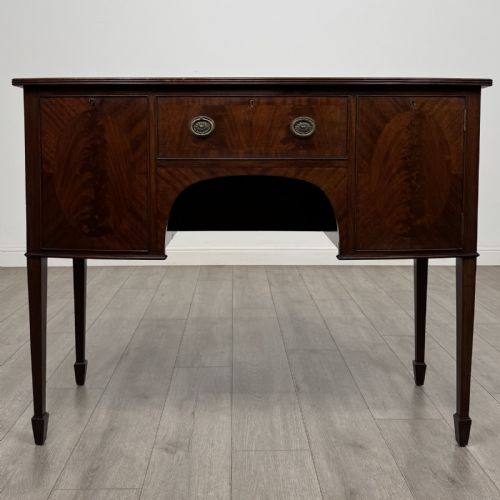
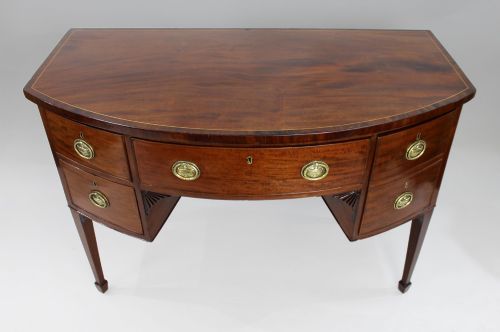
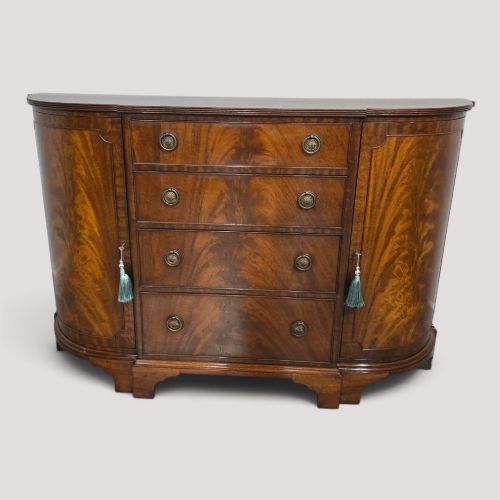
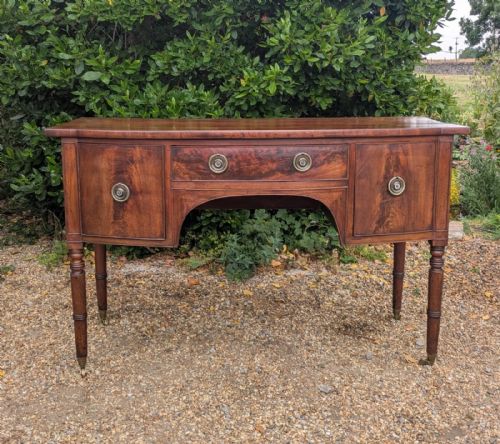
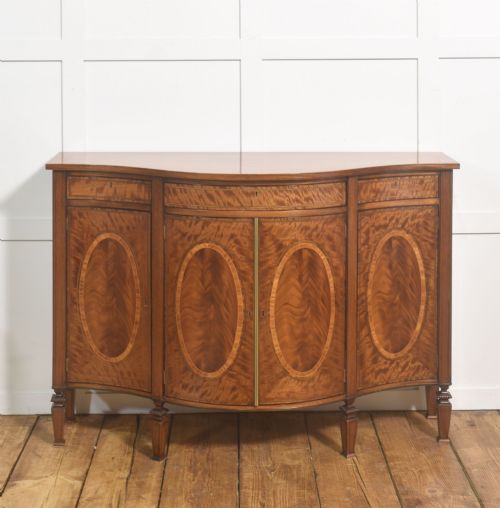
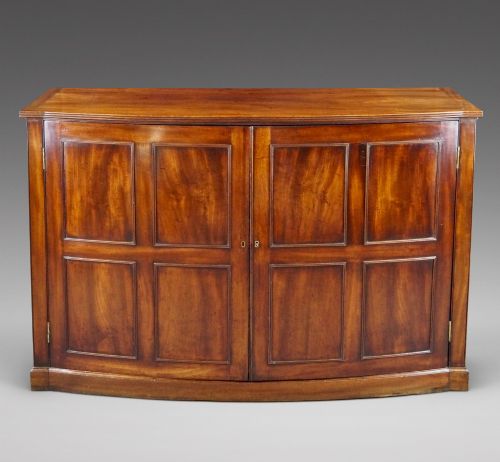
A mahogany bow front sideboard is a substantial dining room storage piece defined by its gracefully curved convex front. Most examples encountered here date from the Georgian and Regency periods, or later Edwardian revivals of those classic styles.
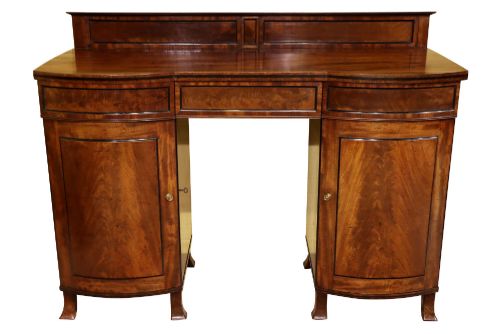
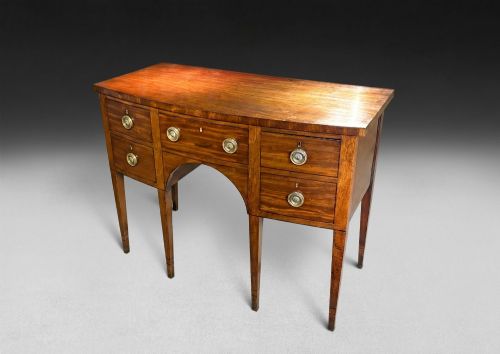
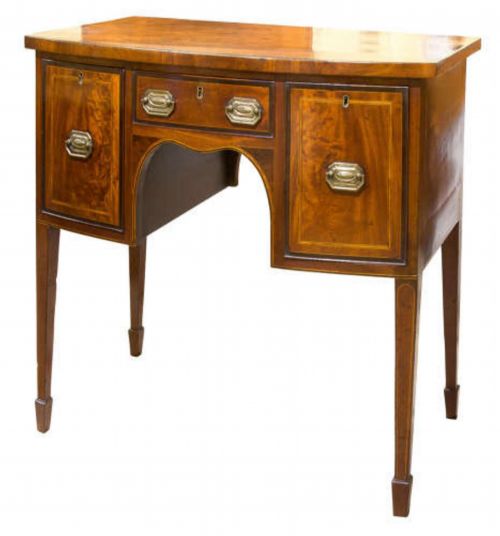
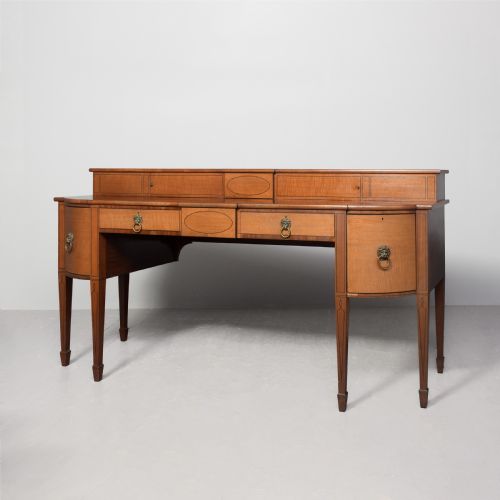
The form typically combines deep central cupboards with flanking drawers, designed originally to house dining silver, linen, and wine bottles. Pieces range from grand pedestal formats to neat, compact proportions suited to smaller modern rooms.
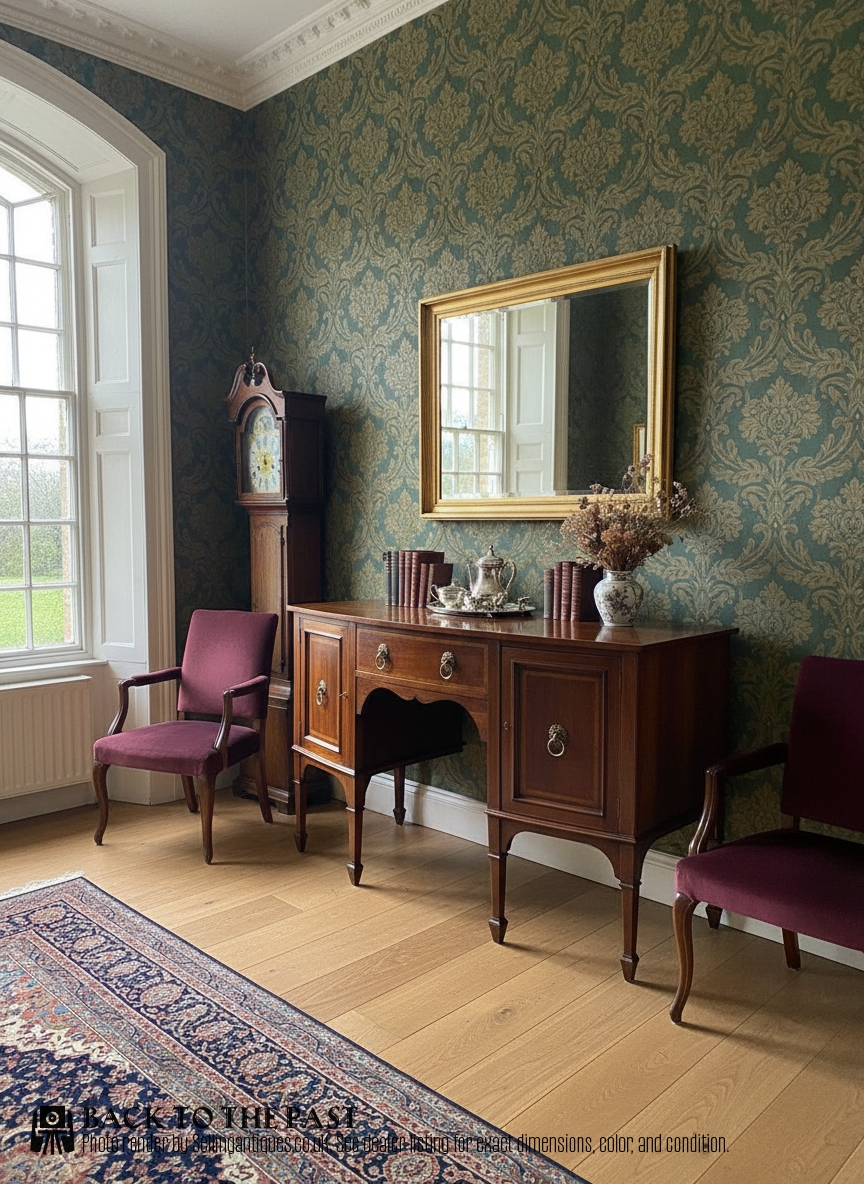
How they were made
Cabinet makers constructed these pieces primarily using solid mahogany carcases, frequently applying flame mahogany veneer to drawer fronts to create a rich, figured grain pattern. Secondary woods like oak appear in drawer linings and internal framing.
Decorative surface detail relies on contrasting timbers such as satinwood and boxwood inlay, often arranged in delicate stringing or geometric banding. Brass fittings, including ring handles and escutcheons, complete the construction.
Mahogany Bow Front Sideboard Retail Price Guide 2026
Typical asking prices for mahogany bow front sideboard among the pieces listed under this phrase on Sellingantiques today, from the lower quarter to the upper quarter. They describe what is for sale here now, not the wider market.
The listings span from the eighteenth-century George III era through Regency designs to early twentieth-century Edwardian and Sheraton revival pieces.
What varies in quality
Quality rests heavily on the choice of timber and the precision of the cabinet work, particularly around the complex curved drawer fronts. Superior examples display carefully matched veneer grains and fine, crisp stringing inlay rather than plain surfaces.
Proportion and scale dictate the desirability of a piece, with narrow or small proportions achieving particular elegance. Original brass hardware and a deep, mellow patina further separate standard production from exceptional work.
The Mahogany Bow Front Sideboard Glossary
- Bow front
- A convex curved front that projects outward in a smooth arc. This shape softens the room and provides deeper central storage capacity.
- Flame mahogany
- Timber cut from the fork of the tree where branches meet the trunk, producing a distinctive flickering flame-like grain pattern. Cabinet makers used this veneer on prominent exterior surfaces.
- Stringing
- Thin, linear inlay of a contrasting lighter wood such as boxwood or satinwood. It creates delicate borders around drawer edges and top surfaces.
- Pedestal sideboard
- A form featuring distinct flanking cabinet pedestals joined by a central table section. These grander pieces are frequently associated with the Regency period.
- Stage-back
- A raised gallery or tier at the rear of the sideboard top used for displaying serving platters. This feature is often found on larger Scottish examples.
Mahogany Bow Front Sideboard: Frequently Asked Questions
What is a bow front sideboard used for?
These pieces were built for the dining room to store cutlery, serving dishes, linens, and bottles.
Today they function as striking storage cabinets in dining rooms, living areas, or hallways, offering deep surface space for lamps and decorative objects.
How do I date a mahogany sideboard?
Dating relies on examining the timber grain, construction techniques, handle styles, and overall aesthetic proportions. Georgian and Regency pieces exhibit hand-cut dovetails and authentic period brassware.
Edwardian revival pieces, popular around nineteen hundred to nineteen twenty, often show lighter internal timbers and machine-finished details beneath the stylistic imitation.
What is the difference between Georgian and Regency sideboards?
Georgian sideboards, particularly those influenced by designers like George Hepplewhite and Sheraton, emphasise delicate inlay, tapering legs, and balanced symmetry.
Regency examples often introduce heavier architectural elements, such as lion paw feet, brass column mounts, or distinct pedestal arrangements.
Will a small bow front sideboard fit a modern room?
Yes, many period makers produced neat, compact proportions specifically designed for smaller dining spaces. Their curved fronts eliminate sharp corners, making them visually lighter in a tight hallway or sitting room.
Depth still varies, so checking the exact cabinet measurements against your available floor space is essential.