
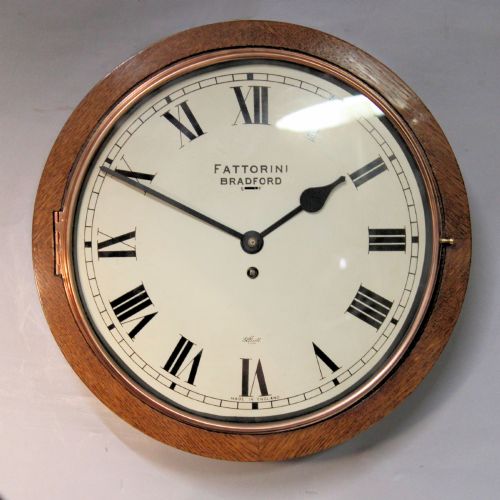
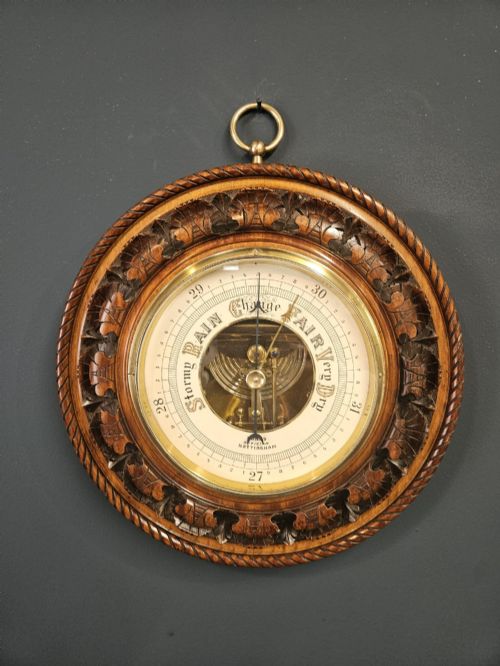
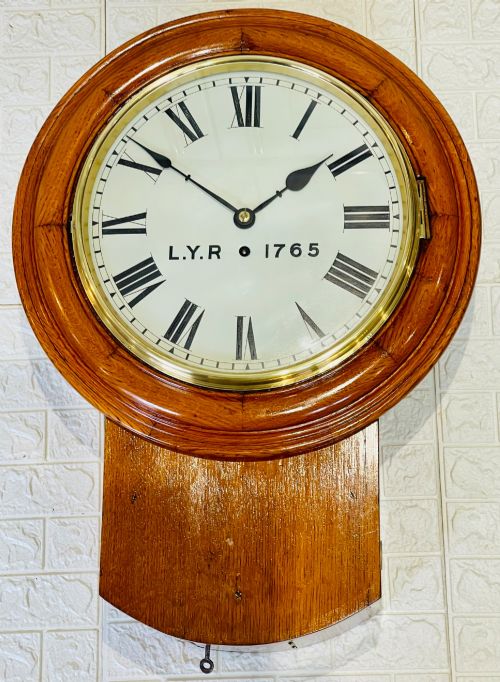
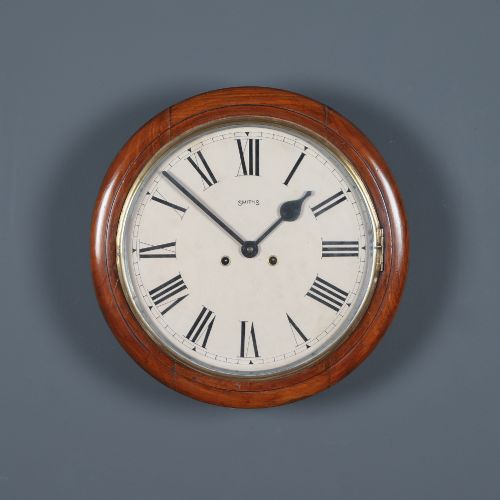
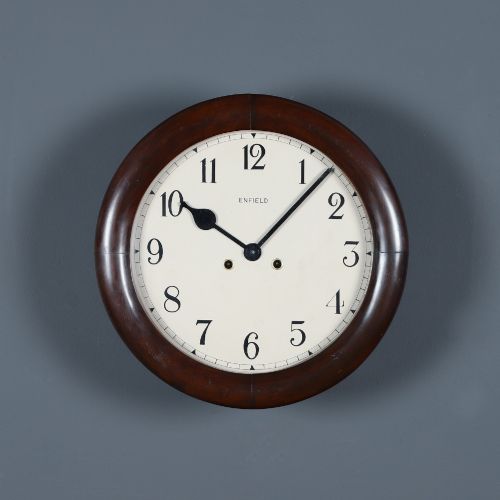
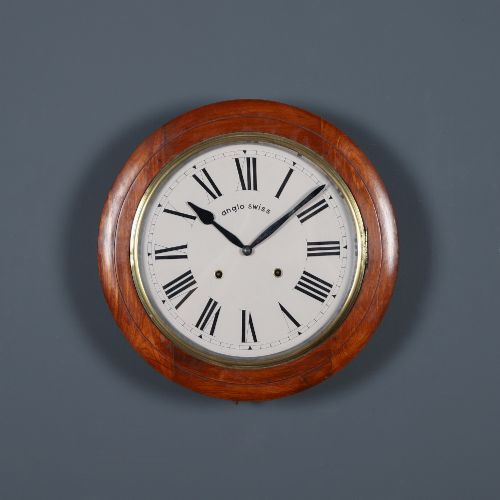
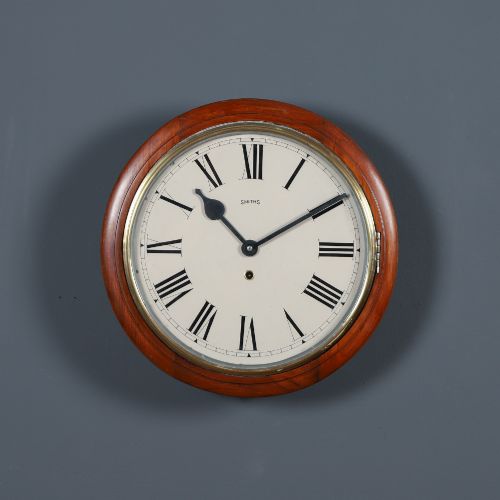
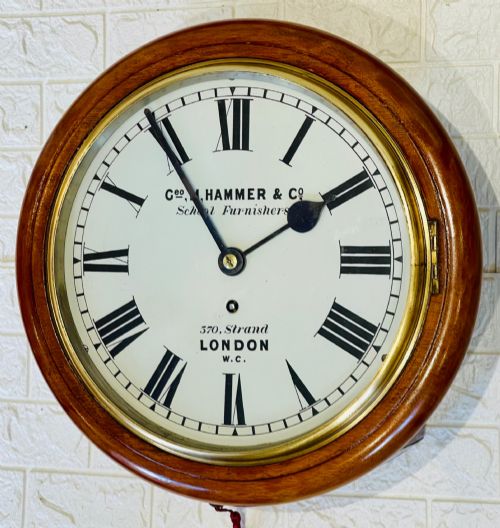
Vintage Dial Wall Clock
A vintage dial wall clock delivers both utility and striking industrial presence, combining precision timekeeping with robust architectural character.
Vintage Dial Wall Clock
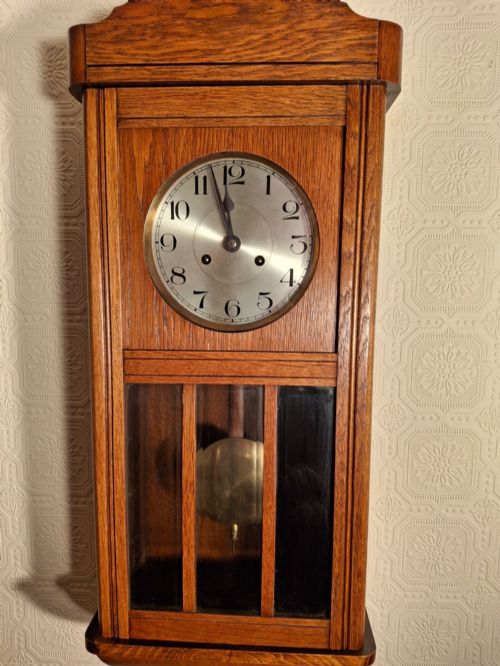
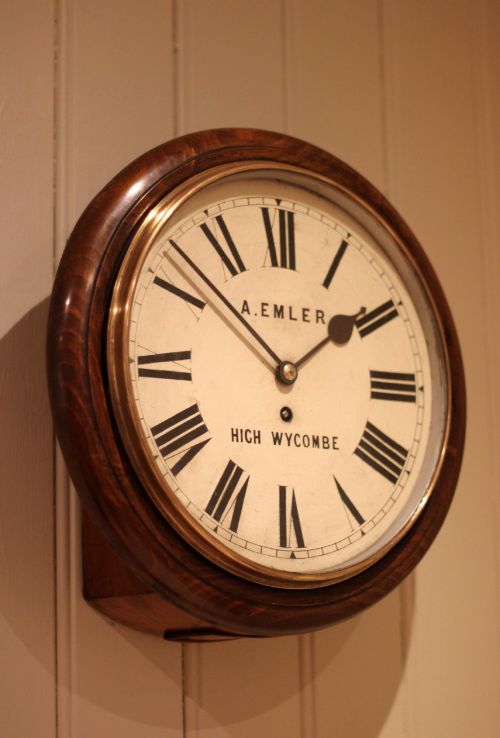
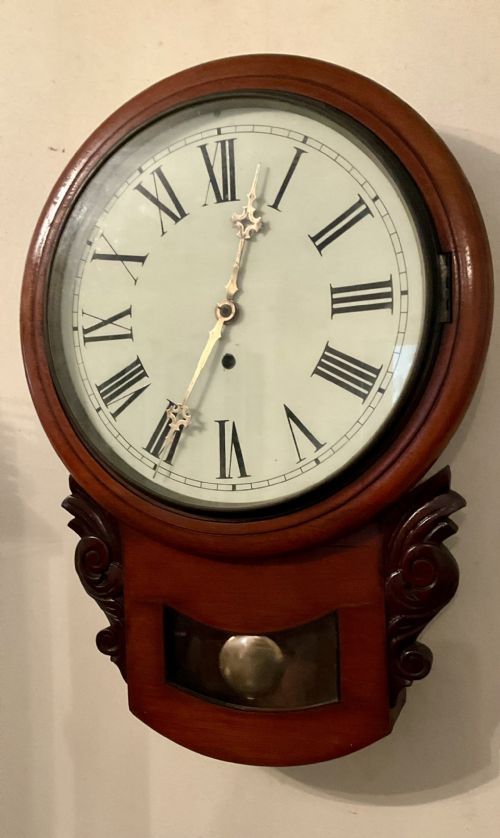
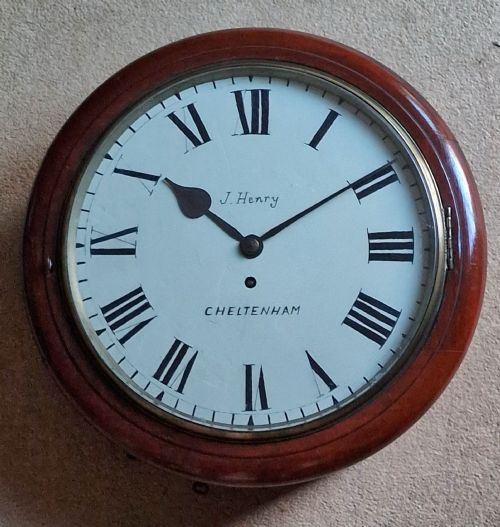
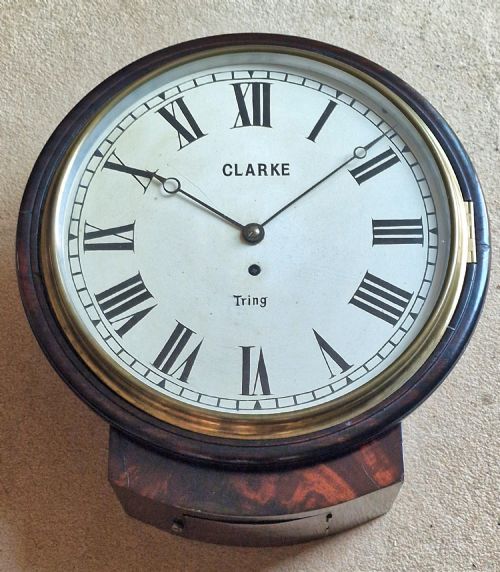
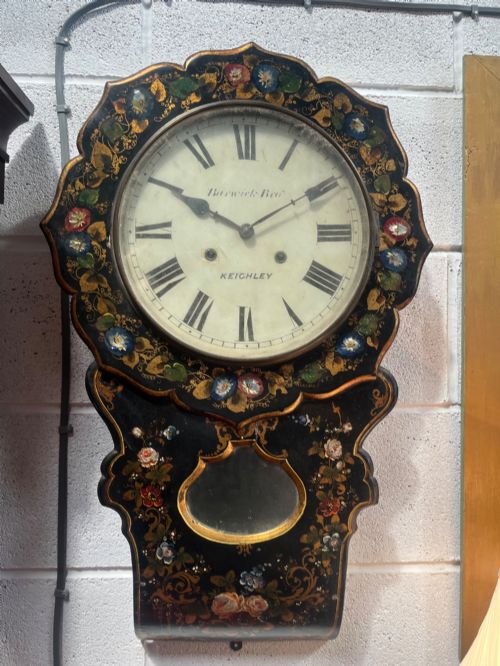
A vintage dial wall clock serves as a functional centrepiece derived from commercial, railway, and domestic spaces of the past. When searching for a vintage dial wall clock, buyers encounter robust round-faced timepieces intended for clear legibility from a distance.
The selections available span multiple eras, with Victorian and early twentieth-century examples appearing most frequently. These pieces range from simple school room timepieces to specialised railway and postal service instruments housed in sturdy wooden surrounds.
Originating largely from British workshops and transport networks, these round wall clocks carry the utilitarian aesthetic of stations, offices, and administrative buildings. Their straightforward geometry and clear enamel or painted dials suit contemporary interiors seeking historical gravity.
How they were made
Cases rely primarily on dense hardwoods such as mahogany and oak, turned or joined to protect the delicate movement within. Brass and steel components form the mechanical heart, while glass protects the paper, metal, or painted enamel dial.
Fusee movements and lever escapements provide the reliable tension needed for accurate timekeeping in public and working environments. Makers mounted these movements securely inside deep wooden rims equipped with side doors for easy winding and regulation.
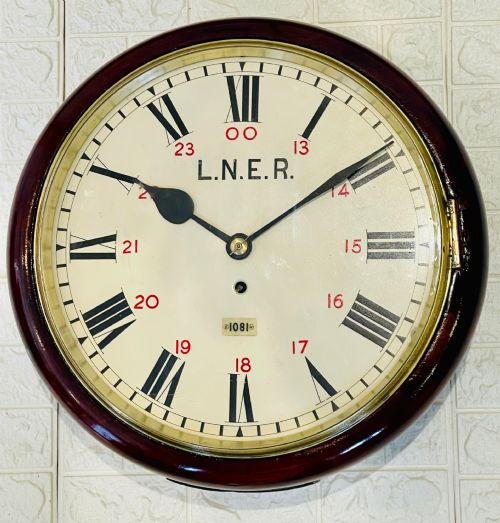
Railway and municipal networks account for many surviving examples stamped with operational station names.
What varies in quality
The refinement of the mechanical movement largely determines the standing of a piece, distinguishing standard timepieces from sophisticated fusee mechanisms designed for precision. Originality of components and the preservation of the dial surface carry significant weight.
Case construction and timber selection also differentiate examples, with solid mahogany housings and carved details representing higher manufacturing standards than utilitarian alternatives. The legibility and untouched state of the painted or enamel face complete the assessment.
Elliott·Smiths·Enfield·Zenith·Thomas Hedge
The Vintage Dial Wall Clock Glossary
- Fusee
- A conical pulley used with a chain or cord to maintain even power as the mainspring unwinds. This mechanism ensures consistent force is applied to the gear train for greater accuracy.
- Dial
- The face of the clock where the numerals and hands are displayed. On these pieces, dials are frequently painted on metal or wood and protected by a glass bezel.
- Drop dial
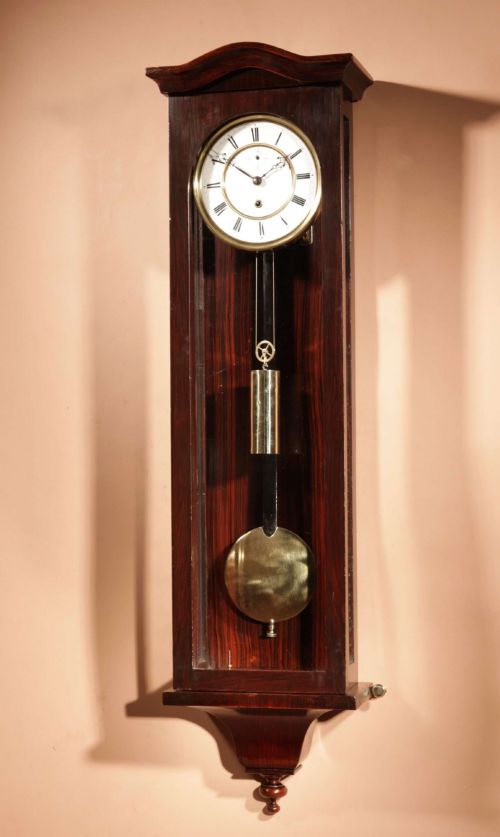
- A clock design where the circular dial sits above an extended wooden box that houses the pendulum or weight drop. This form was widely adopted for railway and office use.
- Escapement
- The mechanical linkage that regulates the speed of the clock by halting and releasing the gear train at regular intervals. Common types include lever and verge mechanisms.
- Bezel
- The brass or wooden ring that holds the glass cover in place over the dial. It usually opens on a hinge to allow access for hand setting and winding.
Vintage Dial Wall Clock: Frequently Asked Questions
How do I wind a fusee wall clock?
Most fusee wall clocks require a specialised key inserted into the dial hole to wind the chain or cord around the fusee cone. Care must be taken not to overwind the mechanism.
Ensuring the clock hangs plumb on the wall helps the pendulum swing evenly after winding is complete.
Where were these clocks originally used?
These timepieces hung in railway stations, military offices, factories, and municipal buildings where clear timekeeping was essential for operations. Railway companies such as the L.N.E.R and GPO postal service utilised them extensively.
Their sturdy construction allowed them to withstand busy, vibration-prone working environments.
How do I date a dial wall clock?
Dating relies on examining the casework style, the lettering on the dial, and maker signatures stamped on the movement or timber case. Fusee movements and specific timber choices often point towards Victorian or Edwardian origins.
Company ciphers or station names provide further historical context for railway examples.
How do I hang a heavy wall clock?
A heavy wooden wall clock must be secured directly into wall studs or masonry using appropriate heavy-duty fixings. Hanging the piece from a sturdy screw or bracket supports the considerable weight of the movement and timber case.
Checking that the case sits flat against the wall prevents rattling and ensures the pendulum beats correctly.