








Vintage Coastal Landscape
A vintage coastal landscape captures the light, sea and shore through traditional painting traditions spanning multiple decades.
Vintage Coastal Landscape
A vintage coastal landscape brings maritime scenes, harbours and shorelines into domestic spaces through painted fine art. When searching for a vintage coastal landscape, collectors encounter works executed across the nineteenth and twentieth centuries.
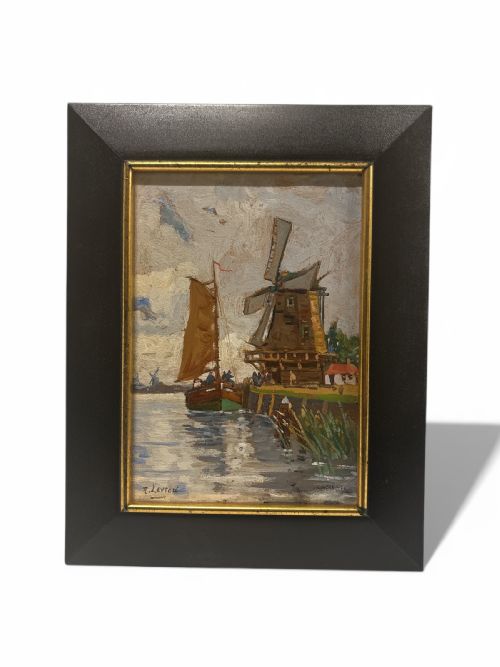
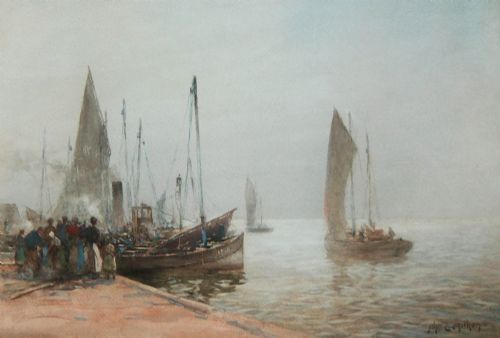
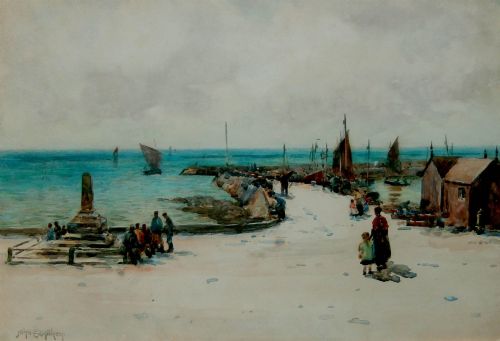
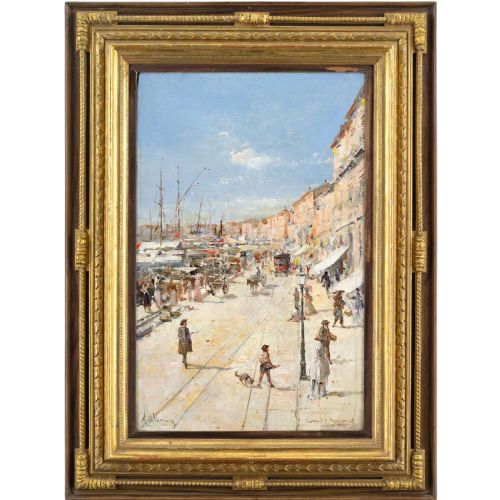
The selections on this page feature oils and watercolours depicting specific British and continental ports, fishing fleets and cliffs. These range from early twentieth-century watercolours of Yorkshire bays to mid-century oil paintings on board.
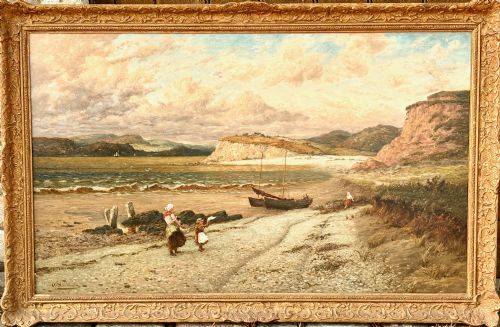
Framed watercolours on paper sit alongside oil paintings on canvas and board within the visual records. Subjects extend from quiet Cornish coves and Scottish havens to bustling harbour views.
Materials and Methods
Artists built these compositions utilising oil paint on canvas, board, or paper supports, frequently applying pigment en plein air to capture immediate atmospheric conditions. Watercolour was equally prevalent, allowing practitioners to render translucent marine light and coastal weather on paper.
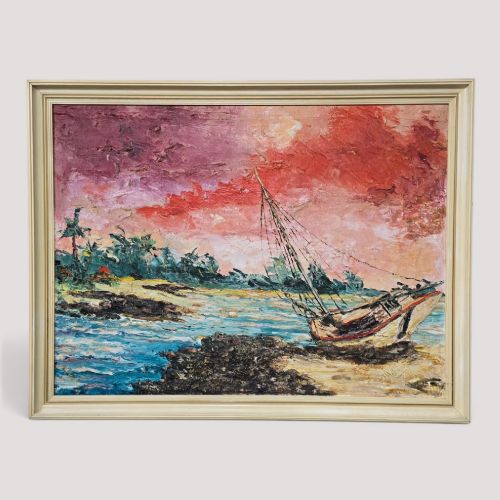
Gilt wood frames frequently house these paintings, protecting the canvas or paper while complementing the palette of the sea and shore. Works from the period often display characteristic impasto brushwork or delicate washes depending on the chosen medium.
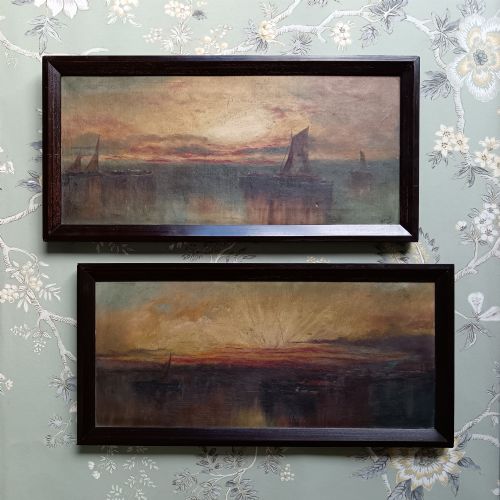
Several canvases manage to capture the exact salty breeze of a nineteenth-century Yorkshire harbour without dampening the wallpaper.
Assessing Artistic Merit
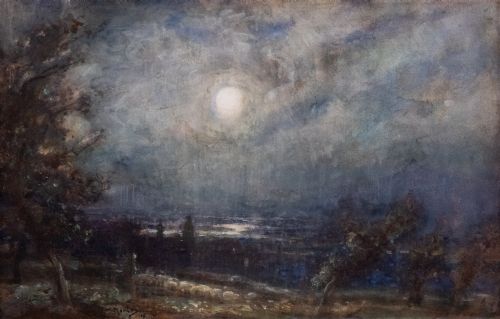
Quality rests upon the handling of light, atmosphere and perspective within the marine environment. Stronger examples demonstrate confident brushwork and precise topographical observation rather than formulaic execution.
The relationship between the medium and the subject determines visual success, whether through the heavy application of oil paint in stormy seas or the controlled transparency of watercolour in calm harbours.
Kenneth Cozens·Clifford Hanney·Sidney A Court·Thomas William Morley·Clive Browne·Peter Brannan·Bernard Benedict Hemy·William Henry Williamson·John Holland·Walter Goodin
The Vintage Coastal Landscape Glossary
- En plein air
- Painting outdoors to directly capture the changing light and atmosphere of the coastal landscape.
- Impasto
- The application of thick paint that stands proud of the canvas surface, creating texture in waves and skies.
- Gilt wood
- Carved wooden framing finished with gold leaf or metallic gilt, typical of nineteenth and early twentieth-century presentations.
- Maritime
- Pertaining to ships, shipping and the sea, frequently forming the central focus of coastal compositions.
- Provenance
- The documented history of a painting's origin, ownership and exhibition record.
Vintage Coastal Landscape: Frequently Asked Questions
What periods do these paintings cover?
The works span from the nineteenth century through the Edwardian era and into the mid-twentieth century. Artists recorded coastal scenes across multiple decades of changing artistic styles.
Pieces range from nineteenth-century watercolours to mid-century modernist interpretations of British and European shores.
Are these paintings original works?
The inventory consists of original hand-painted watercolours and oil paintings rather than modern reproductions. Each piece represents an individual artist's direct observation of the coast.
Signatures, dates and framing often provide additional context regarding the creation of individual works.
How should I hang coastal paintings?
These framed works suit domestic settings where natural light can illuminate the brushwork and paper surfaces. Proper placement away from direct sunlight protects both watercolours and oil paints from environmental damage.
Matching the frame finish to your interior helps integrate nineteenth and twentieth-century pieces into modern spaces.
What subjects appear in these scenes?
Common subjects include fishing boats, harbours, cliffs, sandy bays and maritime shipping lanes. Locations span British coastal spots like St Ives, Whitby and Scarborough alongside continental ports.
Artists frequently documented local maritime industries and daily harbour life during their respective periods.