





Blue Coastal Artwork
Blue coastal artwork brings together maritime scenes and coastal landscapes captured in watercolours and oils from the nineteenth century onward.
Blue Coastal Artwork
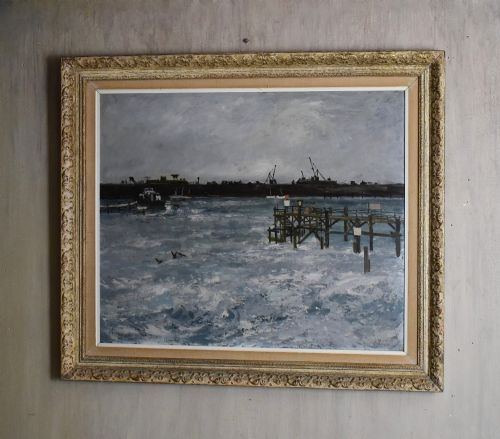
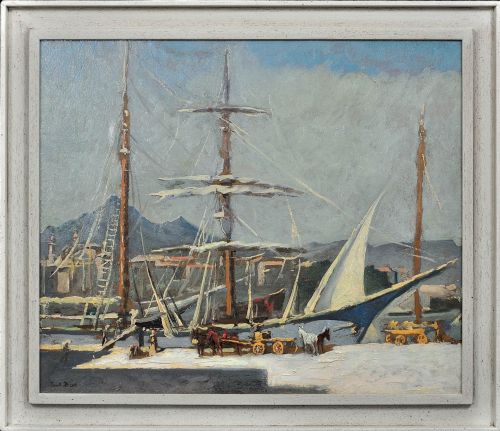
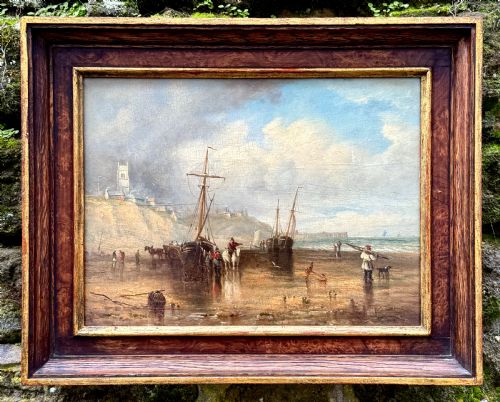
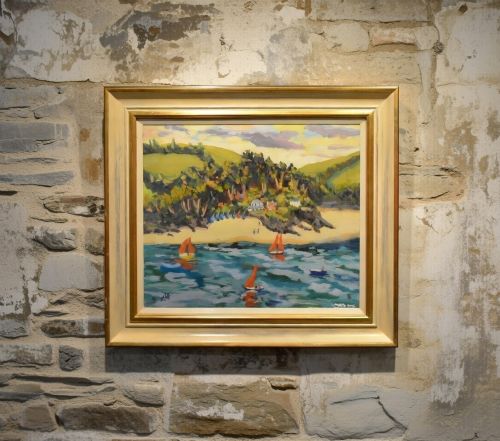
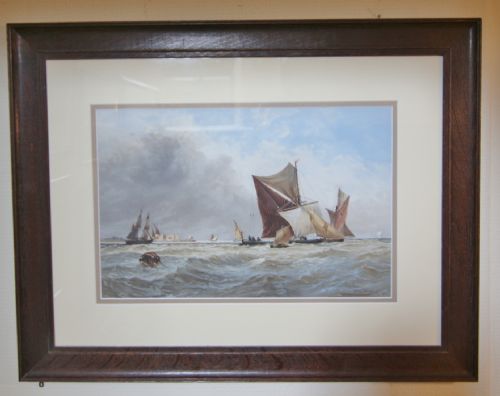
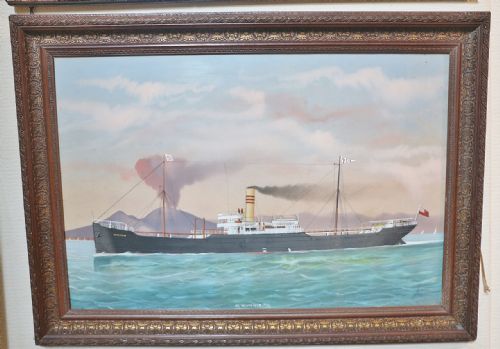
Blue coastal artwork comprises paintings depicting harbours, seascapes, and shorelines created across the nineteenth and twentieth centuries. These pieces record maritime activity, fishing vessels, and coastal topography through traditional painting mediums.
Buyers encountering this category will find framed paper and canvas works showing ports, cliffs, and open waters. The subject matter centres heavily on nautical life and maritime settings.
Materials and methods
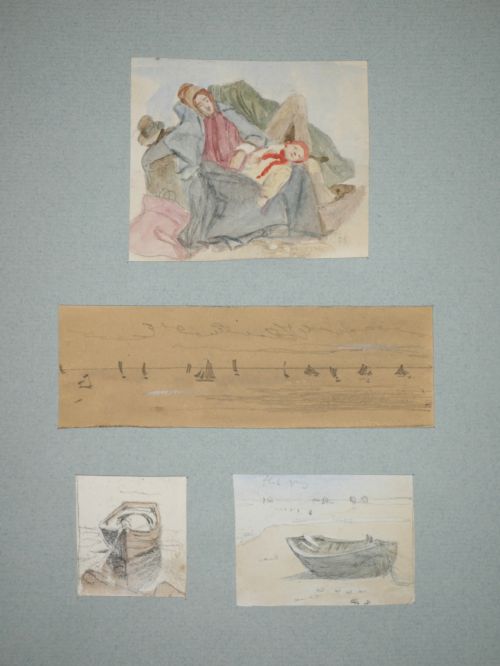
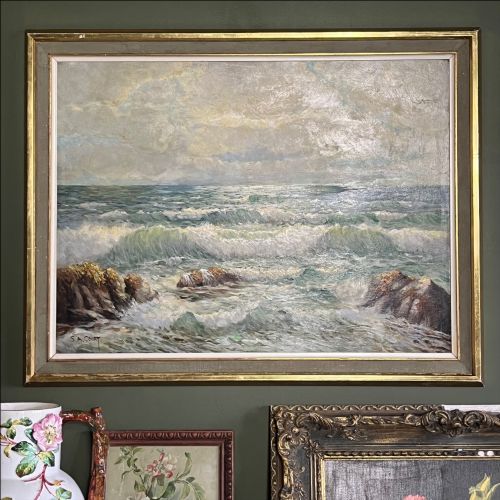
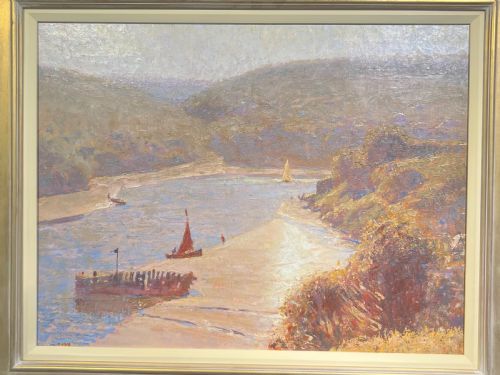
Artists executed these works primarily using watercolour pigment on paper or oil paint applied to canvas and panel. Many nineteenth-century examples utilise traditional watercolour washes, while later twentieth-century pieces often employ heavier impasto oils.
Support materials include prepared wood panels, stretched canvas, and heavy-weight artist paper. Framing typically consists of period wood mouldings that protect the painted surface.
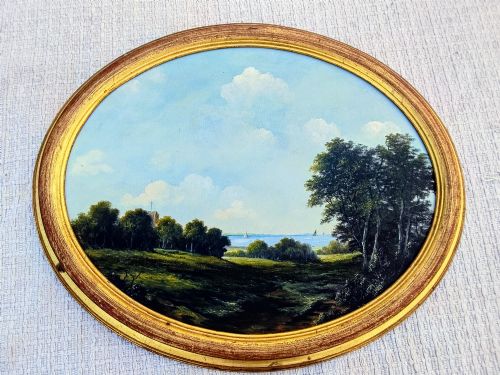
Listings feature works spanning the nineteenth century through the 1960s, executed in oil and watercolour on paper, canvas, and wood.
Assessing quality
Quality in these coastal paintings rests upon the artist's handling of light, atmospheric perspective, and maritime movement. Masterly brushwork captures the transient effects of weather and water more convincingly than rigid delineation.
The condition of the pigment and the original paper or canvas support determines the integrity of the piece. Strong composition and clear provenance relating to identified coastal regions elevate individual works.
James Hardy·James Orrock·James Smetham·Sidney A Court·John E Aitken·William Banks Fortescue·Peter Brannan·Paul Bret·Bernard Benedict Hemy·Thomas Creswick·TB Hardy·Cecil Allan Mould·Charles Euphraisie Kuasseg·Alfred G Morgan·Carlo Ferranti·William Matthison·William Henry Williamson·Frank Kelsey·Walter Goodin·Henry Barlow Carter·George F Pennington·William Frederick Settle·Lionel Horsnell·Raymond Moritz·Joseph Edward Hennah
The Blue Coastal Artwork Glossary
- Seascape
- A painting depicting the sea, ships, or coastal views. This genre forms the core of maritime visual art.
- Watercolour
- A paint consisting of colour pigments suspended in a water-soluble binder. Artists apply it in translucent washes upon paper.
- Impasto
- Paint applied thickly to a canvas or panel so that the brush or palette knife marks remain visible. This technique adds tactile depth to the surface.
- En plein air
- The act of painting outdoors to capture direct natural light and atmosphere. It became prominent among impressionist artists.
- Maritime
- Relating to the sea, shipping, and navigation. It defines the subject matter of harbour and vessel paintings.
Blue Coastal Artwork: Frequently Asked Questions
What is blue coastal artwork?
Blue coastal artwork encompasses paintings that focus on marine subjects, harbours, and shorelines. These pieces utilise oil and watercolour to document maritime scenes.
Creators from the nineteenth and twentieth centuries recorded coastal topography, shipping, and fishing communities across Britain and Europe.
How were maritime watercolours displayed?
Period watercolours on paper required framing beneath glass to protect the delicate pigment from moisture and light damage. Mounts kept the paper separated from the glazing.
These works were traditionally hung in domestic parlours and marine offices to commemorate coastal travels and naval vessels.
How do I identify a 19th-century oil painting?
Nineteenth-century oil paintings typically appear on heavy canvas or wood panels showing oxidation and craquelure within the paint layers. Backings often feature period framer labels and handwritten titles.
Stylistic conventions of the period favour detailed maritime accuracy or romanticised handling of coastal light and weather.
Where were these coastal scenes painted?
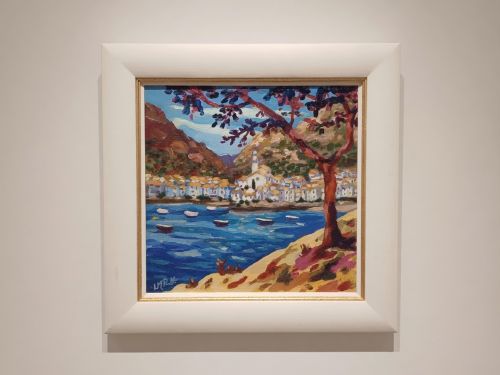
Artists often set up their easels directly on beaches, harboursides, and cliffs in established fishing ports. Popular locations included Cornish villages, Yorkshire bays, and Mediterranean harbours.
Painting en plein air allowed creators to observe local shipping traffic and changing tidal conditions firsthand.