





Mid Century Seascape
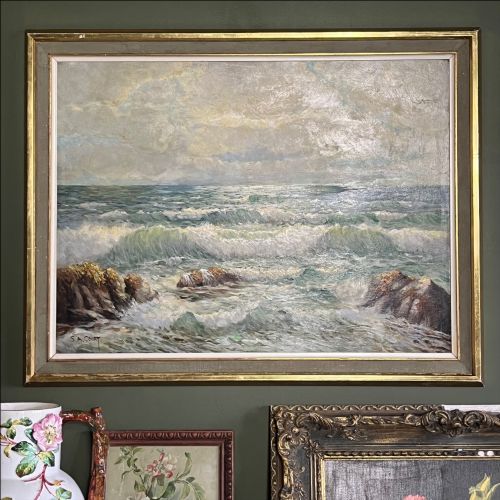
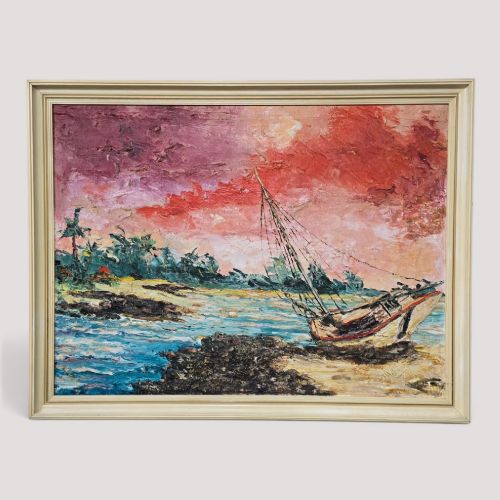
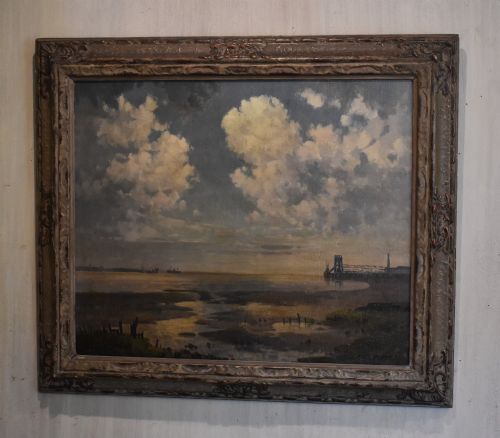
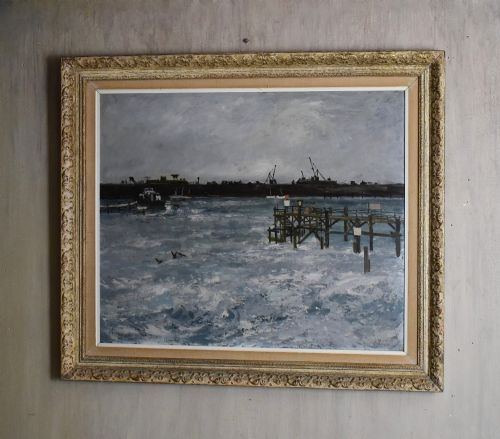
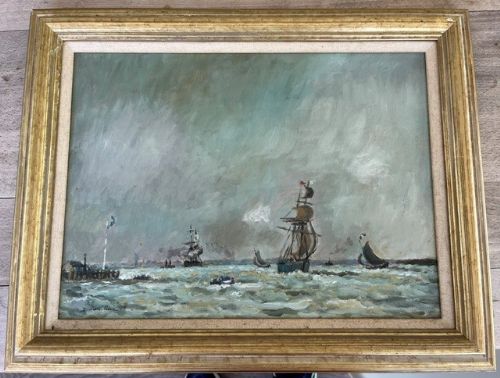
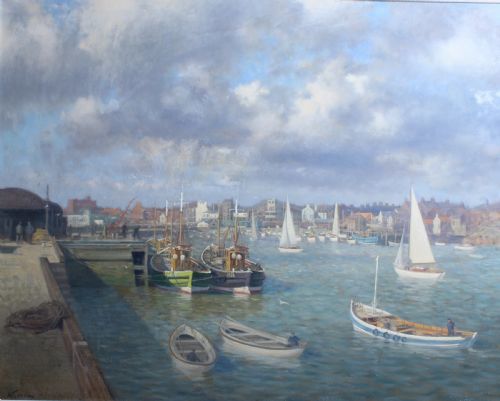
A mid century seascape captures the shifting light and salt air of the coast through the expressive brushwork of the twentieth century.
Mid Century Seascape
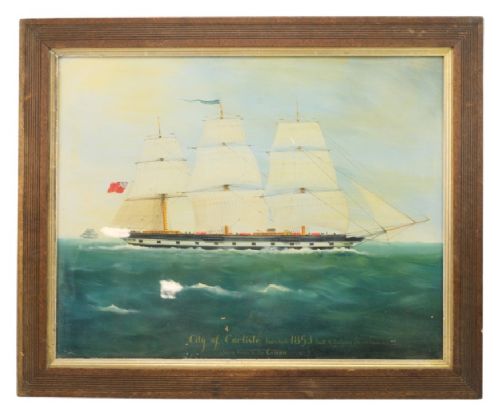
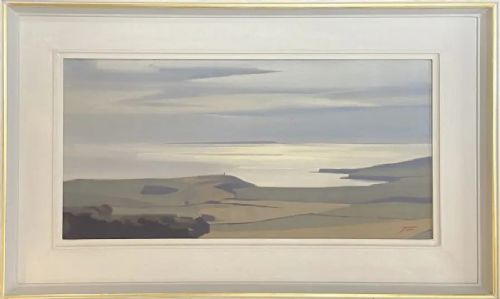
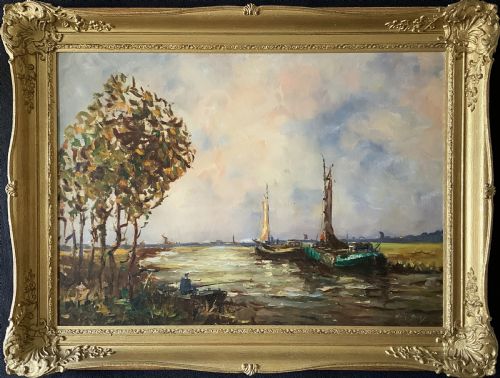
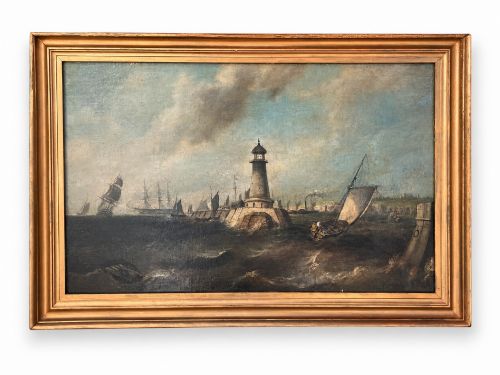
When searching for a mid century seascape, buyers encounter works that focus on coastal views, harbours, and open water created primarily across the decades from the 1930s to the 1960s.
The pieces on this page lean heavily into mid-century impressionism, modern British scenes, and French coastal views produced by regional artists capturing local fishing ports and estuaries.
While earlier Victorian and eighteenth-century maritime works appear occasionally, the core of the selection remains grounded in the mid-twentieth century and the modernist approaches of that era.
How They Were Made
Artists working on these coastal scenes relied heavily on oil paint applied to canvas, artist board, or wood panels, often utilising an en plein air approach to capture immediate atmospheric conditions.
Watercolour and gouache on paper also feature prominently in the creation of these maritime views, offering a lighter medium for swift studies of light on water and sand.
Frames play a structural role in presenting these works, utilising gilt or wood surrounds that complement the textured impasto and painted surfaces of the period.
Several coastal scenes capture the exact moment a fishing boat returns with its catch before tea time.
What Varies in Quality
The distinction between standard works and exceptional pieces often rests upon the confidence of the brushwork and the artist's ability to render atmosphere without excessive detail.
Provenance and signature clarity elevate certain paintings, particularly when works are tied directly to documented regional schools or known mid-century practitioners.
The harmony of the composition and the preservation of the original paint surface, whether impasto oil or delicate watercolour, determine the overall visual impact of the piece.
Kenneth Cozens·Sidney A Court·Clive Browne·Peter Brannan·James Fry·Willem Bos·Erich Mercker·Walter Goodin·Lionel Horsnell·Helen Layfield Bradley·Gyrth Russell·Raymond Picque·Fernando Del Basso·George Shaw·Edward Seago·Roger de la Corbiere·Dion Pears·Sir William Russell Flint·Edward M Elliott·S J Lamorna Birch·Yves Brayer·Donald McIntyre·Norman Carter·Ben Maile·Edith E Hoyle
The Mid Century Seascape Glossary
- Impasto
- Paint applied thickly to a canvas or board, standing out in relief from the surface and capturing light on its textured peaks.
- En plein air
- The practice of painting outdoors directly from the subject to capture natural light and shifting weather conditions.
- Estuary
- The tidal mouth of a large river, where the tide meets the stream, frequently chosen by mid-century artists for its unique expanse of water and sky.
- Gouache
- An opaque water-based paint that dries to a matte finish, allowing for bold blocks of colour in works on paper.
- Provenance
- The chronological history of the ownership of a piece, establishing its authenticity and exhibition record.
Mid Century Seascape: Frequently Asked Questions
What subjects appear in mid century seascapes?
These works typically depict working harbours, moored fishing boats, sandy estuaries, and open coastal waters under various weather conditions.
Artists frequently focused on specific regional ports across Britain and France, recording the daily maritime life of the mid-twentieth century.
How should I care for a canvas painting?
Keep oil paintings away from direct sunlight and sources of extreme heat to prevent the canvas and paint from drying out or cracking.
Dust the surface gently with a soft, dry brush and avoid using water or chemical cleaners on the paint layer.
Were these works painted outdoors?
Many mid-century coastal paintings were executed en plein air to capture the immediate colours and changing light of the seaside.
Artists often completed smaller wood panel and paper studies directly on the beach or harbour wall before working on larger canvases in the studio.
How can I tell the period of a painting?
Dating relies on stylistic clues such as modernist brushwork, the handling of colour, and materials like artist boards characteristic of the mid-twentieth century.
Signatures, framing materials, and artist biography records provide additional confirmation of the era in which the piece was created.