




Original Coastal Watercolour
An original coastal watercolour captures the changing light of the shore on paper, bringing maritime atmosphere into a room.
Original Coastal Watercolour
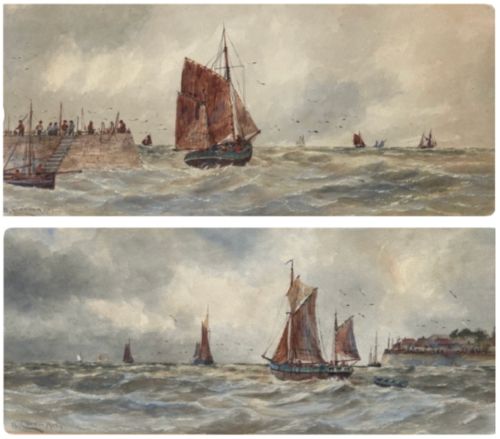
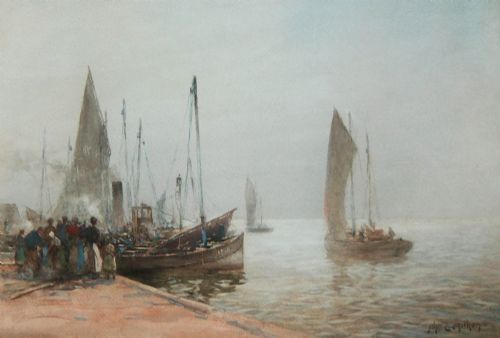
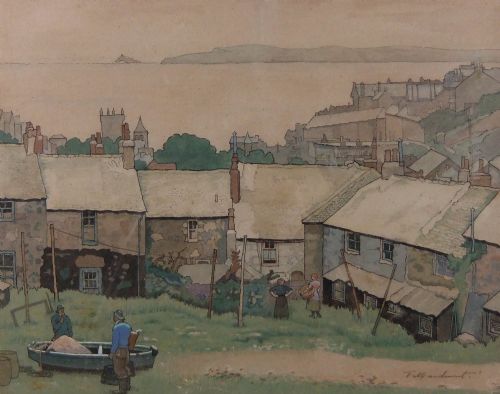
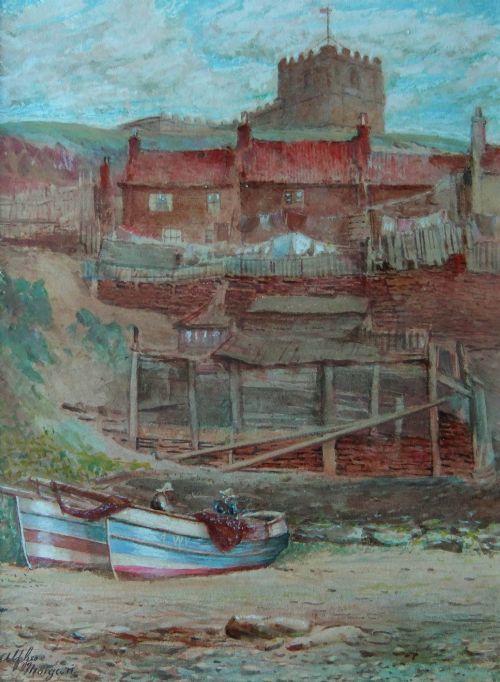
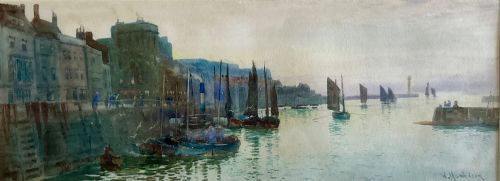
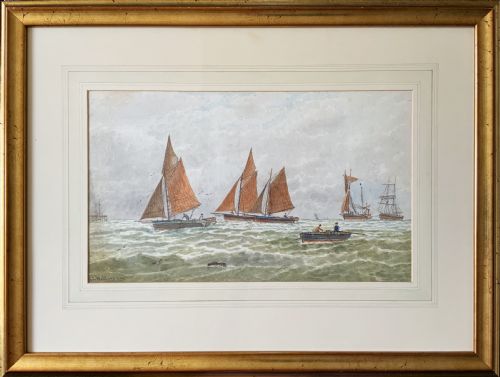
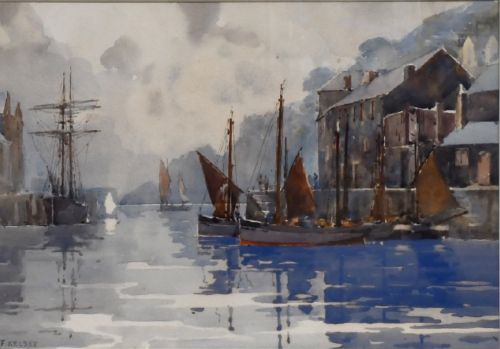
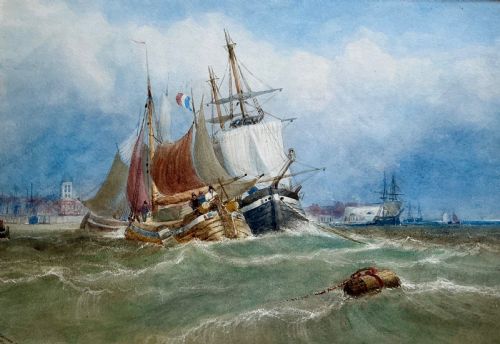
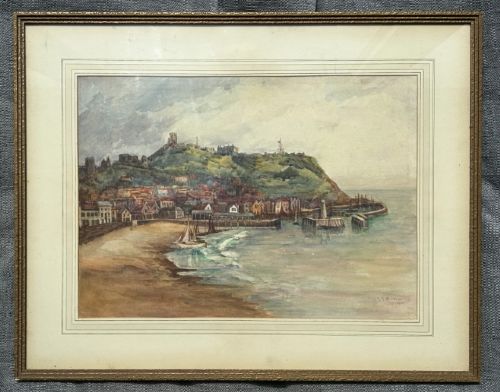
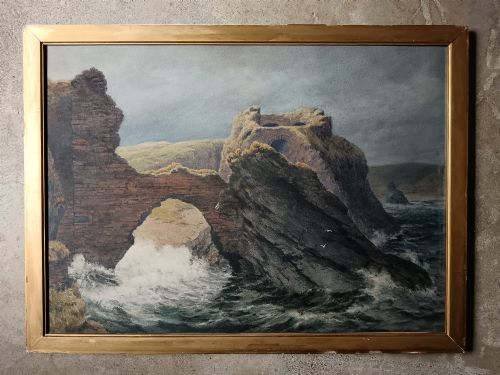
An original coastal watercolour depicts harbours, fishing boats, and shorelines across the nineteenth and twentieth centuries. These works range from late Victorian marine art to early twentieth-century British impressionist views of Yorkshire and Cornish ports.
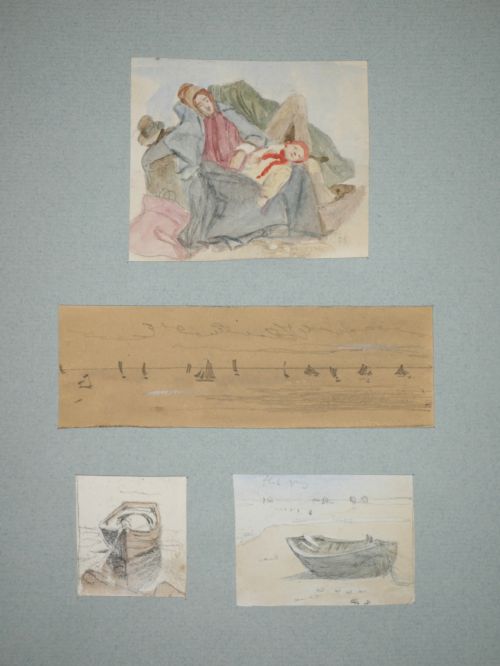
Buyers encounter subjects spanning Scottish havens, Whitby docks, and French coastal scenes executed on paper. The selection includes works by named regional artists as well as atmospheric sketches from the St Ives school.
Traditional depictions focus on everyday maritime life, featuring luggers, cobles, and coastal cottages. These paintings document historic fishing communities and coastal landscapes through pigment on paper.
How they were made
Artists applied watercolour pigment onto paper using fluid washes to capture transparent effects of sea and sky. Gouache was occasionally added to create opaque highlights on clouds and breaking waves.
Finished works were mounted behind glass within wood or gilt wood frames to protect the delicate surface from moisture and light damage.
Salt air sometimes lingered in these studios decades after the painting dried.
What varies in quality
Brushwork confidence and control over pigment dilution separate accomplished maritime painting from stiff illustration. The most successful examples capture atmosphere and movement with economy of line.
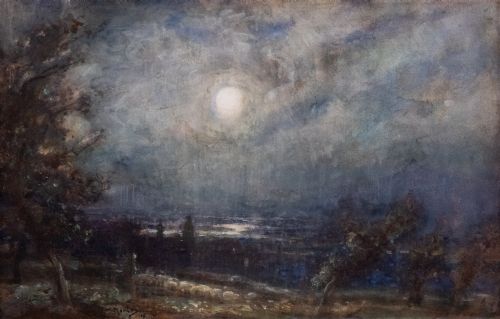
Compositional balance and atmospheric lighting determine the distinction between routine topographical views and evocative seascapes.
James Orrock·William Cannon·James E. Aitken·Thomas William Morley·Hector Caffieri·Thomas Maidment·Alfred G. Morgan·William Matthison·George Stanfield Walters·Frank Kelsey·Henry Barlow Carter·John Moxon·William Frederick Settle·Thomas Bush Hardy·Edward Seago
The Original Coastal Watercolour Glossary
- Watercolour pigment
- Finely ground colour particles suspended in a water-soluble binder, forming the primary medium for these works on paper.
- Gouache
- An opaque watercolour paint containing white pigment, used by artists to add dense highlights to sky and water.
- Coble
- A traditional open fishing boat with a high bow and flat stern, frequently seen in northern English coastal scenes.
- Lugger
- A small sailing vessel rigged with lugsails, commonly depicted in nineteenth-century maritime watercolours.
- St Ives School
- An art movement associated with Cornish coastal communities, producing landscape and marine painting.
Original Coastal Watercolour: Frequently Asked Questions
How should I frame an old watercolour?
Protect works on paper behind glass with acid-free mounts to prevent deterioration.
Keep the framed picture away from direct sunlight to preserve the water-soluble pigments.
How do I date an antique maritime painting?
Examine the style of the vessels, artist signatures, and framing materials for period clues.
Victorian and Edwardian watercolours often carry specific paper stamps and stylistic markers unique to their decade.
Where were these coastal scenes usually painted?
Artists worked directly on location around British fishing ports such as Whitby, St Ives, and Scarborough.
Many paintings record specific harbours in Scotland, Yorkshire, Cornwall, and Normandy.
What distinguishes marine art from other watercolours?
Marine paintings focus specifically on shipping, tides, boats, and the maritime economy.
These works require detailed knowledge of rigging, hull construction, and coastal weather patterns.