



English Marine Art
When you search for english marine art, you enter a vibrant world of coastal watercolours, harbour oils and turbulent sea scenes spanning several centuries.
English Marine Art
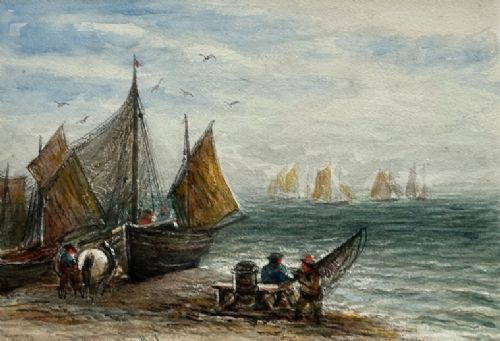
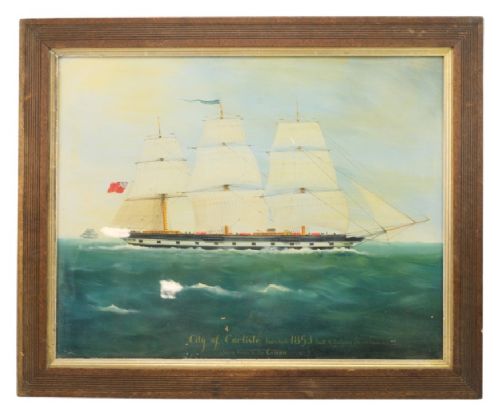
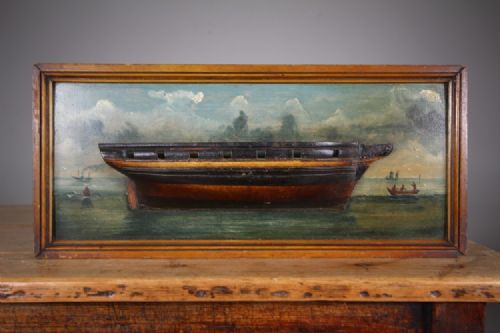
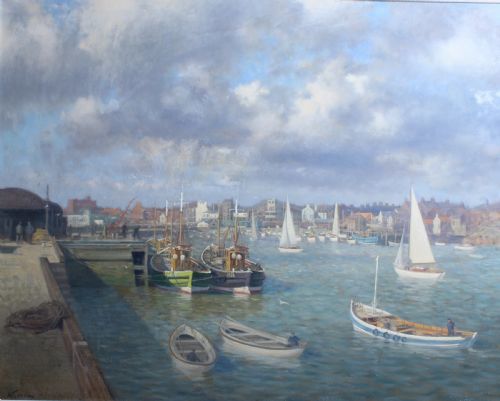
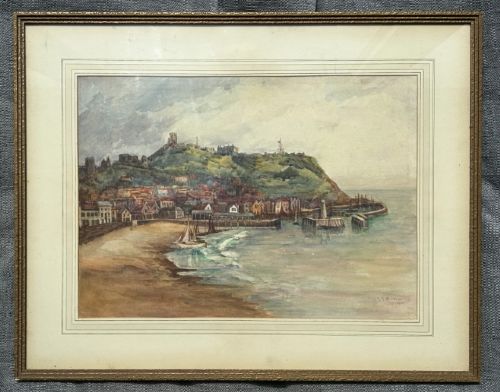
English marine art captures the maritime heritage, bustling ports and dramatic coastline of the British Isles through the eyes of regional painters and dedicated coastal observers. When you examine this category, you encounter a predominance of nineteenth-century watercolours alongside oil paintings on canvas, board and card depicting specific harbours, fishing fleets and coastal architecture.
The subjects range from busy Yorkshire ports like Whitby and Scarborough to tranquil West Country estuaries in Cornwall and Devon, as well as historic naval movements and quiet river scenes. Works frequently document recognisable locations such as St Ives, Brighton and the River Medway, often executed during the Victorian, Edwardian and mid-century periods.
How english marine art was made
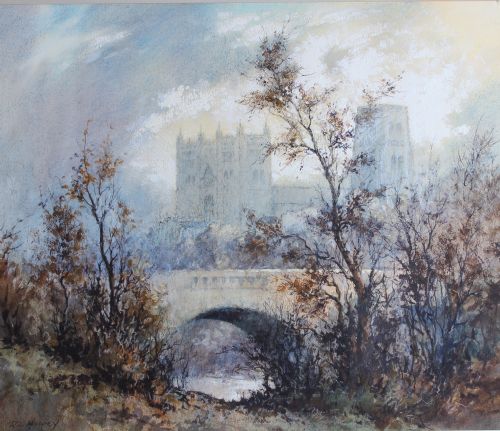
Artists utilised traditional watercolour pigments on paper to capture the luminous atmospheric conditions of the coast, applying washes for shifting skies and precise brushwork for shipping vessels. Alternatively, works rendered in oil on canvas or board rely on thicker applications of paint, occasionally incorporating impasto techniques to texture stormy seas and dramatic cloud formations.
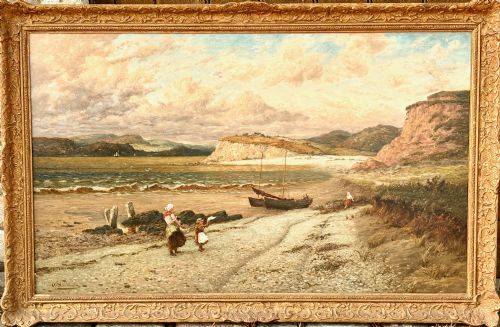
Framing forms an integral part of these pieces, with many period works retained in original giltwood frames that complement the maritime subject matter. Supporting materials like card and panel also appear among the selections, particularly for smaller plein air sketches completed directly on location.
Several Victorian artists clearly enjoyed painting stormy seas from the safety of dry land, well away from the crashing spray.
What varies in quality in english marine art
Quality rests upon the artist's command of light, atmosphere and maritime architecture, separating routine topographical records from compelling visual narratives of the sea. Superior watercolours demonstrate confident handling of translucent washes and rapid notations of water movement, whereas lesser examples rely on stiff outlines and flat colour application.
Condition and provenance further distinguish the selection, particularly the preservation of the original paper surface or canvas integrity without excessive retouching. The presence of clear signatures, exhibition history and period framing contributes significantly to the standing of an individual piece within the wider field.
James Orrock·William Banks Fortescue·Robert Leslie Howey·Walter Goodin·F A Roylance·Alfred George Morgan·John Bedloe Goddard·William Edward Webb·Charles Napier Hemy·Richard Harry Carter·James Fry·Fred Lawson·W Collard·George Morland·George Hamilton Constantine·John Bell·Frederick William Hattersley·Frederick William Booty·Charles Harmony Harrison·William Wyld·Alfred Henry Vickers·Alfred Robert Quinton·Percy Brooke·Thomas Bush Hardy·Joseph Newington Carter
The English Marine Art Glossary
- Watercolour
- A painting method in which the paints are made of pigments suspended in a water-based solution. This technique allows for transparent washes that suit luminous coastal skies.
- Impasto
- The process of laying down paint thickly on an area of the surface. Artists employ this method to give tangible texture to crashing waves and turbulent seas.
- Aquatint
- A printmaking technique that produces tonal effects by using acid to etch the copper plate. It creates subtle gradations of tone similar to watercolour washes.
- Giltwood
- Wood that has been covered with a thin layer of gold leaf or gold paint. Period frames finished in this material frequently accompany nineteenth-century oil paintings.
English Marine Art: Frequently Asked Questions
What subjects appear in english marine art?
These works focus primarily on coastal landscapes, busy fishing harbours, estuaries and vessels navigating British waters. Scenes frequently capture specific locations around the coastline, from Yorkshire ports to Cornish fishing villages.
Beyond topographical views, paintings also record maritime history, including naval transport, coastal architecture like lighthouses and piers, and day-to-day maritime labour.
How do I date an antique marine painting?
Dating relies on a combination of costume styles among figures, the design of the shipping vessels depicted, and the construction methods of the stretcher or frame. Signatures, artist biographical dates and inscriptions on the reverse often narrow the execution to a specific decade.
Stylistic movements also offer clues, shifting from Regency topographical precision through the expressive realism of the Victorian era to mid-century interpretations.
Where should I hang a marine painting?
Marine art thrives in spaces with stable humidity away from direct sunlight, which can fade delicate watercolour pigments and yellow oil varnishes over time. Selecting a wall that complements the scale of the canvas or framed work ensures it becomes a natural focal point in the room.
Many collectors pair these coastal scenes with traditional interiors, allowing the maritime palette of blues, greys and warm golds to anchor the decor.
What is the difference between watercolour and oil marine works?
Watercolour paintings utilise water-soluble pigments on paper to achieve delicate atmospheric effects, lighter tones and transparent qualities suited to calm seas and expansive skies. They are typically displayed behind glass for protection.
Oil paintings employ pigment bound in drying oil applied to canvas, board or card, offering richer colour saturation, heavier impasto textures and greater durability for stormy maritime subjects.