



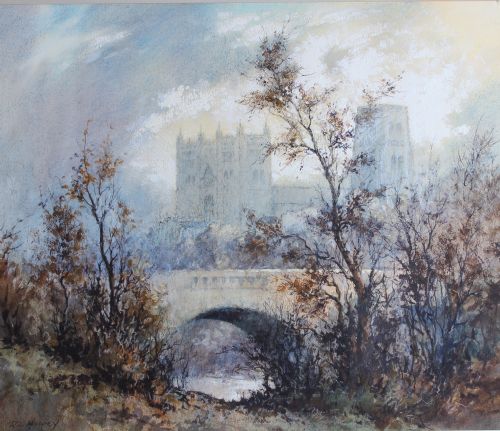
Antique Marine Watercolour Painting
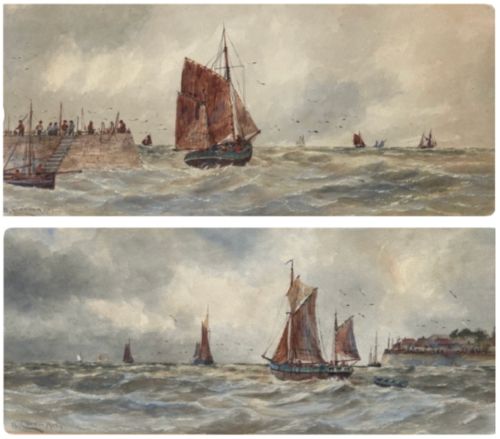
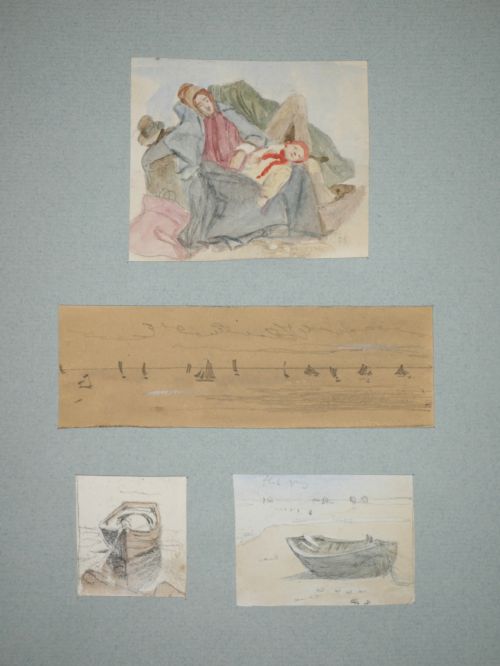
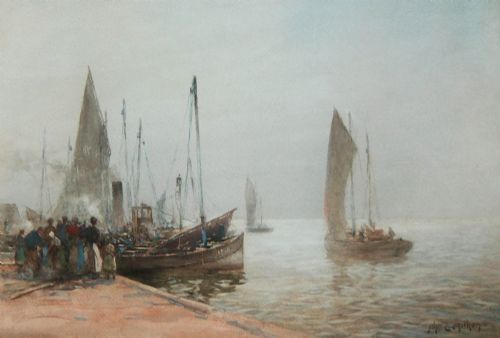
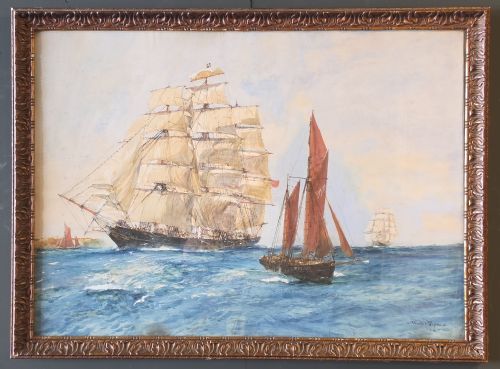
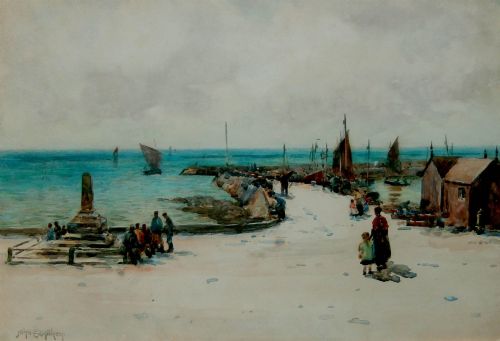
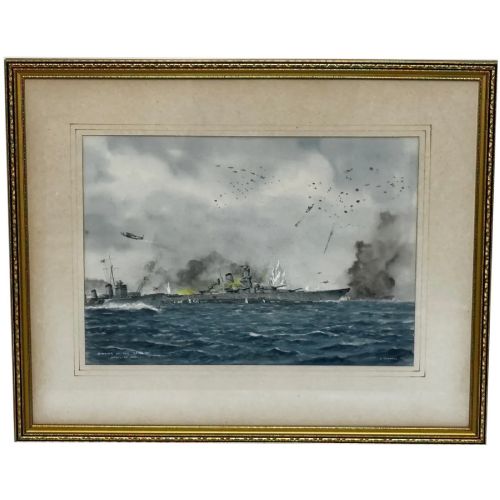
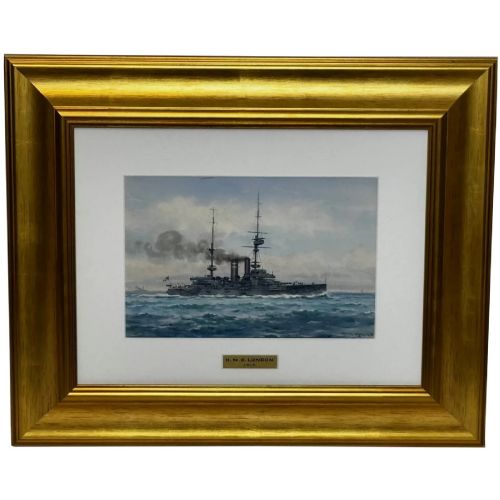
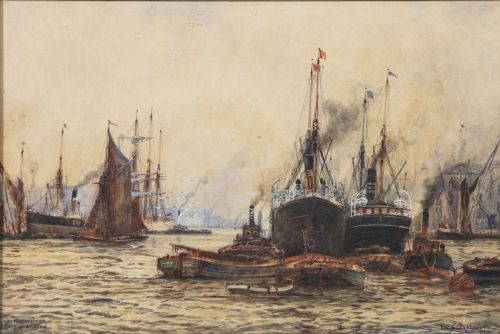
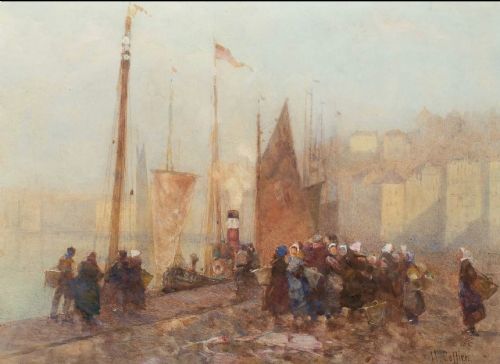
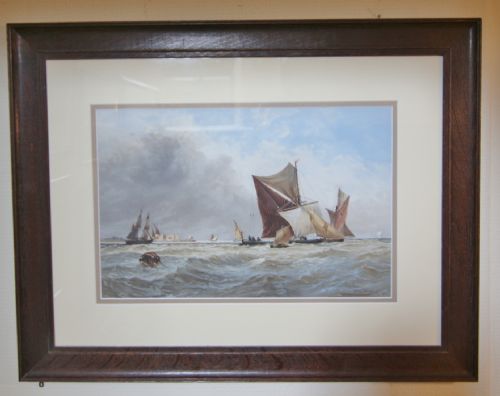
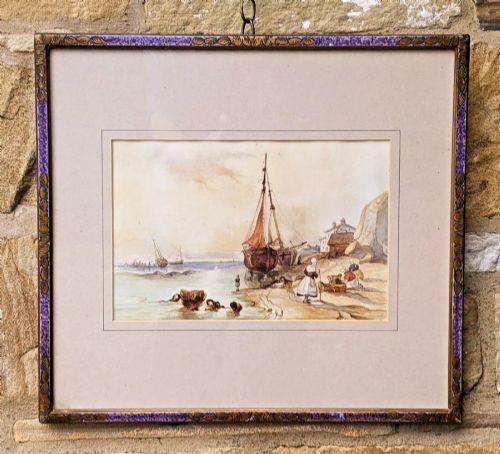
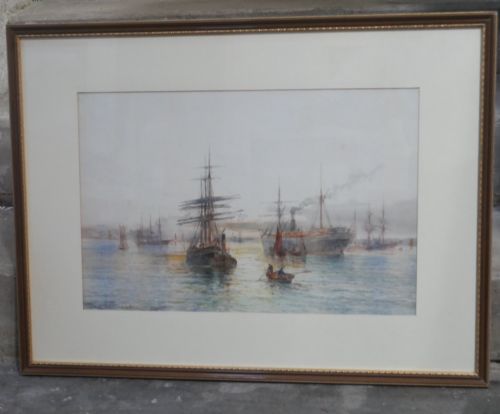
These antique marine watercolour painting pieces capture coastal life and shipping on paper through pigment and wash.
Identifying antique marine watercolour painting works
An antique marine watercolour painting captures maritime scenes, harbours, and coastal views executed on paper using watercolour pigment and paint. These works encompass styles such as Mid-Century Maritime, British Impressionism, and Edwardian Marine Realism, reflecting the varied artistic approaches of their eras.
The pieces available trace dates across the early and mid-twentieth century, including works from 1910, 1930, and 1940. Collectors encounter subjects ranging from specific locales like Whitby, Yorkshire, to general sea and harbour scenes and fishing boat seascapes.
Earlier archive examples demonstrate a lineage extending back to the nineteenth century, featuring artists such as Charles Wild RA RWS. These foundational pieces establish the traditional English approach to depicting ships and coastal waters.
Materials and construction
Artists executed these works primarily on paper supports using watercolour pigment and paint. The application relies on water-soluble binders to create translucent washes that capture the shifting light of the sea and sky.
Framing materials commonly include wood and glass to protect the delicate paper surface from atmospheric moisture and physical damage. This traditional housing preserves the integrity of the pigment over decades of display.
Identified styles span Edwardian Marine Realism, British Impressionism, and Mid-Century Maritime.
Assessing quality and execution
Quality in an antique marine watercolour painting rests upon the confidence of the brushwork and the artist's command of light and atmospheric tone. Superior examples demonstrate a precise observation of maritime architecture and coastal conditions, while lesser pieces rely on formulaic repetition.
The preservation of the paper and the vibrancy of the watercolour pigment distinguish finer works from those degraded by light exposure or dampness. Original framing materials and documented provenance further elevate the standing of a piece within the field.
William Tuck·GEORGE HAMILTON CONSTANTINE·William Kay Blacklock·Charles Wild
The Antique Marine Watercolour Painting Glossary
- Watercolour pigment
- The finely ground coloured powder that forms the basis of the paint. When mixed with a water-soluble binder, it creates the washes characteristic of these works.
- British Impressionism
- An artistic style focusing on light, colour, and everyday observation. In marine painting, this approach captures the transient effects of weather on the sea.
- Edwardian Marine Realism
- A formal style prevalent in the early twentieth century. It prioritises accurate detail in the depiction of ships, rigging, and coastal topography.
- Mid-Century Maritime
- A later stylistic category seen in works from the middle decades of the twentieth century. These pieces often simplify forms while retaining a focus on coastal subjects.
- Seascape
- A thematic genre dedicated to the representation of the sea. These compositions frequently incorporate vessels, shorelines, and atmospheric weather effects.
Frequently Asked Questions
How should I display marine watercolours?
Display these works away from direct sunlight to prevent the watercolour pigments from fading over time. Maintaining stable indoor humidity also protects the paper support and wooden frames.
Ensure that the glass does not touch the surface of the paper directly. Using a professional mount creates a necessary air gap to preserve the artwork.
What subjects appear in these paintings?
The compositions frequently depict harbours, coastal towns, and working vessels such as fishing boats. Specific locations like Whitby, Yorkshire, often feature in the titles.
Artists also recorded broader sea and harbour scenes without specific geographical markers. These general views focus on the interaction between light, water, and shipping.
How do I date these works?
Dating relies on inscribed dates, signature styles, and the aesthetic markers of periods like Edwardian Marine Realism or Mid-Century Maritime. Archive records also provide comparative baselines.
Framing materials and paper types offer additional clues, though components are sometimes replaced later. Examining the back of the frame can reveal historical labels or dealer inscriptions.
Are these paintings original works?
The listings comprise original paintings executed by hand on paper rather than mechanical reproductions or prints. Each piece represents a unique application of watercolour paint by an artist.
Signatures and inscriptions on the front or reverse often attribute the work to a specific hand. Archive examples confirm a tradition of original English maritime painting.