


Edwardian Seascape Original Painting
An edwardian seascape original painting captures coastal atmosphere through period pigment and brushwork, offering timeless maritime scenes for collectors of historical art.
Edwardian Seascape Original Painting
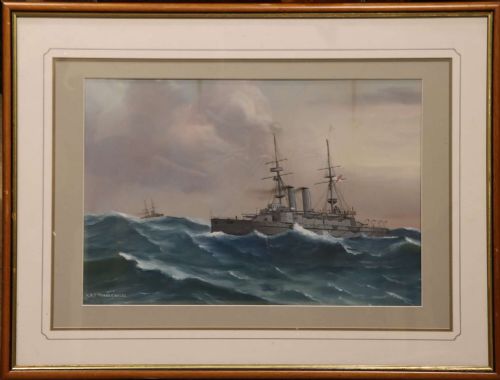
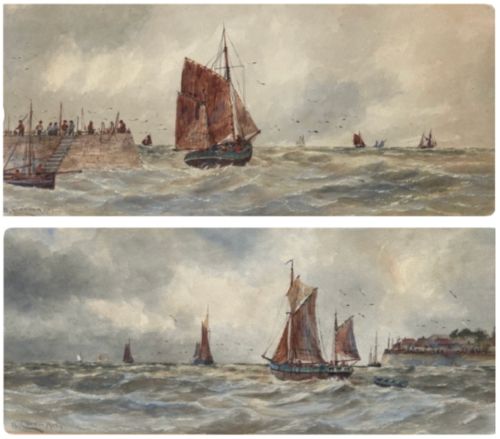
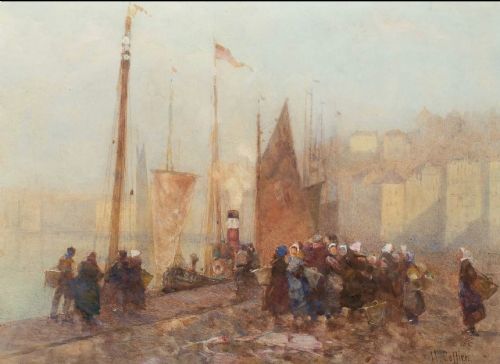
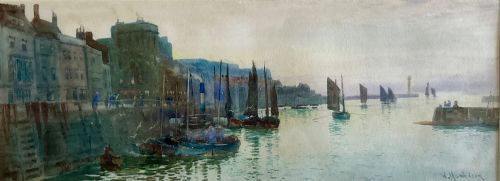
An edwardian seascape original painting typically depicts coastal waters, fishing vessels, harbours, and tidal shores created during the early twentieth century. These works document British and European maritime life through the observant eye of contemporary artists working near the coast.
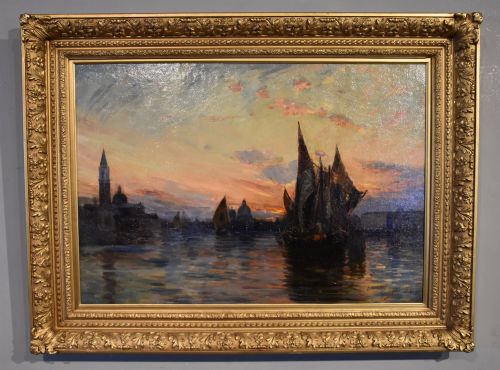
The selections available here rely heavily on watercolours on paper and oil paintings on canvas or board. Buyers will frequently encounter framed views of Cornish fishing ports, Yorkshire bays, and Venetian canals produced across the Edwardian era and surrounding decades.
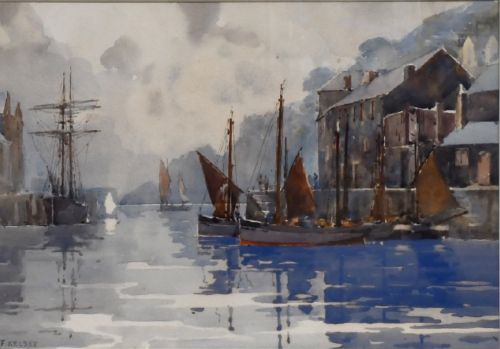
Many examples capture working vessels such as trawling luggers, Thames barges, and local fishing boats returning to harbour. These historic compositions preserve a vanished era of maritime labour and coastal architecture.
Materials and Techniques
Artists utilised watercolour pigment on paper to achieve luminous washes of light and sea spray, often working directly outdoors to capture transient atmospheric conditions. These watercolours frequently incorporate pencil underdrawing and delicate highlights in bodycolour.
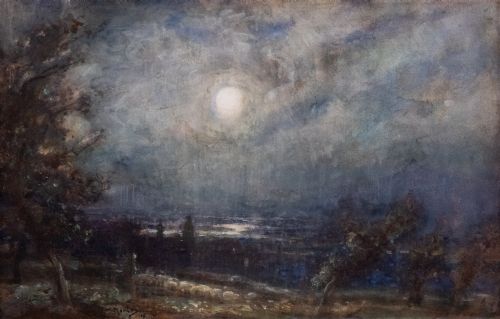
Oil paintings in this category employ oil on canvas or wooden board, applied with brushes and palette knives to build rich textures and deep tones. Gilt wood frames frequently complement these oil works, providing period housing that enhances the visual depth of the marine subject.
Several artists packed their watercolours and easel into coastal pubs, painting stormy tides while locals smoked nearby.
Distinctions in Execution
Quality in these coastal works rests upon the artist's ability to render water movement, atmospheric light, and maritime anatomy with convincing authority. Stronger examples display confident brushwork and accurate perspective in vessel rigging and shoreline structures.
Condition and preservation also define the upper tier, where paper supports remain free from heavy foxing and canvas surfaces retain their original tension and varnish. The harmony between the artwork and its period frame further elevates the standing of an individual piece.
Thomas William Morley·Hector Caffieri·Charles Napier Hemy·Richard Harry Carter·Edward Henry Eugene Fletcher·Frederick Stuart Richardson·William Kay Blacklock·Frank Wood·H Hadfield Cubley·Fred Mayor·William Knox·George Stanfield Walters·Owen Bowen·Henry Wimbush·Daniel Sherrin·Edmund Gouldsmith·Frank William Scarbrough·Rowland H Hill·Harry John Pearson
The Edwardian Seascape Original Painting Glossary
- Watercolour
- A paint consisting of colour suspended in a water-soluble vehicle, traditionally applied to paper supports. It allows for transparent washes that capture coastal light effectively.
- Lugger
- A small sailing vessel carrying lug sails on one or more masts, commonly depicted in British coastal art of this period. These working boats formed the backbone of regional fishing fleets.
- Impressionism
- An art style characterised by relatively small, thin yet visible brush strokes and an open composition emphasising light. Painters adopted these tenets to render shimmering sea surfaces and fleeting weather.
- Gouache
- A method of painting using opaque watercolours mixed with a gum binder, often employed to add solid highlights to transparent watercolour paintings. Artists utilised this medium for opaque foam and cloud details.
- Gilt wood
- Wood coated with a thin layer of gold leaf or gold paint, traditionally used for framing fine art. These ornate surrounds complement the tonal range of early twentieth-century paintings.
Edwardian Seascape Original Painting: Frequently Asked Questions
How do I identify an Edwardian marine painting?
Look for stylistic markers of the period, including naturalistic marine realism combined with looser brushwork influenced by British Impressionism. Signatures, dates, and framing often provide further historical context.
Examination of the paper or canvas support can also help determine age, as period materials differ from modern synthetic alternatives. Many works also name specific coastal locations on the reverse or within the title.
Where were these coastal scenes usually painted?
Artists frequently travelled to active fishing ports along the British coastline, such as Whitby, Polperro, and various Cornish harbours. Popular continental destinations like Venice and Dutch waterways also feature prominently in these portfolios.
These locations offered artists an abundance of working shipping, dramatic tides, and distinct coastal architecture to record. Painters often established temporary lodgings or studios in these maritime communities during the summer months.
How should I care for a vintage watercolour?
Watercolours require protection from direct sunlight to prevent fading of sensitive pigments over time. Maintaining stable indoor humidity levels prevents warping of the paper and deterioration of the mount board.
Displaying works behind appropriate glazing with acid-free backing materials ensures long-term preservation. Professional framing using conservation-grade components safeguards the fragile medium from environmental pollutants.
What subjects are most common in these works?
Fishing boats returning to harbour, sailing vessels navigating choppy seas, and quiet tidal inlets dominate the imagery of this era. Painters also documented daily beach life, coastal cliffs, and bustling continental canals.
These subjects reflect a contemporary fascination with maritime labour and coastal tourism during the early twentieth century. Artists captured both the working realities of fishermen and the picturesque qualities of seaside towns.