

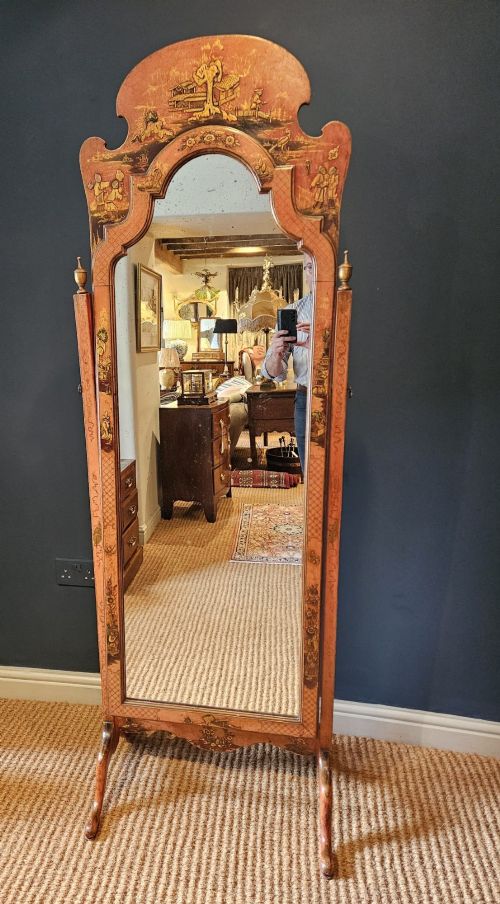
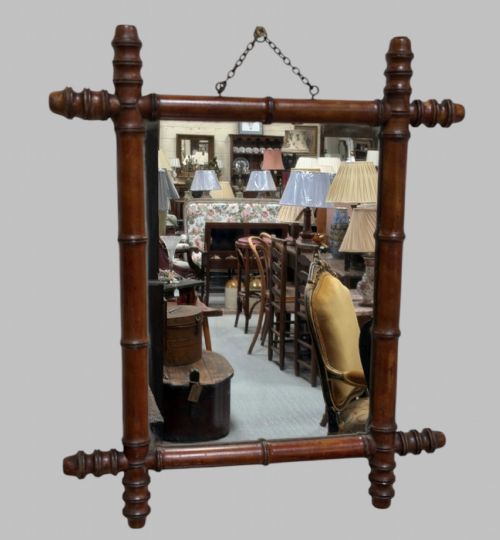
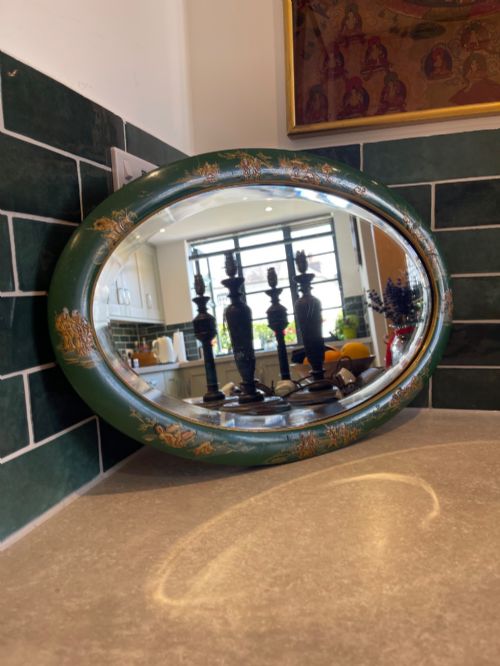


Vintage Chinoiserie Mirror
A vintage chinoiserie mirror brings painted narrative scenes and lacquered frames into a room, offering the decorative escapism that collectors seek.
Vintage Chinoiserie Mirror
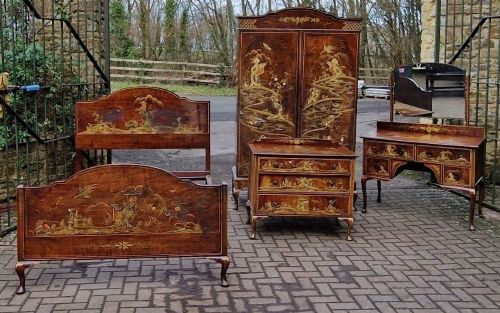
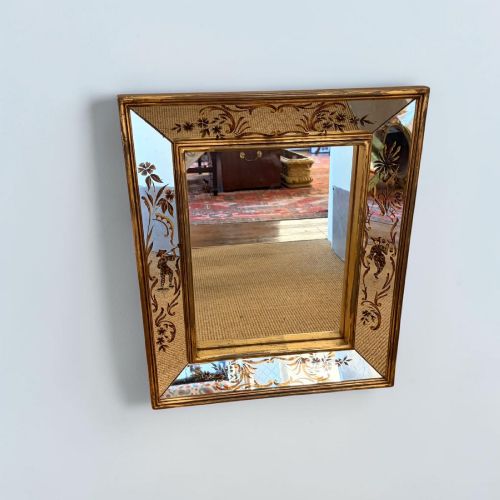
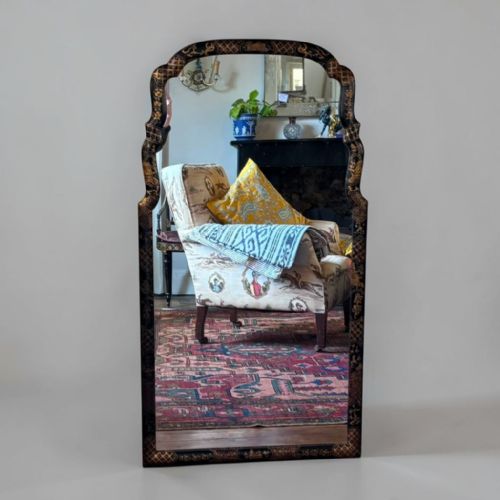
A vintage chinoiserie mirror is a wall or floor piece decorated in European interpretations of East Asian artistic motifs, spanning periods from the Victorian era through the early twentieth century. You will frequently encounter wall mirrors and cheval mirrors finished with painted decoration, alongside dressing tables and wall sconces sharing the same decorative vocabulary.
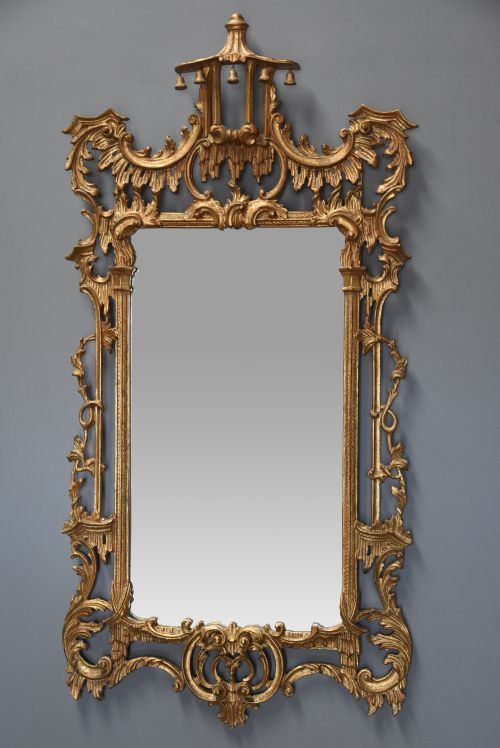
The styles range from Chinese Chippendale and George I revival to Edwardian interpretations and French provincial faux bamboo frames. These objects serve as focal points in halls and reception rooms, combining functional glass with narrative ornamentation.
Materials and construction
The frames are constructed from wood, including lacquered wood, ebonised timber, and bamboo or faux bamboo, providing a solid foundation for decorative finishes. Artisans applied layers of lacquer and gold leaf to create lustrous surfaces, often incorporating hand-painted figural scenes or floral details.
Mirror glass is set within these carved or moulded surrounds, sometimes accompanied by giltwood detailing or metal fittings. The construction reflects the craftsmanship of Victorian, Edwardian, and later workshops employing traditional joinery and finishing techniques.
Vintage Chinoiserie Mirror Retail Price Guide 2026
Typical asking prices for vintage chinoiserie mirror among the pieces listed under this phrase on Sellingantiques today, from the lower quarter to the upper quarter. They describe what is for sale here now, not the wider market.
Listings feature frames made from glass, wood, lacquered wood, gilt, lacquer, mirror glass, metal, and gold leaf across multiple periods.
Assessing quality and craftsmanship
The distinction between standard and superior pieces lies in the depth of the carving and the execution of the lacquering. Finely rendered giltwood, delicate hand-painted motifs, and intricate Chinese Chippendale or George I revival carving elevate a piece significantly.
The integrity of the frame materials, such as well-preserved faux bamboo or substantial lacquered wood, also dictates the calibre of the object. Consideration is given to how harmoniously the glass integrates with the decorative surround.
The Vintage Chinoiserie Mirror Glossary
- Chinoiserie
- European decorative style inspired by Chinese art and design. It is characterised by painted landscapes, figures, and motifs applied to furniture and mirrors.
- Japanning
- European imitation of Japanese and East Asian lacquerwork. This technique involves layering resin varnishes and curing them before decoration.
- Cheval mirror
- A freestanding full-length mirror suspended in a frame. It allows the glass to swing to different angles.
- Giltwood
- Wood carved and coated with gold leaf or gold paint. It provides a reflective, opulent finish to the frame.
- Faux bamboo
- Wood carved or moulded to imitate natural bamboo stems. This finish was particularly popular in nineteenth-century French and English pieces.
Vintage Chinoiserie Mirror: Frequently Asked Questions
What periods do these mirrors come from?
The listings span from the nineteenth century into the twentieth century, covering Victorian, Edwardian, and later revival periods. Pieces reflect the prevailing tastes of those decades.
Craftsmanship and decorative styles evolved across these eras, moving from ornate nineteenth-century interpretations toward cleaner Edwardian and 1920s lines.
Where should I hang a wall mirror?
Wall mirrors work well above console tables, in hallways, or as focal points in reception rooms. Their reflective glass helps to brighten smaller spaces.
Ensure the wall structure can support the weight of heavier lacquered or giltwood frames before installation.
How do I care for lacquered wood?
Dust the lacquered surfaces gently with a soft, dry cloth to prevent scratching the finish. Avoid using harsh chemical cleaners or placing the piece in direct sunlight.
Maintaining a stable room temperature protects the wood and lacquer from cracking over time.
What is Chinese Chippendale style?
Chinese Chippendale refers to eighteenth-century furniture designs revived in later periods, featuring fretwork and asymmetrical motifs. These elements are often translated into carved giltwood or wooden frames.
Mirrors in this style display elaborate fretwork and architectural silhouettes inspired by East Asian architecture.