
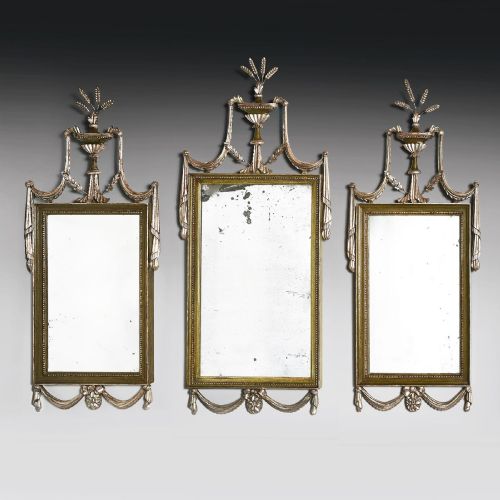

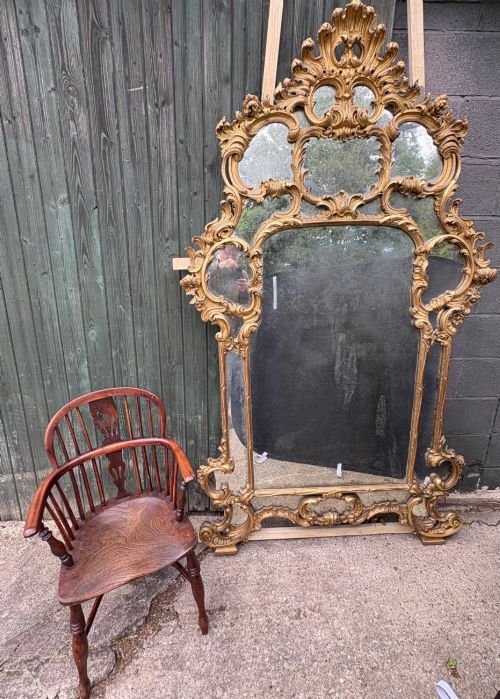

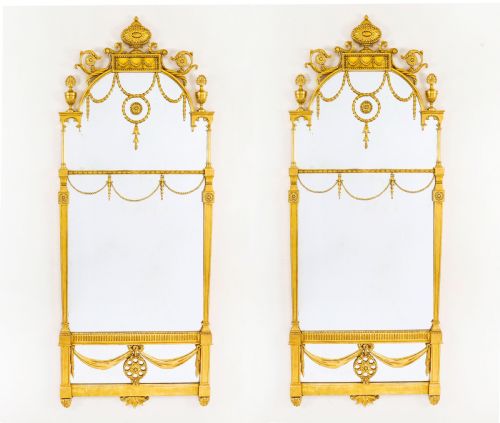
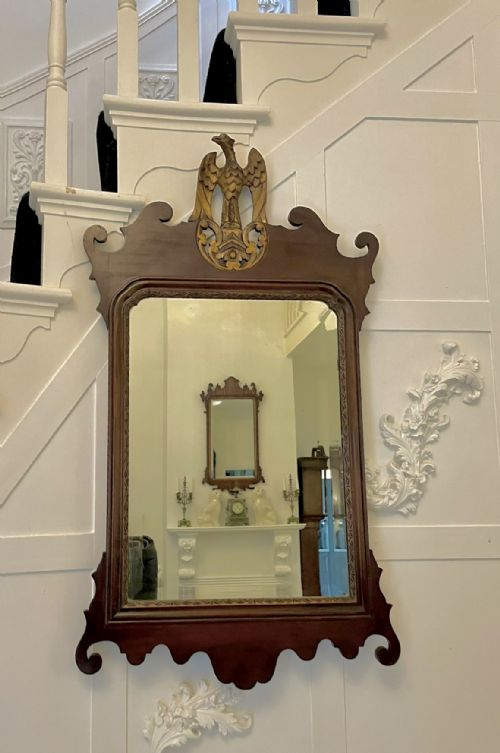
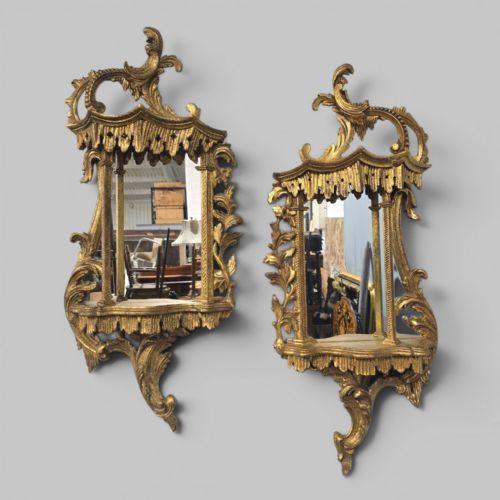

Georgian Style Pier Mirror
A georgian style pier mirror brings vertical elegance and deep reflection to a room, framing light with historic craft.
Georgian Style Pier Mirror
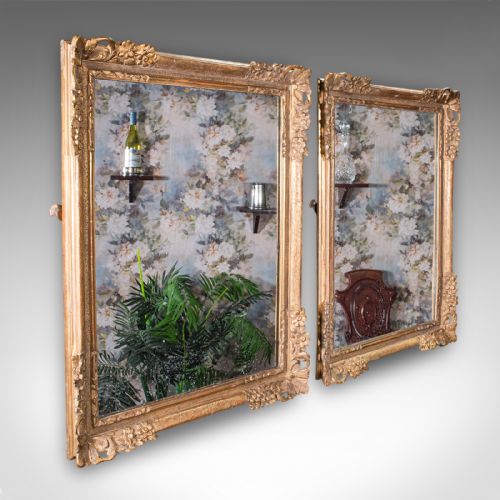
When you search for a georgian style pier mirror, you encounter tall, upright wall glasses designed historically to hang on the narrow wall space, or pier, between two windows. These pieces originate in periods spanning the eighteenth century through to later revival movements, including the nineteenth and early twentieth centuries.
The selection ranges from genuine eighteenth-century walnut and parcel gilt examples to later nineteenth-century revivals and Edwardian interpretations. You will frequently find pieces carrying classical styling such as George II proportions or Adam revival details alongside Chinese Chippendale fretwork.
Most items function primarily as wall mirrors or overmantels, drawing light deep into a drawing room or hallway. The frames showcase traditional forms built to reflect both interior candlelight and daylight from adjacent window glass.
How they were made
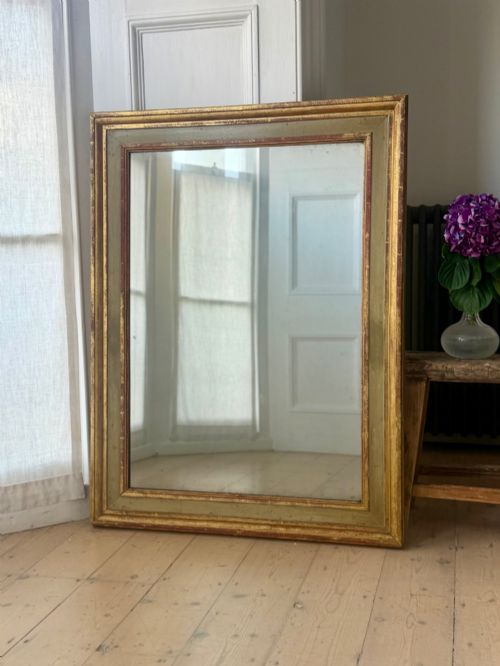
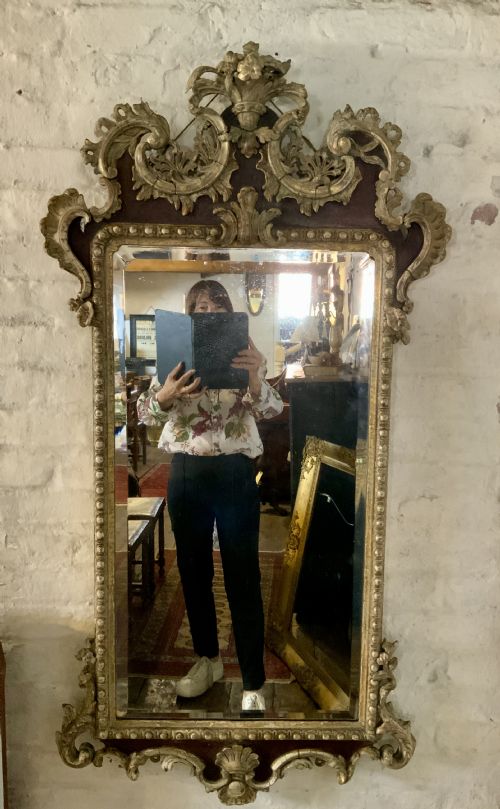
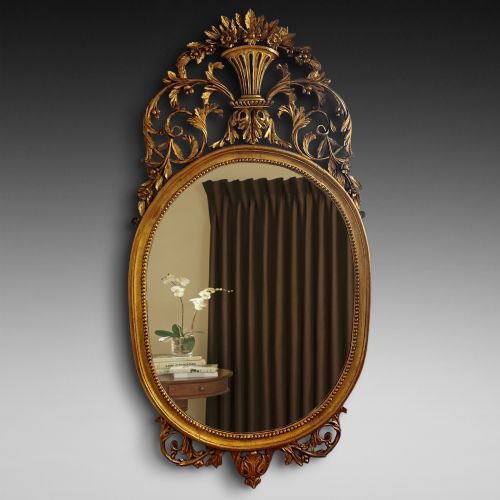
Frames rely heavily on timbers such as mahogany and walnut, frequently accented with parcel gilding or constructed from carved giltwood and gesso over a wooden base. Artisans applied gold leaf to prepared surfaces to achieve a brilliant metallic sheen that caught the room illumination.
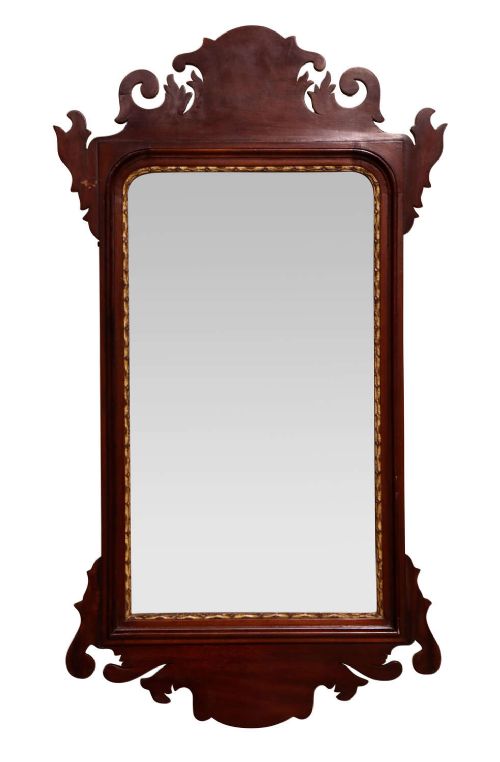
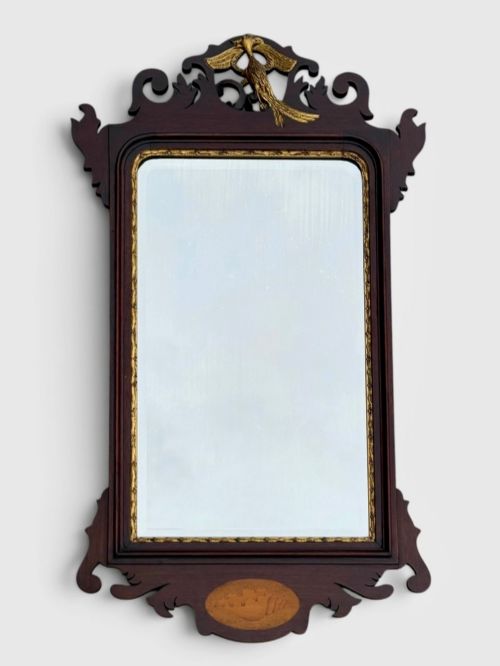
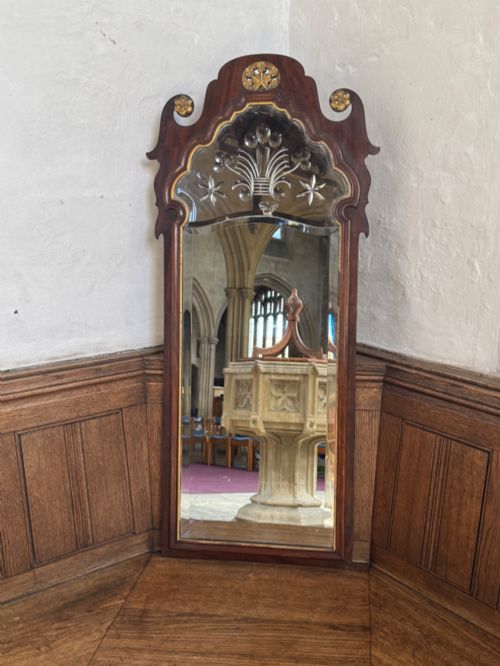
Carving technique dictates the character of the frame, from pierced mahogany fretwork depicting motifs like the Ho Ho bird to grand Palladian architectural mouldings. Glass plates vary from mercury glass in early pieces to later silvered mirror glass, occasionally featuring reverse cut plate work.
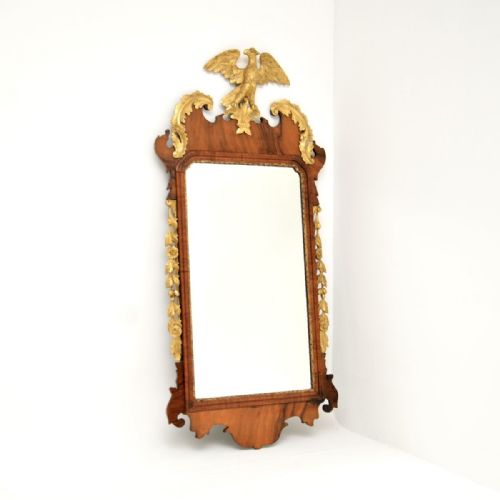
Several mirrors proudly display carved Ho Ho birds perched atop their fretwork frames, watching over rooms for centuries.
What varies in quality
The sharpness and depth of the hand carving separate standard commercial frames from exceptional examples of the maker's art. Crisp fretwork, precise parcel gilding, and the use of finely figured burr walnut elevate the visual impact of the piece.
The integrity of the original mirror plate, whether aged mercury glass or traditional silvered glass, heavily influences the character and authenticity of the mirror. Proportions that harmonise classical architectural rules also distinguish superior designs from simpler decorative iterations.
Gillows Of Lancaster·William Kent·John Belchier
The Georgian Style Pier Mirror Glossary
- Pier mirror
- A tall, narrow mirror designed specifically for the wall space between two windows. These items often feature ornate crests and matched console tables.
- Giltwood
- Wood that has been coated with gold leaf or a gold-coloured metallic preparation. This finish provides a bright decorative surface on classical frames.
- Gesso
- A plaster-like mixture applied to wood frames to create a smooth surface for carving or gilding. It allows for intricate relief ornamentation.
- Parcel gilt
- Partially gilded woodwork where specific carved details highlight the natural grain of walnut or mahogany beneath. This technique creates contrast between the timber and the gold leaf.
- Fretwork
- Openwork ornamentation created by cutting patterns through thin wood, commonly seen in Chippendale style frames. This technique adds delicate geometric or figurative texture.
Georgian Style Pier Mirror: Frequently Asked Questions
Where should I hang a pier mirror?
Historically, these tall glasses hung on the narrow wall space between two windows to reflect natural light back into the interior. Today, they work effectively above console tables in hallways or as striking focal points in reception rooms.
Ensure the wall structure can support the weight of a heavy timber and glass frame. Positioning the mirror opposite a light source maximises the illumination of the room.
How do I identify a Georgian style piece?
Look for classical architectural references, symmetrical proportions, and traditional motifs such as Ho Ho birds, scrolling foliage, or gilded egg-and-dart mouldings. Timbers like mahogany and walnut frequently indicate this aesthetic.
Revival pieces from the nineteenth and twentieth centuries often emulate these eighteenth-century design canons closely. Examine the construction techniques and ageing of the materials to understand the exact period of manufacture.
What is parcel gilding?
Parcel gilding is a decorative technique where only certain raised portions or carved details of a wooden frame receive a coating of gold leaf. The remaining areas display the natural grain of polished mahogany or walnut.
This method creates a subtle visual contrast between the warm timber and the bright metallic accents. It was widely utilised during the Georgian period to enhance carved relief work.
How do I care for antique mirror glass?
Clean the glass gently using a soft, dry cloth or a minimal amount of neutral cleaner applied to the cloth rather than directly onto the surface. Avoid harsh chemical sprays that might seep behind old plates and damage the backing.
Protect giltwood frames from direct sunlight and fluctuating humidity to prevent the gesso and gold leaf from cracking. Regular dusting with a soft brush keeps the carved details clear without abrasion.