


Gilded Hall Mirror
A gilded hall mirror brings depth and reflective light to an entrance space, drawing from Georgian, Victorian, and later nineteenth-century traditions.
Gilded Hall Mirror
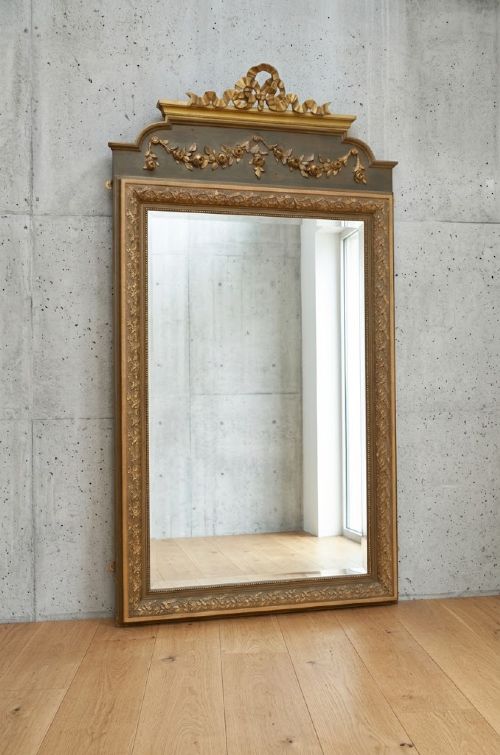
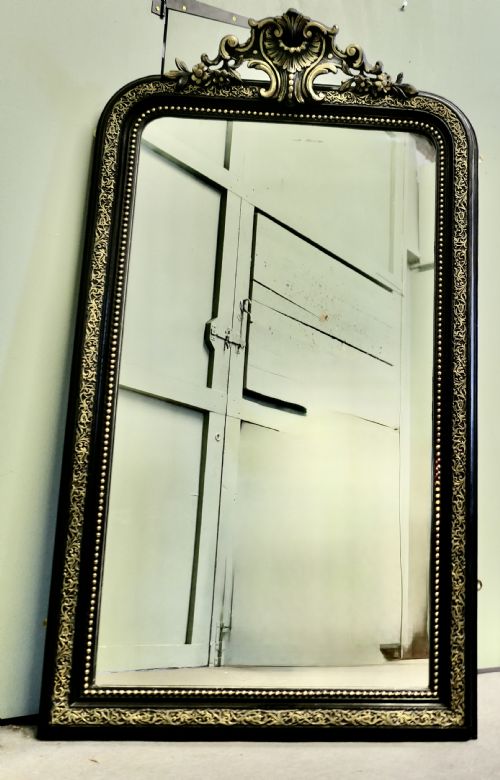
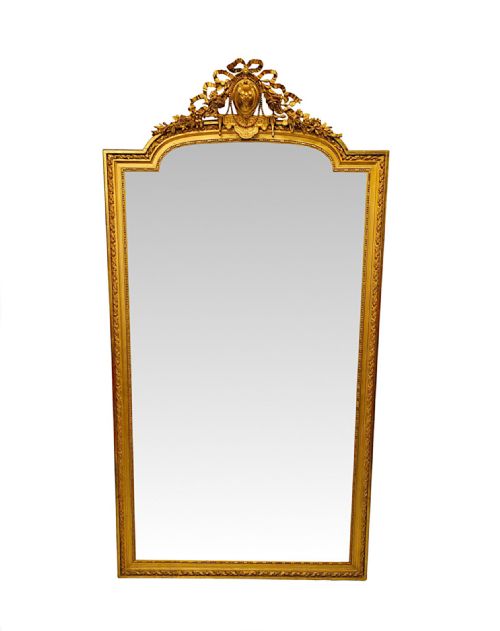
When searching for a gilded hall mirror, buyers encounter a range of tall pier glasses, overmantel designs, and console table combinations intended for narrow spaces and entranceways. These pieces originate predominantly from the nineteenth century, encompassing Georgian, Victorian, Regency, and later periods up to nineteen-twenty.
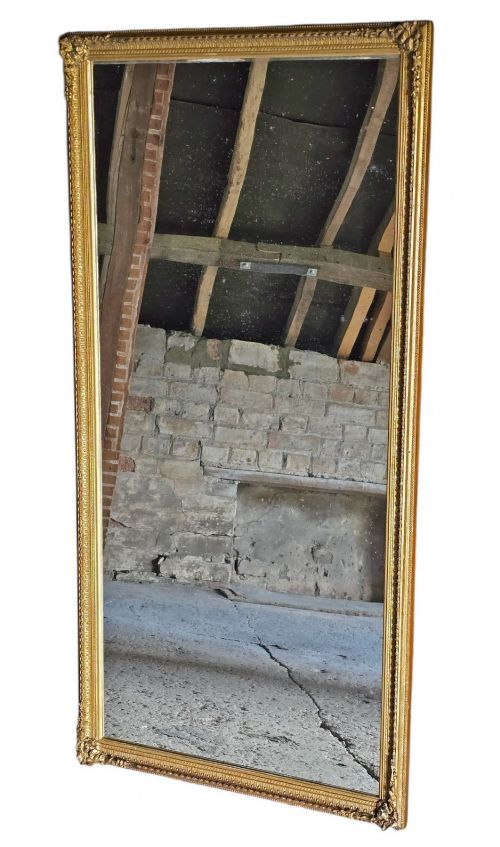
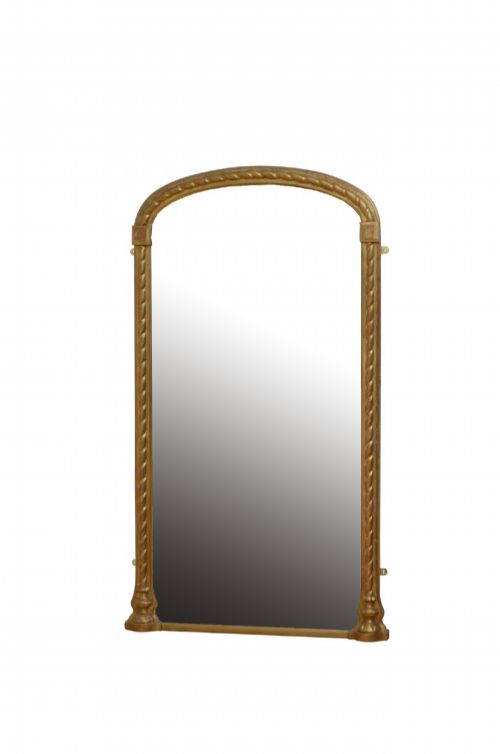
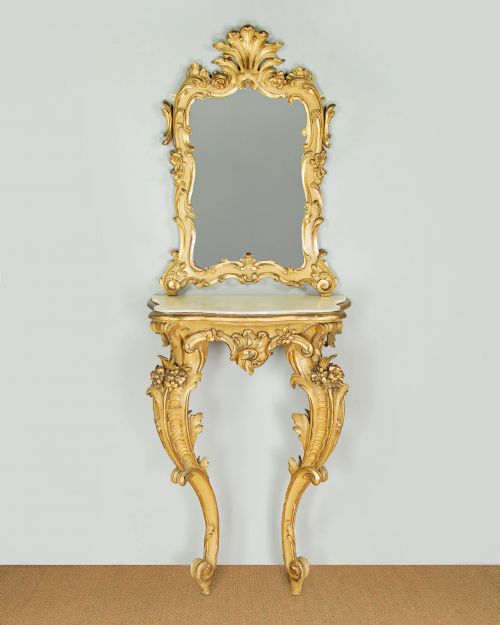
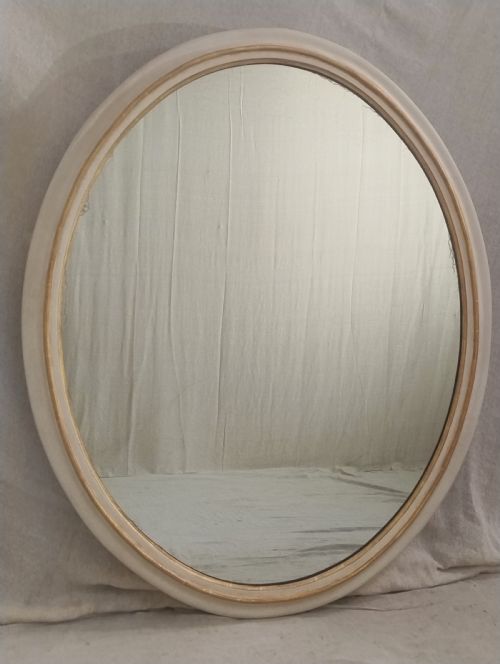
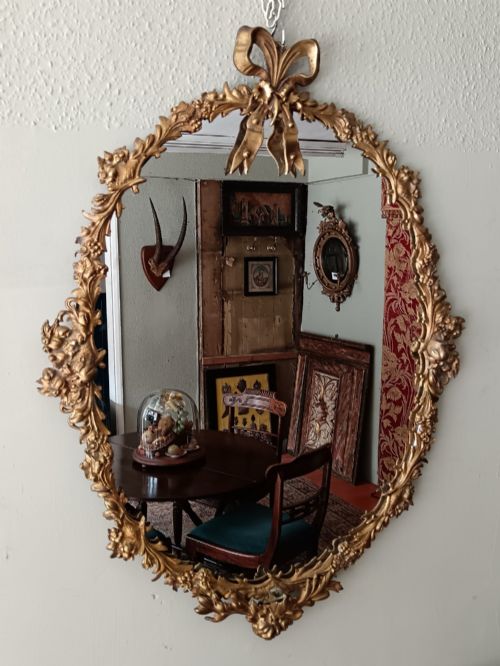
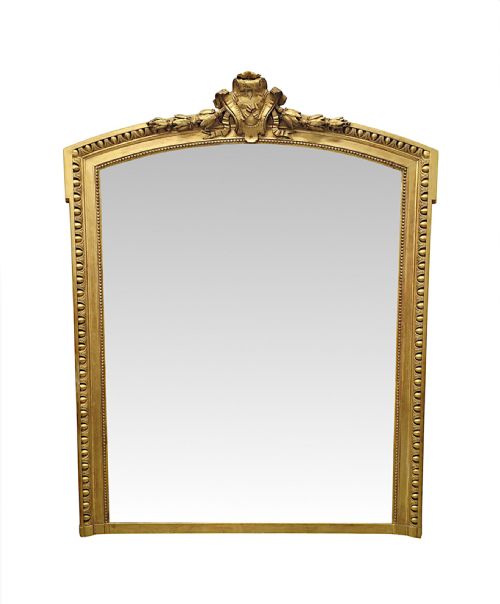
The version most commonly met on this page is the large giltwood or gesso wall mirror, often featuring carved floral motifs, rope work, or classical Adams and Rococo Revival styling. Formats vary from upright arched leaner mirrors to oval frames and rectangular pier glasses designed to sit above console tables.
How they were made
Carved wood and gesso form the foundational structure for the majority of these frames, providing the receptive surface required for the application of gold leaf or metallic paint. Artisans shaped timber frames before layering plaster and gesso to build up intricate relief ornaments such as cartouches, flowers, and ribbon crests.
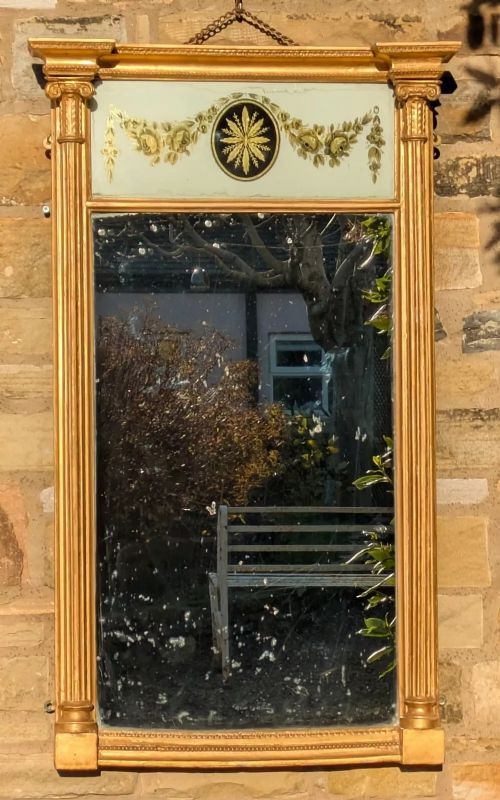
Reflecting plates consist of glass set within the carved housings, sometimes retaining original bevelled edges or specialised panels like verre églomise. Supporting materials include ebonised wood, walnut, and marble integrated into associated console tables.
Gilded Hall Mirror Retail Price Guide 2026
Typical asking prices for gilded hall mirror among the pieces listed under this phrase on Sellingantiques today, from the lower quarter to the upper quarter. They describe what is for sale here now, not the wider market.
Listings feature items spanning the nineteenth century, including Victorian, Georgian, and Regency eras alongside later nineteen-twenty pieces.
What varies in quality
The distinction between tiers rests upon the crispness of the hand-carved detail and the depth of the gesso relief work applied to the wooden substrate. Higher-grade examples display sharp definition in floral and classical motifs without the softening that occurs when moulds are reused excessively.
The integrity of the gilding and the preservation of the original glass plate contribute significantly to the standing of a piece. Frames retaining their initial gold leaf demonstrate a richer patina compared to surfaces that have undergone later over-painting.
The Gilded Hall Mirror Glossary
- Giltwood
- Timber coated with gold leaf applied over a prepared gesso ground. This material defines the bright, reflective surfaces characteristic of these frames.
- Pier Mirror
- A tall glass designed specifically to hang on the narrow wall space between windows. These tall formats maximise available light in period interiors.
- Gesso
- A plaster mixture spread over wood to create a smooth surface for carving and gilding. It allows for high-relief ornamentation on the frame.
- Verre Églomise
- Reverse-painted glass decorated with gold or silver leaf designs. This technique appears on decorative panels incorporated into mirror frames.
- Overmantel Mirror
- A wide glass traditionally positioned above a fireplace mantel. Many examples share stylistic traits with tall hall mirrors from the same era.
Gilded Hall Mirror: Frequently Asked Questions
Where should a hall mirror hang?
These mirrors function best on primary walls in entrance halls or corridors where they capture natural light from adjacent rooms. Positioning them opposite a light source maximises their capacity to brighten narrow spaces.
Matching the scale of the mirror to the wall dimensions ensures proper visual balance within the room. Tall pier mirrors suit high ceilings, while smaller oval formats fit compact entryways.
How do I identify a period frame?
Examination of the backing boards, joinery methods, and the composition of the gesso layer reveals the age of a piece. Period frames display hand-cut timber construction and traditional preparation layers beneath the surface.
Stylistic indicators such as Regency proportions or Victorian Rococo Revival ornamentation provide further clues to dating. Comparing the decorative motifs with documented design periods helps confirm authenticity.
Can these mirrors stand on the floor?
Certain taller formats are constructed as leaner mirrors intended to rest securely against a wall surface. These substantial pieces rely on their own weight and balanced proportions for stability.
Wall-hanging variants require proper structural fixings to support their considerable weight safely. Consulting a professional installer ensures the frame is secured adequately to wall studs.
What is a console and mirror set?
This combination pairs a wall mirror with a matching table designed to sit directly beneath it. The ensemble creates a coordinated focal point for an entrance hall or reception room.
Tables frequently feature marble tops supported by carved and gilded wooden bases that mirror the design of the upper frame. The unified set offers both decorative presence and a functional surface.