




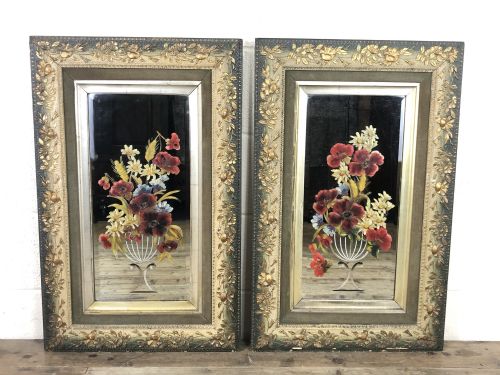
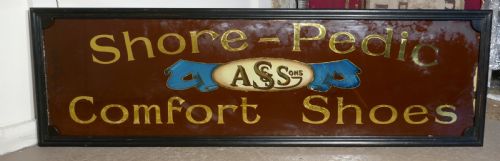
Reverse Painted Mirror
These reverse painted mirror pieces combine glass work and wood frames, bringing historic depth and fine decorative art directly to your wall.
Reverse Painted Mirror
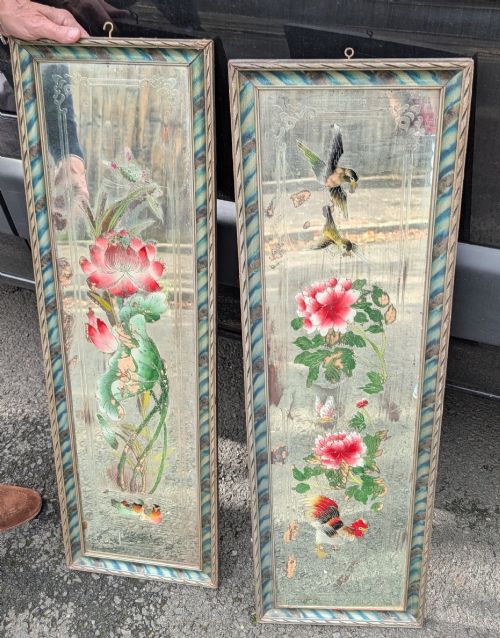
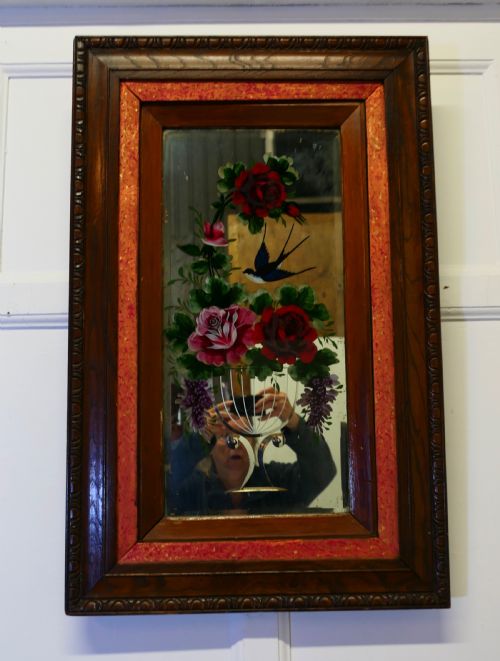
A reverse painted mirror brings together traditional glass work and decorative framing to create striking wall art. When you search for a reverse painted mirror, you find pieces ranging from nineteenth century pier glasses to Edwardian gypsy styles.
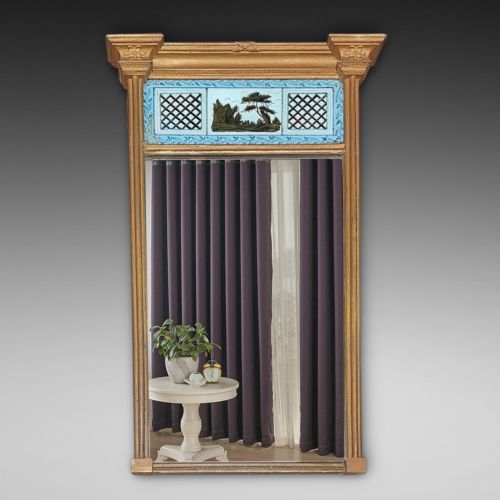
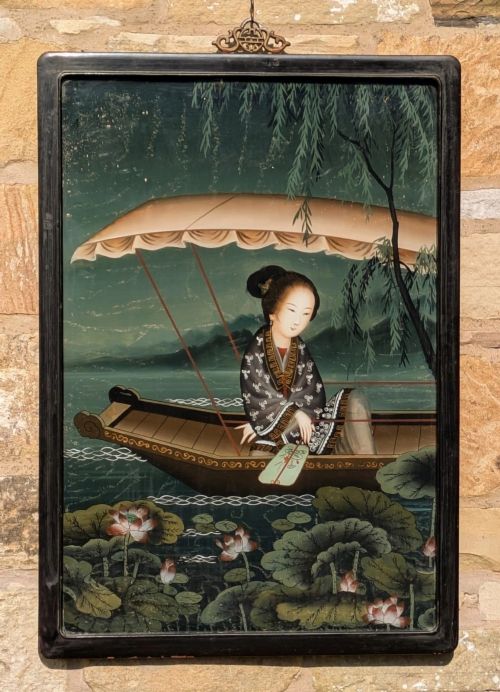
The selection here includes examples from the Regency period, Victorian era, and Chinese export trade. You will encounter wall mirrors, pier glasses with eglomise panels, and advertising signs on glass.
Many items feature landscape scenes, floral motifs, or naval engagements rendered directly onto the glass. Others pair the glass panel with giltwood frames or maple surrounds to create divided two-section wall pieces.
How they were made
Maker techniques rely on applying paint directly to the reverse side of glass plates so the image appears correct from the front. Artisans frequently integrated gold leaf and verre eglomise panels to create reflective metallic backgrounds behind the painted details.
Frames employ carved giltwood, plain wood, and brass elements to support the heavy glass plates. Construction often incorporates divided sections where a painted panel sits above or beside the main mirror glass.
Listings feature items spanning the eighteenth, nineteenth, and early twentieth centuries, including Regency, Victorian, and Edwardian periods.
What varies in quality
Quality rests in the execution of the painting on glass and the preservation of the original giltwood or frame. Finer examples show meticulous detail in subjects like portraits, florals, or naval engagements.
The integrity of the mirror glass and the stability of the eglomise panels dictate the overall character of the piece. Superior items maintain clear integration between the wooden structure and the delicate glass artwork.
The Reverse Painted Mirror Glossary
- Verre eglomise
- A cold decoration technique where silver or gold leaf is applied to the rear of glass and etched or painted. This method creates a reflective, ornate border or panel often seen in Regency pier mirrors.
- Pier mirror
- A tall mirror designed to hang on the wall pier between windows. These pieces frequently incorporate painted glass panels or trumeau sections above the main looking glass.
- Chinoiserie
- European artistic style reflecting Chinese aesthetic influences, common in export trade pieces. It appears in decorative wall hanging mirrors depicting traditional figures and landscapes.
- Gypsy mirror
- A style of decorative mirror associated with late Victorian and Edwardian domestic interiors. These frames often utilise simpler painted wood constructions.
- Trumeau
- A decorative wall mirror paired with an upper panel of painted art or wood carving. Regency examples in this selection use eglomise panels within the trumeau framework.
Reverse Painted Mirror: Frequently Asked Questions
What is verre eglomise?
Verre eglomise is a historic technique involving the application of gold or silver leaf to the reverse of glass. Artisans then paint or etch designs onto the metal leaf to achieve a mirrored, decorative effect.
This method appears frequently on Regency pier mirrors and adds depth to the upper panels.
How do I clean reverse painted glass?
The painted surface sits behind the glass plate, which protects the artwork from direct contact during gentle cleaning. Use a soft, dry cloth on the front glass and avoid harsh chemical sprays.
Keep moisture away from the edges of the glass where paint meets the wood frame.
Are advertising signs considered mirrors?
Some commercial pieces function as both advertising signs and functional mirrors for shops. Examples include shoe shop displays that use etched and painted glass panels.
These items share construction methods with domestic wall art from the same periods.