




Vintage China Ornament
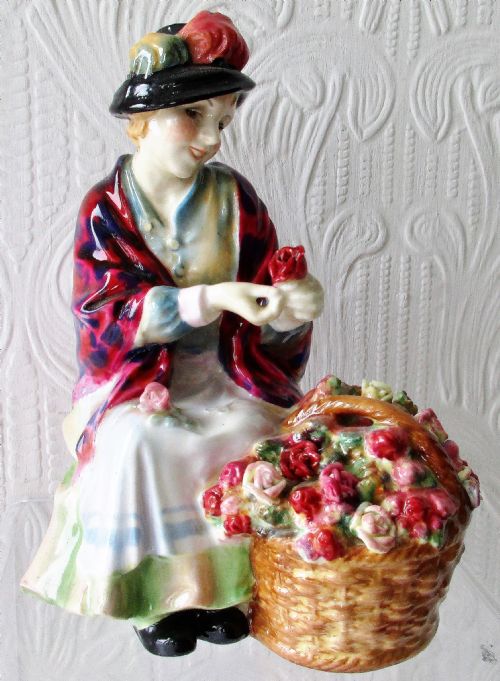
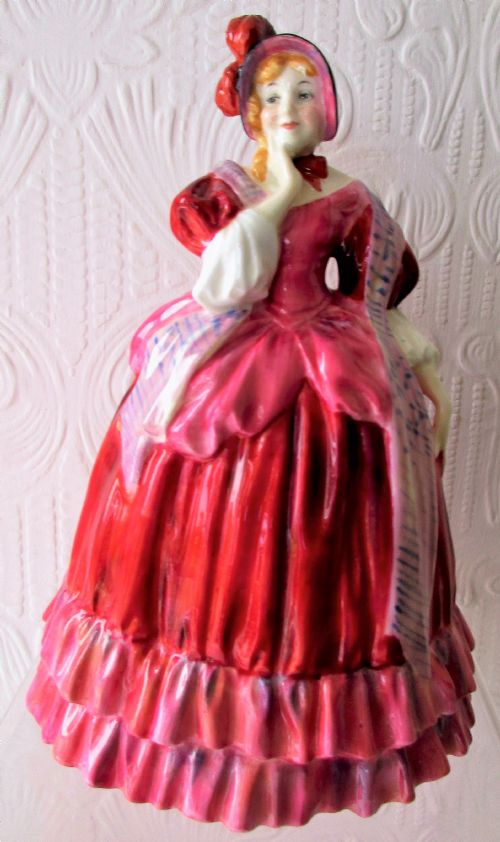
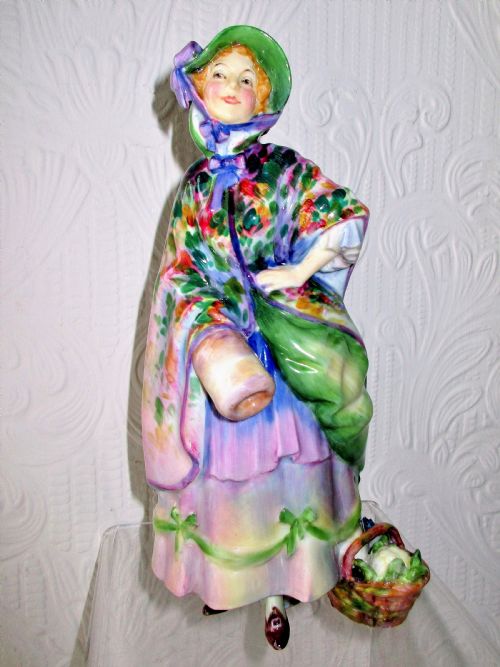
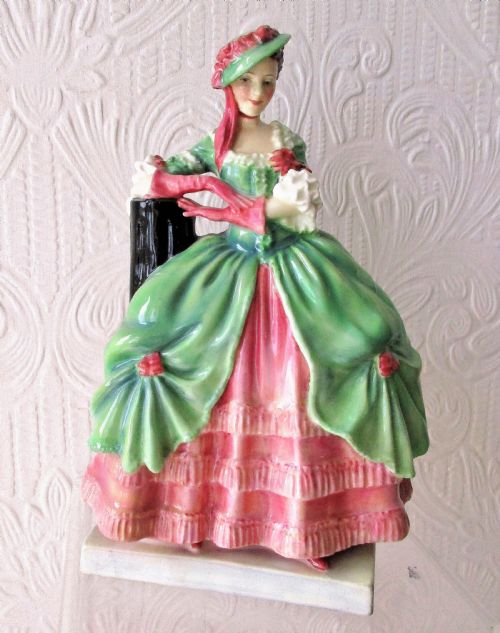
These vintage china ornament selections encompass figures, animals, and vessels spanning the Victorian era through the mid-twentieth century.
Vintage China Ornament
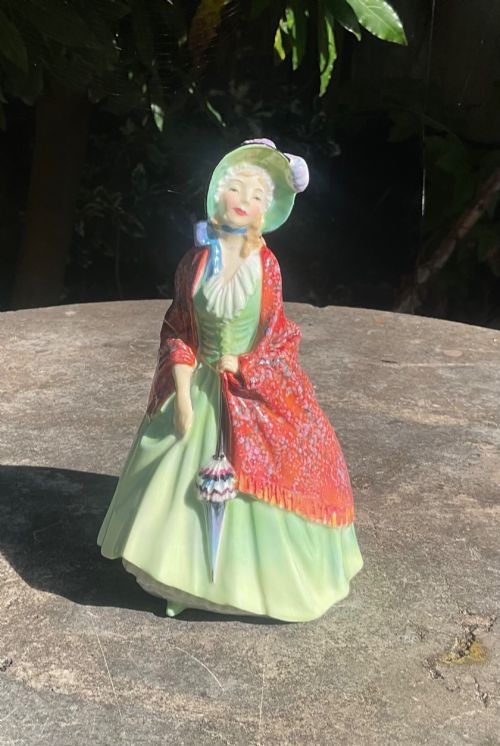
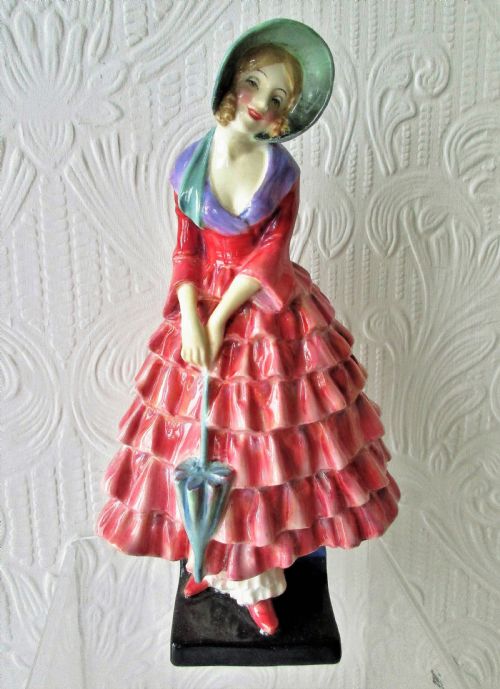
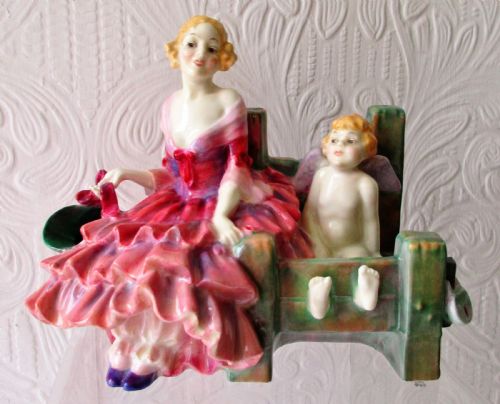
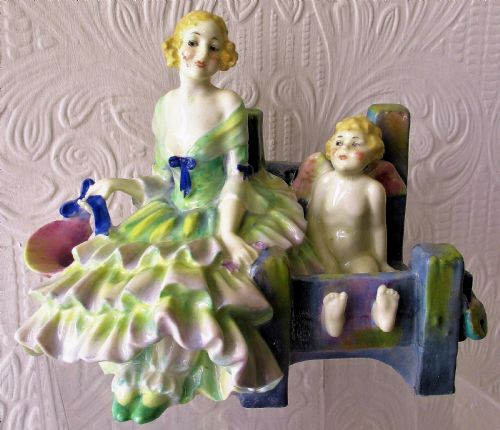
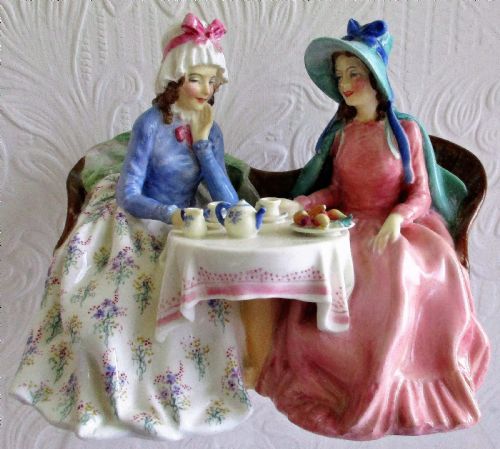
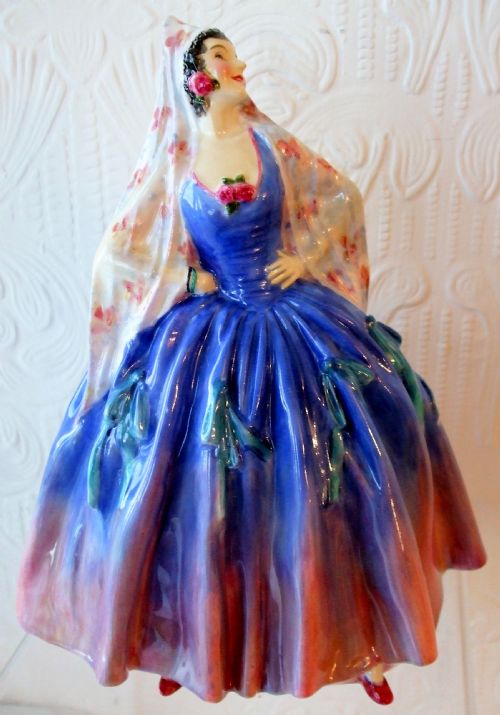
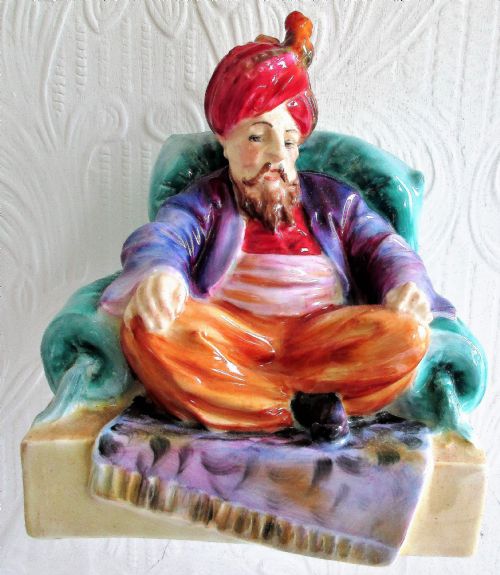
A vintage china ornament covers a broad spectrum of ceramic and porcelain objects designed primarily for display rather than utility. These items range from detailed figures and decorative figurines to vases and candle snuffers originating from British, German, and Dutch potteries.
The selections available here lean heavily toward mid-nineteenth century Staffordshire pottery, Edwardian figures, and significant output from the 1930s and 1940s. Buyers frequently encounter iconic English porcelain representations alongside Continental porcelain and earthenware pieces.
Figurines depicting human characters, romantic subjects, and animals form the core of what is found in this category. Alongside these sculptural pieces, functional forms such as miniature flat irons and small vases also appear as decorative accents.
Materials and construction
Makers utilised bone china, earthenware, and standard porcelain body types to form these items. Artisans shaped these materials using traditional moulding and casting techniques before applying detailed surface decoration.
Glazes, enamels, and gold leaf additions provide the finished surface textures and colours seen across the pieces. Many items received hand-painted details over an initial glaze, fixing the pigments during a secondary kiln firing.
Materials represented across the inventory include earthenware, bone china, and porcelain decorated with enamel and gold leaf.
Judging the standard
Quality in these ceramic pieces rests upon the crispness of the initial moulding and the precision of the hand-applied enamel work. Finer examples display cleanly defined facial expressions and sharp drapery folds without blurring in the painted details.
The application of glaze and any accompanying gold leaf reveals the skill involved in production. Evenness in the vitreous coating and careful alignment of multi-coloured enamels separate standard commercial output from superior studio work.
Royal Doulton·Royal Worcester·Beswick·Royal Crown Derby·Wedgwood·Helena Wolfsohn
The Vintage China Ornament Glossary
- Bone china
- A type of soft-paste porcelain containing bone ash, known for its high strength and milky translucency. This material allowed makers to produce thinner walls while maintaining structural integrity.
- Earthenware
- Porous pottery fired at lower temperatures than porcelain and typically glazed to ensure it holds water. Staffordshire dogs and many traditional figures utilise this heavier body.
- Glaze
- A glassy coating fused to ceramic wares by firing to render them impervious to liquid and give a smooth surface. It protects the underlying clay or porcelain body.
- Enamel
- Opaque glass applied to pottery surfaces as decoration and fused by firing. It provides the vibrant colours found on figures and decorative plates.
- Figurine
- A small carved or moulded statuette representing a human or animal. These decorative objects are central to many historical ceramic collections.
Vintage China Ornament: Frequently Asked Questions
How do I date an old ceramic figure?
Dating relies primarily on factory backstamps, impressed model numbers, and stylistic markers associated with specific periods like Art Deco or the Victorian era. Examining the type of glaze and registration marks helps narrow down the decade of production.
Changes in company nomenclature and the evolution of a pottery's stamp provide a reliable chronological framework. Comparing the piece to documented catalogue numbers confirms the exact era.
Are Staffordshire dogs meant to be displayed as pairs?
Staffordshire spaniels were traditionally manufactured and sold in matching pairs to sit at either end of a fireplace mantelpiece. Each dog faces inward toward the other, a standard arrangement in nineteenth-century domestic interiors.
Separating a pair is common over time, but finding them together preserves their original decorative context. They traditionally guarded the hearth in Victorian homes.
What is the difference between porcelain and earthenware?
Porcelain is fired at much higher temperatures, resulting in a dense, non-porous material that is often translucent when held to the light. Earthenware is more porous, coarser in texture, and requires a complete glaze to seal the body.
Bone china sits between these definitions by incorporating bone ash into a porcelain formula. This creates a durable material favoured by twentieth-century English manufacturers.