

Vintage Brass Chime
A vintage brass chime brings acoustic resonance to a room, ranging from small dinner gongs to complex longcase clock movements.
Vintage Brass Chime
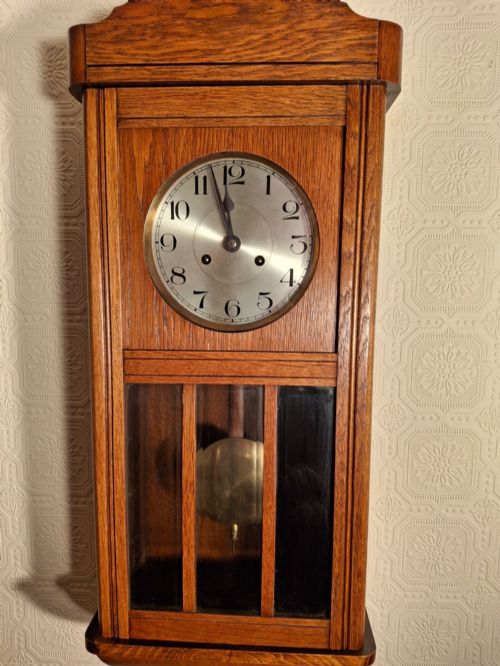
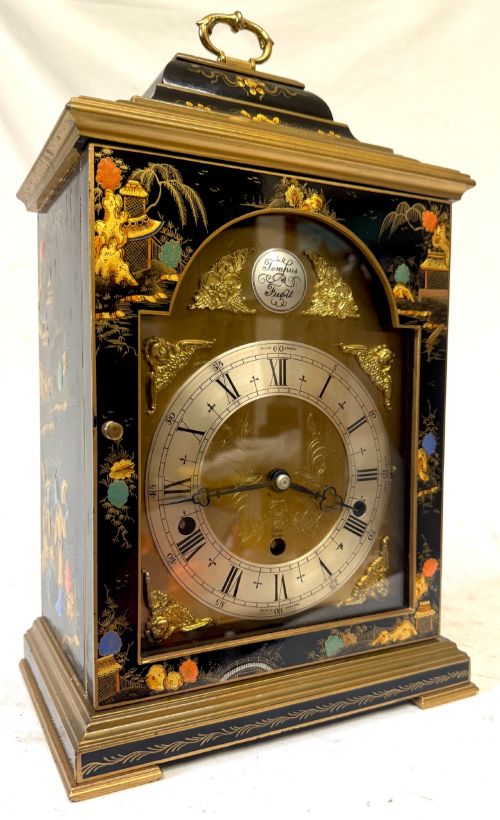
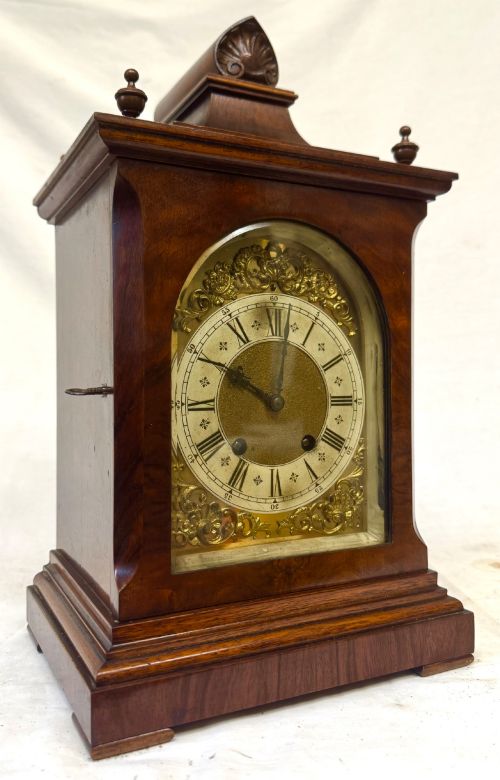
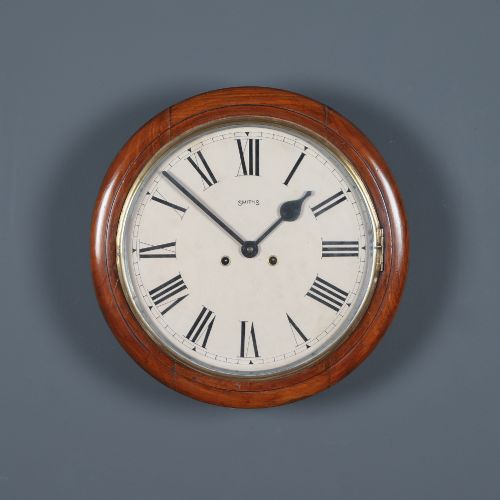
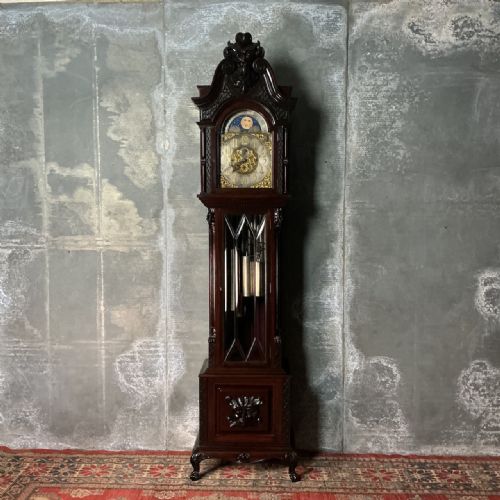
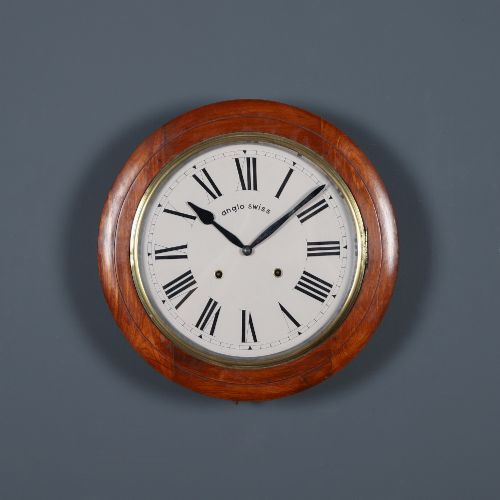
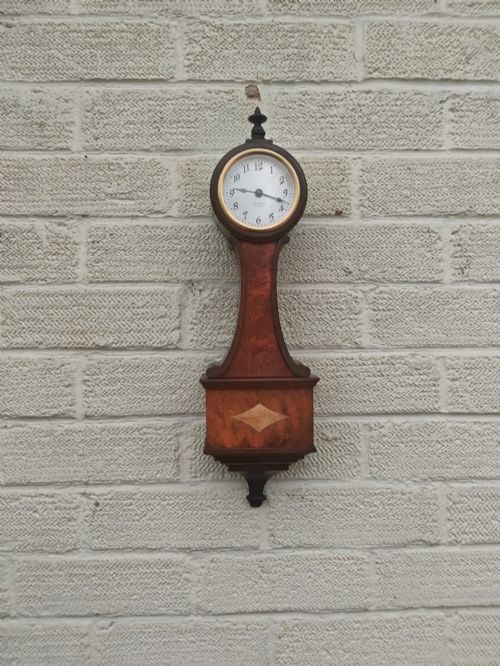
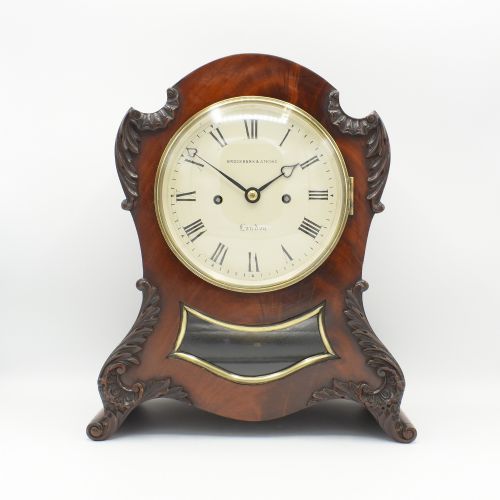
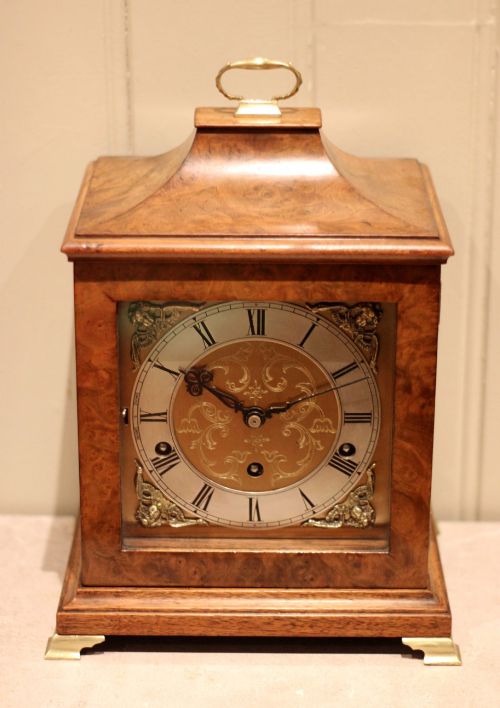
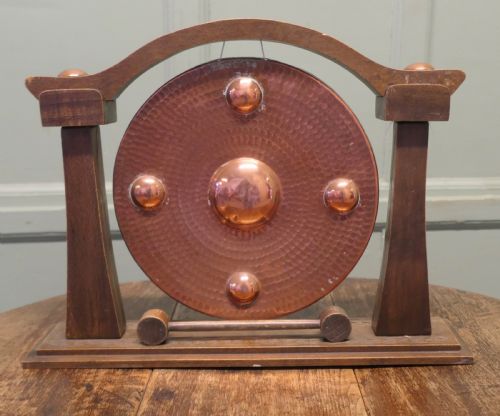
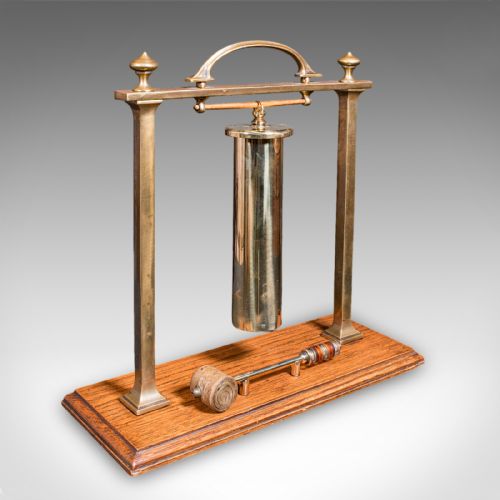
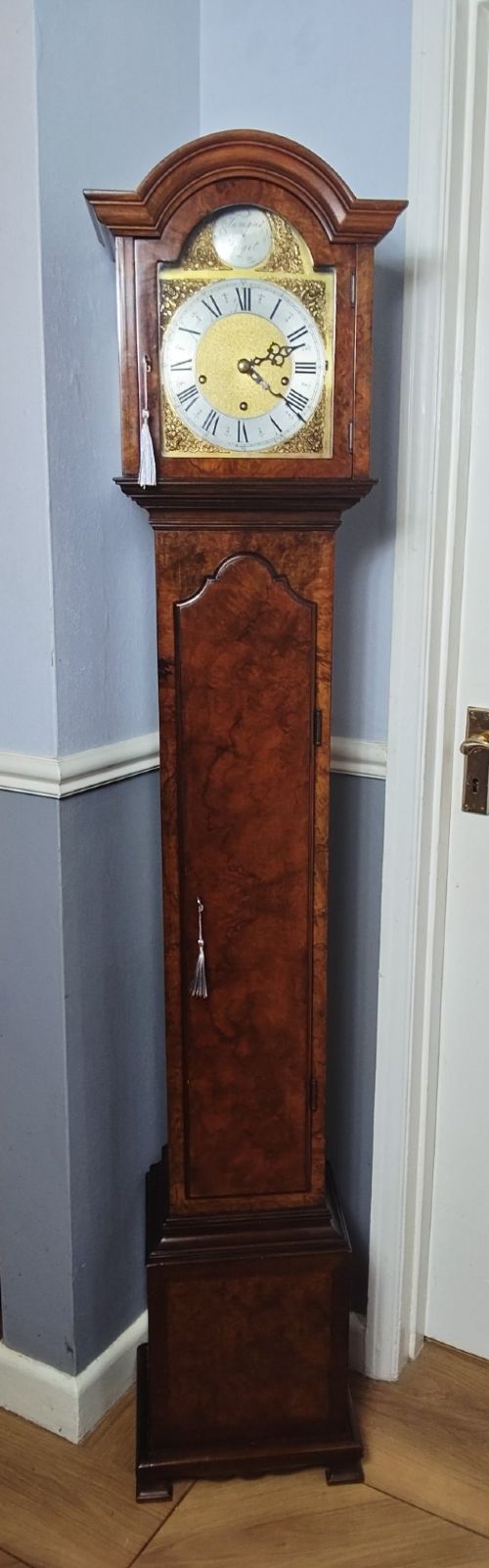
When you search for a vintage brass chime, you encounter a diverse group of objects designed to produce sound through striking. These pieces primarily span clock movements - such as bracket, mantel, and longcase clocks housing musical bells or tubular gongs - alongside dedicated dinner gongs and tea ceremony gongs.
The items listed on this page originate across the nineteenth and twentieth centuries, taking in Victorian and Edwardian examples as well as later Art Deco pieces. You will find them housed in timber cases including mahogany, walnut, burr walnut, and oak.
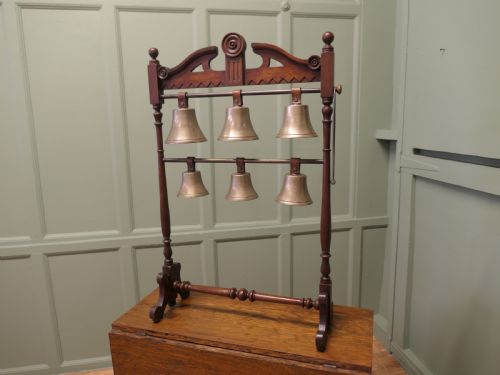
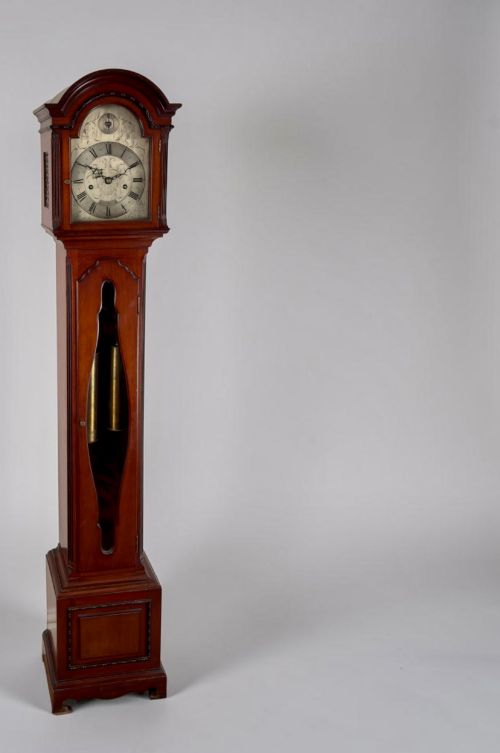
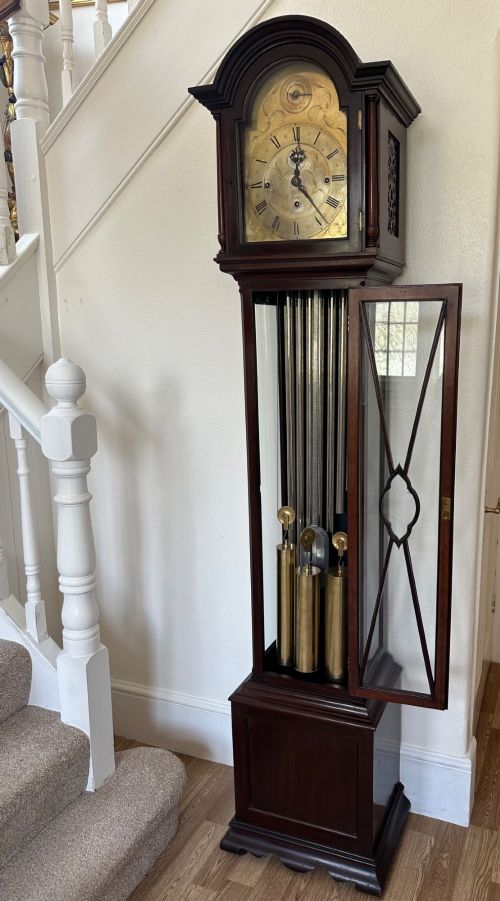
Table gongs and wall-mounted versions often feature mounted brass bells paired with wooden frames or striking hammers. Meanwhile, floor-standing longcase and grandmother clocks incorporate multi-bell or tubular bell systems designed to play specific musical sequences.
How they were made
Makers constructed these chimes by combining cast brass for the bells, gongs, and clock dials with dense hardwood cases. Timbers such as mahogany, oak, and figured walnut were turned, carved, or veneered to house the intricate striking mechanisms.
Clockmakers utilised mechanical movements driven by springs or weights, incorporating multiple trains to control the timekeeping alongside the chiming function. Gongs frequently utilised wooden suspension stands paired with handheld strikers for afternoon tea or dinner announcements.
Some Edwardian tea ceremony gongs doubled as afternoon summonses, ensuring nobody missed the crumpets.
What varies in quality
The distinction between standard examples and top-tier pieces lies in the complexity of the acoustic movement and the selection of materials. Clocks featuring three-train movements, multiple tuned musical bells, or tubular chime systems represent a higher standard of horological engineering than simple striking models.
Cabinetwork also dictates the grade of the piece, with figured burr walnut veneers, inlaid marquetry, and heavily carved oak or copper mounts marking out superior workshops. Finer examples retain their original signed dials and matching strikers, demonstrating meticulous craftsmanship throughout the housing and the bell metal.
Gillett & Johnston of Croydon·Elliott London·Lenzkirch·Seth Thomas·Brockbanks & Atkins·Mappin & Webb·Winterhalder·Bravingtons·Schneckenburger·Garrards
The Vintage Brass Chime Glossary
- Bracket clock
- A portable clock originally designed to sit on a wall bracket, typically housed in a wooden case with a brass dial.
- Dinner gong
- A percussion instrument consisting of a brass bell or metal plate suspended in a frame, struck with a mallet to announce meals.
- Longcase clock
- A tall freestanding clock, also known as a grandfather or grandmother clock, enclosed in a wooden case that protects the pendulum and weights.
- Tubular bell
- A cylindrical metal tube struck by a hammer inside a clock case to produce a deep, resonant chime.
- Three-train movement
- A clock mechanism with three separate gear trains powering the timekeeping, the hour strike, and the musical chime.
Vintage Brass Chime: Frequently Asked Questions
How do I wind a chiming clock?
Wind the movement using the appropriate key inserted into the winding holes on the dial. Take care not to over-wind the springs.
Consult the specific instructions for your clock type, as three-train movements require separate winding for timekeeping, striking, and chiming trains.
Where were dinner gongs used?
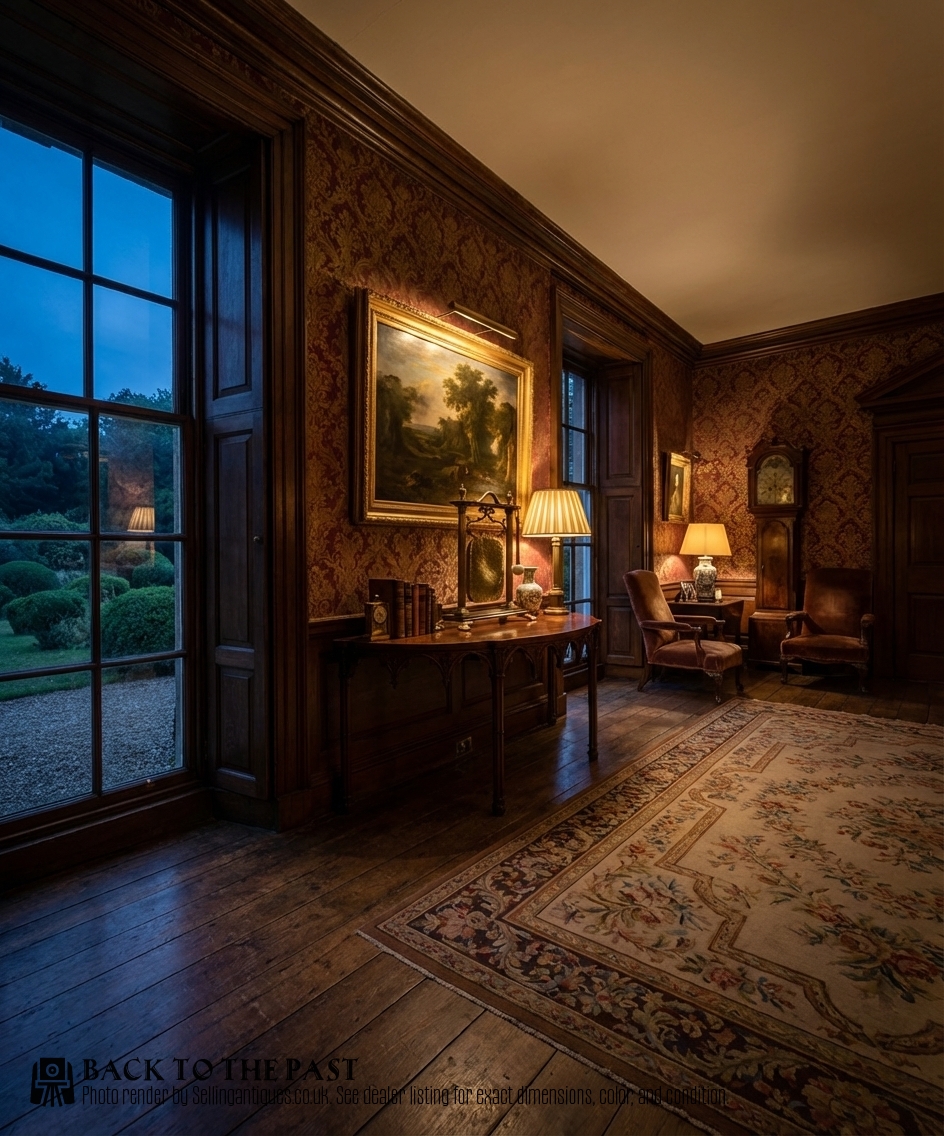
Dinner gongs were placed in hallways or dining rooms of country houses and domestic residences. They served to gather household members and guests for meals.
The sound carried through the property easily, making them practical for large Edwardian and Victorian homes.
How do I identify an Edwardian chime?
Look for stylistic markers such as inlaid marquetry, Edwardian proportions, and specific timber choices like mahogany or oak. Movement signatures and architectural case details also help date the piece.
Many Edwardian clocks feature distinct bell or tubular chime arrays that became popular during this period.
Can I adjust the chime speed?
Some movements include levers or subsidiary dials marked to regulate or silence the chime. Avoid altering internal pins or hammers without professional guidance.
Clocks with multiple tunes or complex bell arrangements require careful handling to maintain their synchronization.