



Brass Wall Bell
A brass wall bell brings an honest, resonant tone to an interior, built from solid metal to summon, signal or mark the hours.
Brass Wall Bell
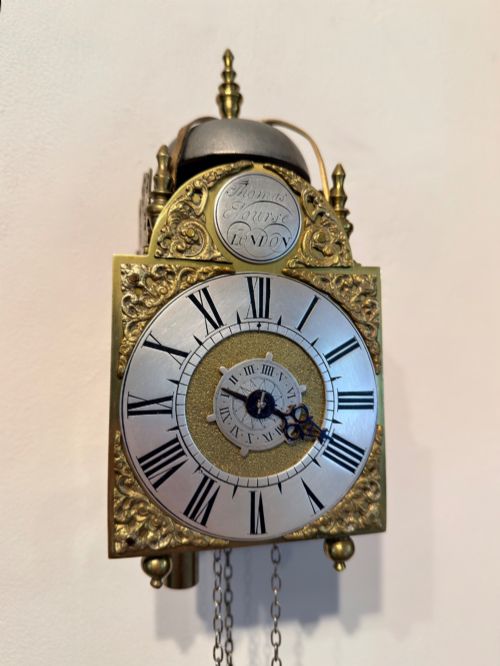
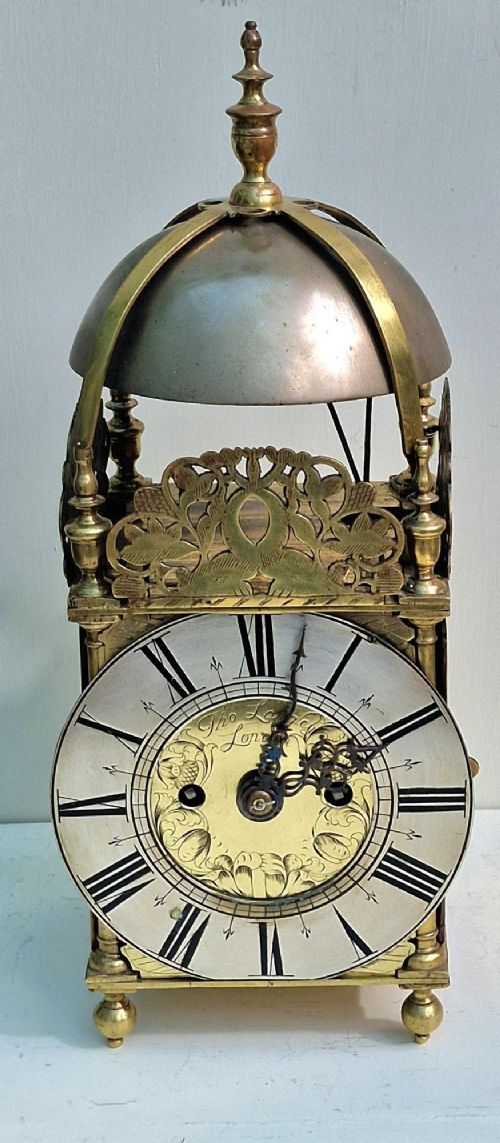
A brass wall bell appears in several distinct forms across the listings, ranging from utilitarian servants' bells and school chimes to ships' clocks and maritime instruments. You will frequently encounter domestic wall bells paired with iron mountings, oak boards or hanging mechanisms designed for attachment to a wall.
The objects span centuries of production, appearing in Georgian, Victorian, and Edwardian configurations alongside mid-century maritime pieces and older lantern clocks. These pieces combine functional signaling with decorative metalwork, utilising wall-mounted brackets, pulls and clappers to produce sound.
While some examples take the form of simple hanging bells intended for ships or country houses, others incorporate complex striking movements, drop dials and dinner gongs. The selection includes French and Italian variants alongside English domestic and maritime examples.
How they were made
Makers utilised cast brass for the primary bell components, shaping the metal to achieve a clear, sustained resonance when struck by a clapper or internal hammer. Iron and steel frequently provide the structural support, mounting brackets and internal mechanical linkages required to secure the heavy metal to a vertical surface.
Wood elements such as oak, mahogany and walnut appear in backplates, clock cases and support boards, often carved or polished to complement the polished metalwork. Glass and silvered metal details complete the dials and faces of the associated clock and chime mechanisms.
One surviving silk and bead bell pull brings a touch of soft embroidery to the heavy world of cast metal.
What varies in quality
The distinction between standard utility items and finer examples lies in the precision of the casting and the execution of any accompanying mechanism. Heavy, uniform brass walls and well-finished mountings produce a cleaner, deeper tone than thin or hastily cast alternatives.
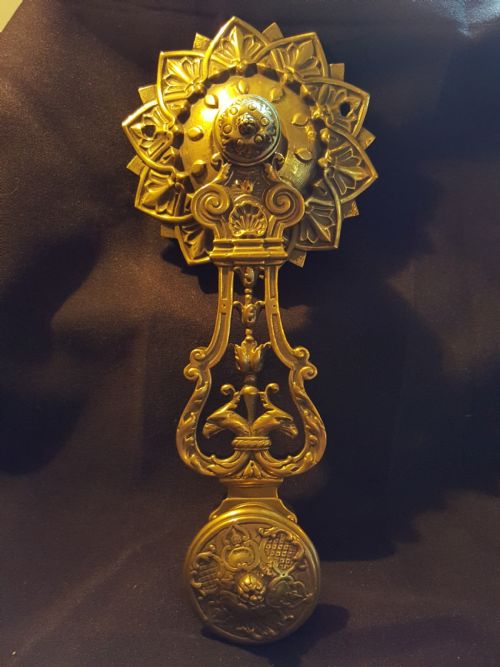
Ornate detailing, such as French Rococo Revival styling or intricate engraving on the metalwork, separates decorative pieces from plain functional hardware. The integration of original clappers, ropes, backplates and synchronised striking movements further distinguishes the range.
Thomas Langley·Windmills and Bennet·Samuel Tinham·Schatz of Germany
The Brass Wall Bell Glossary
- Clapper
- The internal metal tongue or ball suspended inside a bell that strikes the interior wall to produce sound.
- Lantern Clock
- An early type of brass chamber clock, typically wall-mounted on brackets with exposed weight drives and bell striking at the top.
- Twin-Fusee
- A clock movement utilising two fusee cones and chains to equalise the pull of the mainspring as it unwinds, ensuring accurate timekeeping and reliable bell striking.
- Dinner Gong
- A suspended metal disc or bell, frequently mounted on an oak or mahogany board, used in large houses to summon guests to meals.
- Drop-dial Wall Clock
- A clock featuring a circular dial mounted above an extended wooden case, often housing a bell-striking mechanism.
Brass Wall Bell: Frequently Asked Questions
How were brass wall bells used historically?
These bells served primarily to communicate across rooms or buildings, with servants' bells summoning staff and school or coffee house bells regulating daily schedules.
Maritime variants regulated watches aboard ships, while domestic wall bells and dinner gongs marked mealtimes in large country houses.
How do I mount a wall bell securely?
Most pieces feature integrated iron brackets, wooden backing boards or wall-mounting plates designed to bear the substantial weight of the cast metal.
Ensure the fixings match the material of your wall, whether solid masonry or timber studwork, to support the vibration and pull of the clapper.
How do I distinguish Victorian from Georgian examples?
Georgian pieces often display simpler utilitarian forms or classic lantern clock proportions, whilst Victorian examples frequently incorporate ornate cast iron mountings, elaborate wooden backplates or heavier servants' bell assemblies.
Examining the casting methods, screw types and secondary materials like oak or cast iron helps establish the period.
Do these bells come with their original clappers?
Many retain their original internal clappers, ropes or striking hammers, though replacement parts are common in working antique pieces.
Checking the listing details will confirm whether the striking mechanism and sound-producing components remain intact and original to the piece.