





Antique Brass Gong
These antique brass gong pieces summon guests to the table with resonant metal and timber frames.
What They Are
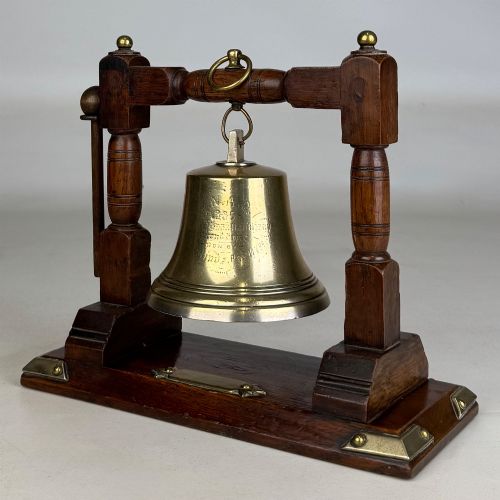
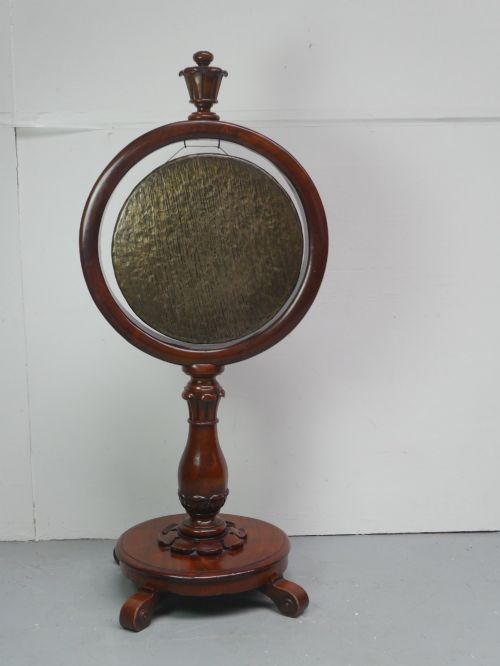
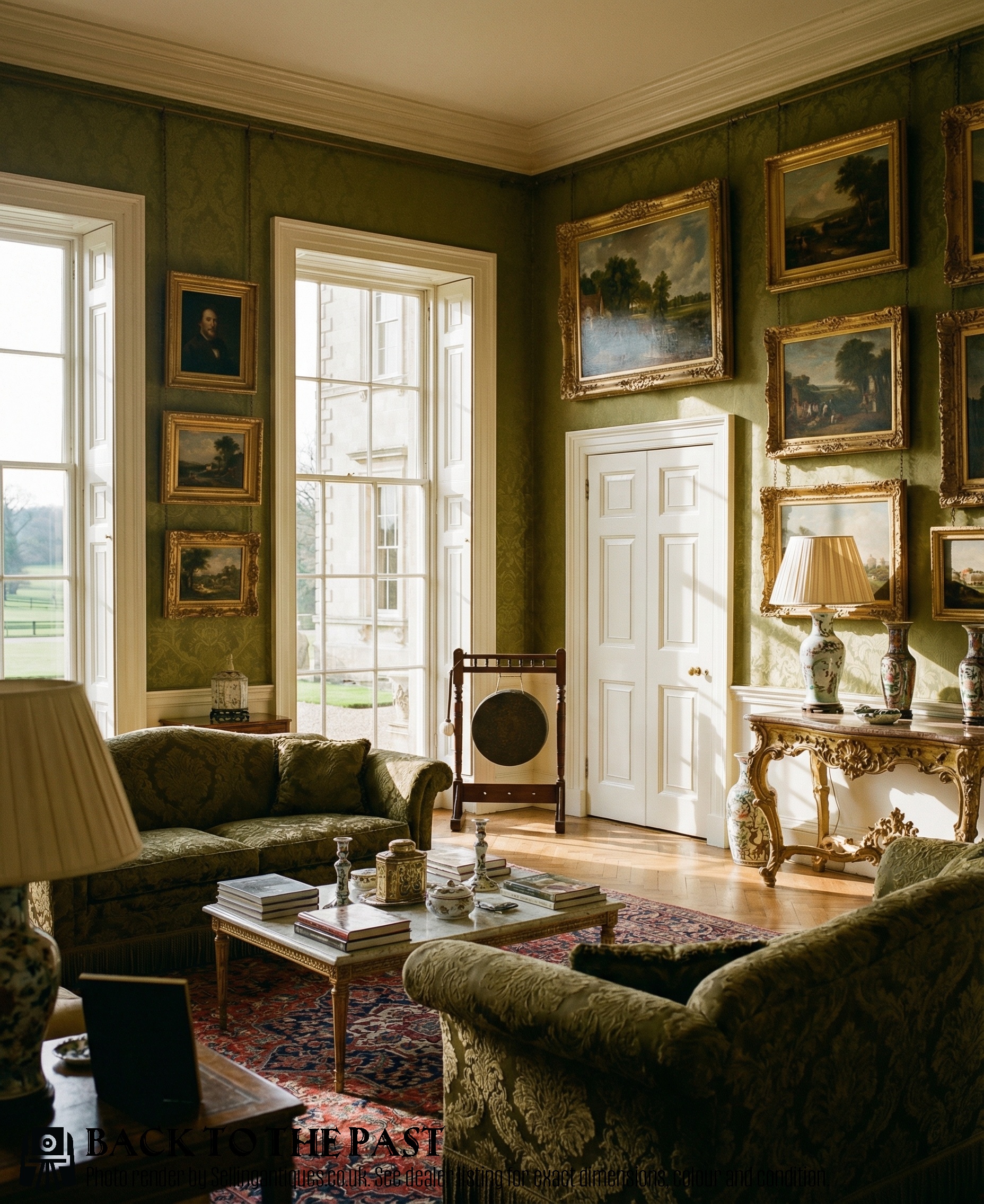
When you search for an antique brass gong, you are looking at resonant percussion instruments designed principally for domestic summons and hospitality. The listings here present dinner gongs, table gongs, and wall chimes spanning the Victorian and Edwardian eras.
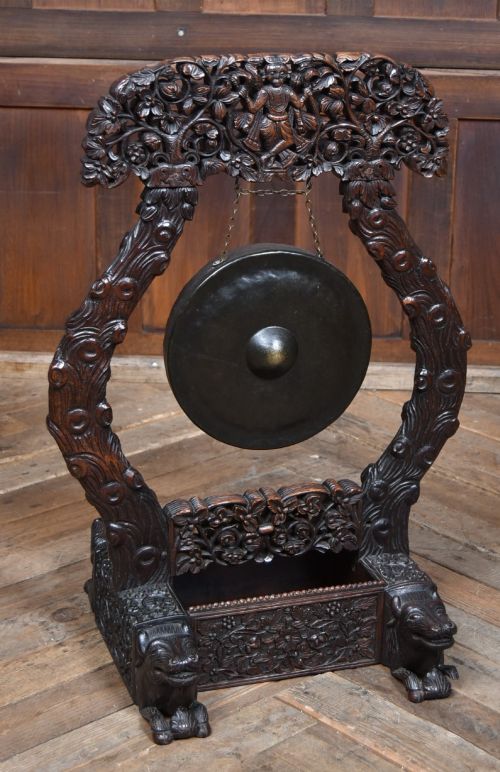
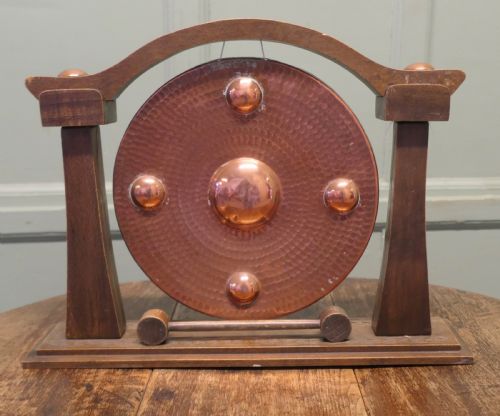
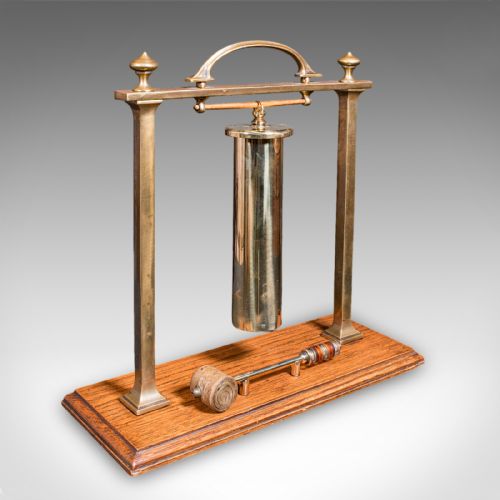
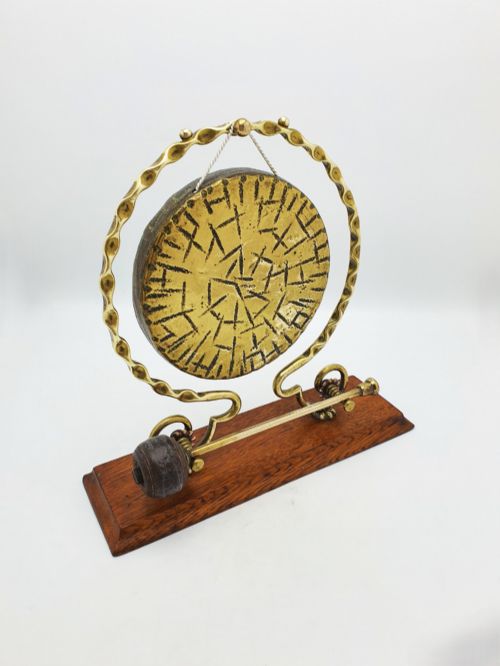
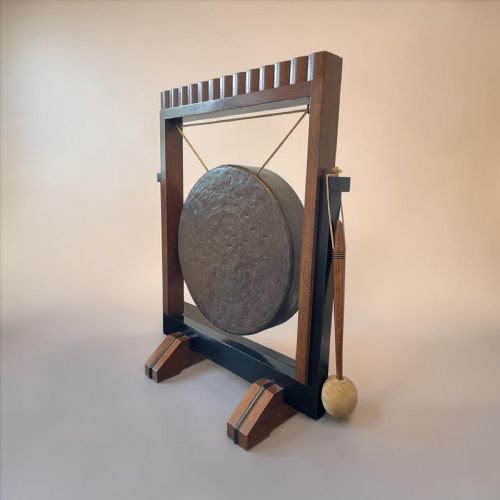
You will most frequently meet domestic pieces combining a circular metal disc with a wooden suspension frame, often fashioned from oak or mahogany. These objects originated in large households to announce meals, afternoon tea, or shooting lodge gatherings.
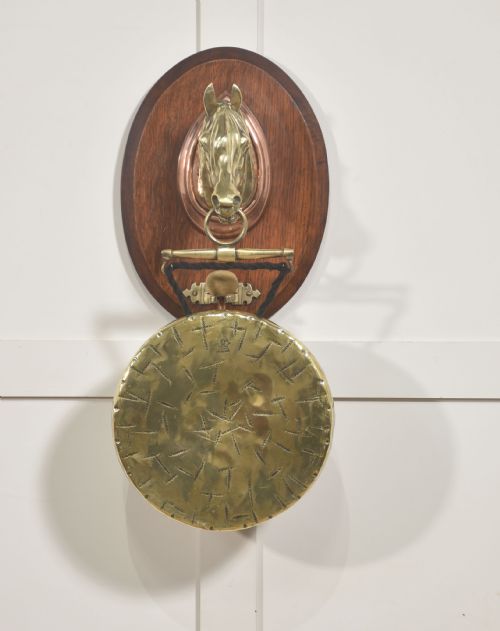
The selection also encompasses regional variants such as Burmese or Southeast Asian pieces alongside European designs, including wall-mounted iterations and figural supports like horse heads and peacock motifs.
How They Were Made
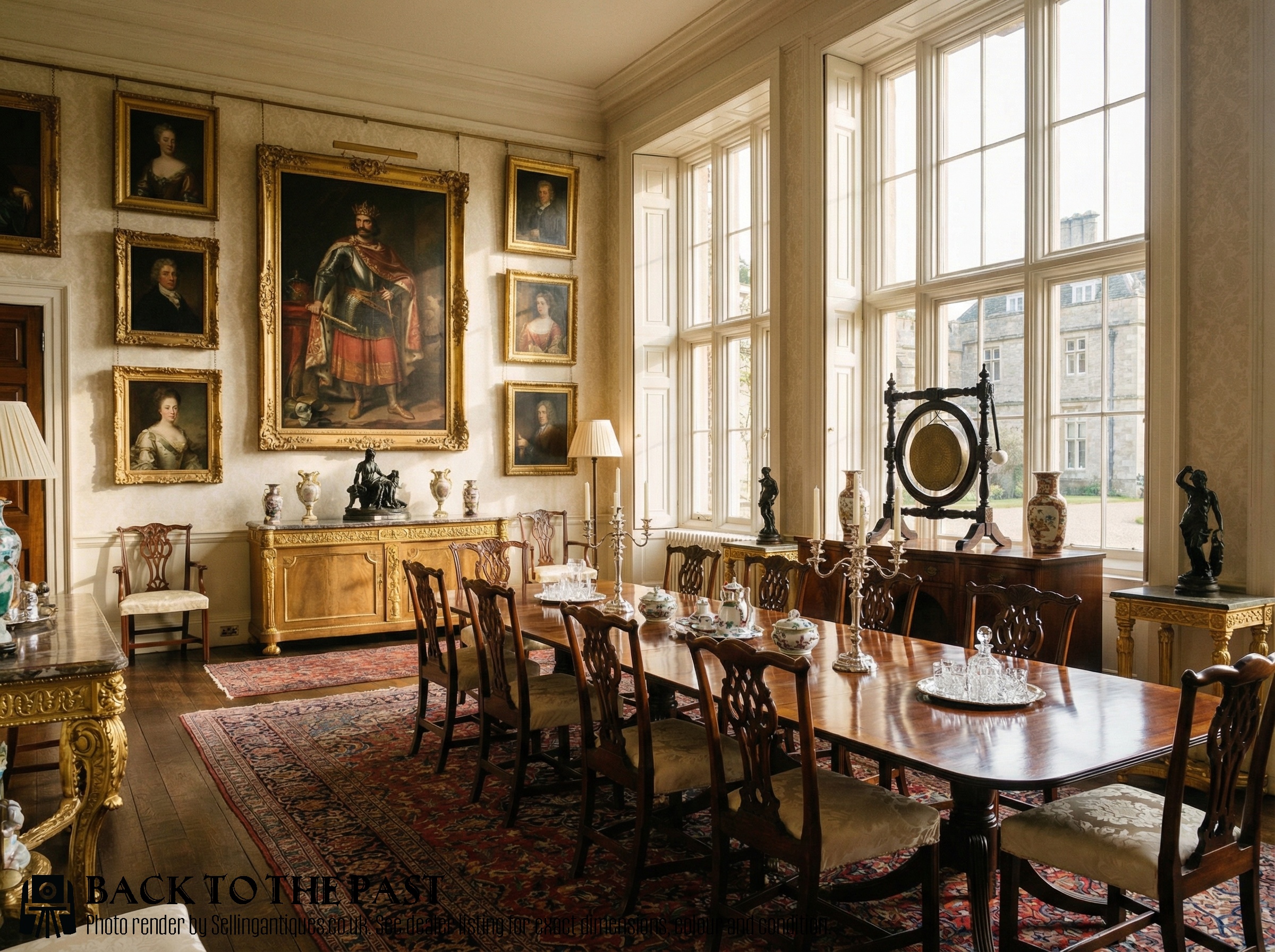
The primary metal components consist of cast or hammered brass and bronze, frequently suspended from solid timber chassis using cord, fabric, or metal hooks. Frames utilise seasoned woods like oak, mahogany, carved teak, rosewood, and bamboo.
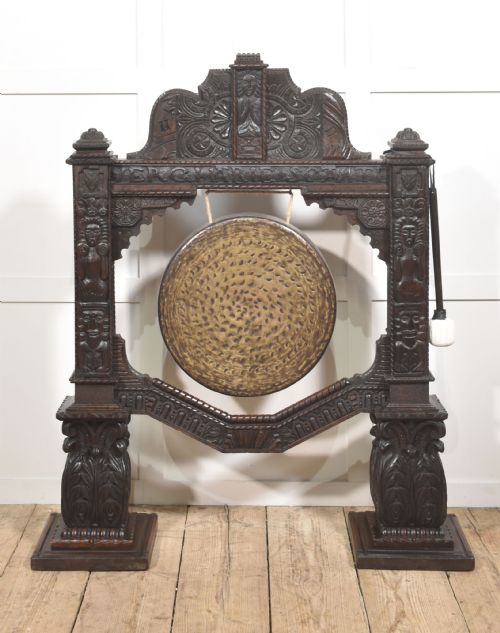
Cabinetmakers and metalworkers constructed these mounts with traditional joinery, incorporating decorative brass stampings, ordnance metal, and figural carvings such as horse head mounts or Art Nouveau sunbursts to embellish the hanging structures.
Retail Price Guide 2026
Typical UK retail prices for brass gong, calculated from the Sellingantiques database of over a million retail prices indexed since 2003. This retail price guide relies exclusively on Sellingantiques data; no external sources or auction records are used, so the figures do not describe the wider market.
A stately home dinner gong ensures nobody can ever ignore the summons to afternoon tea.
What Varies in Quality
Quality rests upon the resonance of the metal disc and the architectural ambition of the supporting frame. Superior examples feature heavier brass alloy with sustained acoustic tone and dense, finely figured timber mounts.
The distinction between ordinary and exceptional pieces often lies in the mount, moving from simple planks to detailed figural carvings, specialised regional imports, or branded maker details like those from William Tonks.
William Tonks
The Antique Brass Gong Glossary
- Dinner Gong
- A suspended metal disc struck with a mallet to announce meals in large houses. These pieces often hang from oak or mahogany frames designed for tabletops or walls.
- Table Gong
- A smaller scale version of the domestic chime designed to sit directly on furniture. They are frequently encountered from the Victorian and Edwardian periods.
- Wall Chime
- A gong secured to vertical timber panels for hanging in hallways and reception rooms. Examples range from simple oak boards to ornate Italian palazzo designs.
- Ordnance Metal
- Metal sourced from military equipment utilised in specific period pieces. This material appears in regiment-associated gongs from the First World War era.
- Figural Mount
- A support carved or cast into the shape of an animal or naturalistic form. Common motifs include horse heads, peacocks, and naturalistic foliage.
Frequently Asked Questions
How do I hang a wall gong?
Wall-hanging gongs require secure fixing to plasterboard or brick using appropriate wall plugs and screws to bear the combined weight of the timber frame and metal disc.
The suspension cord or hook should be checked for stability before hanging to ensure the resonant metal swings freely without striking the wall.
What were dinner gongs used for?
Dinner gongs served as domestic communication tools to gather family and guests from various rooms for meals, afternoon tea, or formal events.
The deep resonance carried across large Victorian and Edwardian residences where servants or hosts needed a reliable method for audible summons.
How do I clean brass and wood?
Brass components benefit from gentle dusting and occasional cleaning with a mild, non-abrasive metal polish to maintain their surface sheen without removing historic patina.
Timber frames require simple waxing or polishing with a dry cloth to nourish the oak, mahogany, or teak without introducing moisture to the hanging cords.
Are all gongs British?
While many pieces originate from English workshops and Scottish shooting lodges, the category includes international examples such as Burmese and Italian designs.
Makers imported and adapted styles from various regions, resulting in diverse decorative treatments including bamboo mounts and Southeast Asian metalwork.