

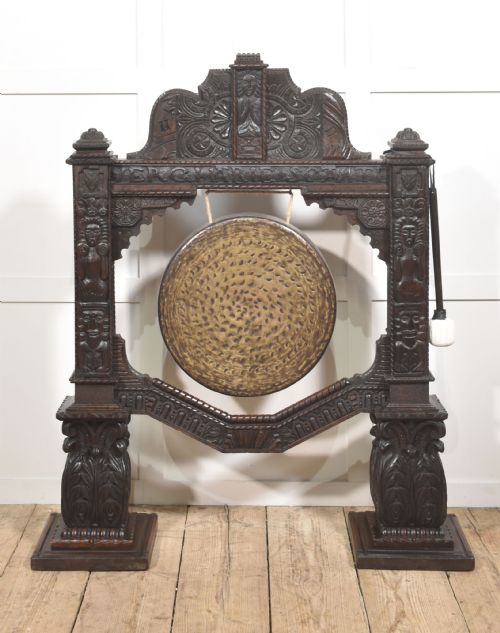


Standing Dinner Gong
A standing dinner gong summons household and guests alike, combining resonant brass or bronze with timber framing for the daily meal.
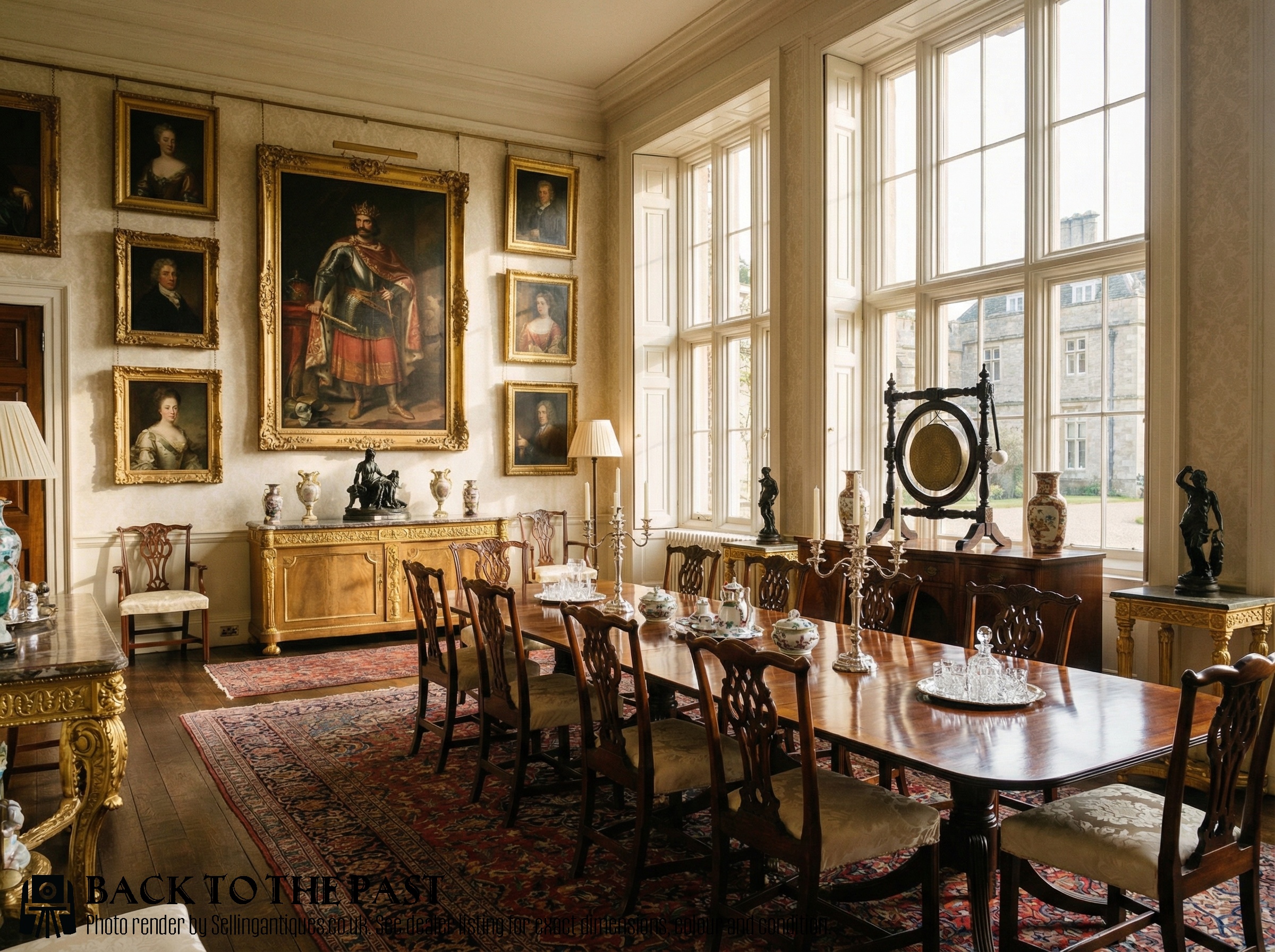
Standing Dinner Gong
A standing dinner gong provides the traditional domestic signal for meals, utilising a suspended metal disc struck with a mallet. When you search for a standing dinner gong, you encounter large floor-standing designs alongside substantial hall pieces.
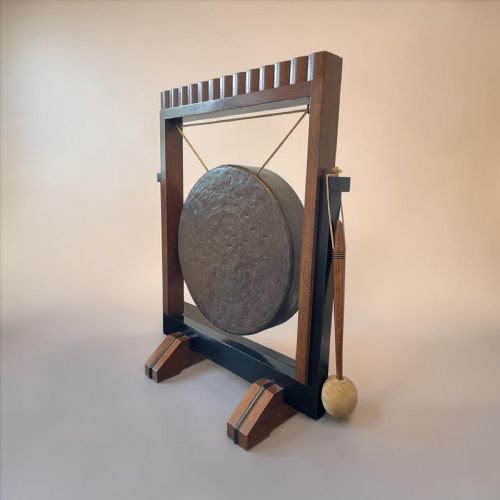
The pieces on this page span the nineteenth century through the nineteen-thirties, encompassing Victorian, Edwardian, and Art Deco periods. Oak and walnut frames predominate, frequently accompanied by brass or bronze gongs.
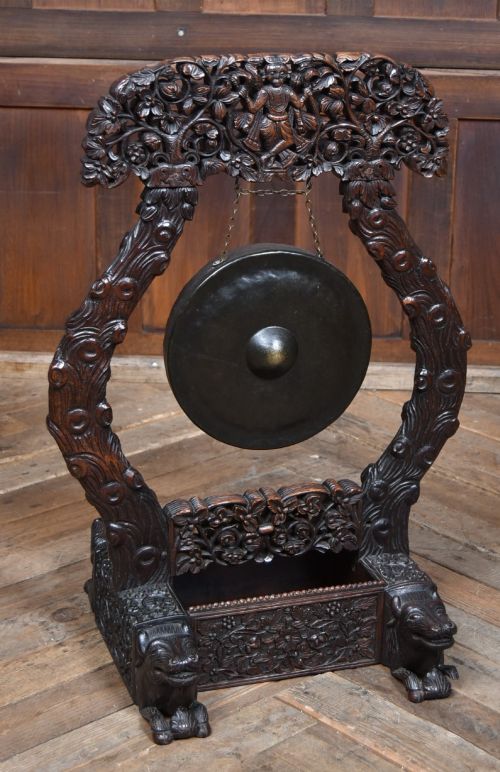
Geographic influences vary widely, ranging from Scottish and English country house vernacular to Chinese Export, Burmese, and Anglo-Indian carving traditions. Gothic Revival and Arts and Crafts aesthetics also shape the timber mounts.
Materials and Construction
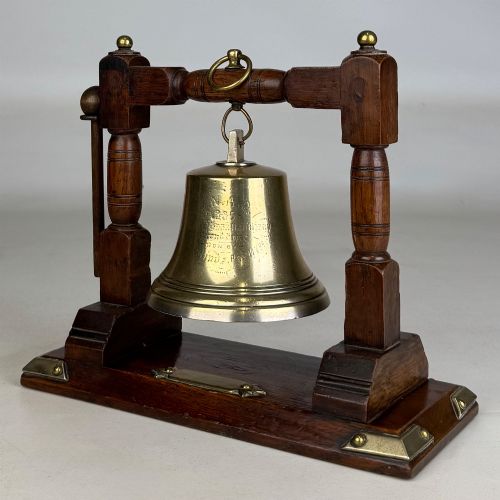
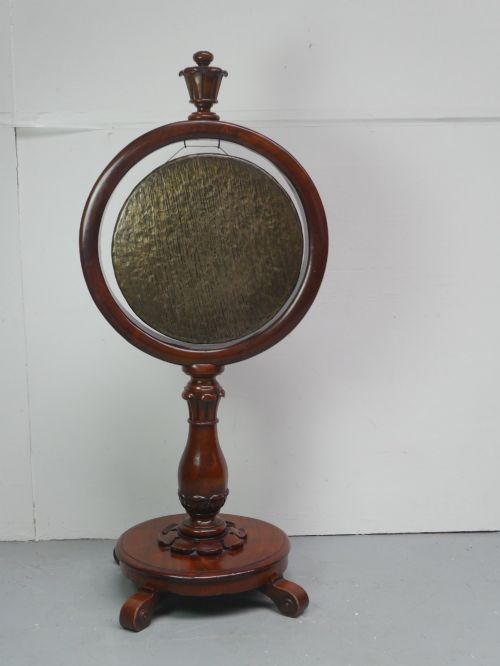
Frames are constructed from sturdy hardwoods including oak, mahogany, and walnut, frequently joined with mortise and tenon techniques to support the swinging weight. Wrought iron and cast iron also appear in structural floor frames.
Gongs themselves are cast from brass, bronze, or silver plate, hung securely from the timber or metal structure by cord. Carved ornamentation on oriental and Gothic revival examples demonstrates detailed hand chiselling into the dense wood.
Standing Dinner Gong Retail Price Guide 2026
Typical asking prices for standing dinner gong among the pieces listed under this phrase on Sellingantiques today, from the lower quarter to the upper quarter. They describe what is for sale here now, not the wider market.
Some nineteenth-century halls relied on a fierce-looking dragon to remind dinner guests that cold soup was simply not an option.
Distinctions in Quality
Quality rests in the resonance and weight of the metal gong, alongside the architectural integrity and timber selection of the supporting stand. Denser hardwoods and deeply figured oak or walnut elevate the presence of the piece.
Carved detail differentiates standard items from exceptional examples, particularly where regional motifs such as Green Man faces or intricate Chinese dragon carvings are executed with precision. The harmony between the proportion of the frame and the diameter of the suspended disc dictates the visual balance.
The Standing Dinner Gong Glossary
- Gong
- A percussion instrument consisting of a flat or shaped metal disc that produces a resonant tone when struck. It forms the acoustic centre of every assembly.
- Gothic Revival
- An architectural and decorative style drawing on medieval pointed arches and heavy timber framing. This aesthetic heavily influences nineteenth-century dining room furnishings.
- Arts and Crafts
- A design movement valuing visible construction, honest materials, and handcrafted joinery. Walnut and oak examples often display these principles.
- Chinese Export
- Objects manufactured in China specifically for Western markets, incorporating traditional iconography like dragons and dense floral carving. These pieces frequently date to the nineteenth century.
- Silver Plate
- A thin layer of silver applied to a base metal to provide a bright reflective finish. Novelty table gongs occasionally employ this treatment.
Standing Dinner Gong: Frequently Asked Questions
How do I choose the right size?
Consider the scale of your hallway or dining room before selecting a floor-standing or table model. Larger country house gongs require adequate clearance to resonate fully without acoustic distortion.
Ensure the ceiling height and floor space accommodate the width of the wooden frame. Floor-standing examples naturally command a larger visual footprint than table versions.
What wood types are most common?
Oak is the predominant timber found in these frames, varying from plain nineteenth-century boards to heavily carved Gothic Revival panels. Walnut and mahogany also appear frequently in Edwardian and later pieces.
Each timber brings a distinct colour and grain pattern to the stand. Hardwood selection typically reflects the prevailing domestic interior fashions of its period.
How were these gongs used originally?
Household staff struck the suspended metal disc at specific intervals to announce the evening meal to family members and guests. The deep tone carried across large country houses from hallways or reception areas.
Over time, the ritual evolved from a strict formality into a traditional household feature. They remain functional instruments capable of producing a clear, resonant note.
How do I care for the metal and wood?
Dust the timber frame regularly with a dry cloth and maintain the natural moisture of the hardwood with appropriate wax. Avoid harsh chemical cleaners on antique finishes.
Brass and bronze gongs develop a natural patina over decades of exposure to the air. Gentle cleaning preserves this surface character without removing the historic appearance.