
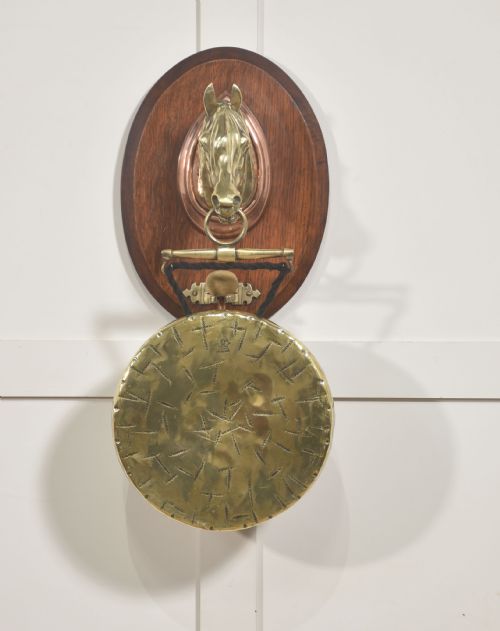


Edwardian Oak Gong
An edwardian oak gong brings a resonant call to the home, pairing sturdy timber frames with bright brass resonance.
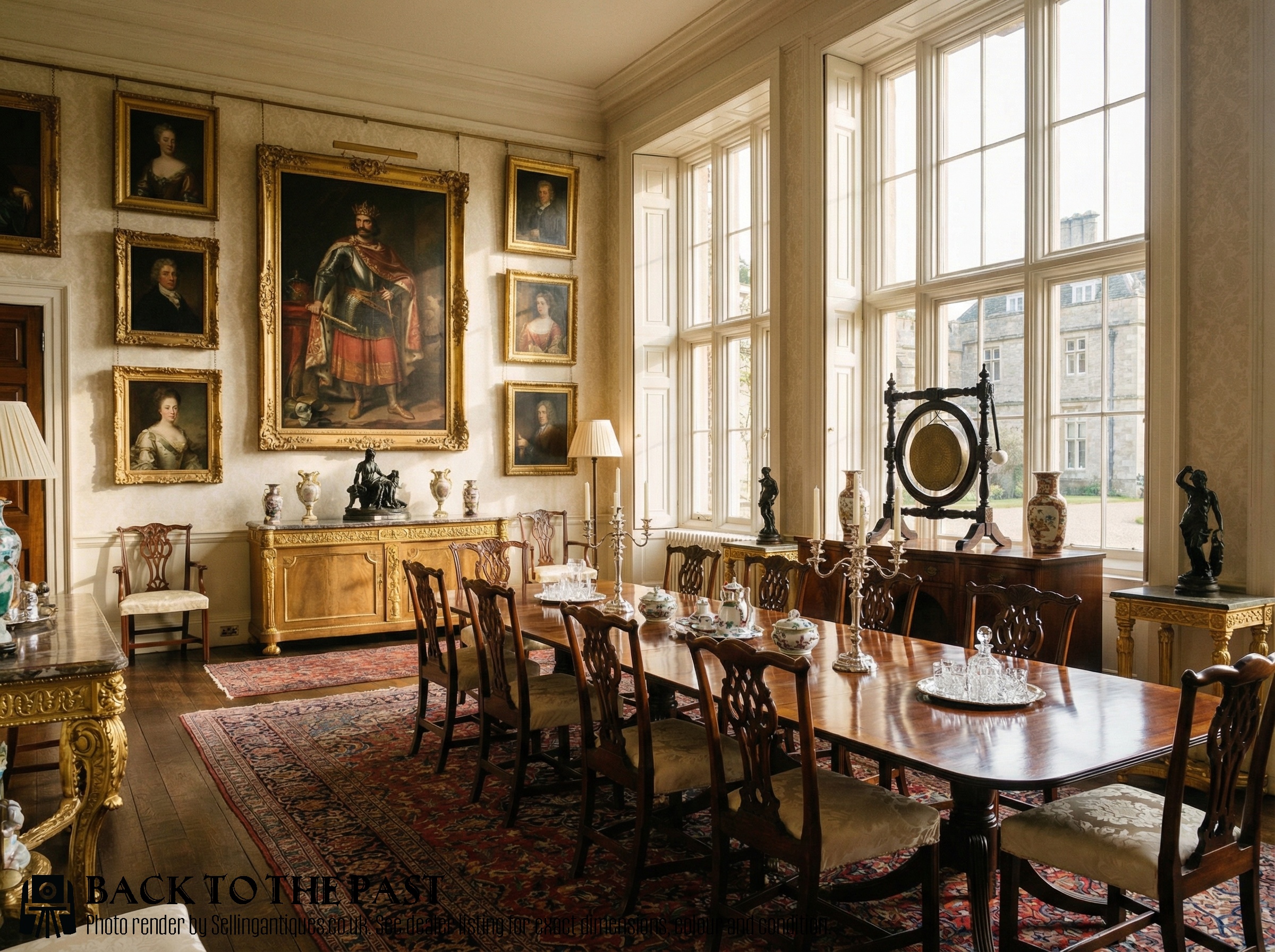
Edwardian Oak Gong
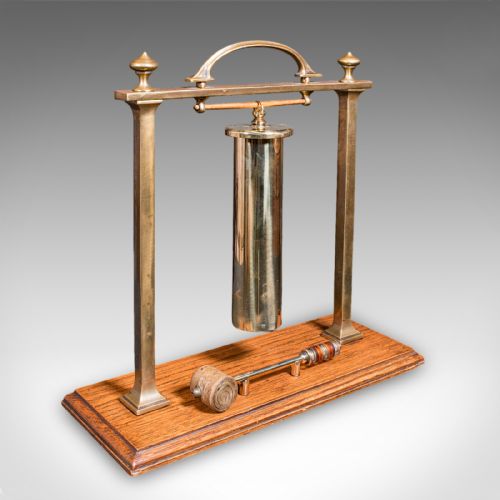
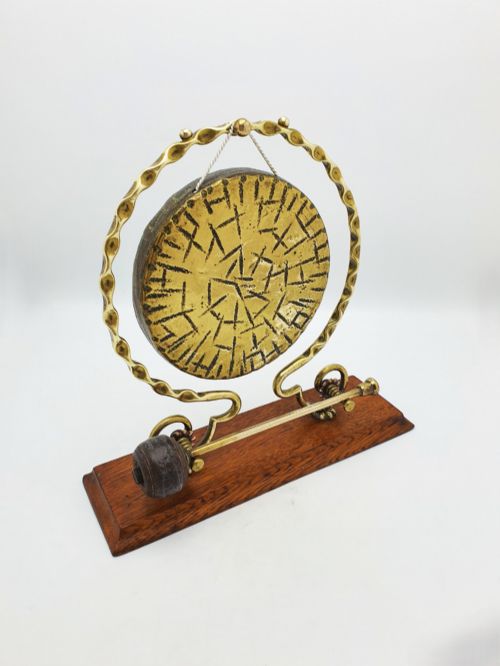
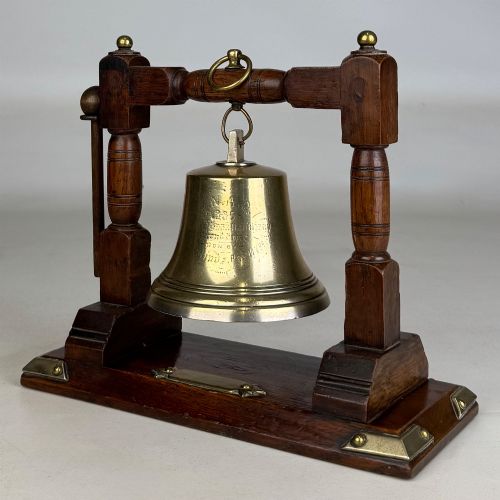
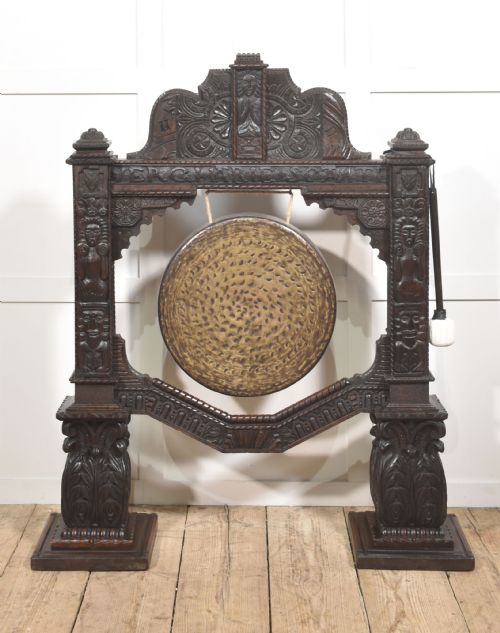
An edwardian oak gong comprises a suspended metal disc or bell struck with a mallet, mounted within a robust timber framework. These pieces range from compact table versions to monumental floor-standing designs intended to summon households to dinner.
The materials recorded across the evidence point to sturdy oak frames combined with brass disks, often suspended by cord, rope, or leather straps. Certain examples introduce alternative elements such as silver plate, horn, or copper to diversify the visual and acoustic character.
Buyers most frequently encounter table-top formats alongside wall-hanging or freestanding floor models. Stylistic influences span from plain Edwardian forms to Gothic Revival, rustic interpretations, and equestrian motifs.
What varies in quality
The distinction between standard and superior pieces rests upon the ambition of the timber carving and the weight of the brass. Heavier brass plates yield a richer, more sustained tone, while deeply carved oak frames exhibit greater craftsmanship.
Construction methods also set pieces apart, distinguishing simple bolted stands from substantial framed structures and floor-standing architecture. The quality of the suspension cord, leather, or rope contributes to the overall integrity of the design.
Edwardian Oak Gong Retail Price Guide 2026
Typical asking prices for edwardian oak gong among the pieces listed under this phrase on Sellingantiques today, from the lower quarter to the upper quarter. They describe what is for sale here now, not the wider market.
An enthusiastic strike on a horse shoe and silver plate dinner gong once startled entire households into hasty dining.
The Edwardian Oak Gong Glossary
- Dinner Gong
- A resonant metal disc or bell suspended from a stand, used historically to signal meal times. It produces a deep, echoing chime when struck.
- Striker
- A handheld mallet or beater designed to hit the gong or bell. These often feature matching wooden handles and cushioned heads.
- Gothic Revival
- An architectural and decorative style drawing on medieval forms. Pieces in this aesthetic feature pointed arches, tracery, and heavy carved details.
- Floor Gong
- A large freestanding version designed to stand directly on the floor rather than on a table or wall. These command significant space in a hallway or reception room.
- Table Bell
- A smaller desk or table-top bell utilised for summoning servants or service. They share materials with larger gongs but lack suspension frames.
Edwardian Oak Gong: Frequently Asked Questions
How do you clean an oak gong?
Dust the oak frame regularly with a dry cloth and avoid harsh chemical polishes that might degrade the finish. Brass components respond to mild metal cleaner applied sparingly with a soft cloth.
Take care to keep moisture away from the cord, rope, or leather suspension straps to preserve their strength. Regular gentle maintenance keeps the timber and metal in stable condition.
Where were these placed originally?
These pieces sat in entrance halls, dining rooms, and reception areas of large houses. Floor-standing and wall models filled grand hallways to project sound throughout the house.
Table-top versions rested on sideboards or hall tables for domestic use. Their placement ensured the summons reached every corner of the household.
How do you date an Edwardian gong?
Dating relies on stylistic clues, construction methods, and period characteristics recorded across the era. Edwardian pieces often share proportions and carving styles with furniture from nineteen hundred to nineteen twenty.
Examine the fixings and materials, comparing them against documented examples from the early twentieth century. Hallmarks or stamps on the brass can occasionally provide further chronological context.
What is the mallet made from?
Strikers and mallets typically incorporate matching wooden handles paired with striking heads of wood, metal, or leather. Many survive with their original mallets intact.
Replacement mallets are sometimes used if the original striker has been lost over time. The material of the head alters the resonance produced when striking the brass.