





Victorian Table Chime
These Victorian table chime pieces bring resonant brass gongs and chiming clockwork into the room, offering both functional timekeeping and rich sound.
Victorian Table Chime
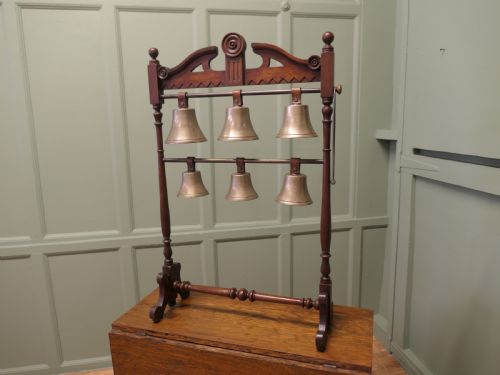
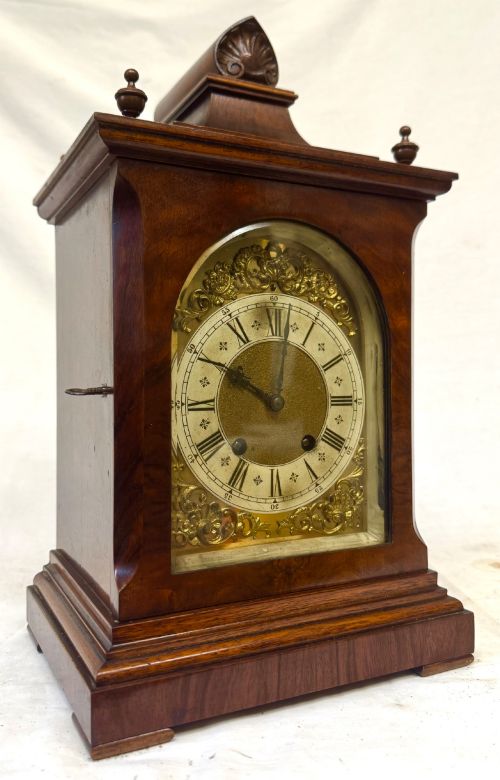
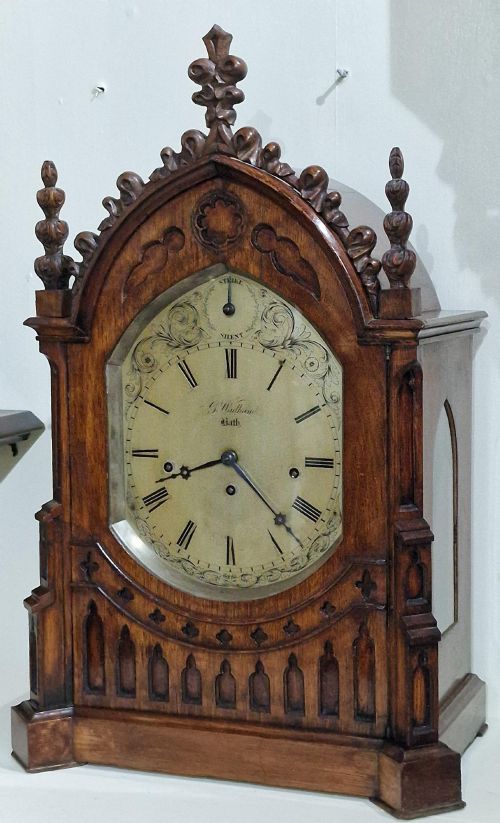
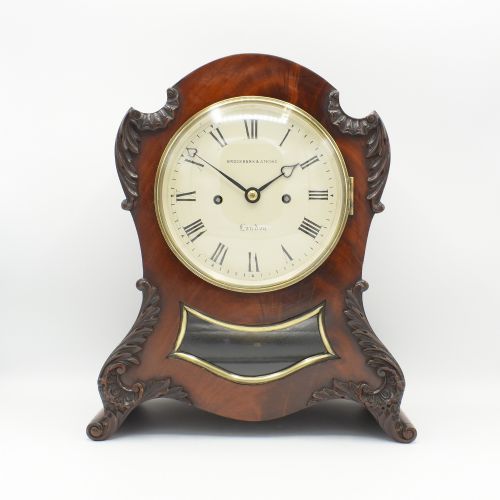
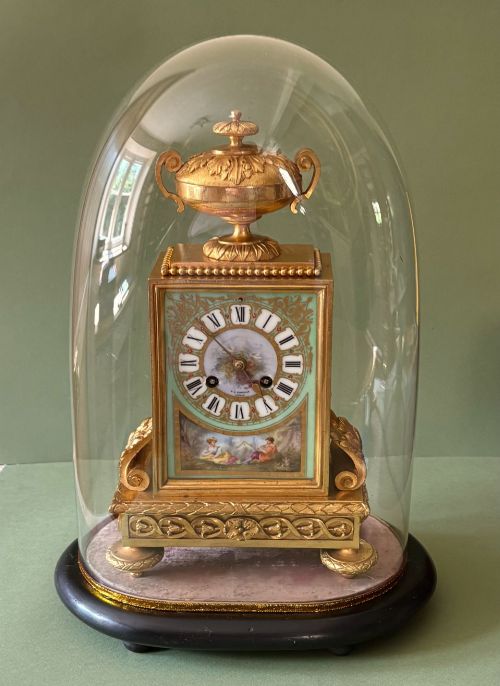
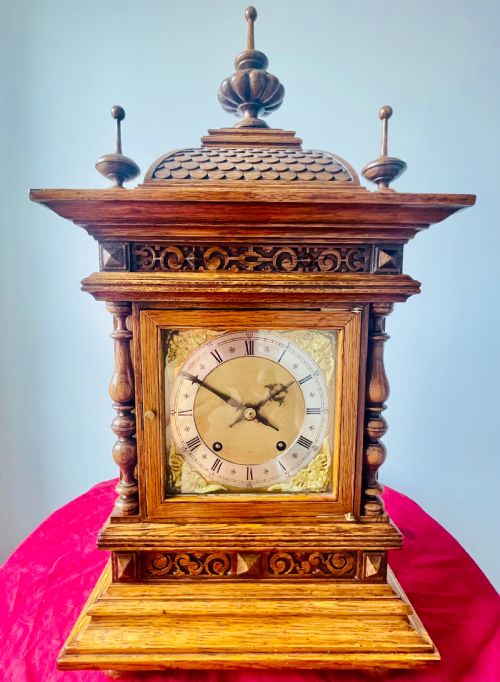
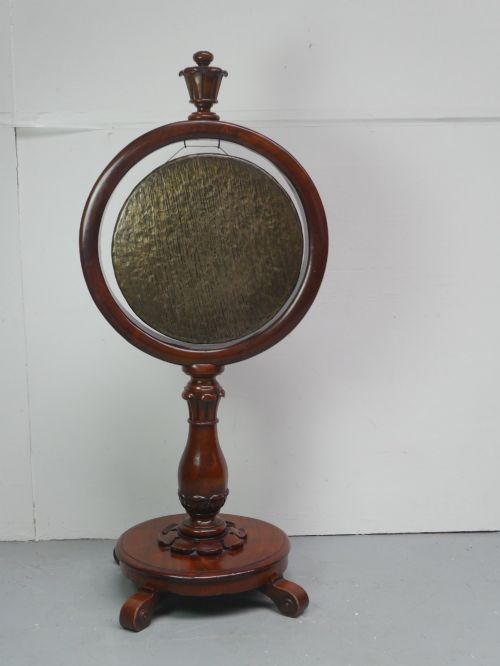
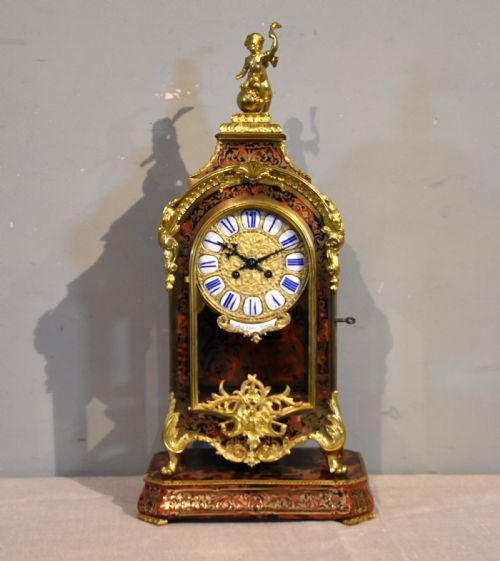
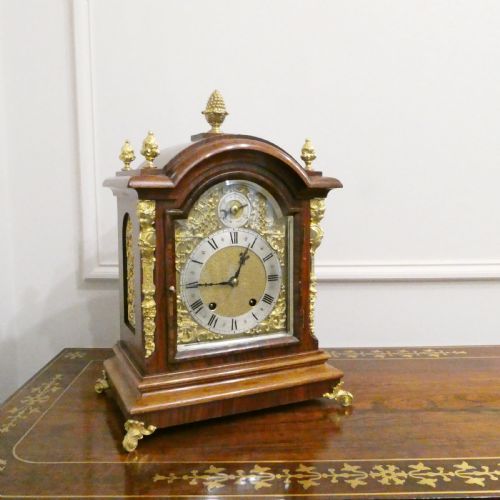
A victorian table chime typically appears on this page as a mantel clock, bracket clock, or dinner gong designed for tabletop or shelf placement. These pieces include striking or chiming mechanisms housed in architectural wooden cases or mounted upon metal frames.
The domestic forms vary from compact brass tabletop gongs and bamboo frames to elaborate triple-fusee musical bracket clocks playing multiple tunes on bells. Walnut, oak, and ebonised wood dominate the housing choices for these working sound instruments.
Materials and construction
Makers utilised dense timbers such as walnut, oak, and mahogany for the structural clock cases and gong frames, frequently incorporating brass dials, glass panels, and ormolu mounts. Ebonised wood and bamboo also appear in the material mix for both clocks and gongs.
The internal mechanics rely on precision brass gear trains, fusee movements, and tuned metal bells or gongs to produce the distinctive chiming notes. Skilled artisans combined cabinetry with intricate horological engineering.
Materials across these listings span heavy brass, cattle horn, bamboo, and silver-plated metal alongside walnut and ebonised timber.
Judging the range
The refinement of the internal movement and the complexity of the chiming mechanism dictate the standing of a piece. Simple strike movements contrast with intricate triple-fusee musical systems operating multiple bells.
Cabinet craftsmanship and decorative detail also set examples apart. Heavily carved wooden cases, gilt bronze mounts, and porcelain elements separate standard production from more ambitious workshop output.
George Wadham·Brockbanks & Atkins·Winterhalder & Hofmeier·Mappin & Webb·Budgen Croydon
The Victorian Table Chime Glossary
- Fusee
- A conical pulley used in clock movements to maintain even tension on the chain as the mainspring unwinds. This mechanism improves the timekeeping accuracy of the clock.
- Bracket clock
- A portable clock originally designed to sit on a wall bracket or table. These spring-driven pieces frequently feature elaborate chiming or striking trains.
- Ting-tang
- A two-bell striking mechanism that sounds the quarters or hours with a distinctive two-tone sequence. It offers a lighter acoustic note than a deep gong.
- Ormolu
- Gilded bronze applied as decorative mounts on furniture and clock cases. The technique creates a bright golden finish on metal surfaces.
- Triple fusee
- A movement with three separate fusee chains controlling the timekeeping, striking, and chiming trains respectively. It powers complex musical or quarter-chiming functions.
Victorian Table Chime: Frequently Asked Questions
What is a table chime?
A table chime is a domestic sound-producing object, typically a clock with a chiming movement or a suspended metal gong on a stand. These items served both to tell the time and to summon household staff or signal meals.
They sit upon tables, sideboards, or mantels rather than standing on the floor. Their mechanisms range from simple bell strikes to intricate multi-melody musical cylinders.
How do you wind a fusee movement?
Winding requires a matching key inserted into the dial winding square, turned gently until resistance indicates the mainspring is fully tensioned. Care must be taken not to overwind antique mechanisms.
Fusee clocks maintain steady power delivery through a cone and cord system, ensuring reliable performance when properly maintained.
Where were these pieces used?
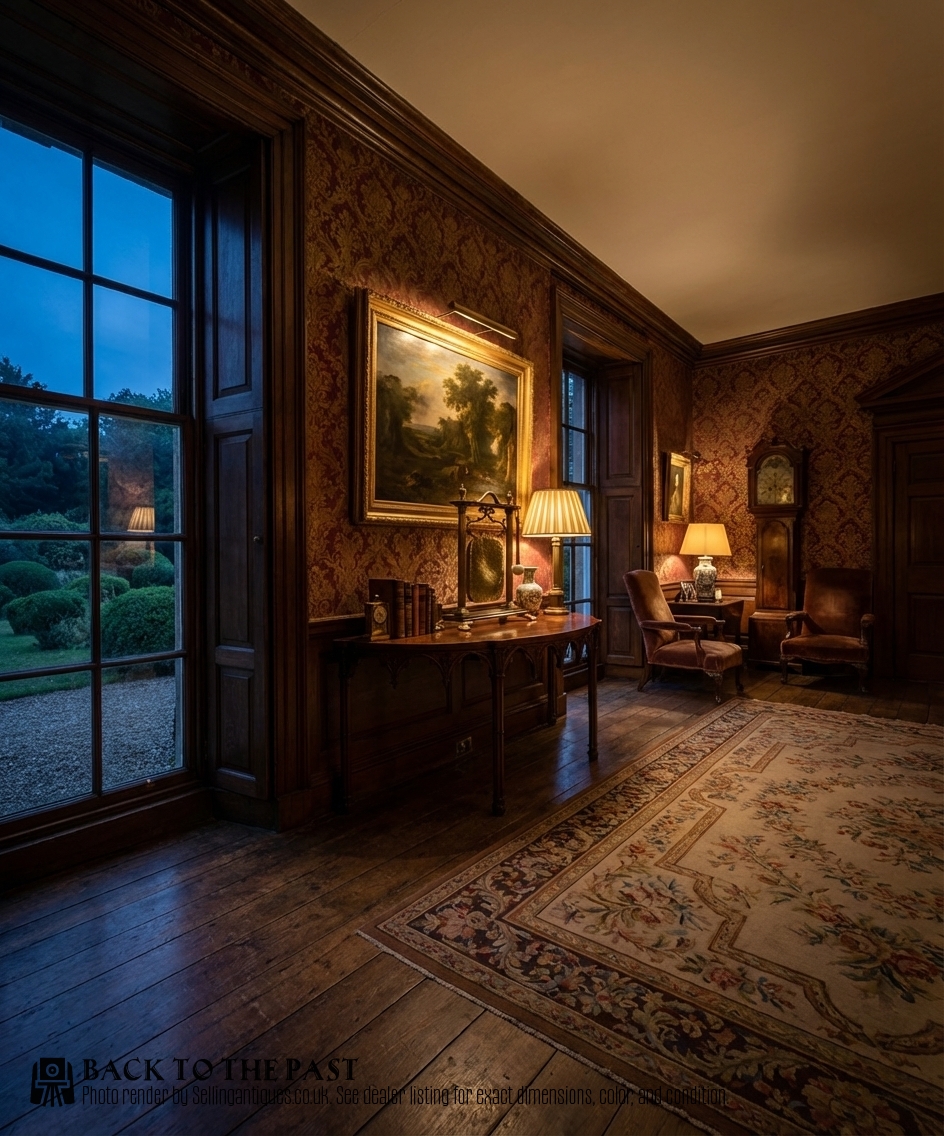
These chimes and gongs found placement in principal rooms of grand houses, country retreats, and Victorian parlours. Clocks graced mantelpieces while gongs stood in hallways or dining rooms.
Their acoustic signals carried across domestic spaces to mark the hours or announce dining times.
How do I care for wooden cases?
Maintain the timber by keeping pieces away from direct heat sources and rapid humidity fluctuations. Light application of appropriate wax preserves polished walnut, oak, and mahogany surfaces.
Avoid liquid cleaners on antique wood and polished brass mounts to protect the original finish.