
Vintage Bedroom Dressing Mirror
A vintage bedroom dressing mirror provides a practical focal point for the room, combining functional glass with period cabinetwork.
Vintage Bedroom Dressing Mirror
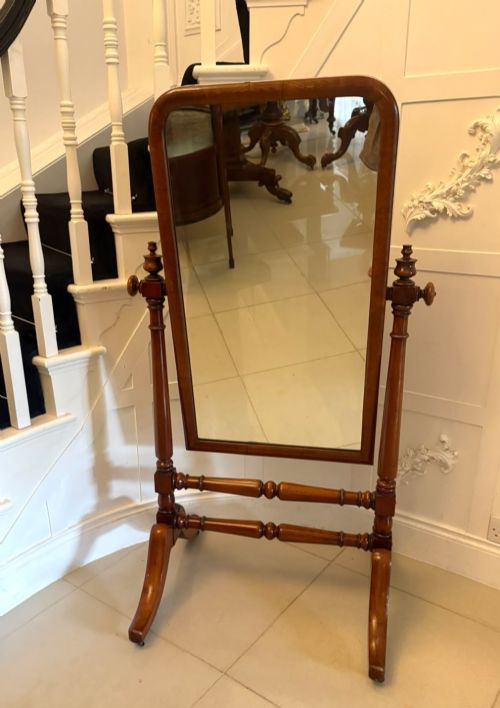
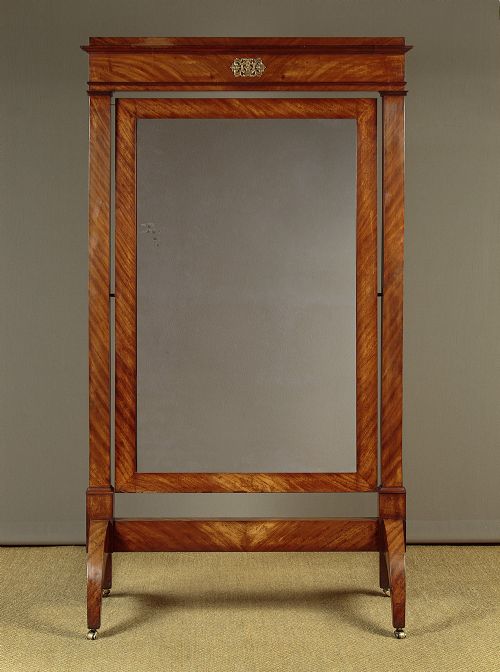
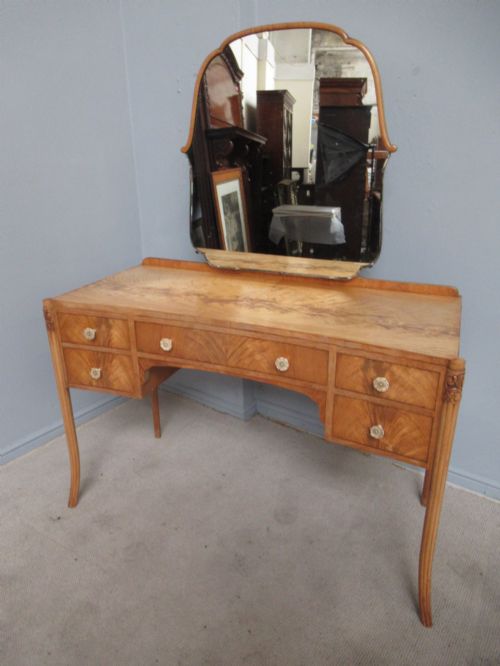
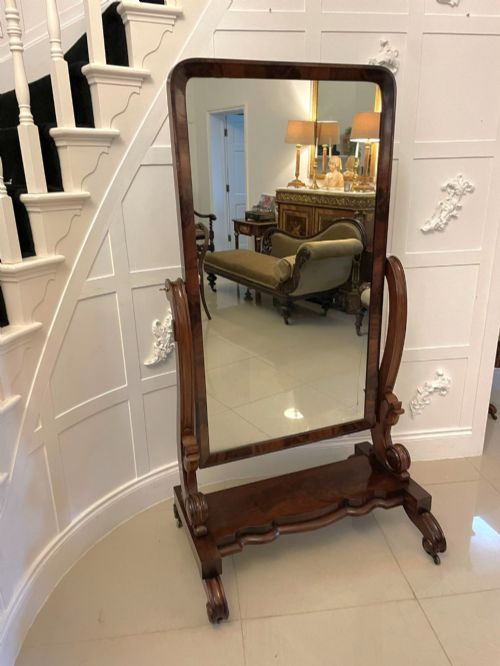
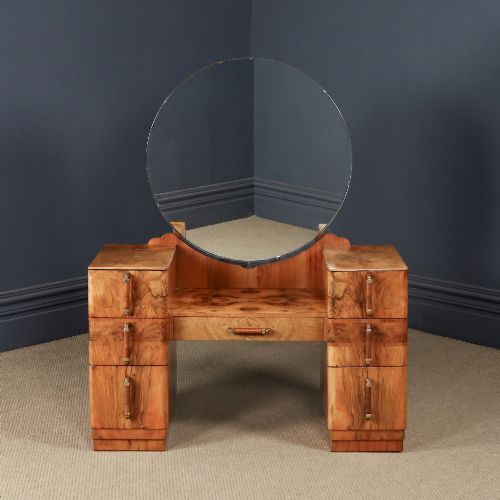
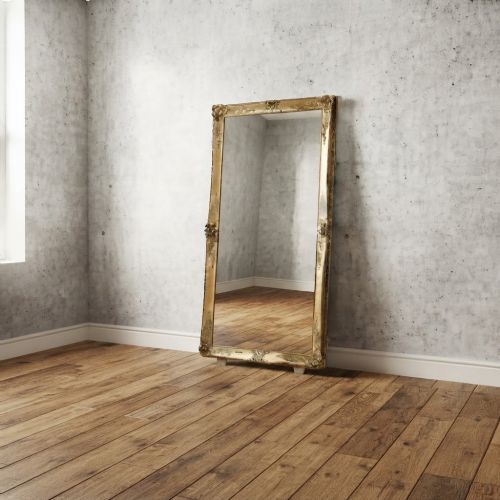
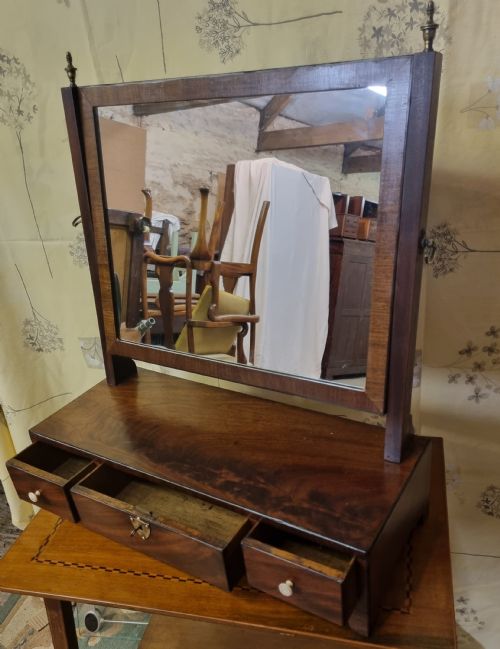
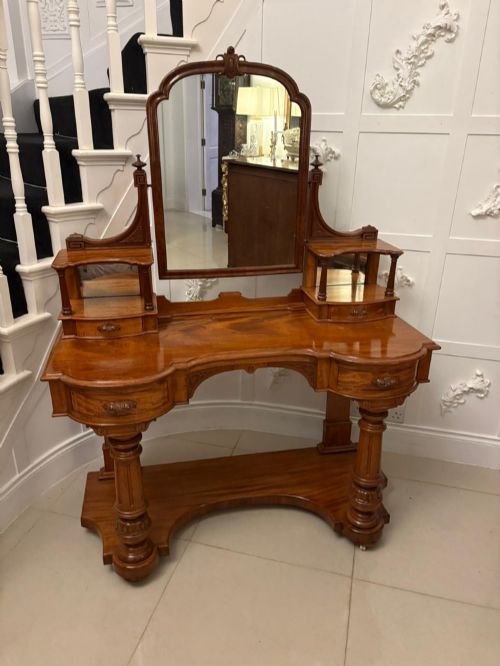
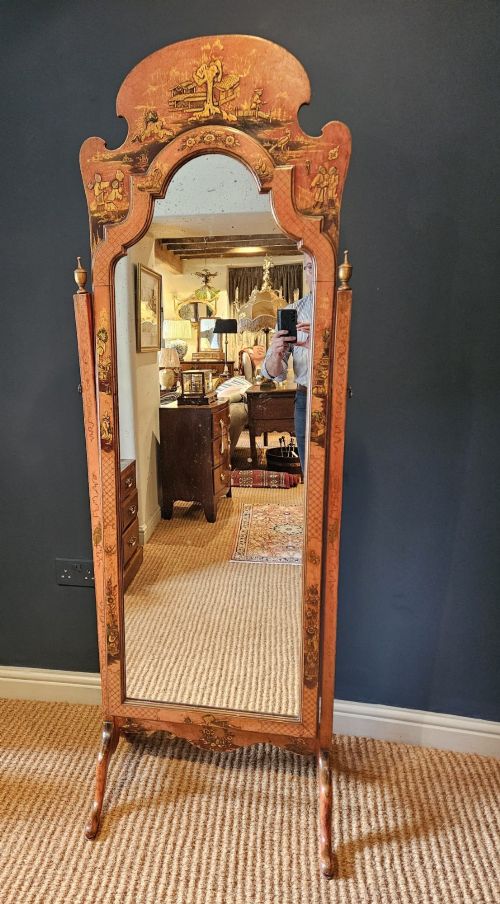
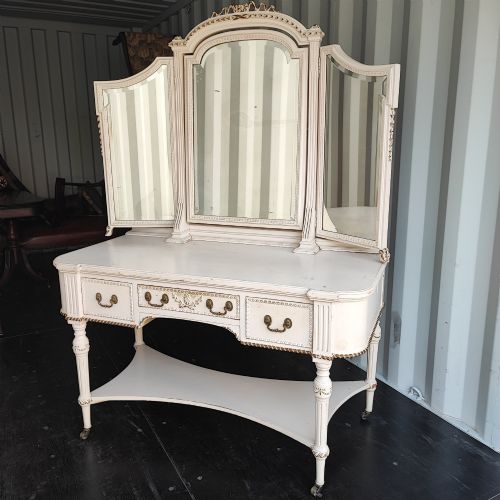
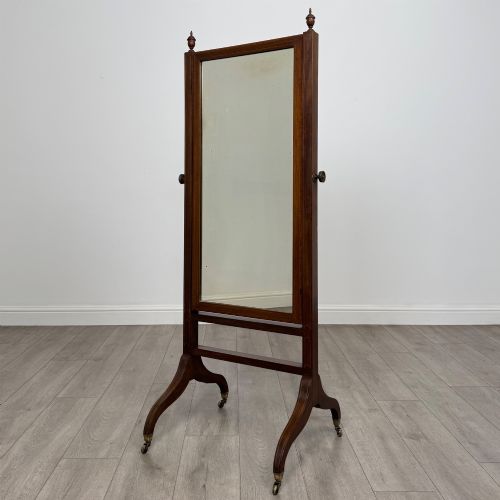
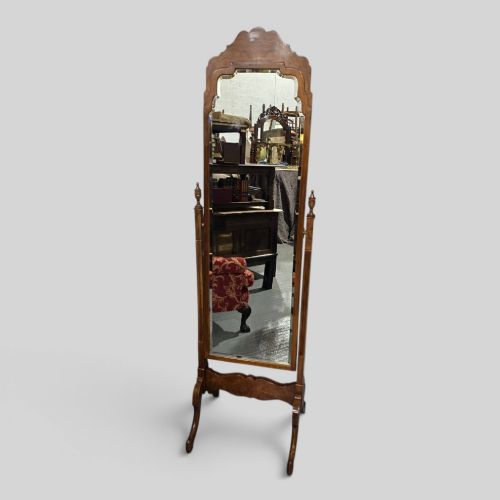
A vintage bedroom dressing mirror spans forms from freestanding cheval glasses to table-top dressing chests and integrated vanity tables. Buyers seeking this phrase encounter pieces dating across the nineteenth and twentieth centuries, ranging from plain utility designs to elaborate dressing furniture.
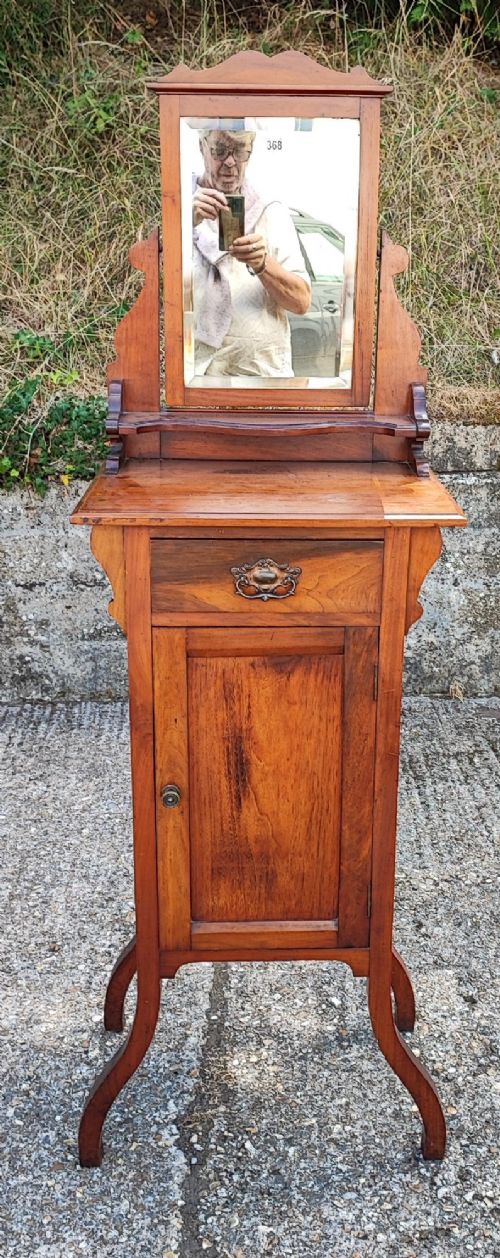
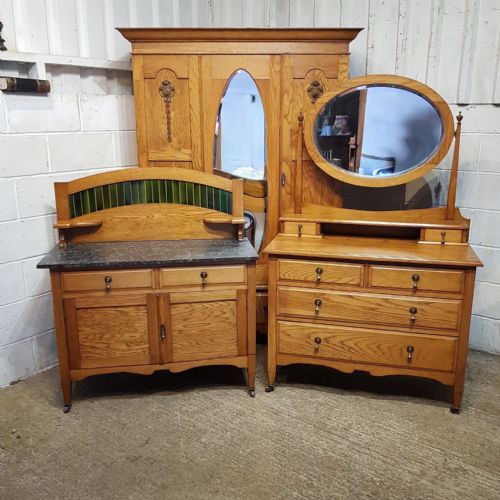
The selection includes standard Victorian and Edwardian mahogany toilet mirrors alongside later Art Deco walnut pedestals and oak bedroom suites. Many incorporate adjustable plates or smaller side drawers for everyday use.
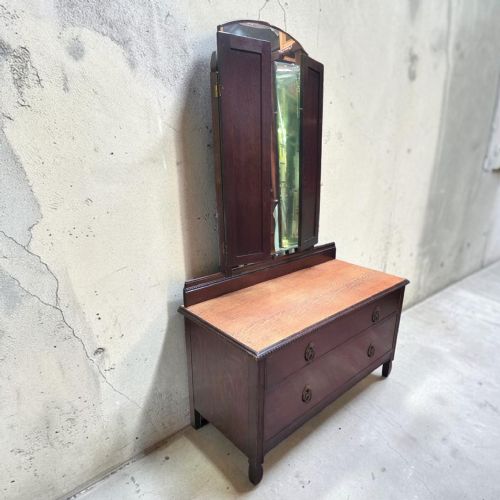
Origin styles stretch from traditional Georgian and Queen Anne revivals to Chinoiserie and French Chateau influences. The most frequent formats are tall cheval frames and tabletop mirrors mounted on chests.
How they were made
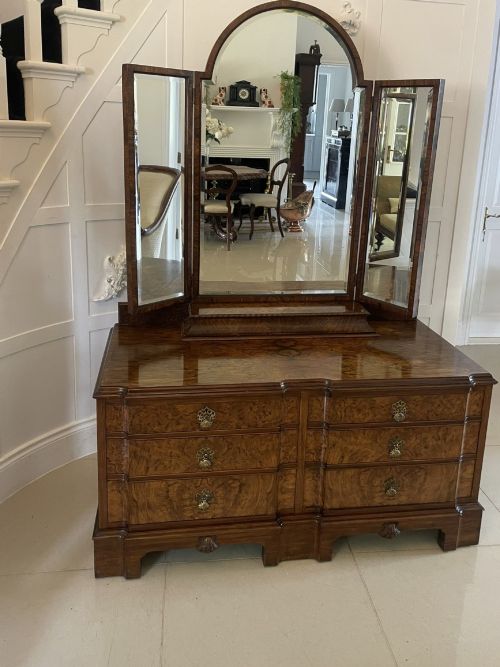
Cabinetmakers constructed these frames principally in mahogany, oak, and walnut, frequently selecting burr veneers for decorative grain patterns on drawer fronts and mirror surrounds. Brass fittings, including pivots and handle hardware, secure the moving parts.
Glass plates are set within timber frames, sometimes supported by floor-standing floor uprights or secured to dressing chests with tilting brass screws.
Some dressing mirrors arrived with built-in trinket drawers just deep enough for misplaced hairpins and secret love letters.
What varies in quality
The standard of timber selection and veneer matching dictates the visual weight of the piece, particularly on burr walnut and figured mahogany surfaces. Cabinet construction details, such as drawer dovetailing and the stability of the mirror pivot mechanism, separate standard utility pieces from high-grade workshop production.
The clarity and originality of the mirror glass itself, along with the retention of makers' labels and original brass hardware, influence the character of each item.
Heals·Maples of London and Paris·Waring & Gillows·Lamb of Manchester
The Vintage Bedroom Dressing Mirror Glossary
- Cheval mirror
- A tall freestanding mirror suspended on a frame that allows it to tilt. It is designed for full-length reflection.
- Dressing chest
- A low chest of drawers with an attached mirror, serving as a combined storage and grooming unit.
- Triplate mirror
- A three-panel mirror arrangement with adjustable side wings, enabling profile viewing.
- Burr walnut
- Timber cut from the gnarled growths of a walnut tree, yielding complex, swirling grain patterns highly prized for decorative surfaces.
Vintage Bedroom Dressing Mirror: Frequently Asked Questions
How do I identify a cheval mirror?
A cheval mirror is a tall glass plate hung within a vertical frame supported by four legs or side pillars. This allows the entire assembly to pivot.
They appear frequently in nineteenth and twentieth-century bedroom settings as freestanding items.
Are dressing table mirrors adjustable?
Many period dressing table mirrors feature brass screw pivots on the upright supports. This allows the glass angle to tilt forward or backward.
Tabletop versions often sit on small boxes containing one or more drawers.
What timber was used most?
Mahogany and walnut dominate the surviving pieces, particularly across the Victorian and Edwardian eras. Oak also appears regularly in arts and crafts contexts.
Cabinetmakers often applied burr walnut veneers to enhance the visual texture of the wood.
How do I date an Edwardian mirror?
Edwardian pieces often display lighter mahogany tones, sometimes incorporating satinwood stringing or inlaid motifs. They align with the early twentieth-century preference for refined domestic furniture.
Labels from firms like Maples or Heals occasionally confirm the production era.