



Art Deco Standing Mirror
An art deco standing mirror brings geometric edge and functional elegance to a room, catching the light and anchoring a dressing space.
Art Deco Standing Mirror
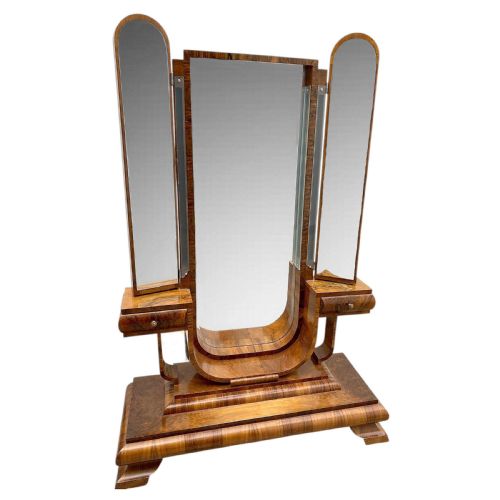
An art deco standing mirror encompasses vanity mirrors, dressing mirrors, and cheval mirrors designed to stand independently on tables, floors, or dressing tables. These pieces emerge predominantly from the 1920s and 1930s, capturing the distinct geometric spirit of the era.
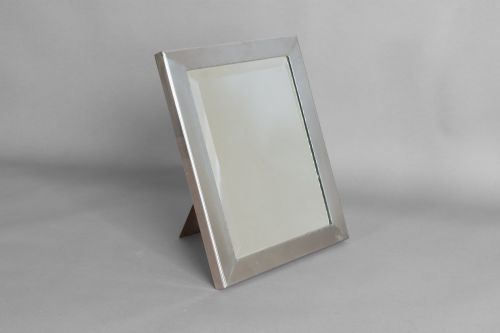
The versions most commonly met on this page range from small silver plated and chrome easel vanity mirrors to larger walnut cheval dressing mirrors. French examples frequently appear alongside pieces featuring specialised mirror plates or triptych configurations.
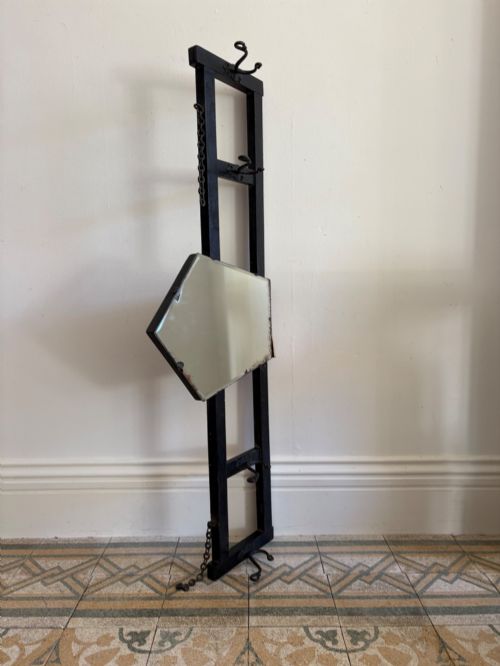
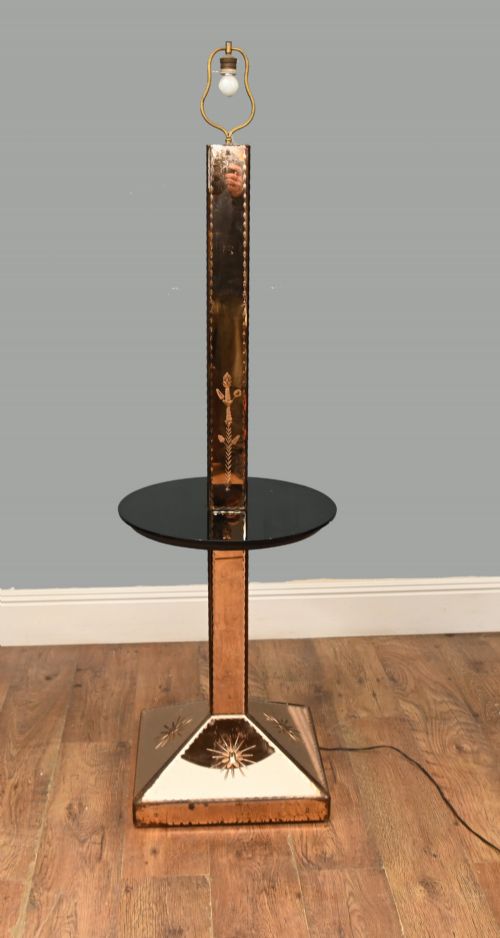
Beyond dedicated dressing items, related forms such as mirror plateaus and hall stands demonstrate the period's versatile application of mirrored glass and polished metal frameworks. Each object serves both a practical reflective purpose and a decorative role within an interior.
Materials and construction
Makers utilised a combination of metals, woods, and glass to construct these mirrors, pairing silver plate, brass, chrome, and iron with rich timbers like walnut. Frames often rely on clean lines, whether formed from bent metal tubing, cast bronze, or polished wood veneers.
Reflective surfaces include standard mirror glass, mirrored glass, and specialised mercury mirror plates alongside etched details. The integration of structural metalwork with glass plates defines the technical execution across both British and French examples.
Art Deco Standing Mirror Retail Price Guide 2026
Typical asking prices for art deco standing mirror among the pieces listed under this phrase on Sellingantiques today, from the lower quarter to the upper quarter. They describe what is for sale here now, not the wider market.
Listings feature items from the 1910s, 1920s, and 1930s, utilising materials such as walnut, chrome, silver plate, brass, and mercury glass.
Judging quality and execution
Quality rests in the heaviness and finish of the metal plating, the crispness of any etching on the glass, and the stability of the framing joints. Superior examples display substantial gauge metals and well-fitted backs that support the mirror plate securely without wobble.
The choice of materials also separates pieces, with finely grained walnut and solid bronze frames sitting above simpler constructed items. Attention to detail in the easel stands, hinges, and mounting hardware reveals the original maker's investment in durability.
Elkington·Mirror Brot
The Art Deco Standing Mirror Glossary
- Cheval mirror
- A full-length dressing mirror suspended in a frame that allows it to tilt. This freestanding form usually stands on the floor.
- Easel mirror
- A smaller mirror supported by a hinged prop or leg at the rear for tabletop placement. They often feature in vanity and dressing setups.
- Mirror plateau
- A mirrored tray or plateau traditionally placed on tables as a centrepiece for displays. They incorporate silver plate or metal rims.
- Triptych mirror
- A three-panel mirror where the outer wings hinge to angle inward. This configuration provides multiple viewing angles for dressing.
Art Deco Standing Mirror: Frequently Asked Questions
What is a cheval standing mirror?
A cheval mirror is a freestanding floor mirror suspended on pivots within a supportive frame, allowing the user to tilt the glass plate to various angles.
These pieces function primarily as dressing mirrors in bedrooms and dressing rooms, combining utility with prominent period design.
How do I style a tabletop vanity mirror?
Tabletop vanity mirrors sit comfortably on dressing tables, chests of drawers, or sideboards alongside matching trays and decorative objects.
They reflect natural light into darker corners while providing a functional surface for grooming and daily routines.
How do 1920s and 1930s mirrors differ?
Mirrors from the 1920s often display early modernist or transitional styling, sometimes incorporating elaborate silver plating, easel backs, or etched details.
By the 1930s, designs leaned further into streamlined chrome, stark geometric framing, and functional freestanding cheval or vanity formats.