




1930s Peach Glass Mirror
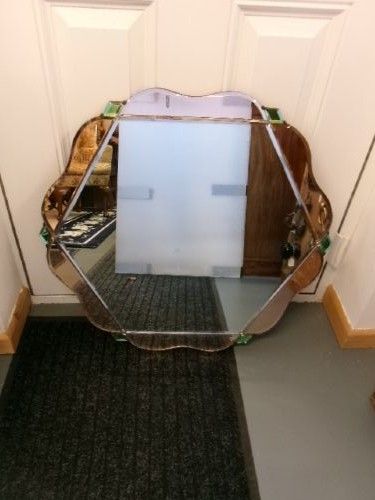
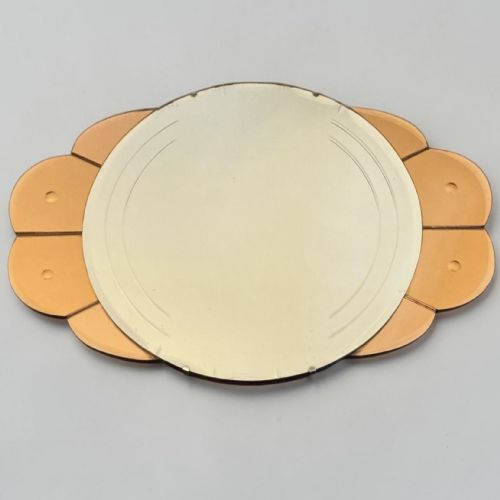
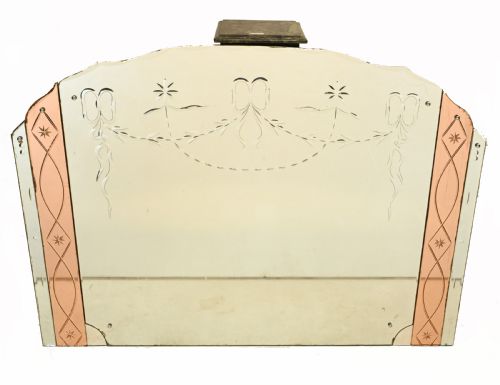
These 1930s peach glass mirror pieces bring distinctive warmth and geometric Art Deco styling to a room.
1930s Peach Glass Mirror
A 1930s peach glass mirror captures the distinct aesthetic of the interwar period, combining tinted glass with clean architectural lines. These pieces typically manifest as wall mirrors, overmantel mirrors, and vanity glasses, frequently styled within the Art Deco movement.
Buyers will most commonly encounter wall-hanging formats and mirror glass elements integrated into larger decorative objects like clocks, side tables, and fire surrounds. The distinctive warm pink or peach tone defines the visual character across all surviving examples.
The objects originate primarily from English and French workshops of the 1920s and 1930s, often employing contrasting white or clear mirror glass sections to accentuate the central peach panels. Such pieces serve both functional and decorative roles in period interiors.
Materials and construction methods
Construction relies heavily on sheet glass, peach mirror glass, and standard mirror glass, frequently mounted onto wooden backing structures or secured within metal and chrome frameworks. Carved silvered wood also appears in more ornate decorative girandole formats.
Techniques involve precision cutting of tinted glass panels, embossing, and mechanical integration for timepieces such as mantle clocks and 8-day mirror clocks. Individual glass segments are arranged to create geometric two-tone patterns characteristic of the period.
1930s Peach Glass Mirror Retail Price Guide 2026
Typical asking prices for 1930s peach glass mirror among the pieces listed under this phrase on Sellingantiques today, from the lower quarter to the upper quarter. They describe what is for sale here now, not the wider market.
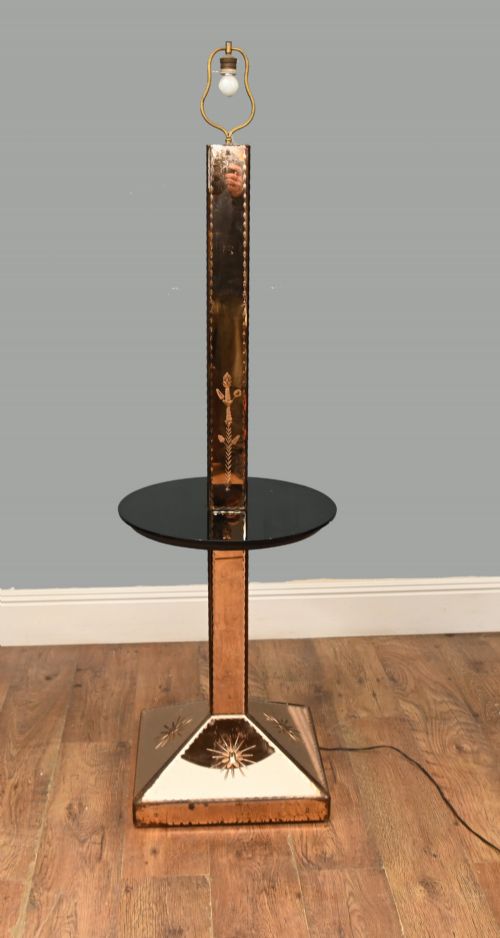
Current listings demonstrate that peach glass was utilised across wall mirrors, side tables, floor lamps, and mantel clocks during the 1920s and 1930s.
Assessing quality in period glass
Quality rests in the precision of the glass cutting, the complexity of the geometric arrangement, and the integrity of the silvering behind the tinted panels. Superior examples display sophisticated multi-tone glass combinations rather than simple single-sheet designs.
The craftsmanship of the supporting frame, whether carved silvered wood, chrome, or fitted woodwork, distinguishes finer decorative objects from standard utility pieces. Integration with functional elements like mechanical clocks or side tables further elevates the execution.
Smiths Clock Company
The 1930s Peach Glass Mirror Glossary
- Art Deco
- A design style of the 1920s and 1930s characterised by streamlined geometric forms, stylised motifs, and modern industrial materials. It dominates the aesthetic of these mirrors and associated furnishings.
- Peach glass
- A tinted mirror material produced during the interwar period that yields a warm, rosy reflection. It is frequently juxtaposed with clear or white mirror glass.
- Overmantel mirror
- A large horizontal looking glass designed specifically to hang above a fireplace mantelpiece. These often incorporate the signature peach glass panels of the era.
- Girandole
- An ornamental wall mirror featuring attached candle branches or light fixtures. The surviving examples utilise pink mirror glass and carved silvered wood frames.
- Easel vanity mirror
- A small dressing table glass supported by a folding rear leg. These portable pieces allowed users to adjust the viewing angle easily.
1930s Peach Glass Mirror: Frequently Asked Questions
How do I clean a peach glass mirror safely?
Use a soft, dry microfibre cloth to remove dust gently from the surface without applying heavy pressure. Avoid modern chemical sprays that might damage the vintage silvering behind the glass.
Take care around the edges of segmented panels where the backing is exposed. Gentle maintenance preserves the original tint and reflective quality.
Where were these mirrors displayed originally?
Interwar households placed these items in principal reception rooms, above fireplaces, and within sophisticated bedrooms. Overmantel mirrors and wall mirrors anchored the focal points of domestic interior design.
Smaller vanity versions sat upon dressing tables, while specialised iterations formed parts of cocktail tables and side furniture.
How do I identify genuine 1930s glass?
Examine the weight, the thickness of the glass plate, and the characteristics of the silvered backing layer. Period pieces exhibit subtle imperfections and hand-assembly marks distinct from modern reproductions.
The presence of original wooden framing elements, mechanical clock movements, or chrome mounts also supports period authenticity.
Can I hang an overmantel mirror securely?
Verify the weight distribution and the integrity of the wooden or metal backing before selecting hanging hardware. Professional installation is advisable given the substantial glass and timber construction.
Ensure that wall fixings match the load requirements to support the large format safely.