




Art Deco Mantle Mirror
An art deco mantle mirror brings geometric lines and tinted glass into a room, offering the sharp angles and polished surfaces that collectors seek.
Art Deco Mantle Mirror
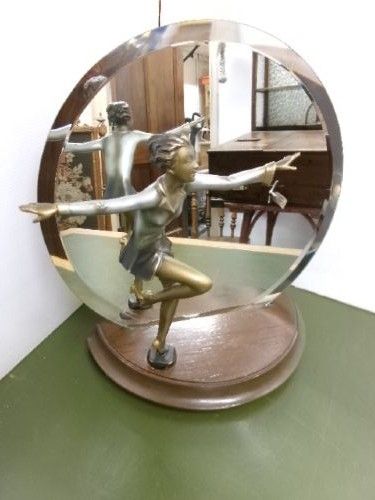
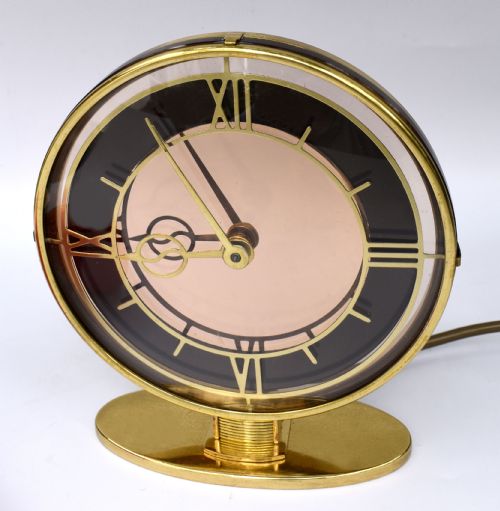
When you search for an art deco mantle mirror, you are looking at furnishings built during the 1920 and 1930 periods that combine functional glass with the distinctive geometry of the style. The pieces on this page appear primarily as wall mirrors, overmantel mirrors, and mirrored mantel clocks incorporating glass panels.
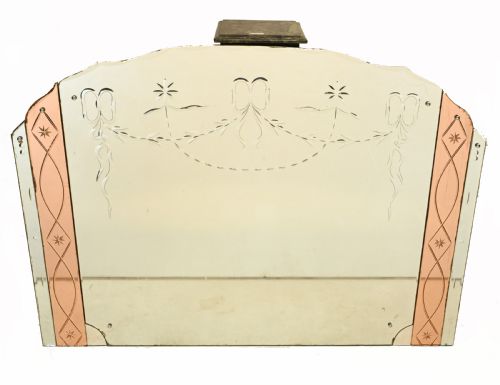
The overmantel versions dominate the selection, often stretching in long, horizontal formats designed to sit above a fireplace. These domestic items capture the shift towards streamlined interior decoration seen across British and continental homes during the interwar years.
Materials and construction methods
Makers constructed these objects using mirror glass and plate glass set into wooden frames of oak or walnut, alongside metal elements such as brass, chrome, and spelter. Many examples integrate coloured glass panels in shades of peach, green, blue, and turquoise around the central reflecting surface.
Techniques relied on bevelled cutting of heavy glass and the combination of mirrored plates with mechanical or electric clock movements, as seen in pieces produced by firms like Smiths. Gilt wood and carved details also appear on specific console table and mirror combinations from the earlier nineteen-twenties.
Art Deco Mantle Mirror Retail Price Guide 2026
Typical asking prices for art deco mantle mirror among the pieces listed under this phrase on Sellingantiques today, from the lower quarter to the upper quarter. They describe what is for sale here now, not the wider market.
Listings combine utilitarian wall mirrors with mantel clocks featuring integrated mirror glass panels from the nineteen-twenties and thirties.
Quality factors in interwar mirrors
Quality rests upon the preservation of the original glass plates and the integrity of the coloured mirror sections. Pieces retaining their uniform silvering without heavy foxing or dark oxidation stand apart from those with compromised reflective surfaces.
The sophistication of the frame construction and the complexity of the glass arrangement also dictate the standing of a piece. Well-integrated clock mechanisms in working order and substantial wooden or brass mountings elevate the standard of the object.
Smiths Clock Company
The Art Deco Mantle Mirror Glossary
- Overmantel mirror
- A large horizontal mirror designed specifically to hang on the wall directly above a mantelpiece or fireplace. These pieces often feature tiered or arched wooden and mirrored frames.
- Foxing
- The brown age spots and speckling that develop on old mirror glass as the silver backing degrades over decades. This chemical breakdown is typical in vintage mirrors.
- Spelter
- A zinc alloy frequently used as a substitute for bronze during the interwar period for figural ornaments and clock mounts. It was commonly painted or plated to resemble other metals.
- Bevelled edge
- A sloping edge cut around the perimeter of a glass plate to catch the light and create a decorative border. High quality mirrors often display a wide, clean bevel.
Art Deco Mantle Mirror: Frequently Asked Questions
How do I clean an art deco mantle mirror?
Use a soft, dry cloth to remove dust from the glass and frame without disturbing the aged surface. Avoid harsh chemical cleaners that might damage the silver backing or the surrounding metal.
Take care around the edges of bevelled plates and coloured glass sections where moisture can seep behind the mirror. Gentle dusting preserves the original materials safely over time.
Where should I hang an overmantel mirror?
Hang the mirror centrally above a fireplace mantel at a height that balances the proportions of the room and the hearth below. Ensure the wall fixings match the substantial weight of glass and wooden frames.
These horizontal mirrors also function effectively in hallways above console tables to reflect natural light across the space. Secure the hanging wire or brackets firmly to wall studs for stability.
How do I date a mirror to the nineteen thirties?
Dating relies on the combination of materials, such as chromium plating, coloured mirror glass, and specific clock movements associated with that decade. The architectural geometry and stepped forms provide further stylistic markers.
Construction details on the reverse, including the type of wooden backing board and fixings, also help confirm the period. Comparing pieces against documented maker catalogues clarifies the production era.