



1930s Overmantel Mirror
A 1930s overmantel mirror brings geometric polish and horizontal breadth to a chimney breast, shaped by the distinct lines of the Art Deco period.
1930s Overmantel Mirror
A 1930s overmantel mirror is a wall-mounted glass panel designed to sit above a fireplace, stretching wider than it is tall to anchor the proportions of a hearth. The examples found here belong entirely to the Art Deco style, originating from English and French workshops during the 1920 and 1930 periods.
Buyers will encounter substantial formats, including long rectangular overmantles and diamond wall mirrors. These pieces often incorporate segmented glass panels and colourful borders rather than traditional carved wooden frames.
How they were made
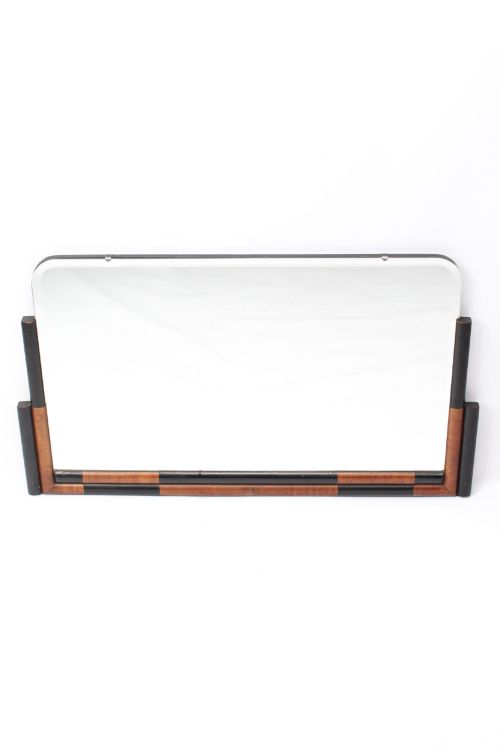
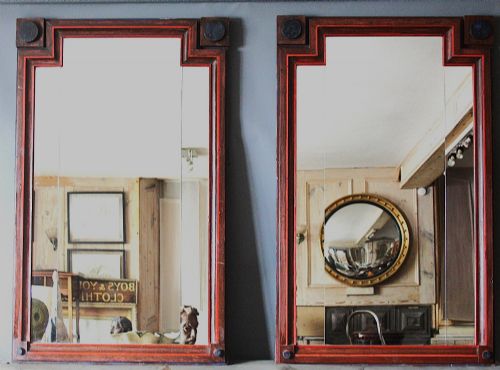
Maker construction relies on glass and wood combinations, pairing mirrored glass with walnut, ebonised wood, and metal frames. Craftsmen assembled multi-panel configurations using bevelled edges to catch the light from multiple angles.
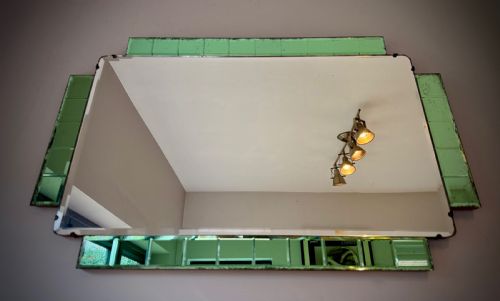
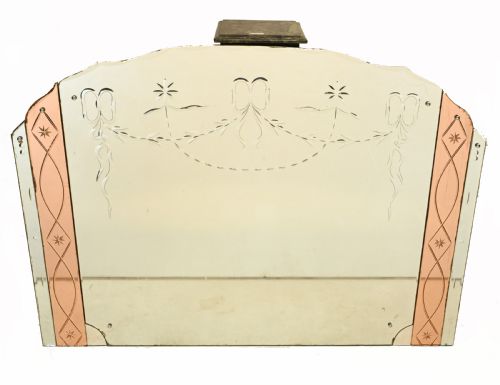
Colour is introduced through tinted materials, featuring peach coloured glass and emerald green glass panels set alongside standard mirror glass. Paint and specialised finishes complete the framing details on ebonised and wooden supports.
1930s Overmantel Mirror Retail Price Guide 2026
Typical asking prices for 1930s overmantel mirror among the pieces listed under this phrase on Sellingantiques today, from the lower quarter to the upper quarter. They describe what is for sale here now, not the wider market.
These mirrors were cut so precisely that stepping too close in the 1930s risked an unexpected multiplication of your own eyebrows.
What varies in quality
Quality separates standard mirrors from superior examples through the complexity of the glass work and the ambition of the frame design. Two tone compositions and large scale diamond configurations demand greater skill in glass cutting and assembly.
The choice of framing materials also dictates the calibre of the piece, with richly grained walnut and custom metal framing outperforming plain timber grounds. Integration of scarce tinted panels, such as peach or emerald tones, elevates the decorative presence.
The 1930s Overmantel Mirror Glossary
- Overmantel
- A large mirror designed to hang specifically on the wall directly above a fireplace mantelpiece. Its horizontal format mirrors the hearth below.
- Art Deco
- A design style spanning the 1920 and 1930 periods characterised by geometric shapes, stylised lines, and streamlined forms. It rejects Victorian clutter in favour of modern industrial sleekness.
- Bevelled
- A glass edge cut and polished to an angled slope rather than a square right angle. This technique creates a prismatic border that refracts light.
- Ebonised
- Wood treated with a dark stain or finish to imitate the dense, black appearance of ebony. It provides a sharp, high-contrast border for mirrored panels.
1930s Overmantel Mirror: Frequently Asked Questions
How do I hang a heavy overmantel mirror?
These mirrors require robust wall fixings secured directly into masonry or solid wall studs to support their substantial weight. Professional mirror hangers use heavy-duty brackets that match the width of the wooden or metal frame.
Position the piece at a height that allows the lower edge to sit comfortably just above the mantelpiece shelf. This creates a balanced visual relationship with the fireplace opening.
Are these mirrors suitable for bedrooms?
While originally designed for reception rooms above fireplaces, long wall mirrors adapt well to bedroom spaces. Their horizontal proportions work effectively above low dressing chests or wider headboards.
Ensure the hanging method accounts for daily vibration from doors if placed in domestic bedrooms. The geometric lines provide a clean focal point away from living areas.
How do I clean tinted vintage glass?
Use a soft microfibre cloth dampened lightly with mild soapy water rather than harsh chemical sprays. Avoid letting moisture pool along the wooden or metal frame joins.
Dry the surface immediately with a clean cloth to prevent spotting on the silvered backing behind the glass. Coloured panels require the same gentle maintenance as clear mirrored sections.
What defines an Art Deco mirror?
Art Deco mirrors rely on symmetry, stepped geometric forms, and contrasting materials like walnut and ebonised wood. They often feature segmented glass plates rather than a single continuous sheet.
Makers frequently incorporated coloured glass sections, such as peach or emerald tones, into the primary mirror field. This architectural approach distinguishes them from earlier decorative styles.