


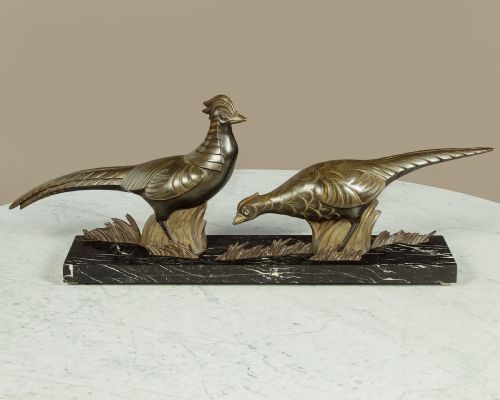
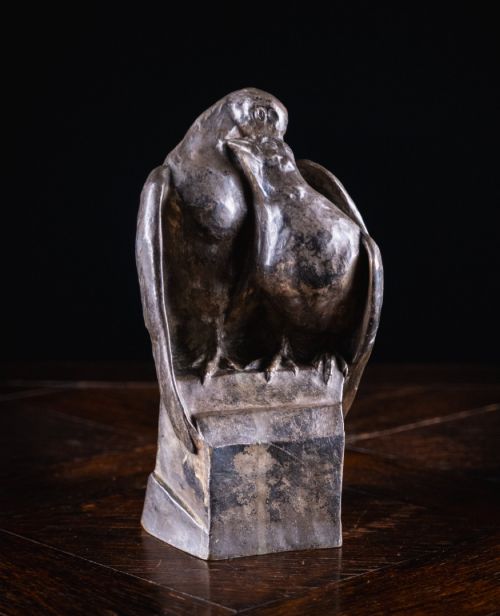
Vintage Art Deco Sculpture
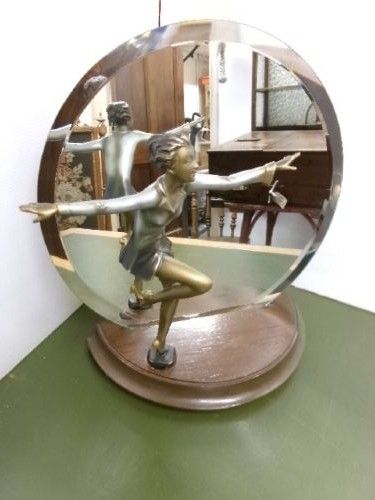
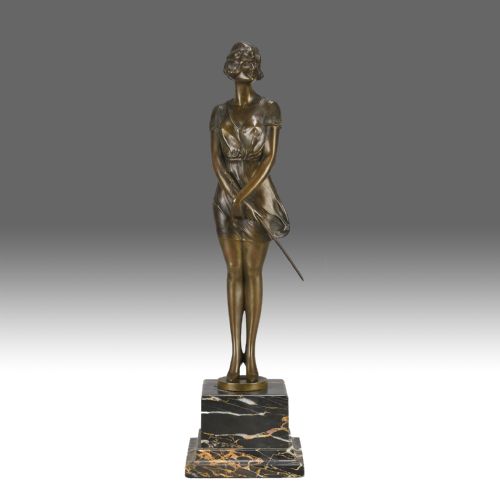
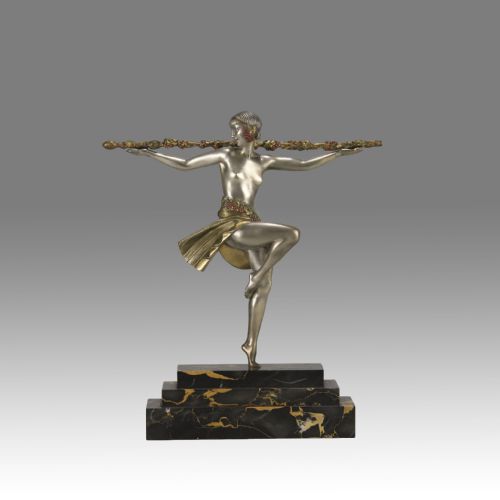
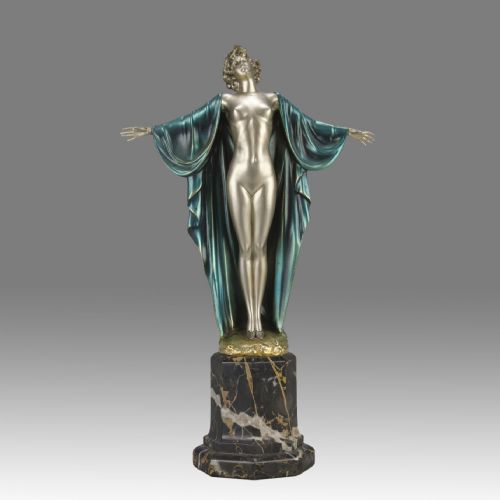
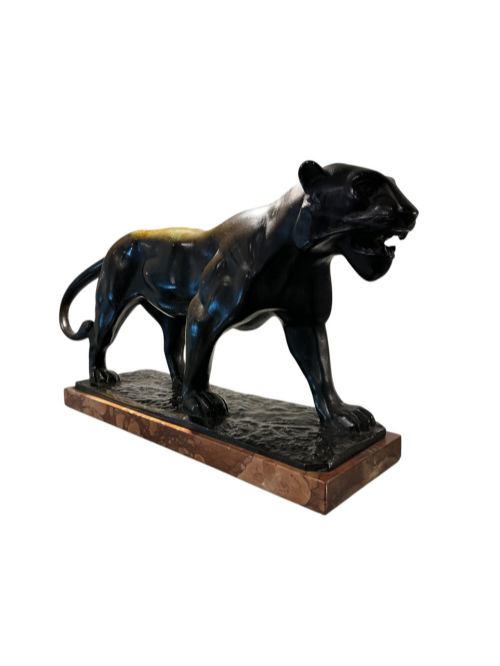
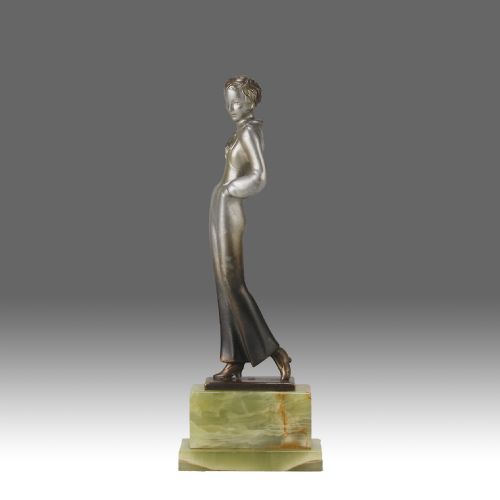
Vintage art deco sculpture captures the dynamic energy and sleek modernism of the interwar years through striking human figures and stylised animals.
Vintage Art Deco Sculpture
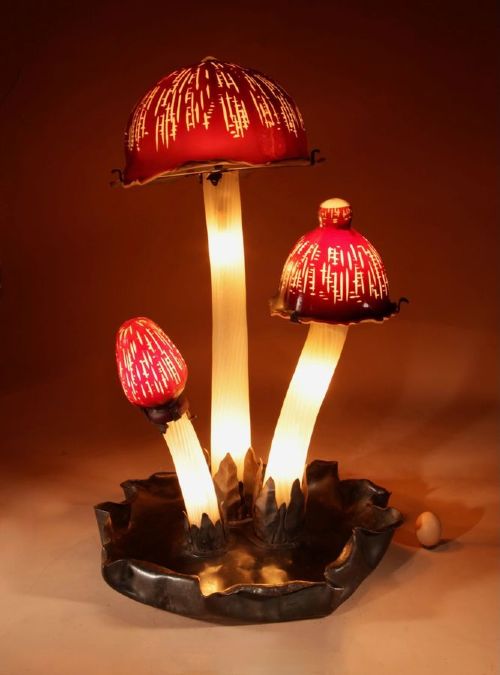
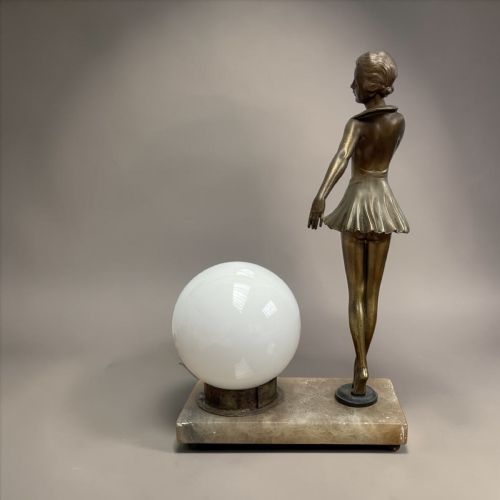
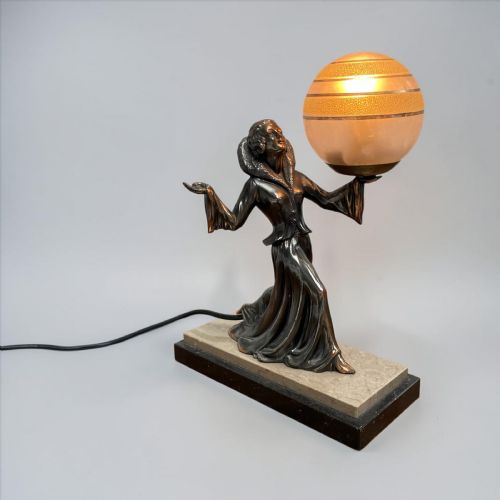
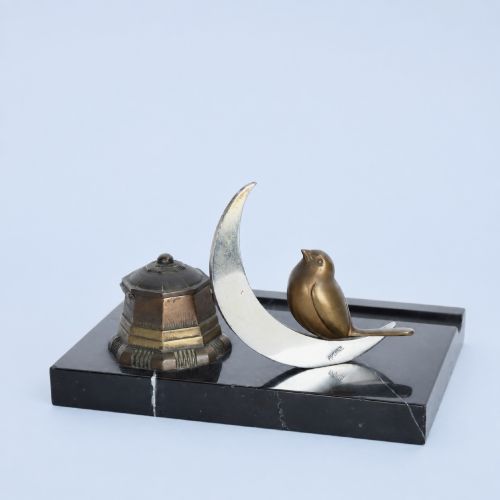
Beyond standalone statuettes, the inventory includes practical and decorative items integrated with sculptural elements. These range from desk tidies and bookends to table lamps, car mascots, and glass paperweights.
The objects derive from various European origins, reflecting the widespread influence of the style across different studios and foundries. Buyers are most likely to meet bronze and spelter figures mounted on marble or onyx bases, alongside moulded glass pieces.
How they were made
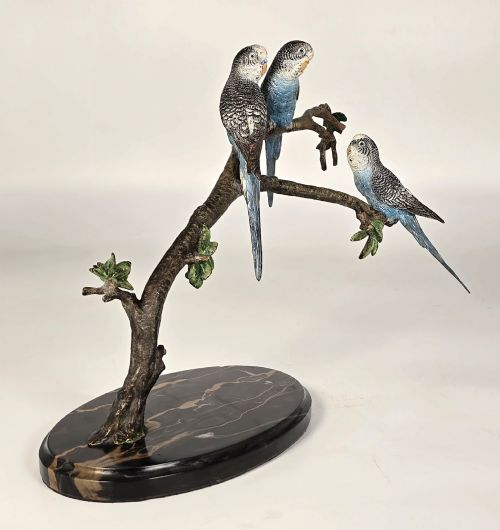
The creation of these works relies on metalcasting techniques, particularly the lost-wax method for bronze pieces. Many metal figures receive cold-painted decoration or gilt finishes to highlight the intricate details of costumes and feathers.
Alternative metallic mediums such as spelter appear frequently as a more accessible base metal for figurative casts. These metal sculptures are typically secured onto substantial stone plinths made of black or variegated marble and onyx.
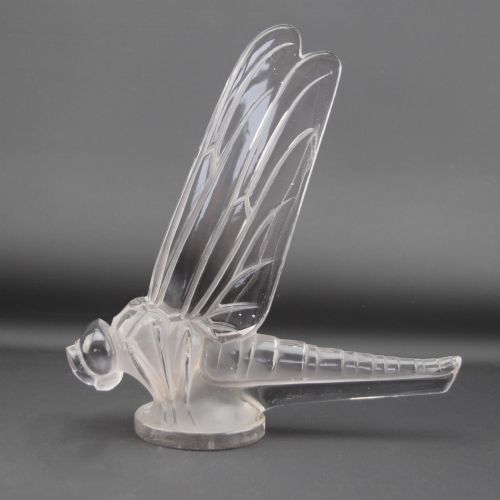
Glass production utilises moulding techniques to achieve tactile objects like frosted car mascots and paperweights. Stoneware and pottery figures employ glazed ceramic methods, while occasional pieces combine turned wood and brass elements.
Listings feature items spanning the nineteenth century through the 1940s, with a strong concentration from the 1920s and 1930s.
What varies in quality
The standard of a piece depends heavily on the crispness of the casting and the fidelity of the chasing work after the metal leaves the mould. Superior examples retain sharp facial expressions, clean garment folds, and well-defined musculature without softening of detail.
Surface finish plays a crucial role in distinguishing higher grades, particularly in the preservation of original cold-painted pigments or patination. The quality of the supporting plinth also matters, with dense, unblemished marble or onyx elevating the overall presence of the object.
Bruno Zach·Pierre le Faguays·Ferdinand Preiss·Josef Lorenzl·Alexandre Ouline·Charles Vyse·Berthe Savigny·Irénée Rochard
The Vintage Art Deco Sculpture Glossary
- Cold-painted bronze
- Bronze metalwork decorated with paint applied after casting without subsequent firing. This technique allows for vibrant polychrome details on garments and plumage.
- Spelter
- A zinc alloy commonly utilised as an economical alternative to bronze during the period. It accepts patination and metallic paint finishes to mimic more expensive materials.
- Car mascot
- An ornamental sculpture mounted on the radiator cap of a motor vehicle. These items are frequently sculpted from frosted or opalescent glass.
- Patina
- The surface coloration and sheen developed naturally through age or applied artificially by the maker. It enhances the visual depth of metal sculptures.
- Chasing
- The manual finishing process applied to a raw metal cast using hammers and punches. Skilled chasing refines surface textures and sharpens contours.
Vintage Art Deco Sculpture: Frequently Asked Questions
What materials are common in these sculptures?
The pieces frequently utilise cast bronze, spelter, and carved marble or onyx bases. Glass appears prominently in the form of pressed paperweights and vehicle mascots.
Additional materials include glazed ceramics, stoneware, and mixed media compositions combining wood and brass. Each medium reflects the manufacturing standards of the interwar period.
How do I identify a genuine period piece?
Examine the materials, casting quality, and ageing characteristics to determine authenticity. Period works typically display natural wear consistent with decades of handling and manufacture from the 1920s or 1930s.
Signatures or foundry marks inscribed directly into the metal or stone base provide further indication of origin. Comparing the construction methods to known examples helps confirm the era.
Were these objects purely decorative?
Many items served dual functions as both art and everyday objects. Sculptural forms were frequently incorporated into useful items such as bookends, desk tidies, and lighting.
Automotive enthusiasts also utilised glass figures as radiator ornaments on vehicles. Other works remained purely aesthetic table sculptures or cabinet pieces.
How should I display them at home?
Place the sculptures on stable, flat surfaces where their specific materials can be appreciated safely. Heavier marble-based pieces require sturdy shelving or mantelpieces to support their weight.
Positioning items away from direct sunlight protects delicate cold-painted finishes on metals and coloured glazes on ceramics. Adequate ambient lighting helps accentuate the contours and patination of the bronze.