

Victorian Staffordshire Ornament
A victorian staffordshire ornament brings the bold character of the nineteenth-century parlour straight onto the mantelpiece.

Victorian Staffordshire Ornament
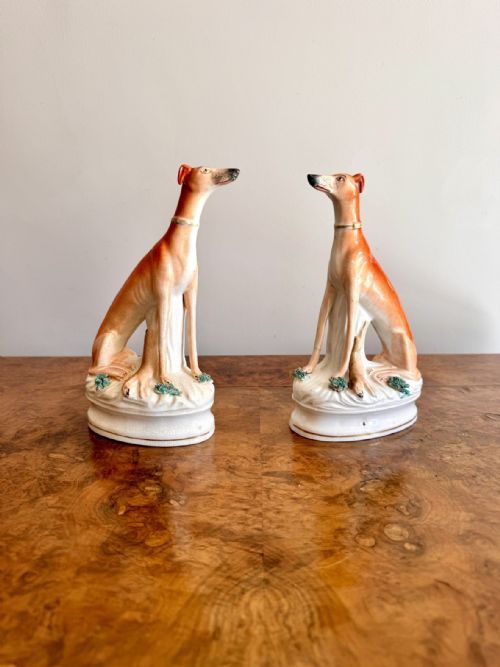
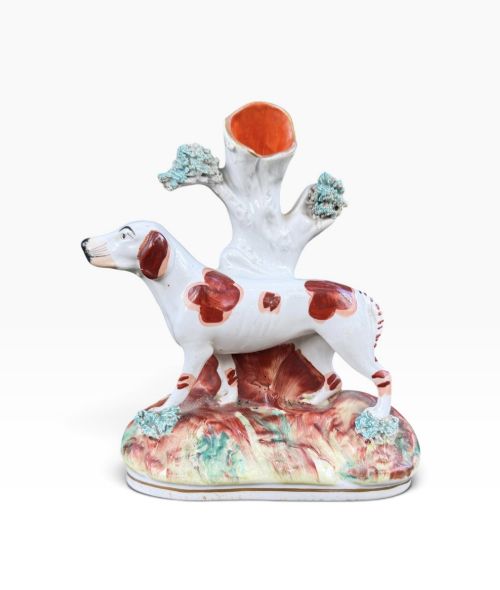
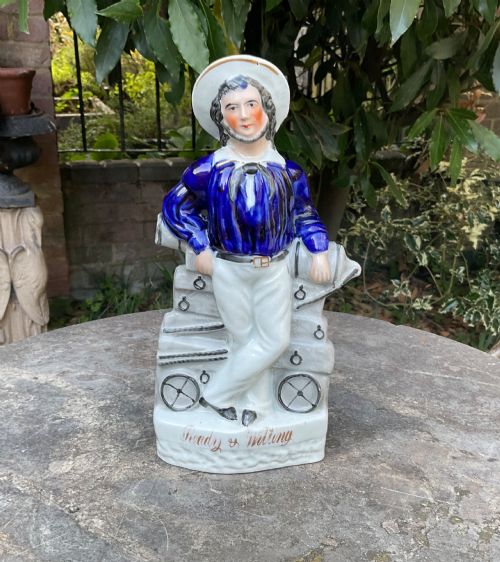
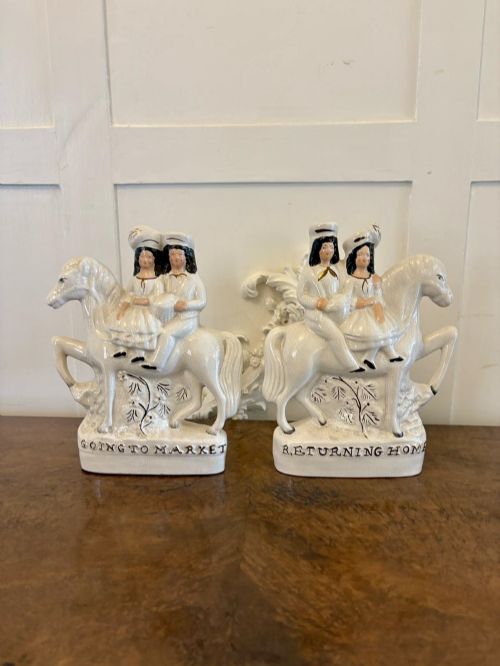
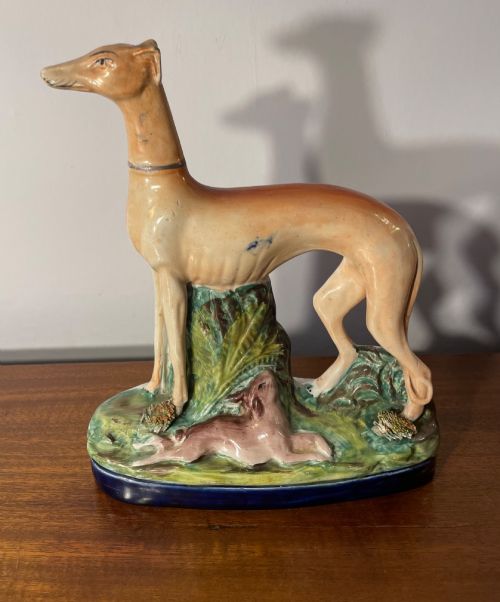
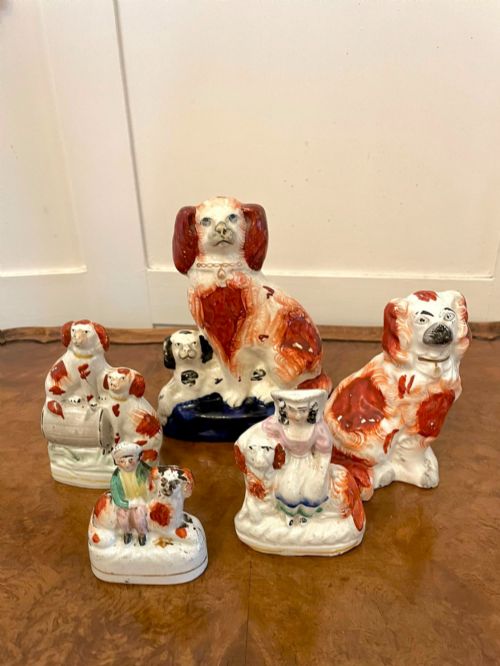
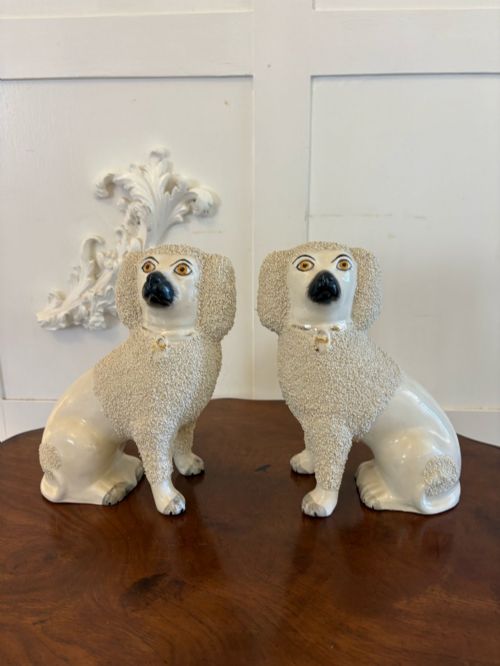
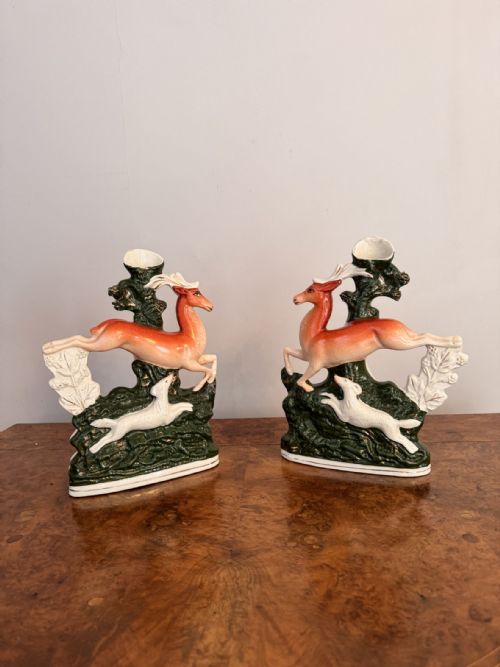
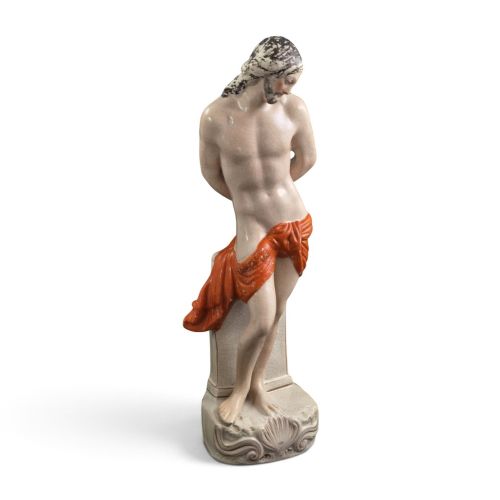
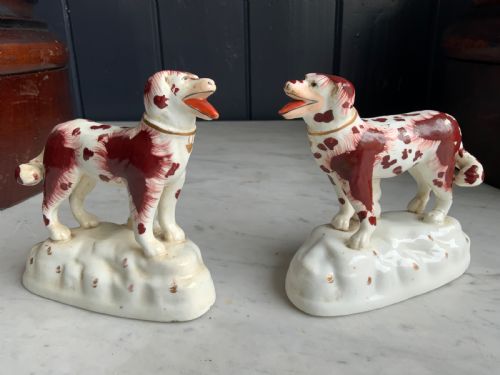
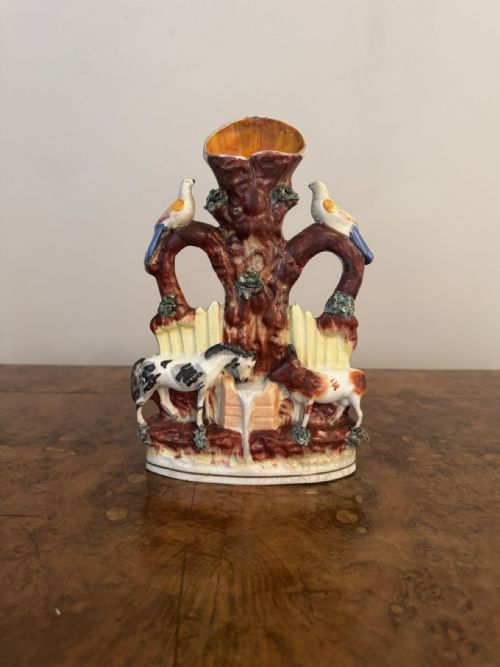
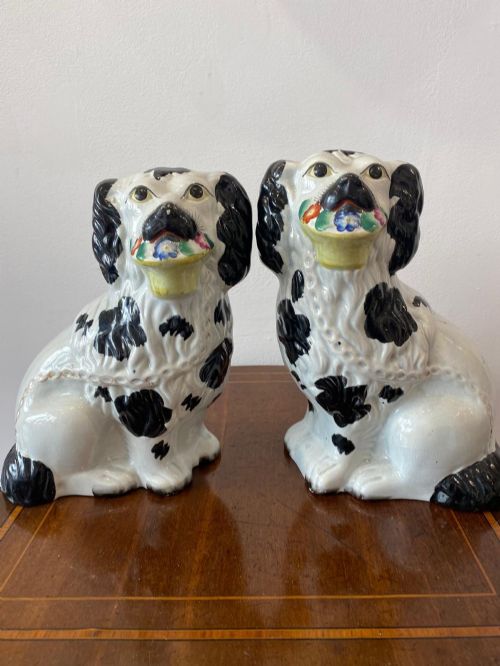
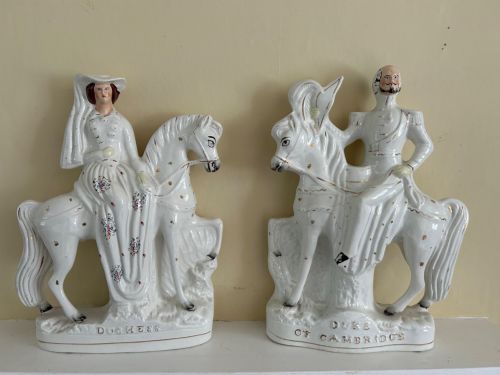
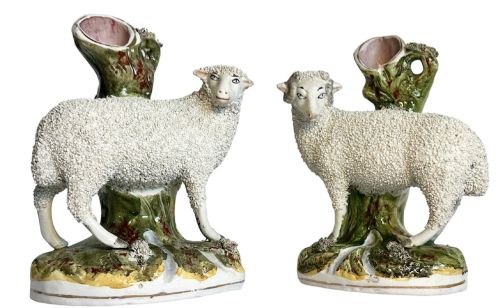
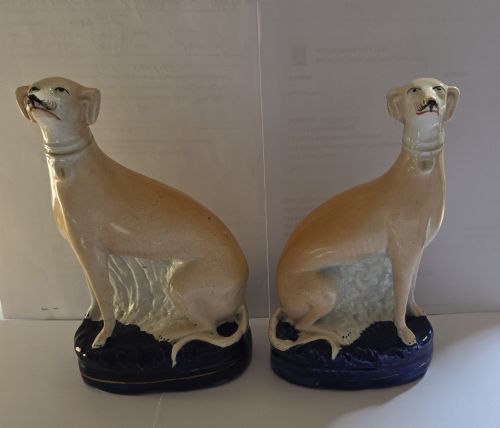
A victorian staffordshire ornament captures a diverse range of subjects, from seated spaniels and poodles to theatrical figures, historical personalities, and theatrical groups. Pairs of dogs and spill vases featuring deer or lions appear frequently across the selection.
Makers often drew inspiration from contemporary events, royalty, and everyday life, resulting in flatback pottery figures designed to stand against a wall. These ceramic pieces span various decades of the nineteenth century, reflecting evolving popular tastes.
Materials and Construction
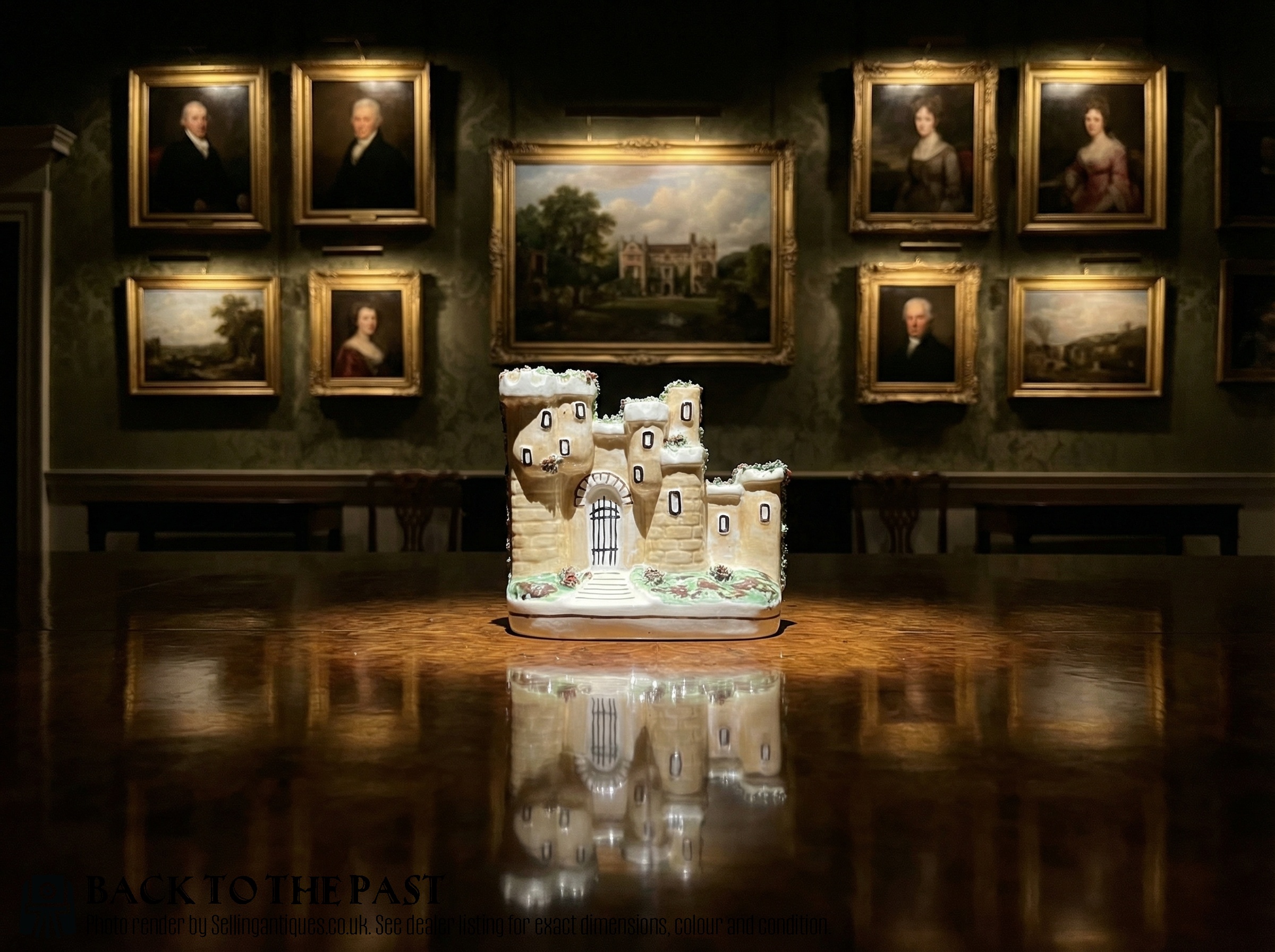
Potters shaped these objects using earthenware and porcelain, applying lead glaze to create a smooth surface finish. Many examples incorporate hollow backs formed by slip casting or pressing into moulds.
Listings feature earthenware and porcelain forms glazed with lead or treacle finishes, accented by enamel paint and gold leaf.
Assessing Quality
Matching pairs display better symmetry and consistent glazing colour than assembled pairs gathered together later. The depth and clarity of the enamel colours also indicate the skill involved in the firing process.
John Bevington·Rockingham Pottery
The Victorian Staffordshire Ornament Glossary
- Flatback
- A figure moulded with a finished front and a plain, unmodelled reverse designed to sit flat against a wall.
- Spill vase
- A hollow cylindrical holder integrated into the figure, originally intended to hold wooden spills for lighting fires or pipes.
- Lead glaze
- A glossy coating containing lead oxide applied to earthenware before firing to seal the porous clay body.
- Treacle glaze
- A dark, translucent brown glaze favoured on nineteenth-century animal figures for a rich, glossy coat.
Victorian Staffordshire Ornament: Frequently Asked Questions
What are Staffordshire flatback figures?
These ceramic ornaments feature a detailed front and a flat, unadorned back designed to sit neatly on a shelf or mantelpiece against a wall.
Potters produced them in vast quantities during the nineteenth century to decorate British homes with portraits of heroes, animals, and literary scenes.
Why do Staffordshire dogs come in pairs?
Spaniels and poodles were traditionally modelled as mirror-image pairs to sit at either end of a fireplace mantel.
Displaying them facing inward toward each other followed the formal domestic arrangement common in Victorian parlours.
How were spill vases used?
A spill vase combined a decorative figure with an attached hollow tube used to hold thin tapers of wood called spills.
These spills were lit from the coal fire and then carried across the room to ignite candles, lamps, or tobacco pipes before the invention of safety matches.
How can I tell the age of a figure?
Dating relies on examining the clay body, the crazing within the lead glaze, and the style of the hand-painted enamel decoration.
Subject matter also provides a strong clue, as figures often commemorated specific contemporary events, reigning monarchs, or popular theatrical acts of the period.