
Victorian Silverware
Victorian silverware encompasses functional and decorative table items crafted in sterling silver, silver plate, and silver gilt during the nineteenth century.
Victorian Silverware
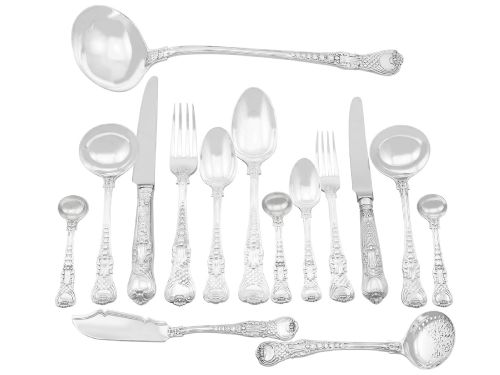
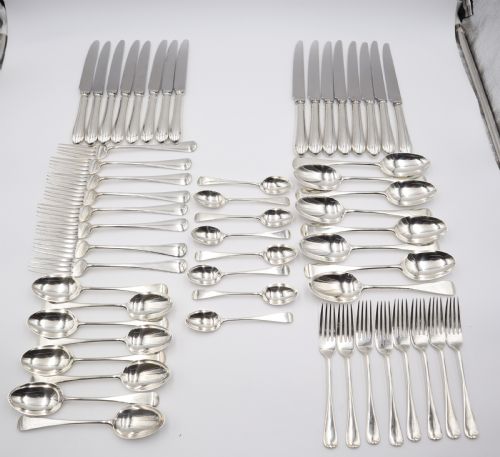
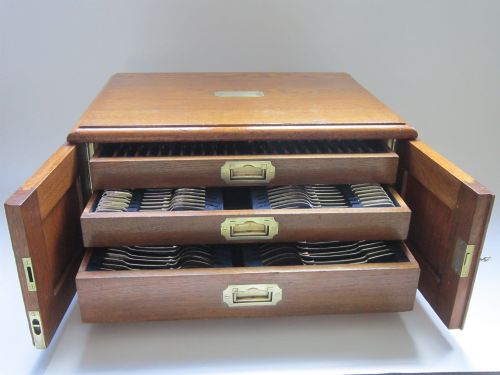
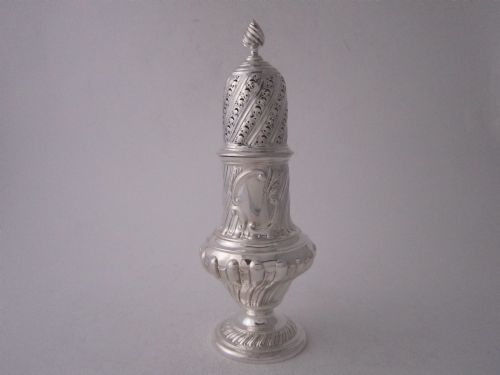
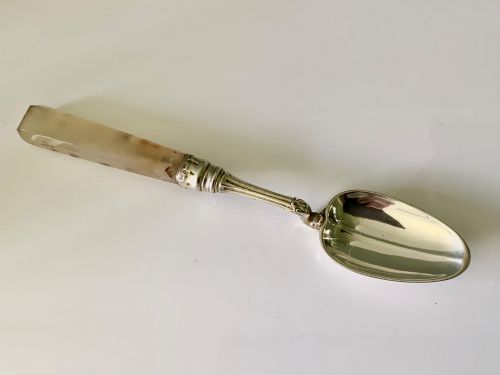
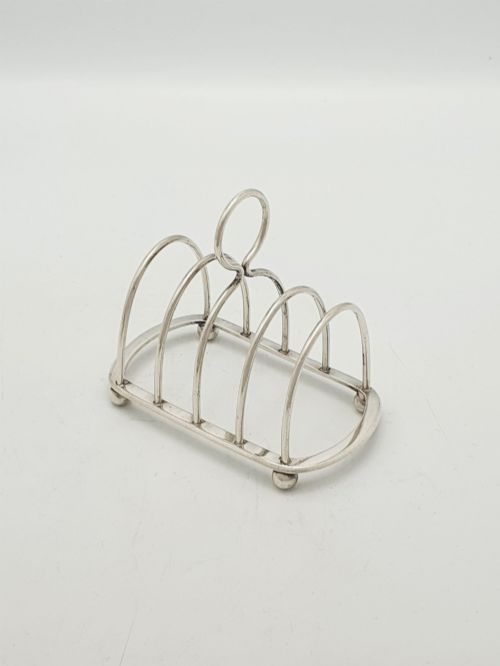
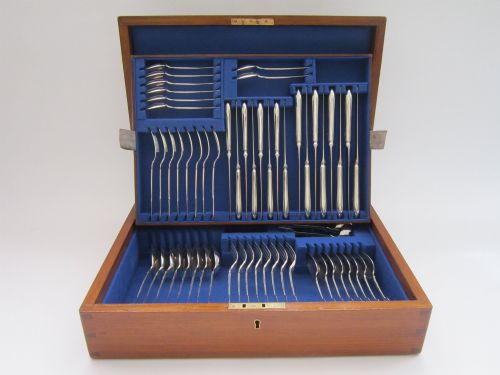
When you search for victorian silverware, you enter a diverse field of nineteenth-century table items, decorative vessels, and dining accessories. These pieces range from substantial cutlery canteens and tea services to individual items like sugar casters, mustard pots, and toast racks.
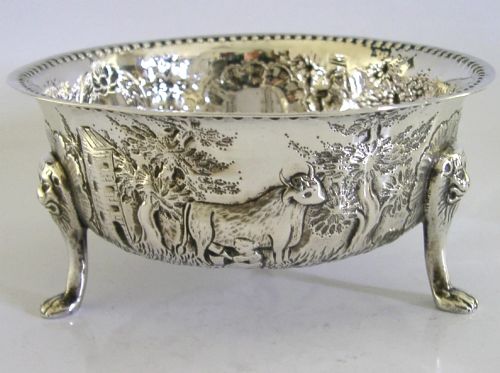
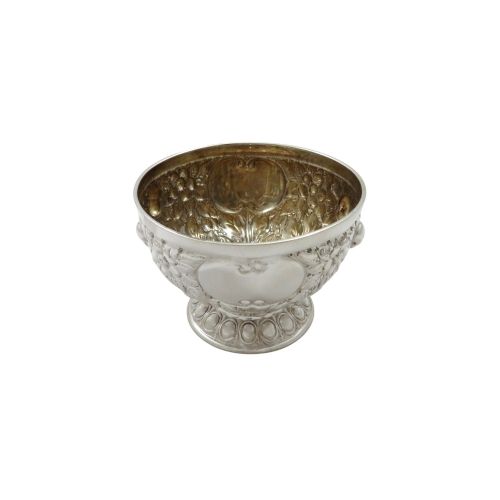
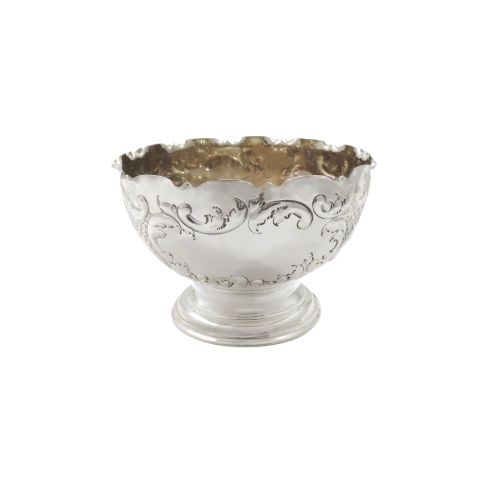
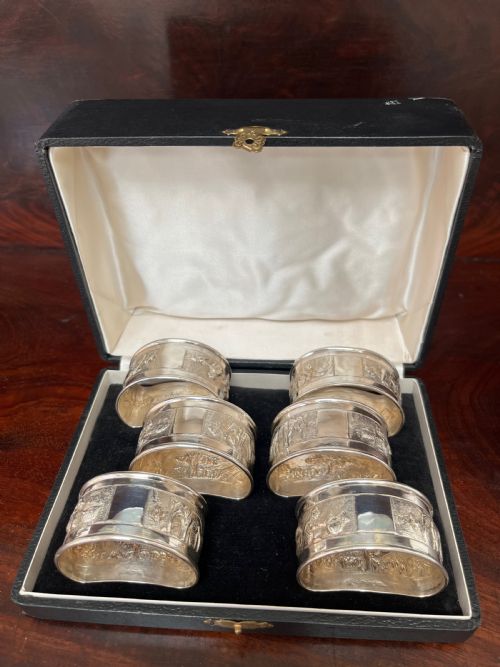
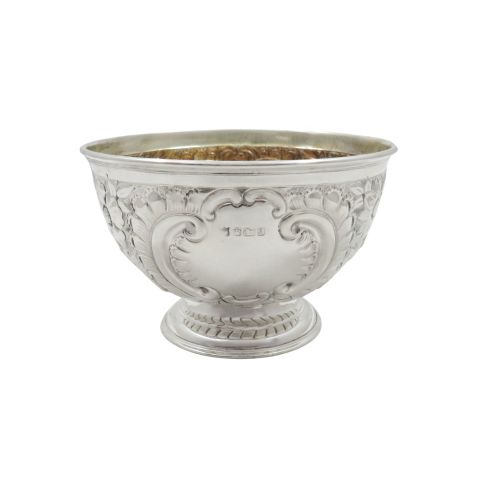
The objects seen here most frequently reflect the domestic dining habits of the period, spanning sterling silver bowls on pedestal feet, christening mugs, and napkin rings. Alongside standard domestic forms, regional and revival styles such as Anglo-Indian repoussé work and Georgian Revival sauce boats appear regularly.
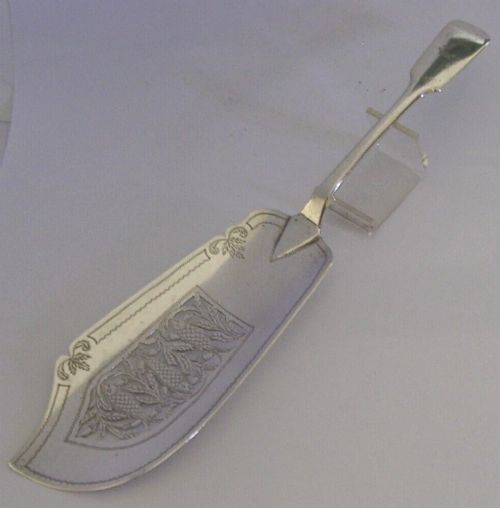
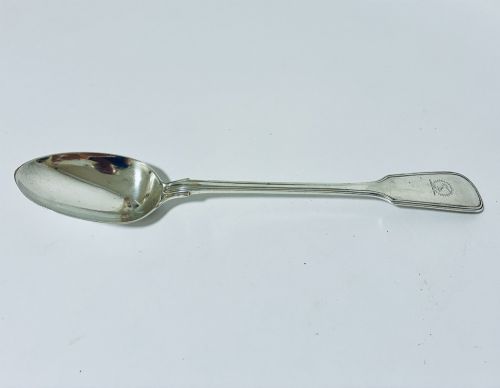
Buyers look for these items to bring period character to modern dining tables or to add functional silver pieces to established collections. The variety extends across utilitarian cutlery sets, serving spoons, and specialised implements like grape shears and fish servers.
Materials and Techniques
The primary material across these listings is sterling silver, supplemented by silver plate, silver gilt, and occasional base metals such as steel for cutlery blades. Ancillary materials like velvet, silk, leather, and ceramic appear inside fitted cases or as structural components in items such as biscuit barrels and canteened cabinets.
Manufacturing methods rely heavily on traditional silversmithing techniques, including casting, hammering, and hand-chasing. Pieces often display intricate surface detailing achieved through repoussé work, floral engraving, and cloisonné enamel, particularly on spoons and vessels originating from varied regional workshops.
Grape scissors allowed Victorian diners to sever fruit bunches cleanly without bruising the grapes.
Aspects of Quality
Quality in these objects is determined by the crispness of the chasing, the depth and clarity of hallmarks, and the weight of the metal used. Substantial gauge silver and well-balanced forms distinguish superior domestic hollowware from lighter, simpler productions.
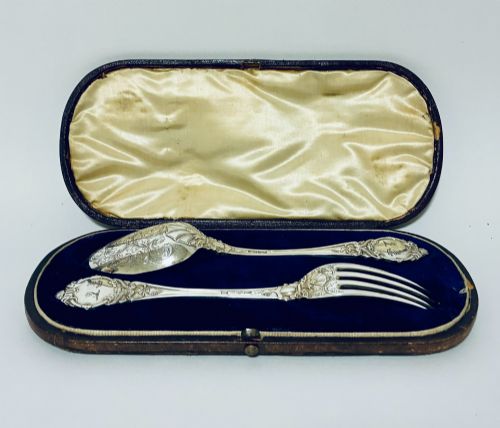
The integrity of decorative details, such as hand-engraved floral motifs and applied crests, dictates the standard of execution. Complete sets, original fitted cases, and intact gilding further elevate the standing of individual pieces.
William Comyns·Dmitrii Nikolaevich Nikolaev
The Victorian Silverware Glossary
- Sterling silver
- An alloy consisting of 92.5 percent silver and 7.5 percent other metals, typically copper, used widely for British domestic plate.
- Silver gilt
- Silver objects that have been coated with a thin layer of gold on the surface, often seen on the interior of sugar bowls and communion vessels.
- Repoussé
- A metalworking technique where the metal is hammered from the reverse side to form a raised design in relief on the front.
- Hallmark
- An official stamp applied to precious metals indicating the standard of purity, the assay office, and the year of manufacture.
- Fiddle pattern
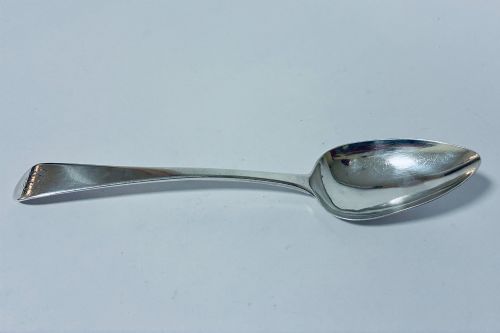
- A traditional nineteenth-century flatware handle design characterised by a widened, shaped end resembling a violin.
- Cloisonné
- An enamelling technique where decorative compartments are created by soldering flat metal wires to the metal base before filling with enamel paste.
Victorian Silverware: Frequently Asked Questions
How do I clean antique silver?
Clean silver using a soft cloth and specialised silver polish designed to remove tarnish without harming the underlying metal surface.
Avoid harsh abrasive cleaners or prolonged immersion in chemical dips, as these methods can strip away fine engraved details and delicate patination.
Are these items safe for daily dining?
Most solid sterling silver items are durable enough for regular use at the table, provided they are washed by hand promptly after meals.
Silver-plated items and pieces with delicate enamel or gilding require more careful handling and are better reserved for occasional display or careful dining.
How can I date my silver piece?
Dating relies primarily on the stamped hallmarks, which include specific letters corresponding to the assay year alongside maker marks and standard marks.
Stylistic indicators such as floral engraving, structural form, and the presence of original fitted cases also help place an object within its specific nineteenth-century decade.
What is the difference between sterling and plate?
Sterling silver contains a regulated high purity of silver throughout the entire object, making it solid precious metal from edge to edge.
Silver plate consists of a base metal core, such as copper or nickel, covered by a thin external layer of deposited silver.