


British Sterling Silverware
British sterling silverware comprises functional and decorative silver items forged across several centuries, offering lasting utility and timeless metalwork.
British Sterling Silverware
When buyers search for british sterling silverware, they encounter items ranging from Georgian spoons to Victorian sugar baskets and Edwardian napkin rings.
The pieces on this page span diverse forms including caddy spoons, flatware, ashtrays, and candlesticks originating from various periods.
Victorian and Georgian examples sit alongside later twentieth-century creations, reflecting shifting domestic habits and dining customs across generations.
Materials and construction
Makers utilised sterling silver and solid silver to fashion durable tableware and decorative accessories.
Silversmiths employed traditional metalworking techniques to shape functional objects such as napkin rings, baskets, and flatware.
Assessing quality and character
Weight and substance distinguish heavier napkin rings and larger vessels from lighter domestic items.
The refinement of period detailing, from Arts and Crafts simplicity to Neoclassical Revival ornamentation, dictates the distinction between standard production and notable maker output.
Liberty·Mappin & Webb·Theo Fennell·Garrard & Co Ltd·Walter & John Barnard
The British Sterling Silverware Glossary
- Sterling silver
- An alloy containing ninety-two point five percent silver by mass, with the remainder usually copper. This standard ensures durability for functional items while maintaining precious metal purity.
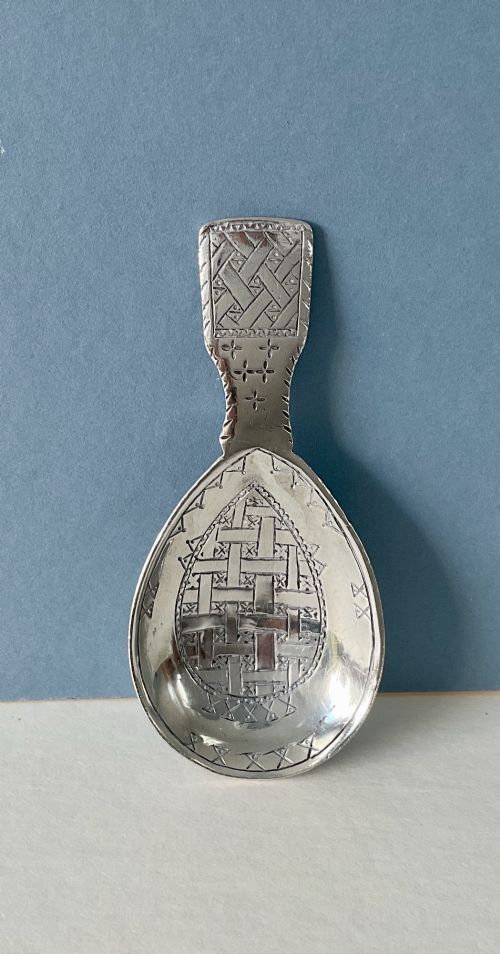
- Caddy spoon
- A short-handled spoon specifically designed for measuring loose tea leaves from a caddy. These small implements display considerable variety in bowl shape and handle decoration.
- Sugar basket
- An openwork or solid vessel intended for holding sugar lumps on the tea table. Often fitted with a blue glass liner, they frequently feature swing handles and pierced gallery work.
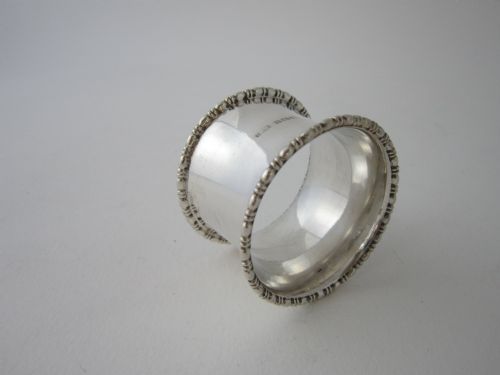
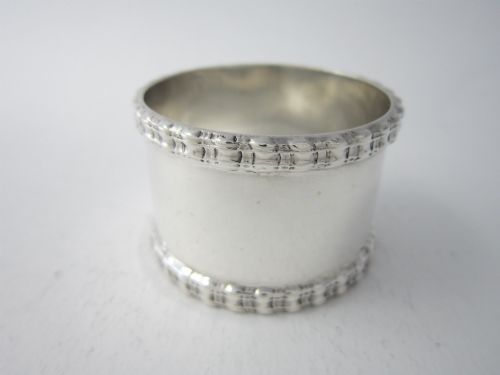
- Napkin ring
- A small circular band used to identify individual table napkins between meals. Heavier examples often bear crisp hallmarks and decorative borders.
British Sterling Silverware: Frequently Asked Questions
What periods do these silver items cover?
The pieces span multiple eras including Georgian, Victorian, Edwardian, and later twentieth-century decades.
Each period brings distinct stylistic characteristics reflecting the prevailing design movements of the time.
How were caddy spoons used?
Caddy spoons measured dry tea leaves from storage containers into teapots during tea preparation.
Their short handles and shallow bowls made them practical for domestic service.
Are these items made of solid silver?
The listings consist entirely of sterling silver and solid silver objects.
These durable metal compositions were chosen for items intended for regular household use.
What object types are available?
The selection includes functional tableware such as flatware, napkin rings, sugar baskets, and caddy spoons.
Decorative items like candlesticks and ashtrays also appear among the pieces.