



Victorian Silver Mounted Jug
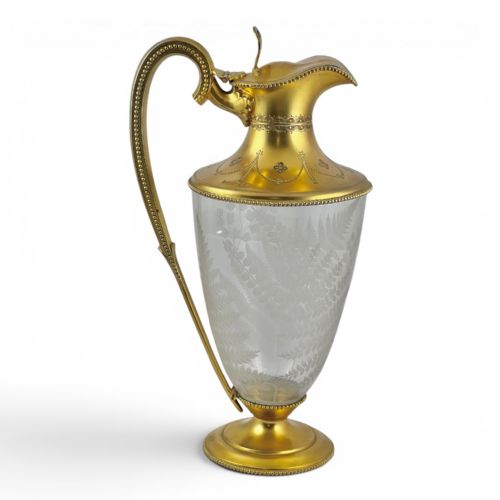
When you select a victorian silver mounted jug, you bring home a functional sculpture of glass and precious metal designed to grace the dining table.
Victorian Silver Mounted Jug
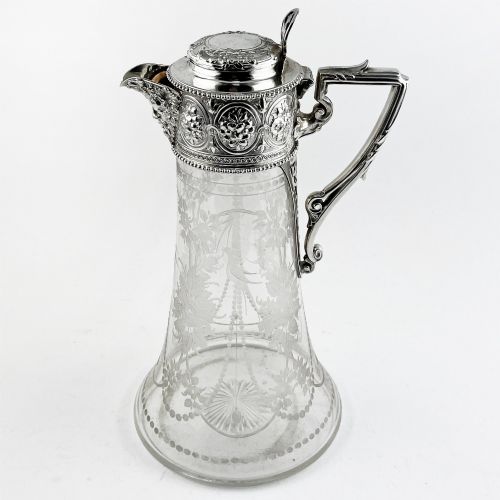
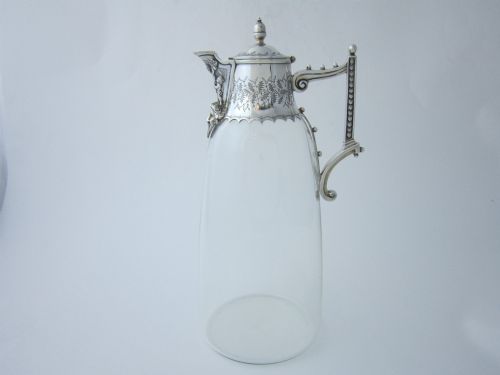
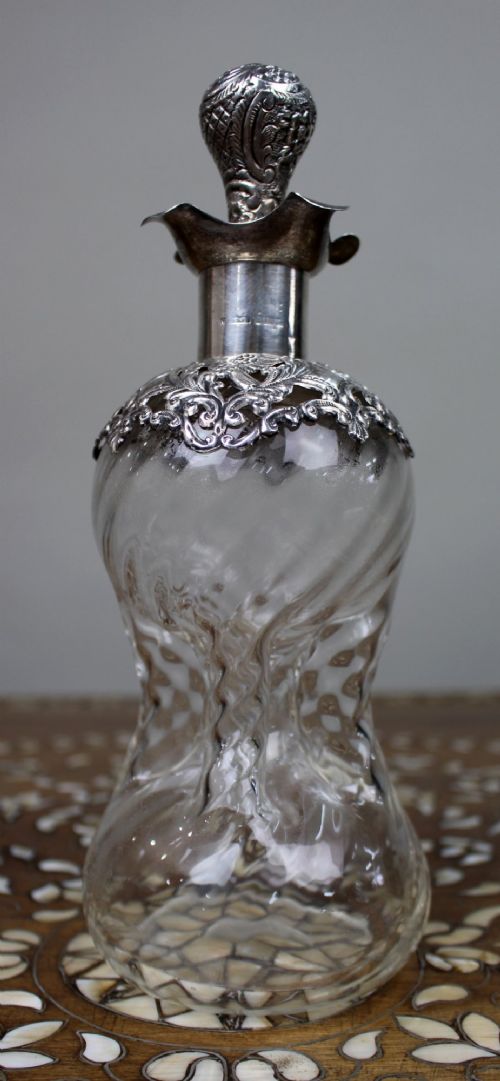
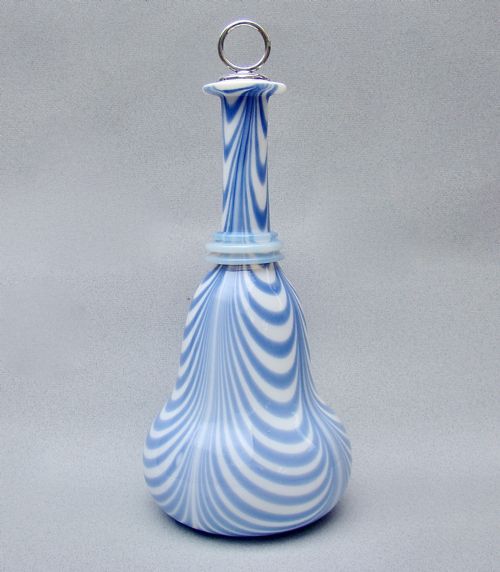
A victorian silver mounted jug bridges the gap between utilitarian dining vessel and decorative art, frequently taking the form of a claret jug, wine carafe, or lemonade pitcher. The pieces found here typically combine a blown or moulded glass body with hinged metal mounts, collars, and handles.
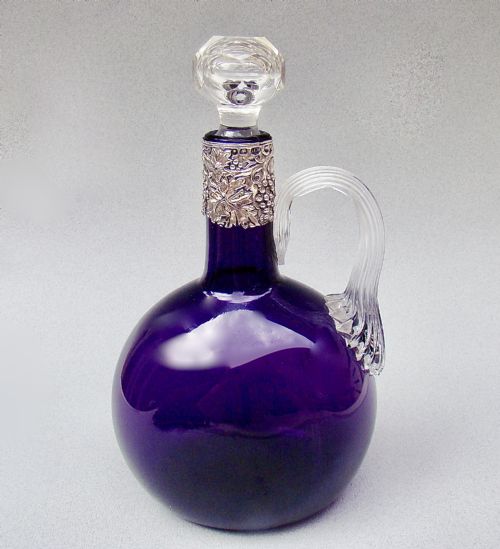
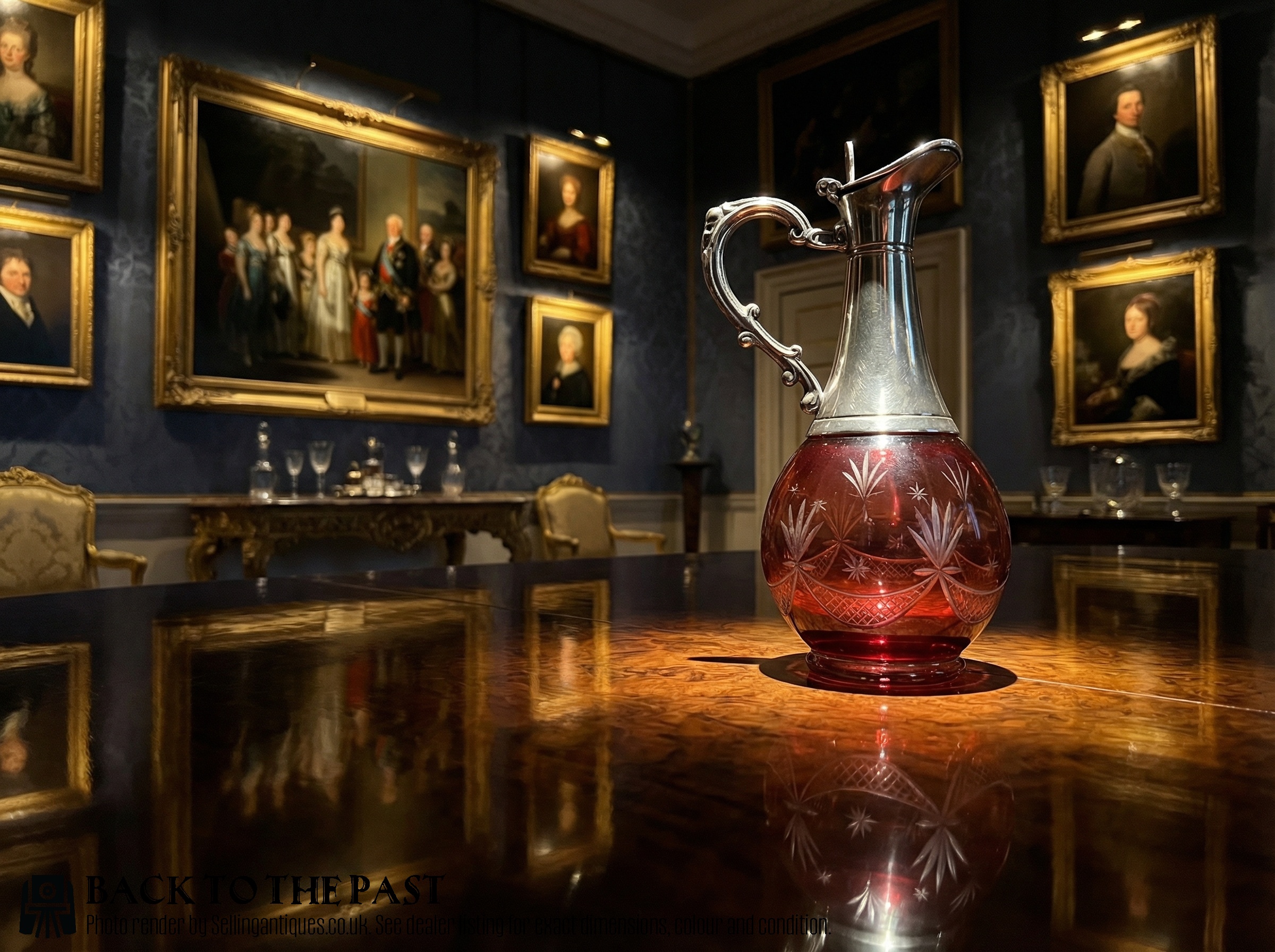
The most common examples on this page pair clear cut glass bodies with silver-plated mounts produced during the later decades of the nineteenth century. Collectors also encounter vessels utilising cranberry glass, amethyst glass, and solid sterling silver mounts bearing hallmarks for London, Birmingham, or Sheffield.
Beyond standard claret vessels, the selection encompasses related serving pieces including ewers, water jugs, and wine decanters. These items reflect the elaborate dining rituals of the period, where presentation held equal importance to the contents served.
Materials and Construction
Makers formed the glass bodies using traditional glassblowing and mould-cutting techniques, producing surfaces with deep diamond cuts, flutes, or acid-etched floral patterns. Crystal and heavy flint glass provided the necessary weight and clarity to contrast against the reflective metal components.
The mounts, hinged lids, and handles were created through casting, stamping, and silver-plating over base metals or by employing solid sterling silver and silver gilt. Goldsmiths and silversmiths secured these metal collars to the glass necks using specialised adhesives and tight-fitting bands.
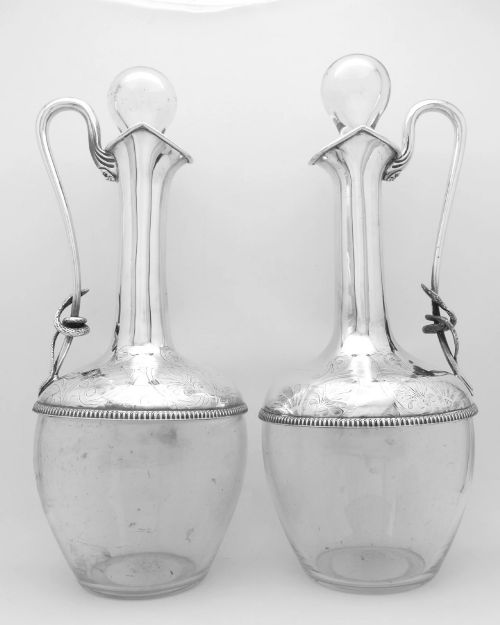
Specialist firms incorporated interior elements such as removable ice tubes to chill beverages without dilution, while others employed complex mechanisms for spouts and figural handles styled as serpents, bacchus masks, or novelty figures.
Some Victorian designers hid monkeys and serpents in the handles, ensuring your wine pourer doubled as a conversation starter.
Assessing Quality and Execution
Quality rests in the harmony between the glass body and the metal mount, where superior examples feature crisp, deep cutting in the glass and substantial gauge silver rather than thin, pliable plating. The weight distribution of the piece, particularly when filled, indicates the original standard of manufacture.
The precision of the mechanical elements dictates the tier of the piece, with top-tier examples possessing tight, perfectly aligned hinges on the lid and a thumbpiece that operates smoothly without lateral play. Details such as chased ornamentation on the silver and hand-engraved motifs elevate an object above standard production items.
Asprey and Co. Ltd·Henry Matthews·Mappin and Webb·Elkington and Co·Hukin and Heath·Holland Son and Slater
The Victorian Silver Mounted Jug Glossary
- Sterling Silver
- An alloy consisting of ninety-two point five percent silver by mass, with the remainder composed of copper or other metals. Marked on British pieces by the lion passant hallmark.
- Silver Plate
- A manufacturing technique where a thin layer of silver is bonded to a base metal substrate, such as copper or Britannia metal. This process allowed Victorian manufacturers to offer ornate vessels at accessible price points.
- Crystal
- A type of glass containing lead oxide, which increases the refractive index and weight of the material. This composition permits sharper facets and a clearer ring when struck.
- Bacchus Mask
- A decorative motif depicting the face of the Roman god of agriculture and wine, wreathed in vine leaves. Often cast into the spout or handle terminal of wine jugs.
Victorian Silver Mounted Jug: Frequently Asked Questions
How were these jugs used originally?
Victorian hosts utilised these vessels to transfer wine from storage bottles to the dining table for formal meals and evening gatherings. The hinged lids kept out dust and insects while allowing the host to pour drinks easily.
Beyond wine service, larger examples functioned as water jugs, lemonade pitchers, or Pimms servers during summer garden parties and parlour receptions.
How do I identify the date of a piece?
British silver mounts usually feature a complete set of hallmarks including a date letter, a town mark, and a maker stamp. Consulting standard assay office reference tables reveals the exact year the metal components received certification.
When hallmarks are absent on silver-plated items, stylistic clues such as the cut of the glass, the shape of the handle, and aesthetic movement motifs help narrow down the manufacturing decade.
What distinguishes sterling silver from silver-plated mounts?
Sterling silver mounts bear official assay office hallmarks indicating solid precious metal content, which adds intrinsic value to the object. Over generations, solid silver develops a soft patina that polish enhances without wearing away.
Silver-plated mounts utilise a base metal core beneath the precious metal layer, which can eventually wear thin over raised edges with centuries of enthusiastic cleaning.