


Edwardian Glass Claret Jug
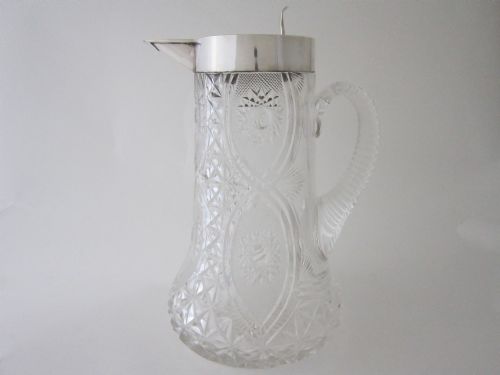
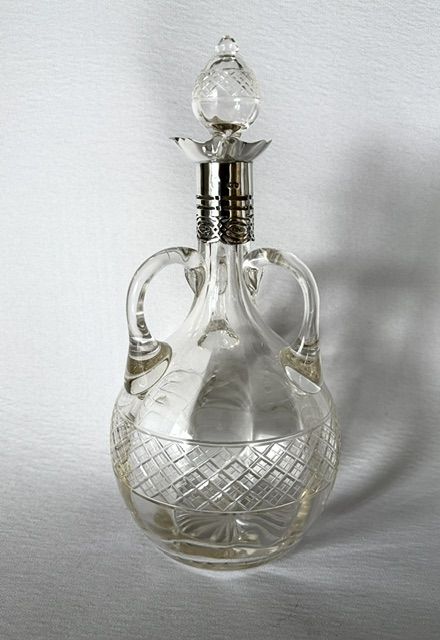
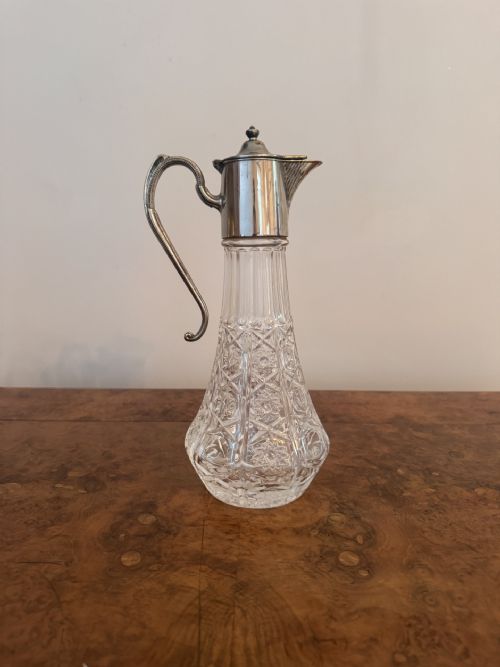
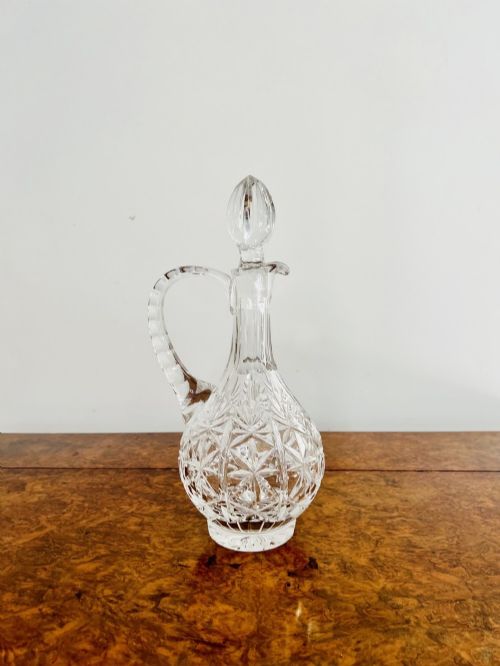
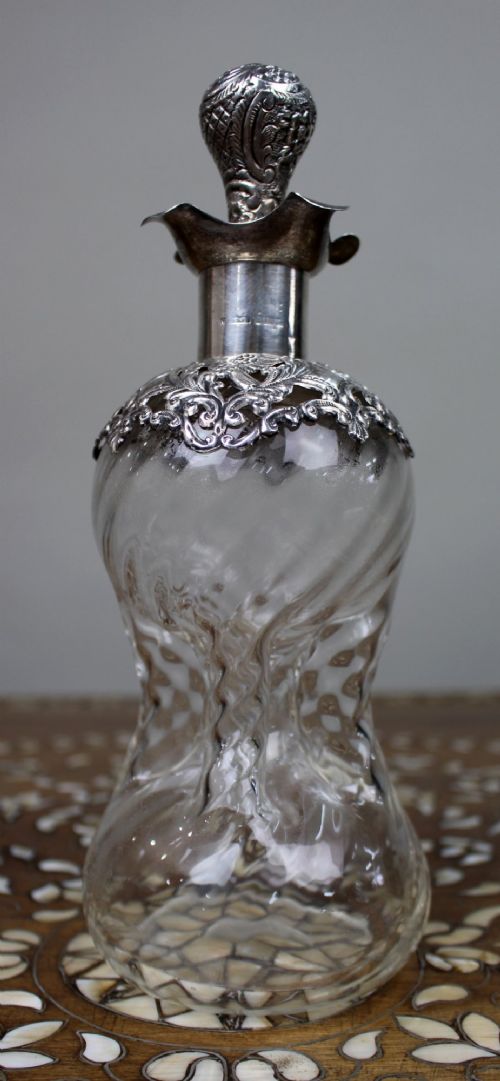
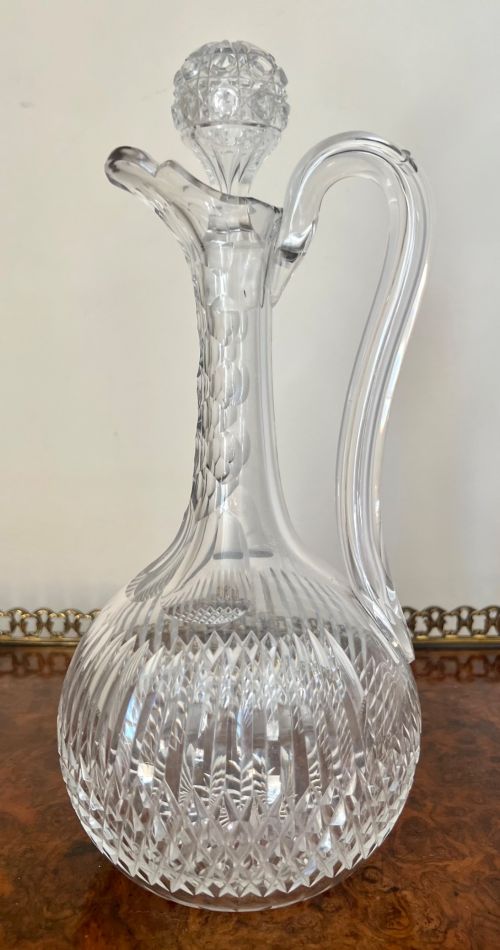
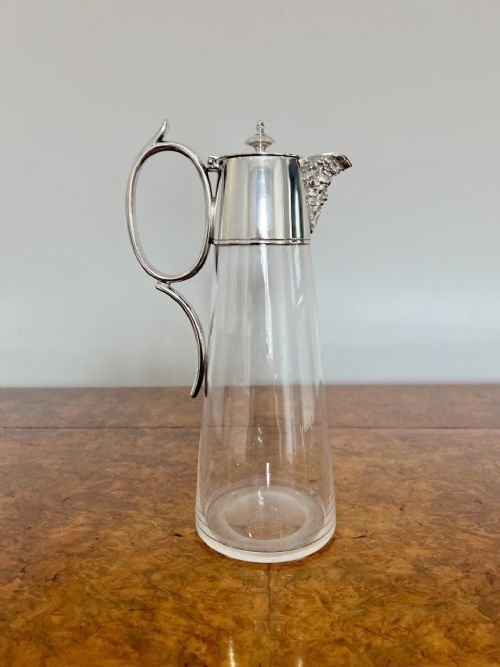
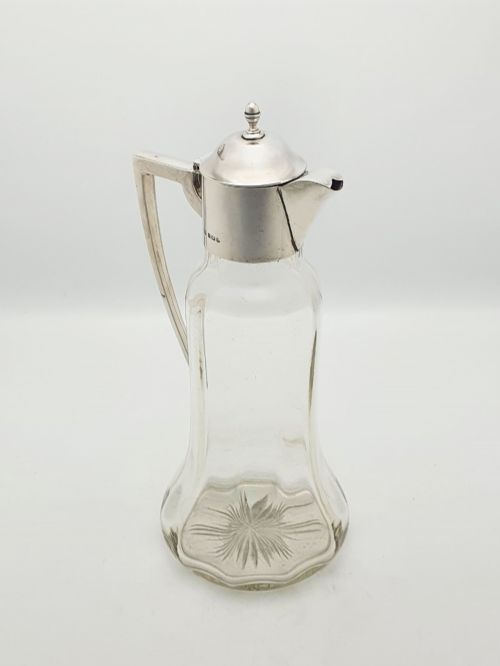
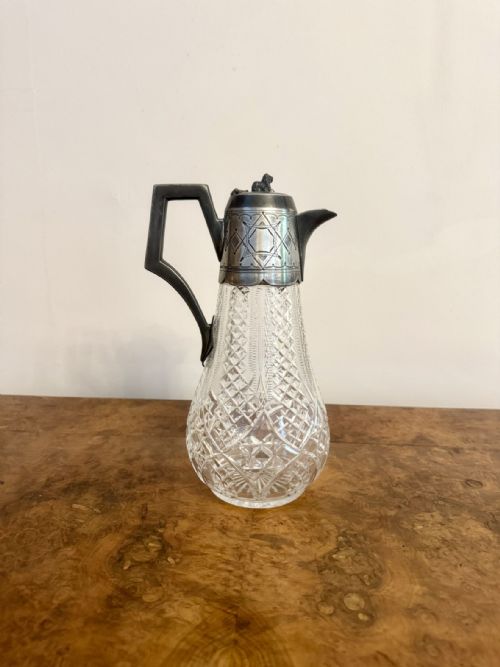
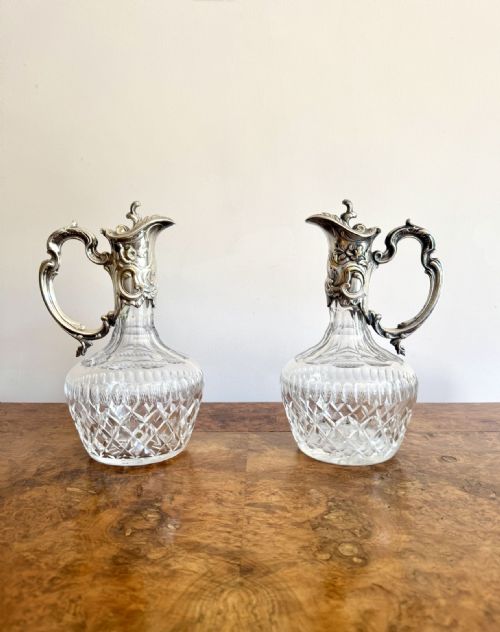
When you search for an Edwardian glass claret jug, you look for a refined table vessel that combines pressed or cut crystal with silver mounts.
Edwardian Glass Claret Jug
The edwardian glass claret jug brings together glass bodies and metal mounts made for serving wine at the dining table. Most examples date from the opening decade of the twentieth century, accompanied by related Victorian and George V pieces.
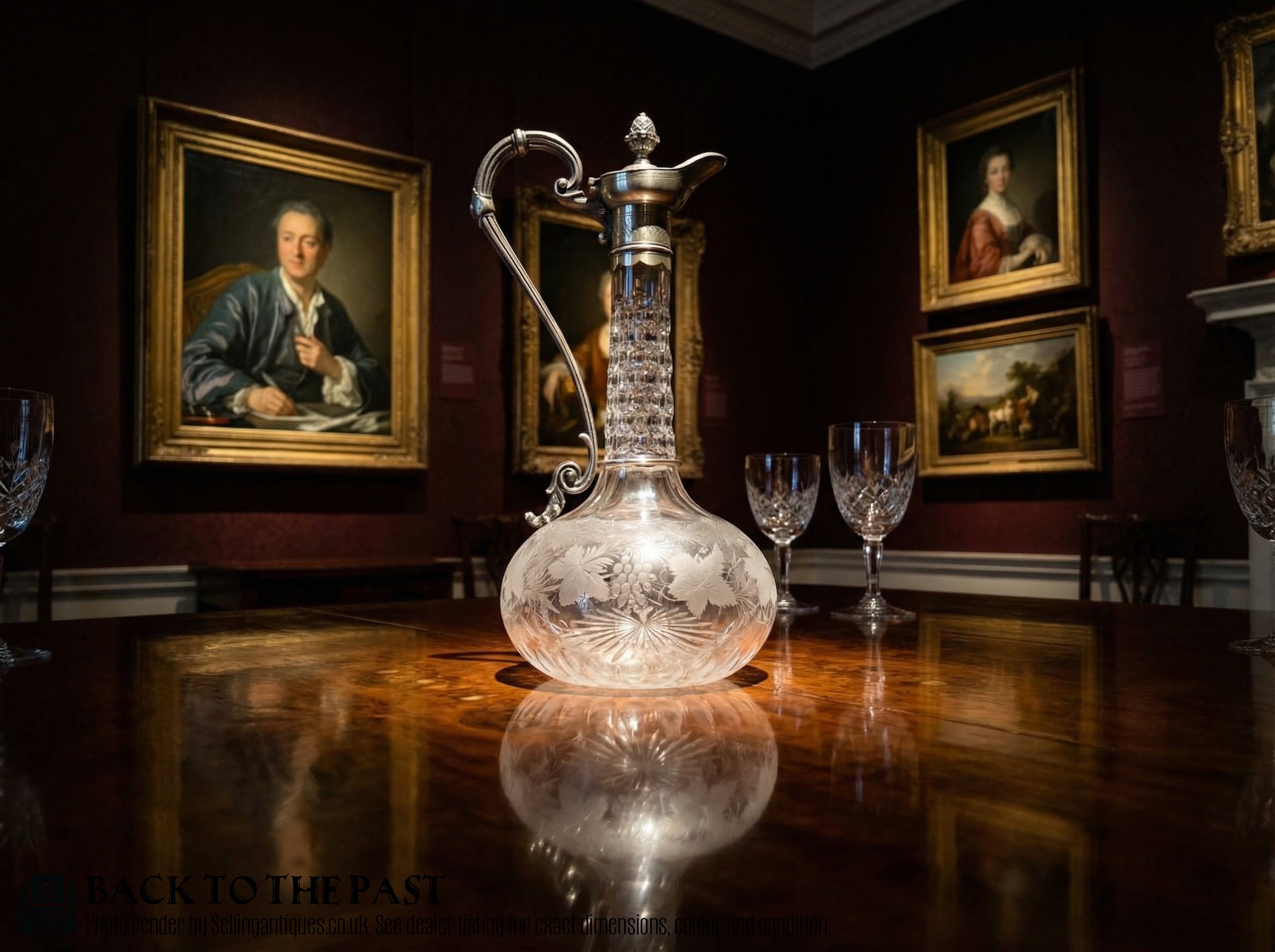
Materials and construction
Makers utilised heavy clear crystal and cut glass, alongside coloured variants like cranberry and amber glass, forming bodies through blowing and moulding. These glass vessels were frequently finished with deep wheel-cut patterns, floral engraving, or plain polished surfaces.
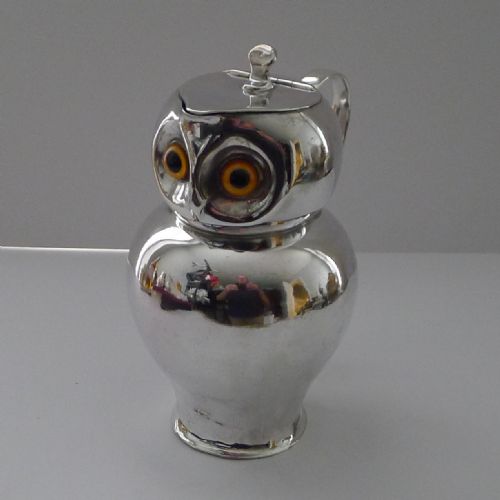
Mounts were fashioned from sterling silver or silver plate, often associated with prominent makers and silversmiths. Pewter also appears in designs influenced by the Arts and Crafts and Art Nouveau styles.
Edwardian Glass Claret Jug Retail Price Guide 2026
Typical asking prices for edwardian glass claret jug among the pieces listed under this phrase on Sellingantiques today, from the lower quarter to the upper quarter. They describe what is for sale here now, not the wider market.
Materials recorded on this page range from plain and cut crystal to coloured cranberry and amber glass, paired with sterling silver, silver plate, and pewter.
Evaluating craftsmanship
Quality rests heavily on the depth and crispness of the glass cutting, where sharper facets and intricate engraving distinguish superior examples from simpler pressed bodies. Heavier crystal bodies reflect greater material weight and clarity.
The thickness and substantial feel of the silver or silver-plated mounts dictate the calibre of the hardware. Well-balanced handles and smoothly functioning hinged lids demonstrate careful execution by the silversmith.

Elkington And Co·Hukin And Heath·William Davenport·Archibald Knox For Liberty Co
The Edwardian Glass Claret Jug Glossary
- Claret jug
- A pourer designed specifically for serving red wine at the table. These vessels combine a glass body with a hinged metal lid and handle.
- Cut glass
- Glass decorated by holding it against a rotating abrasive wheel to carve geometric or floral motifs into the surface. This technique produces sharp facets that catch the light.
- Silver plate
- A base metal, often copper or white metal, coated with a thin layer of silver. This process provided the appearance of solid silver at a lower cost.
- Cranberry glass
- A transparent red glass created by adding gold chloride to the molten batch. It gained popularity during the Victorian and Edwardian eras for decorative tableware.
- Mount
- The metal collar, handle, and hinged lid fitted to the neck of a glass jug. These elements secure the pouring apparatus to the vessel.
Edwardian Glass Claret Jug: Frequently Asked Questions
What was an edwardian glass claret jug used for?
These jugs served red wine at formal Edwardian dinners, allowing hosts to decant wine from bottles before pouring it into glasses at the table.
The hinged lid kept the contents covered between pours while the handle and spout enabled controlled serving during meals.
How can I tell Edwardian jugs from Victorian ones?
Edwardian pieces often feature lighter, airier ornamentation influenced by emerging twentieth-century tastes, whereas Victorian designs tend to be heavier and more ornate. Examination of any hallmarks or maker marks on the silver mounts usually provides a precise year of manufacture.
Stylistic cues such as flowing Art Nouveau lines or geometric Arts and Crafts motifs also help distinguish the transition between these periods.
Are all mounts made of solid silver?
Many mounts consist of silver plate over a base metal rather than solid sterling silver. Manufacturers stamped solid silver pieces with assay office hallmarks that indicate the metal standard, city, and year.
Silver-plated items generally carry maker marks or plating stamps rather than official hallmarks.