

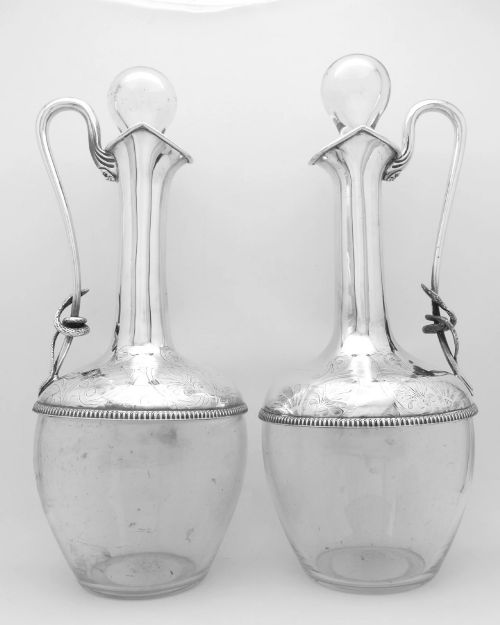


19th Century Glass Pitcher
These 19th century glass pitcher pieces bring brilliant colour and weight to a table, combining utility with Victorian artistry.
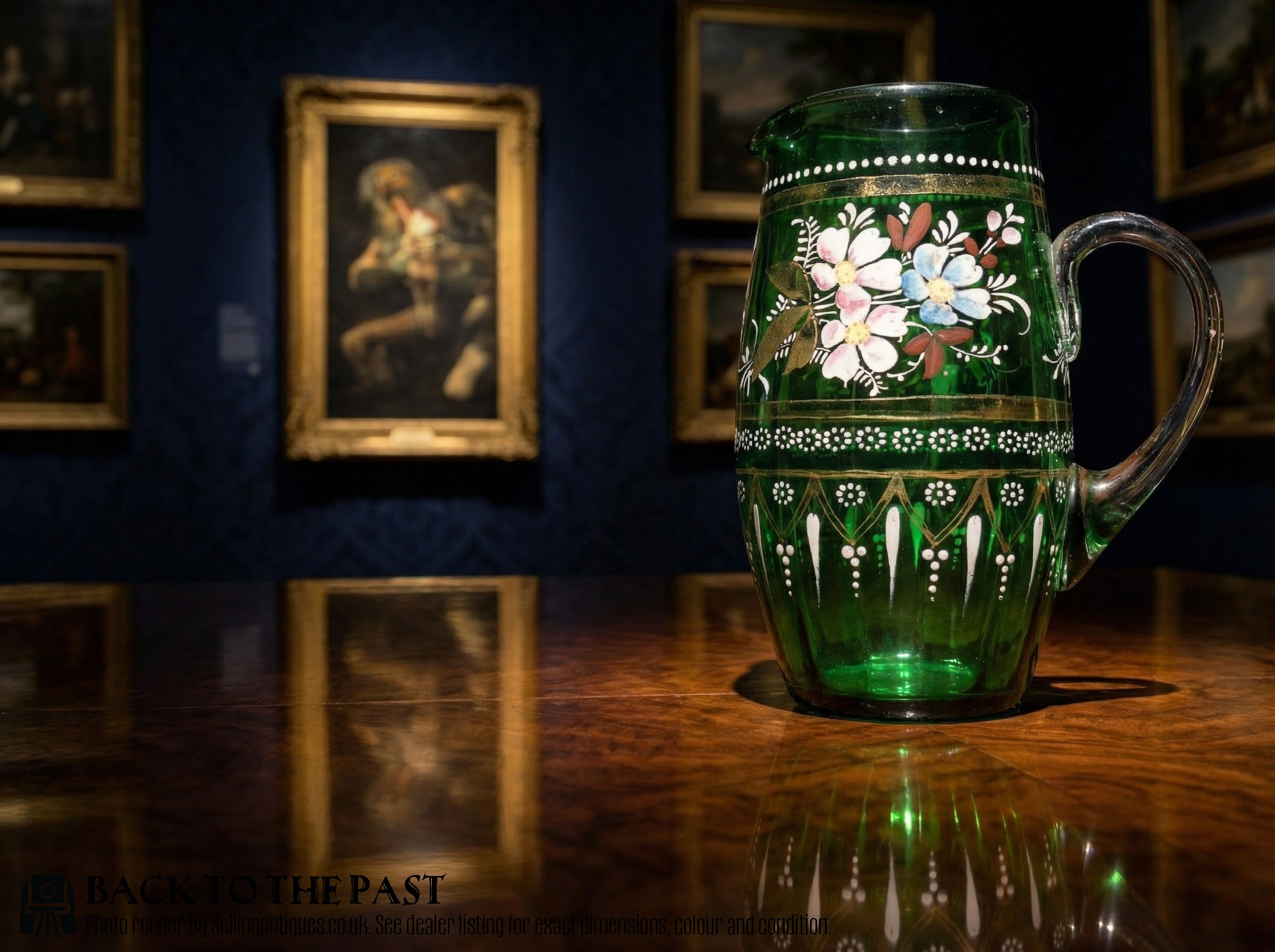
Understanding the 19th century glass pitcher
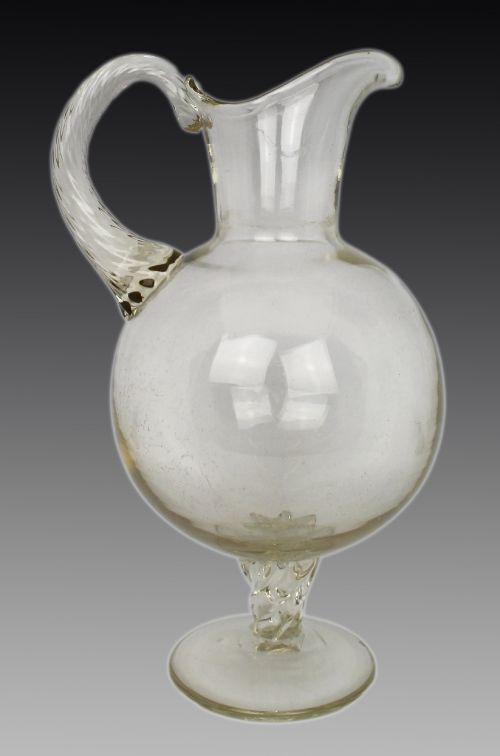
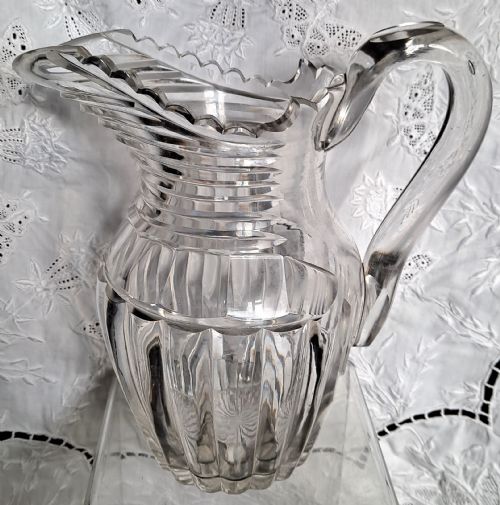
A 19th century glass pitcher serves practical pouring roles while displaying the diverse decorative methods of the Victorian era and the late Regency period. Buyers searching this phrase encounter water jugs, cream jugs, and wash set vessels designed for daily domestic use.
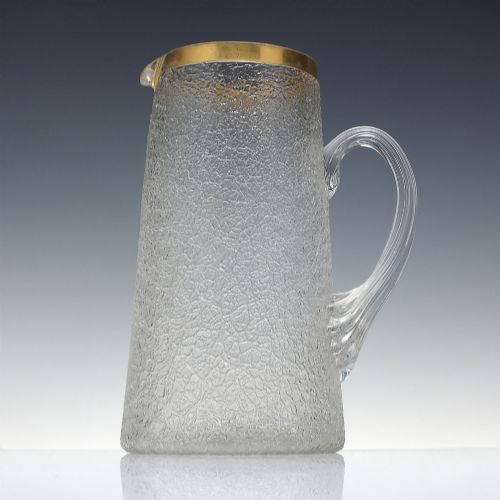
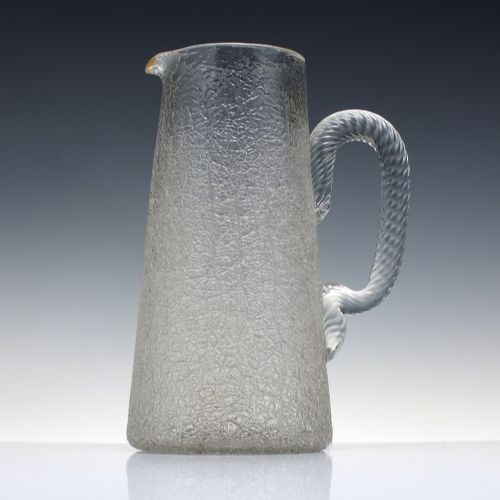
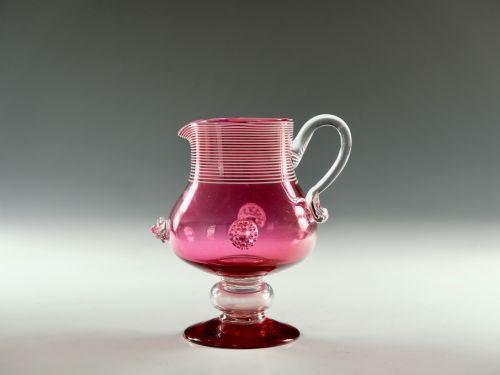
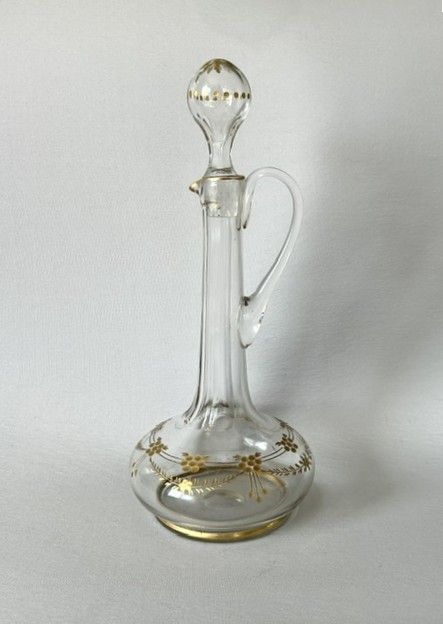
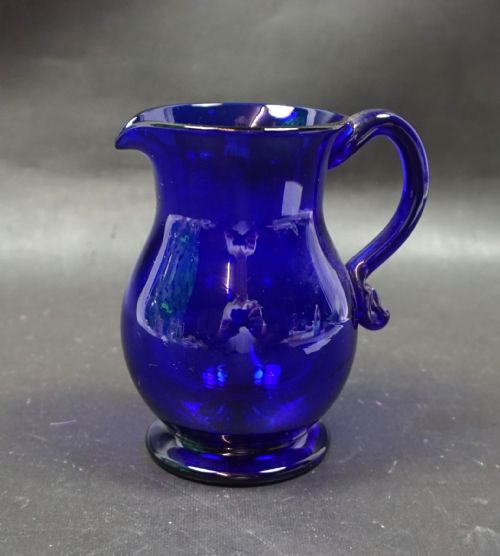
The selection ranges from tall overshot water jugs with gilded rims to small cranberry glass pieces and green glass pitchers. Forms span from large water vessels to smaller cream jugs, reflecting the varied household functions of the nineteenth century.
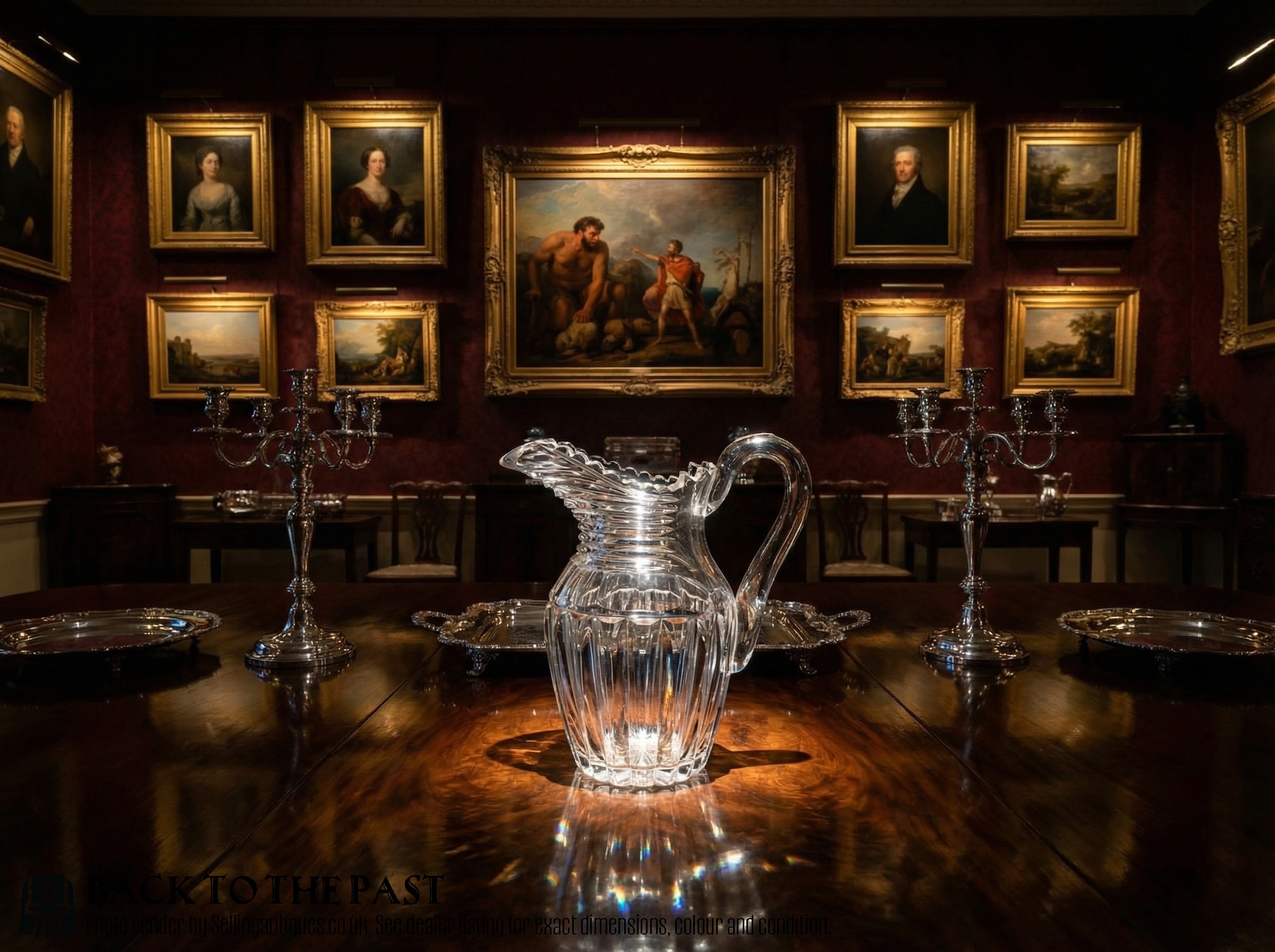
Materials and construction
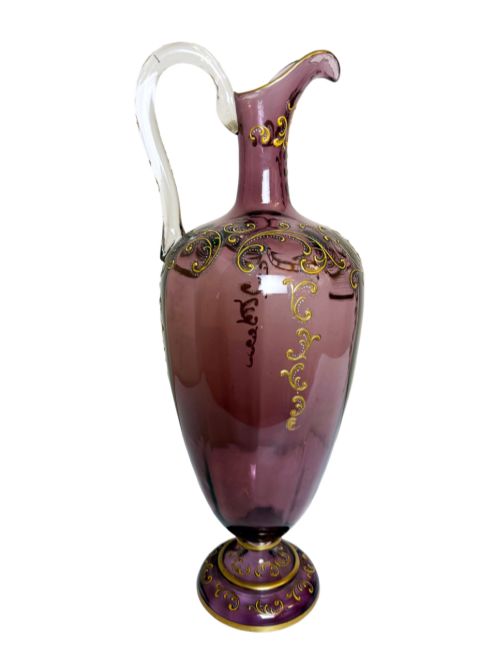
Makers utilised clear glass, cut lead crystal, and coloured varieties such as cranberry glass and green glass. Decoration often involved enamel painting, gold leaf application, and intricate cutting techniques.
Individual items combine heavy lead crystal bodies with applied handles and polished pontil marks. Gilding and enamel work sit directly on the glass surface, requiring steady brushwork and controlled kiln firing.
Retail Price Guide 2026
Typical UK retail prices for 19th century glass pitcher, calculated from the Sellingantiques database of over a million retail prices indexed since 2003. This retail price guide relies exclusively on Sellingantiques data; no external sources or auction records are used, so the figures do not describe the wider market.
Current listings feature pieces spanning the 1850s to the 1890s, utilising clear glass, cranberry glass, cut lead crystal, and enamel.
Distinctions in quality
Quality rests on the clarity of the metal, the precision of the cut facets, and the preservation of surface details like gold leaf and enamel painting. Heavy lead crystal exhibits sharper refraction and greater weight than standard glass.
Artistic execution dictates the upper tier, where hand-painted enamel and crisp gilding remain intact without rubbing. Secondary pieces show simpler moulded forms and minimal surface ornamentation.
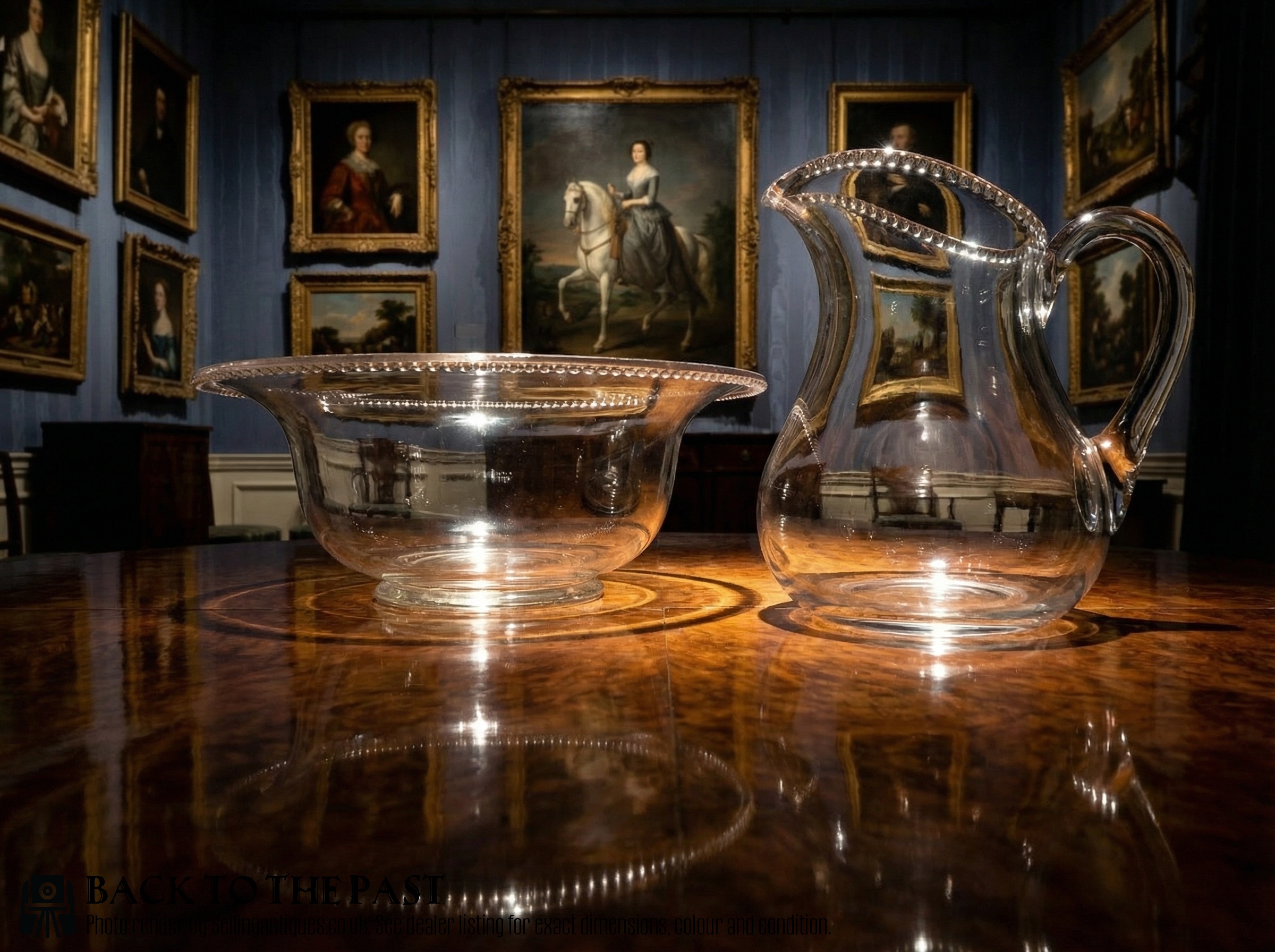
The 19th Century Glass Pitcher Glossary
- Overshot glass
- A technique where fine threads of glass are rolled onto the hot body to create a textured, icy surface. This finish provides a tactile grip and a distinctive appearance.
- Cranberry glass
- A transparent red glass created by adding gold chloride to the molten batch. It ranges from a pale pink to a deep crimson hue.
- Lead crystal
- Glass containing lead oxide, which increases weight, brilliance, and refractive index. It allows for deep, sharp cutting.
- Pontil mark
- The rough scar left on the base where the punty rod was snapped off after blowing. Its presence indicates traditional hand-blown manufacturing.
Frequently Asked Questions
Were these pitchers used for water or wine?
Most large examples function as water jugs or part of a wash set for bedroom use. Smaller variants serve as cream jugs for table service.
Their sturdy construction suited them for daily hospitality, though heavily gilded pieces likely saw more formal display.
How can I tell a Victorian pitcher from a Regency one?
Regency pieces often feature heavy cut glass with geometric patterns reflecting neoclassical tastes. Victorian examples introduce vibrant colours like cranberry and green, alongside enamel painting and gilded rims.
Examining the depth of the cutting and the colour palette generally reveals the manufacturing era.
Can I use these pitchers for serving daily meals?
Many of these sturdy vessels remain entirely functional for serving water or cream at the table. Their thick walls provide durability for regular handling.
Take care with pieces featuring delicate enamel work or fragile gold leaf, which benefit from gentle use and careful hand washing.