


Victorian Glass Water Jug
When you handle a victorian glass water jug, you hold a piece of nineteenth-century dining history crafted for service on grand tables.
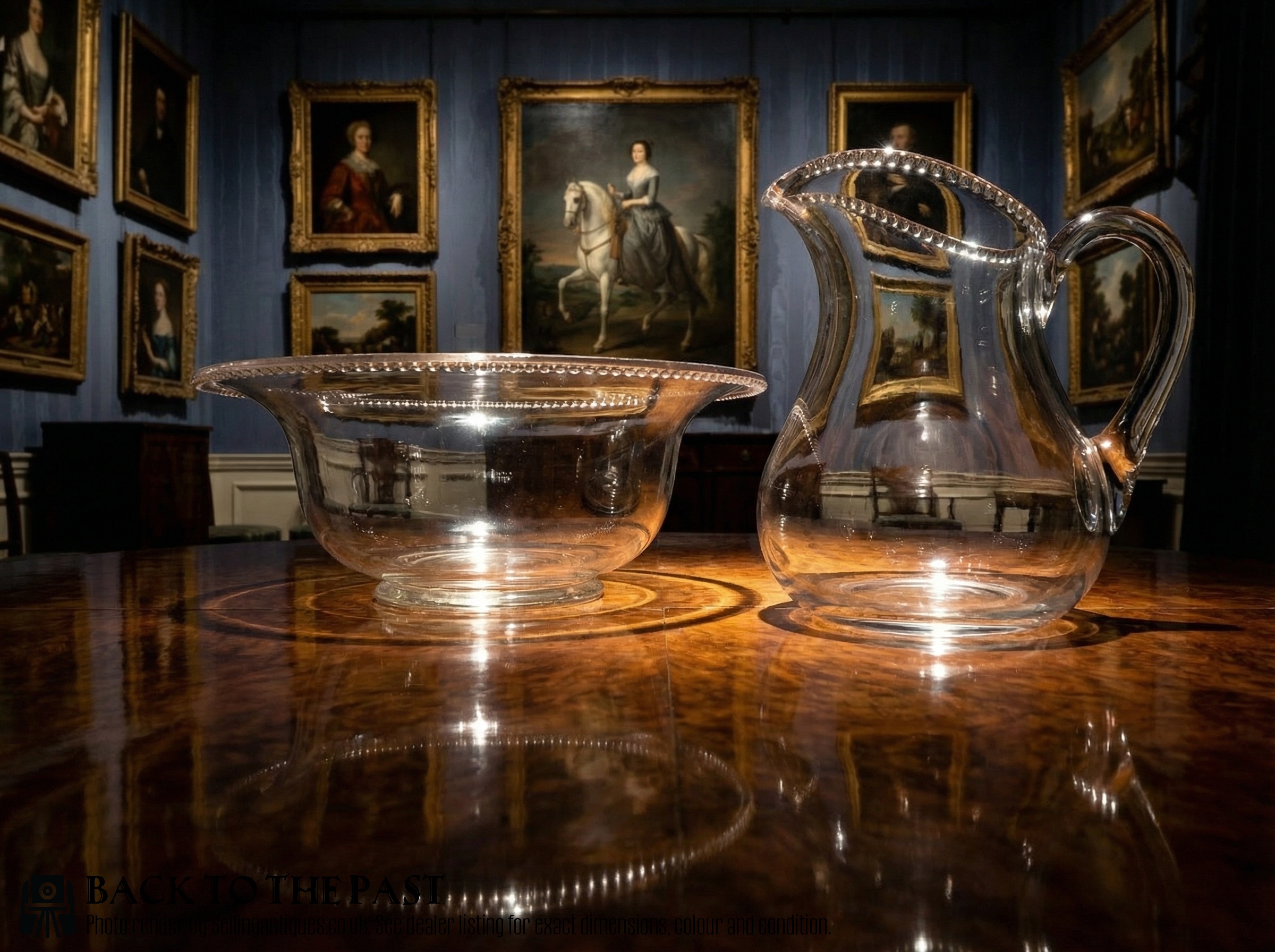
Victorian Glass Water Jug
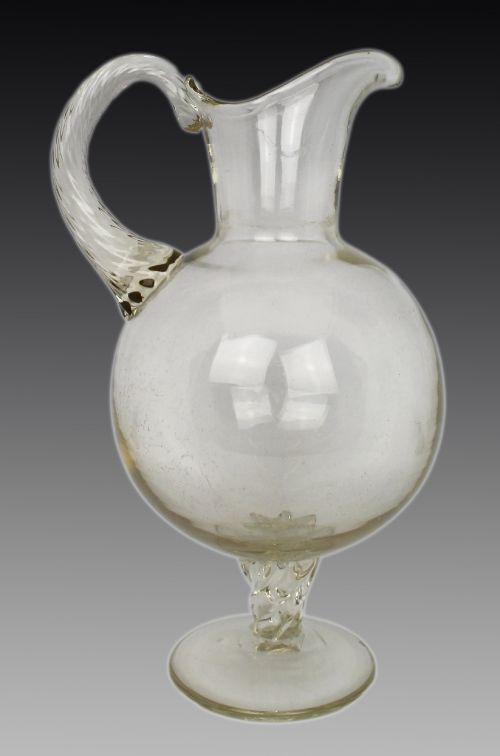
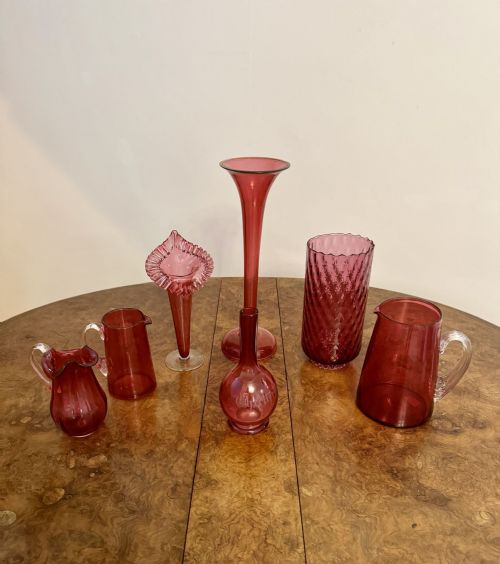
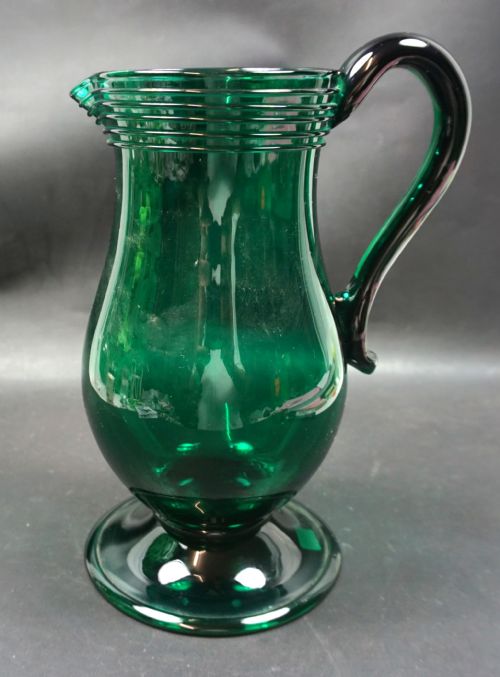
A victorian glass water jug serves as a functional vessel designed for pouring water, lemonade, or wine during nineteenth-century dining and entertaining. These pieces appear frequently in clear lead crystal, vibrant cranberry glass, and rich green glass forms dating from the mid to late nineteenth century.
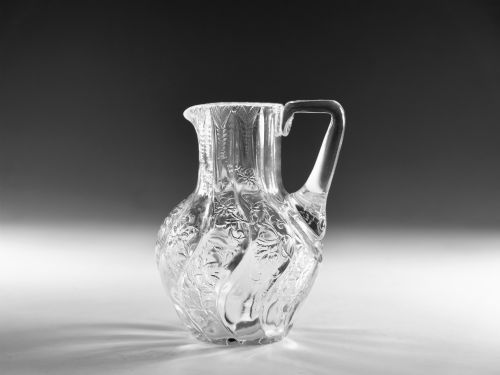
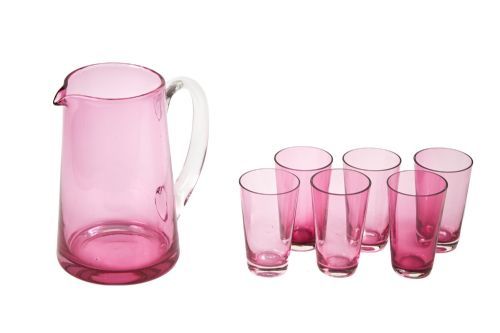
Makers produced these pitchers in various styles, ranging from heavy cut glass to delicate hand-blown vessels featuring enamel paint, gilding, or etched motifs. Buyers encounter both standalone ewers and matched sets complete with matching glasses or bowls.
How they were made
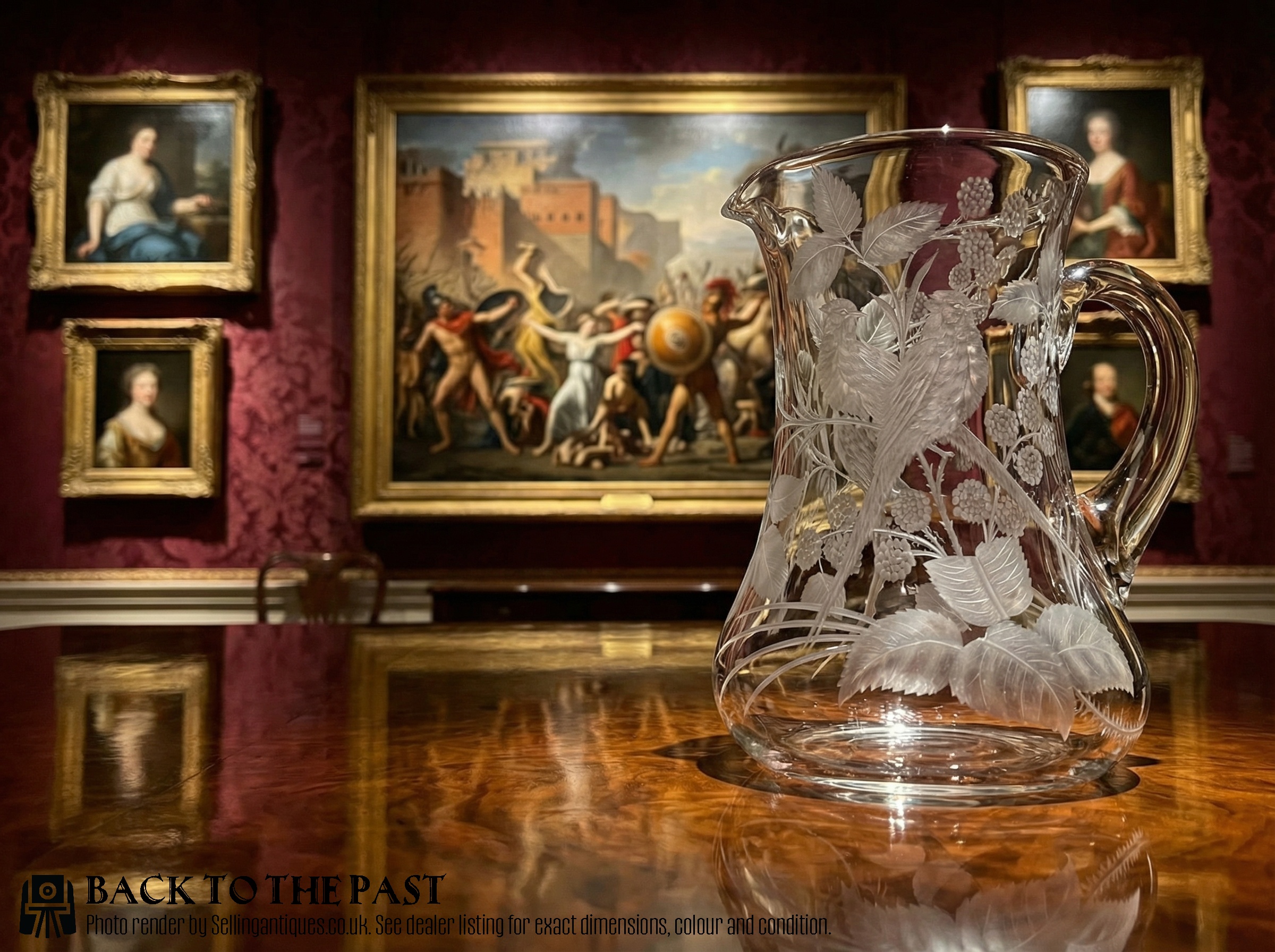
Artisans shaped these vessels using traditional glassblowing techniques, often gathering molten lead crystal or coloured glass before blowing it into moulds or free-handing the form. Workers added applied elements such as handles, folded feet, and trailing rims while the glass remained hot and malleable.
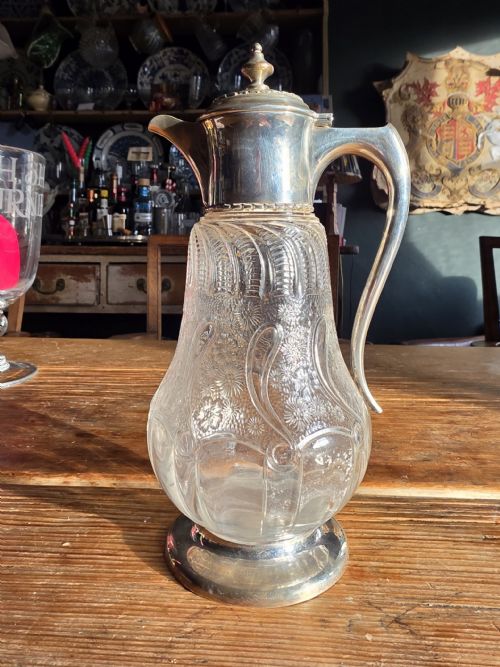
Designers utilised wheel engraving, acid etching, and enamelling to decorate the cooled surfaces with botanical motifs, birds, or geometric patterns. Many pieces received functional upgrades through the addition of sterling silver mounts, silver-plated rims, hinged lids, or internal ice tubes.
Victorian Glass Water Jug Retail Price Guide 2026
Typical asking prices for victorian glass water jug among the pieces listed under this phrase on Sellingantiques today, from the lower quarter to the upper quarter. They describe what is for sale here now, not the wider market.
Listings feature Victorian glass water jugs spanning the mid nineteenth century through the Edwardian period in clear lead crystal, cranberry, and green glass.
What varies in quality
Quality rests upon the clarity of the metal, the precision of the wheel-cut facets, and the crispness of any engraved or enamelled detail. Heavier lead crystal exhibits superior weight and resonance compared to standard utility glass.
The refinement of applied silver mounts and the intricacy of decorative motifs, such as hand-painted figures or elaborate overshot textures, distinguish standard production pieces from workshop masterpieces.
William Comyns·Stevens and Williams·Richardsons Birmingham·Mappin and Webb·Elkington and Co·Webb and Son
The Victorian Glass Water Jug Glossary
- Overshot glass
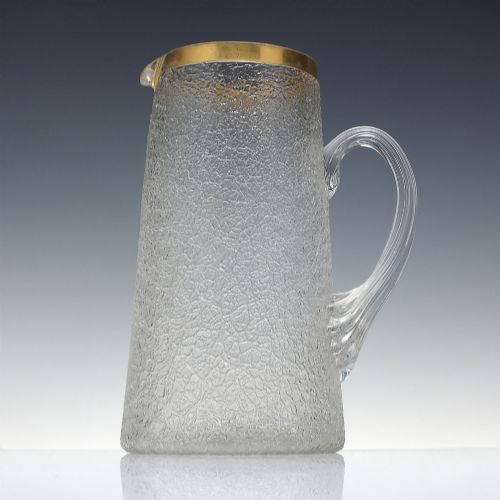
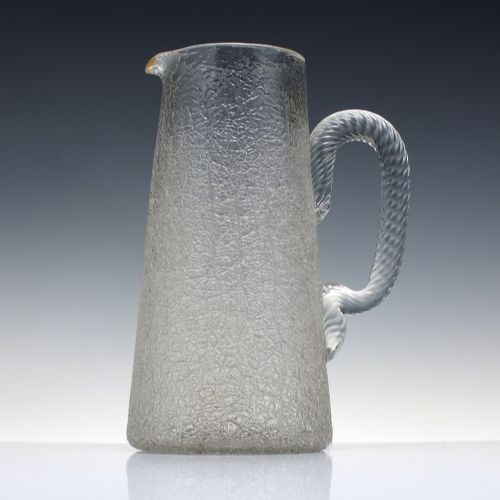
- A decorative technique where fine threads of hot glass are rolled across the surface of a blown vessel to create a textured, icy appearance. This style frequently appears on nineteenth-century pitchers.
- Cranberry glass
- A rich red-pink transparent glass created by adding gold chloride to the molten batch. It became exceptionally popular during the Victorian era for tableware and water sets.
- Latticinio
- A Venetian glass technique incorporating opaque white or coloured glass threads twisted within clear glass. It adds linear elegance to nineteenth-century jugs.
- Ewer
- A large jug with a wide spout and a looped handle, traditionally used for holding water. Victorian examples often feature decorative feet and elaborate handles.
- Crackle glass
- A textured glass achieved by plunging a hot blown vessel briefly into cold water before expanding it further. This creates an intentional network of internal fractures across the body.
Victorian Glass Water Jug: Frequently Asked Questions
Were these jugs used exclusively for water?
Nineteenth-century households utilised these vessels for multiple table drinks, including lemonade, iced wine, and cordials, alongside plain water.
Many examples listed feature specialised internal ice tubes or silver-plated lids designed specifically to keep chilled beverages cold during long dinner parties.
How can I tell cut glass from moulded glass?
Hand-cut glass displays sharp facet edges, slight surface irregularities from the polishing wheel, and deep linear recesses that catch the light distinctly.
Moulded glass typically exhibits softer, more rounded pattern edges and often shows a continuous seam line left by the production mould.
What defines Mary Gregory glass?
Mary Gregory pieces feature white enamel silhouettes of Victorian children playing outdoors amongst foliage, painted onto coloured glass bodies such as green or cranberry.
True period examples display meticulous hand-painted detail and slight raised texture in the white enamel work.