


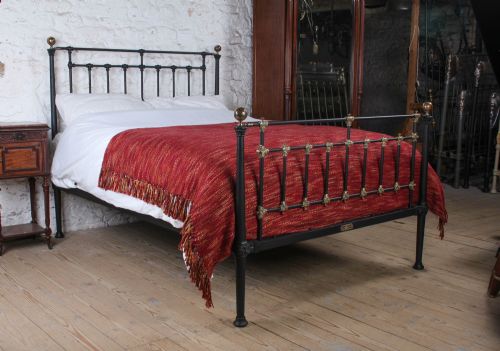
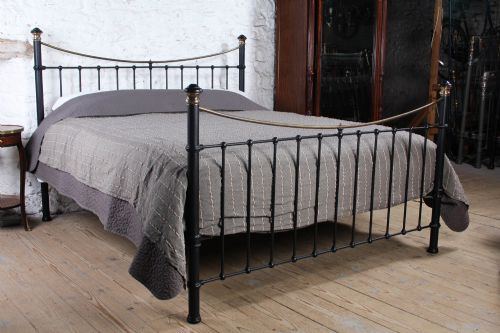
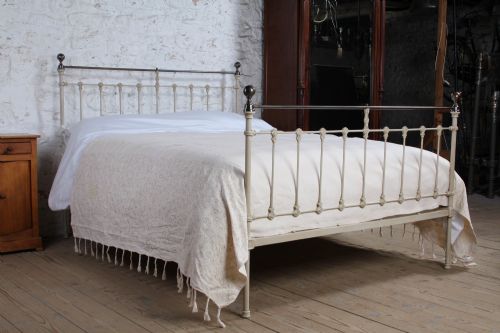
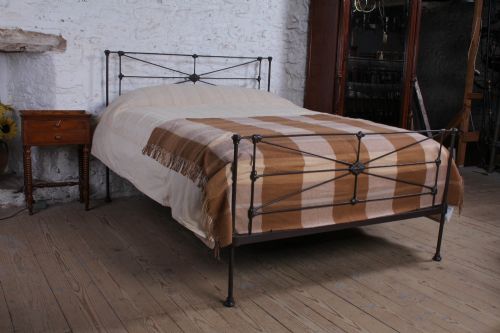


Victorian Iron King Bed
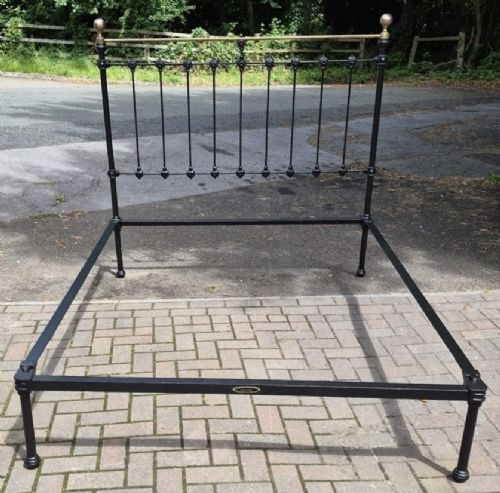
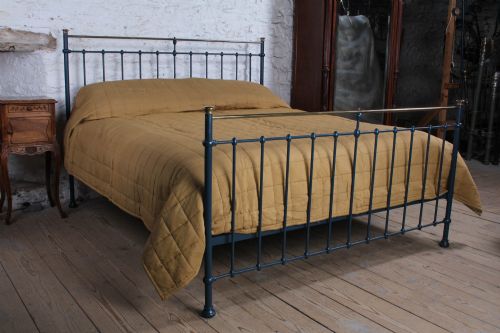
A victorian iron king bed offers sturdy proportions combined with decorative metalwork, bringing period character and generous sleeping space to a bedroom.
Victorian Iron King Bed
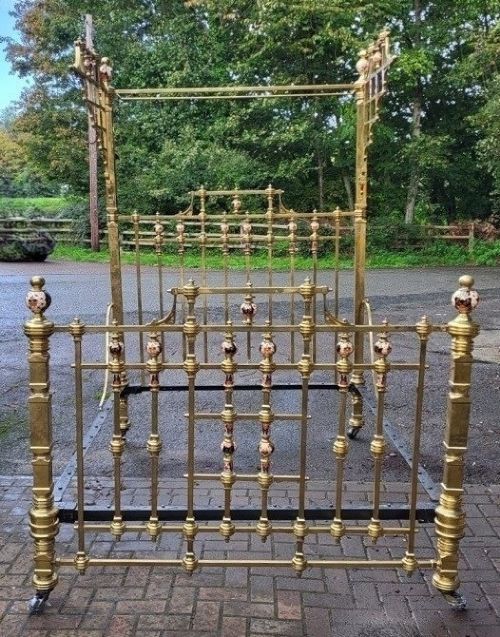
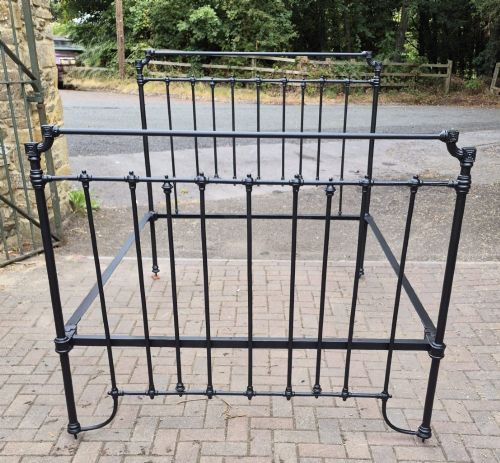
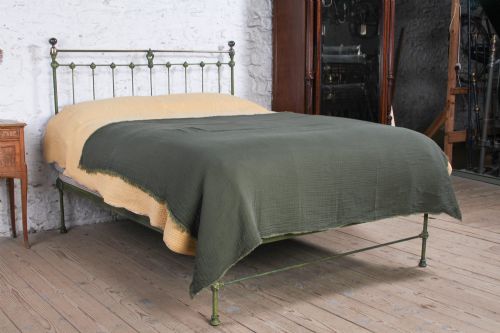
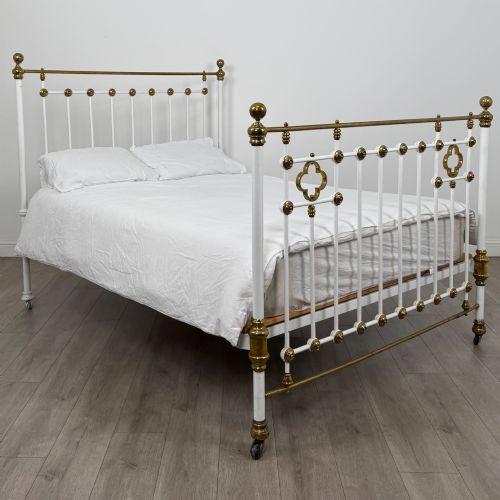
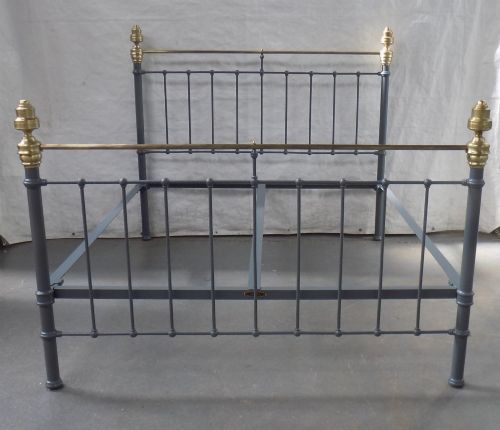
A victorian iron king bed combines the substantial sleeping dimensions required by modern standards with the decorative metal casting techniques of the nineteenth and early twentieth centuries. These frames appear frequently in combinations of cast iron and polished brass, alongside examples finished entirely in painted iron.
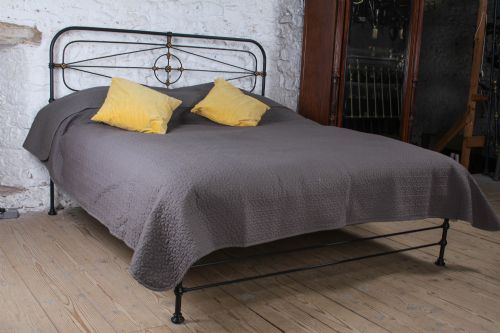
The selection ranges from traditional straight rail designs and low end formats to half tester canopies and French-inspired silhouettes. Makers from the Victorian, Edwardian, and subsequent transitional periods incorporated influences such as the Aesthetic Movement and Art Nouveau into the headboards and footboards.
Regional variations include Irish frames featuring distinctive shaping and ribbon reed details, while standard English pieces often display classic finials and porcelain accents. Buyers encounter both full-height footboards and no-end configurations designed to create a more open appearance in smaller rooms.
Materials and Construction
Makers utilised structural cast iron and malleable wrought iron for the main frames and tubing, providing the necessary rigidity and weight for a large sleeping surface. Brass components, including spun knobs, heavy finials, and decorative castings, were applied to the head and foot sections to contrast with the dark or painted ironwork.
Surface finishes historically involved lead-based or oil paints in colours such as cream, ivory, basalt blue, and black, alongside clear protective lacquers on brass parts. Modern restorations frequently reapply traditional paint finishes to match the original appearance recorded in historical catalogues.
Joint construction relied on heavy dovetail or wedge-lock connections between the side rails and the corner posts, ensuring the bed could be dismantled easily. These interlocking metal joints provide the structural stability that allows antique iron frames to support contemporary king-size mattresses.
Listings demonstrate that surviving frames predominantly combine cast iron and brass, with occasional examples finished entirely in painted iron or specialised colourways.
Assessing Craftsmanship
The sophistication of the brass and iron castings dictates the visual distinction of a piece, separating standard production models from exhibition quality examples. Crisp detailing on floral motifs, crisp lettering on maker plates, and heavy gauge brass tubing signify superior workshop output.
Structural integrity depends on the original thickness of the iron and the precision of the corner joints, which prevent lateral movement in a wide frame. Frames retaining original brass components, unbroken porcelain details, and intact makers' marks hold greater historical fidelity.
Winfield·Maple and Co
The Victorian Iron King Bed Glossary
- Half tester
- A bedstead featuring a short canopy projecting from the wall or headboard over the pillow end, historically draped in fabric to retain warmth.
- Dip rail
- A headboard or footboard top rail that curves downwards towards the centre, creating a softer silhouette than a strict horizontal bar.
- No end
- A bed frame configuration lacking a high footboard, presenting an open foot section that suits contemporary bedrooms and limited spaces.
- Finial
- A decorative terminal ornament, typically made of spun or cast brass, screwed to the top of bed posts to finish the vertical lines.
- Ribbon reed
- A decorative moulding technique on iron or brass components that resembles a tied ribbon or reeded banding.
- Aesthetic Movement
- A late nineteenth-century design style emphasising visual beauty and artistic detail over strict historical revivalism.
Victorian Iron King Bed: Frequently Asked Questions
How do I fit a modern mattress?
Most antique frames accommodate standard sizing, though older British dimensions can vary slightly from contemporary metric standards. A custom slatted base or modern metal support system is typically inserted within the side rails to hold the mattress securely at the correct height.
Measuring the internal width and length between the side iron rails before purchasing ensures compatibility with standard mattress sizes.
Were king size beds common in the Victorian era?
While standard nineteenth-century sleeping quarters often utilised narrower widths, large houses and hotels commissioned wider frames, frequently referred to as five-foot or six-foot sizes. These larger proportions required heavier iron and brass components to maintain structural rigidity across the wider span.
Today, these historical wider frames provide the scale required for modern bedrooms without sacrificing period authenticity.
How should I clean the brass and iron?
Painted iron surfaces respond best to gentle dusting and occasional cleaning with a damp cloth, avoiding harsh chemical solvents that can damage historical finishes. Unlacquered brass parts develop a natural patina over time, though mild polishes can be applied sparingly if a brighter appearance is preferred.
Care must be taken around porcelain details and maker marks to preserve the original surface integrity during routine maintenance.
Can these beds be dismantled for moving?
The original wedge-lock and dovetail joint system was engineered specifically to allow the headboard, footboard, and side rails to separate easily. This modular construction makes transport and assembly straightforward once the metal keys or wedges are tapped loose.
Lubricating the joints lightly during reassembly helps protect the vintage metal surfaces from unnecessary wear.