




Victorian Gothic Lectern Stand
A victorian gothic lectern stand brings ecclesiastical gravity into a room, offering a carved or forged perch for reading and display.
Victorian Gothic Lectern Stand
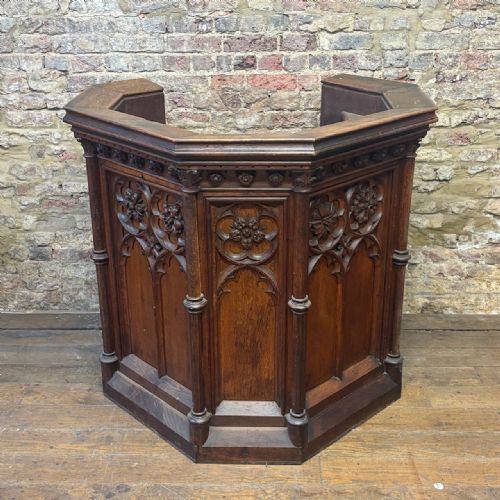
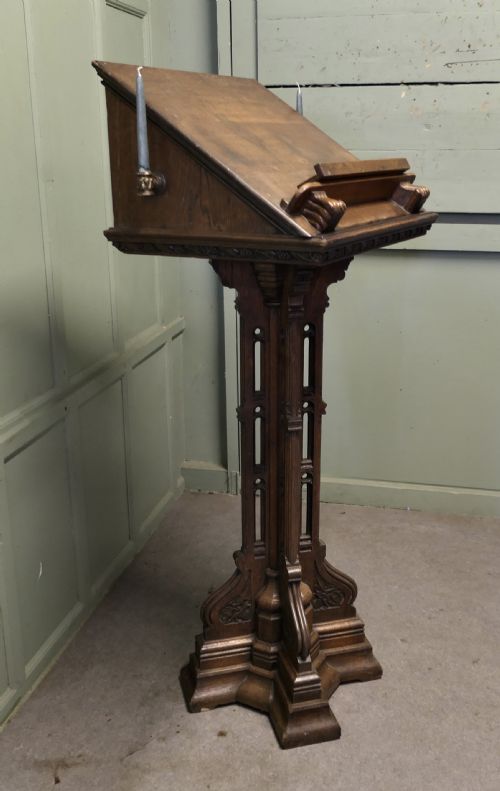
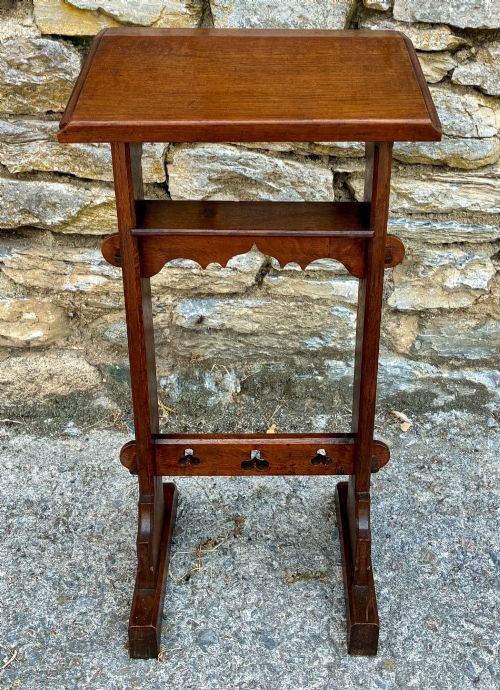
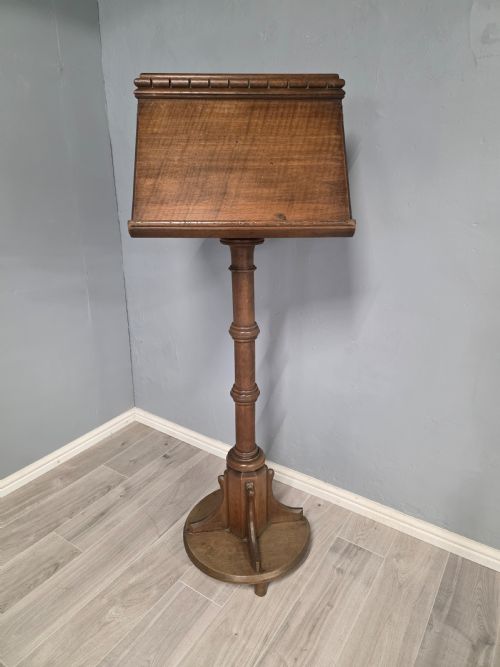
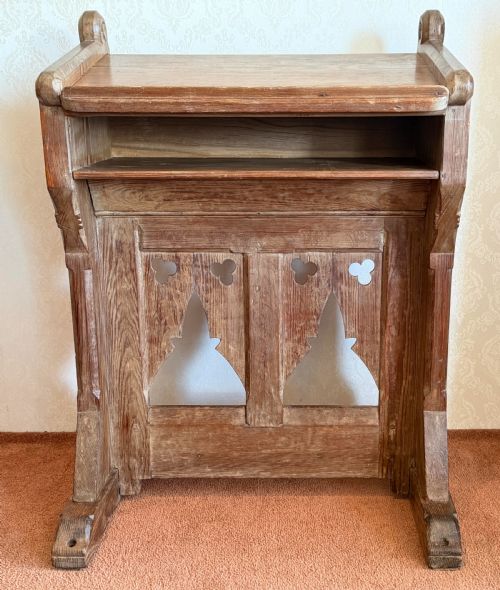
When you search for a victorian gothic lectern stand, you encounter pieces designed for churches, chapels and domestic reading rooms during the nineteenth century and the early decades of the twentieth century. These furnishings take the form of floor-standing pulpits, reading podiums, prayer desks and table-top book rests shaped by the prevailing gothic revival taste. The version you are most likely to meet on this page is the carved oak lectern, often standing on a sturdy shaft and base with architectural tracery or pointed arch motifs.
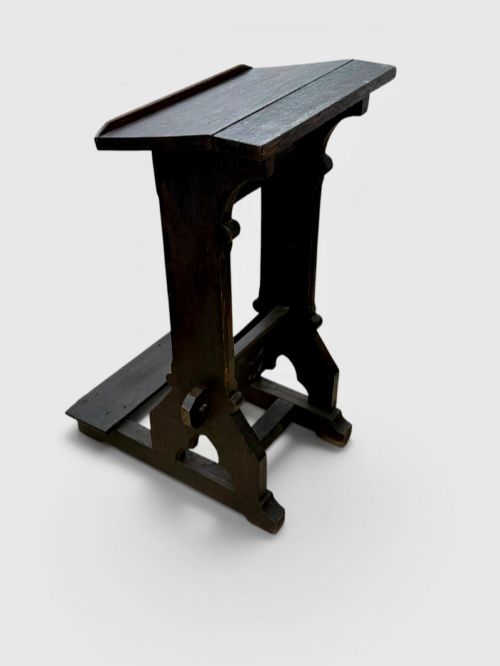
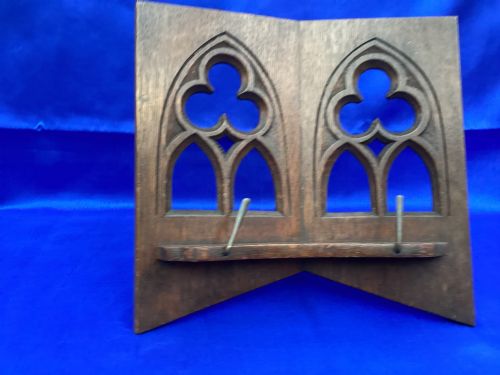
The selection extends from modest prayer kneeler desks and small reading stands to monumental brass eagle lecterns and cast iron book rests. Many examples bridge the Victorian era and the Edwardian period, incorporating arts and crafts details alongside traditional ecclesiastical forms. Whether you select a solid pine church lecturn or an unusual oak duet stand, each piece demonstrates the heavy timber construction and solemn character demanded by nineteenth-century religious and domestic spaces.
Materials and construction methods
The pieces on this page rely primarily on solid oak, walnut and pine, worked by hand to create deep mouldings, applied tracery and figurative carvings such as eagles with outstretched wings. Joinery is robust, utilising pegged tenons and heavy framing to support large folio books and heavy volumes without movement or strain. Cabinet makers shaped these domestic and ecclesiastical items using traditional hand tools, leaving crisp chisel marks on carved surfaces and structural panels.
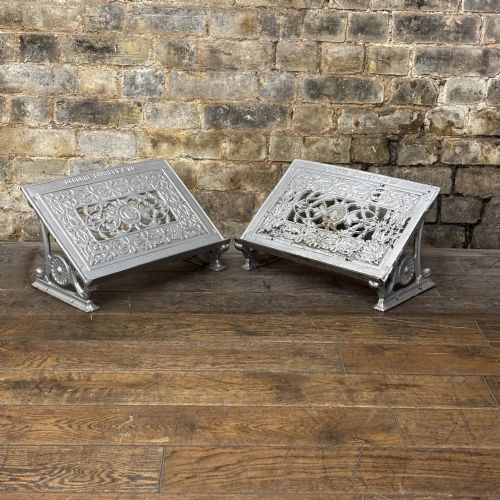
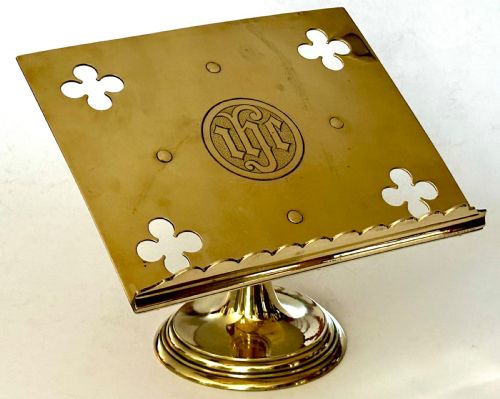
Metalwork forms a significant secondary category, featuring cast iron book rests produced by specialist founders alongside beaten and polished brass eagle lecterns. Brass components are often assembled from bolted sections, combining heavy cast bases with hollow turned stems and articulated reading ledges. Where pine and oak meet iron and brass, the materials reflect the strict functional requirements of nineteenth-century churches and reading halls.
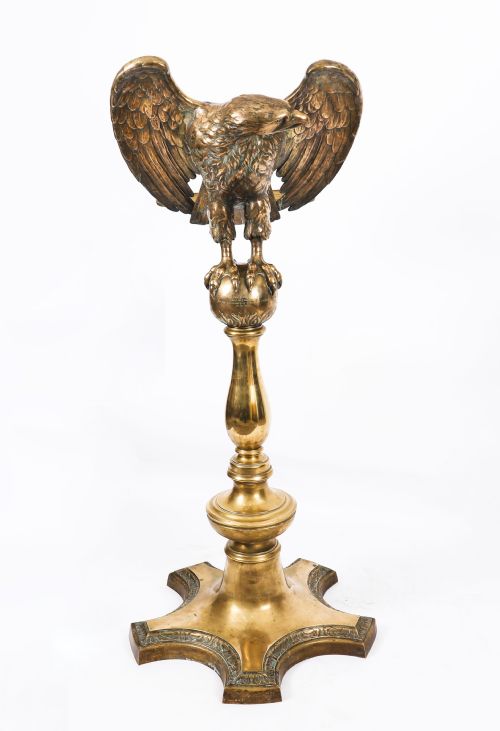
The spread wings of a brass eagle serve as a reading desk, holding heavy church books on feathered shoulders.
Evaluating craftsmanship and proportion
Quality in these stands rests upon the depth and definition of the carving, the selection of timber grain, and the architectural proportion of the base to the reading slope. Finer examples display spirited hand-carved details on capitals, linenfold panels and eagle plumage, whereas simpler pieces rely on plain chamfered edges and standard turned columns. The integrity of the structural joints and the original weight of the cast metal components also divide standard utility items from masterwork commissions.
Provenance and maker attribution elevate certain items, particularly those bearing foundry stamps or recorded church histories from the nineteenth century. The survival of original movable ratchets, brass hinges and adjusting mechanisms determines how successfully a piece maintains its functional utility today. Ultimately, the best stands combine architectural coherence with crisp detailing that resists looking heavy or crude.
Osborne Garrett & Co
The Victorian Gothic Lectern Stand Glossary
- Gothic Revival
- An architectural and decorative style drawing on medieval forms, pointed arches and structural motifs popular throughout the nineteenth century. This movement shaped the majority of church furniture and domestic lecterns.
- Lectern
- A tall reading desk with a slanted top, designed to hold books or notes for a standing speaker. These pieces appear in both ecclesiastical settings and large libraries.
- Folio
- A large book size or a protective folding case for loose papers and prints, requiring a wide desk surface to support it. Walnut and oak stands frequently accommodated these substantial volumes.
- Duet stand
- A music or reading stand designed to hold two scores or books simultaneously, often featuring paired adjustable desks. These unusual pieces allowed two readers to share a single central shaft.
- Ecclesiastical
- Pertaining to the Christian church and its clergy, describing furniture specifically manufactured for liturgical use. Such items were constructed to withstand heavy daily service in chapels and cathedrals.
Victorian Gothic Lectern Stand: Frequently Asked Questions
What is a victorian gothic lectern stand used for?
These stands served originally to support heavy Bibles, prayer books and service sheets in churches, chapels and monastic spaces during the nineteenth century. Their angled book ledges kept texts at a comfortable reading height for ministers and readers standing throughout long services.
Today, buyers repurpose them in studies, libraries and living rooms to hold open atlases, art folios or sheet music. The sturdy construction makes them practical display furniture for homes that embrace traditional architectural styling.
How do I tell an 1890s piece from a 1920s piece?
Nineteenth-century pieces typically exhibit heavier proportions, deep hand-carved tracery and orthodox gothic revival motifs inspired by medieval ecclesiastical architecture. The timber surfaces often show darker patination and more complex structural mouldings.
Items from the Edwardian period and the 1920s tend to reflect cleaner arts and crafts influences, with simpler chamfered supports and less elaborate surface ornament. Examining the tool marks, joinery methods and hardware helps clarify the manufacturing decade.
Are brass eagle lecterns heavy?
Brass eagle lecterns are exceptionally heavy, constructed with solid cast metal wings, bodies and stepped base platforms to prevent tipping. The weight ensures stability when large church Bibles rest upon the spread wings of the bird.
Moving or positioning these pieces requires careful handling and often two people to lift the heavy metal components safely. Their substantial mass reflects their original purpose as permanent fixtures in church chancels.
Can I use a church lectern in a modern room?
A wooden or metal lectern introduces strong vertical lines and historic character that anchors a contemporary or traditional interior. Pairing a carved oak stand with minimalist furniture creates an effective contrast of textures and eras.
The practical reading slope also functions well as an impromptu standing desk or a display surface for an open illustrated book. Proper placement ensures the piece commands attention without overcrowding the room.