





Victorian Ecclesiastical Lectern
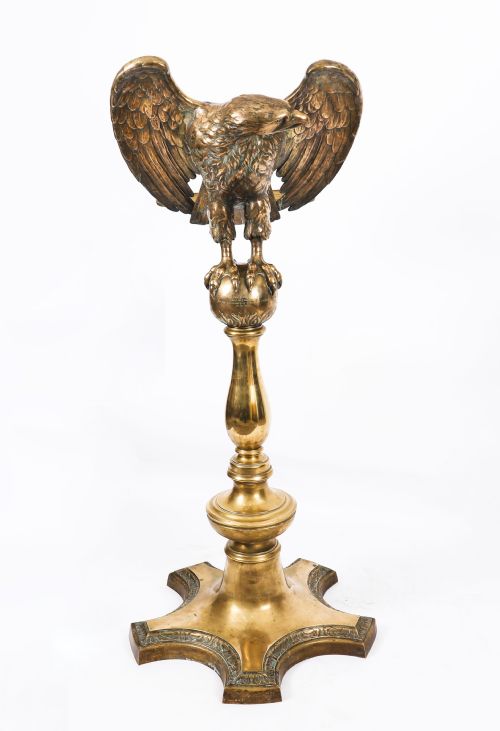
These victorian ecclesiastical lectern pieces bring architectural weight and carved detail into a room, offering a commanding focal point for reading or display.
Victorian Ecclesiastical Lectern
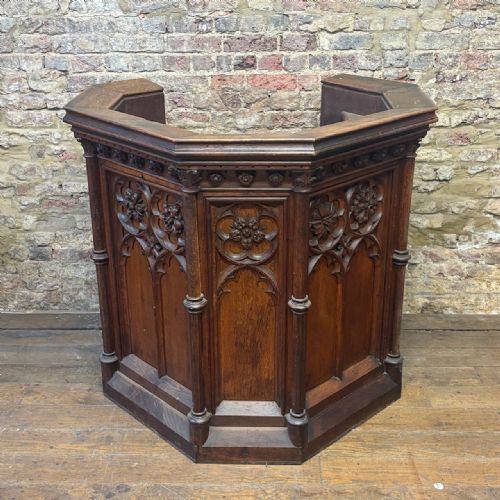
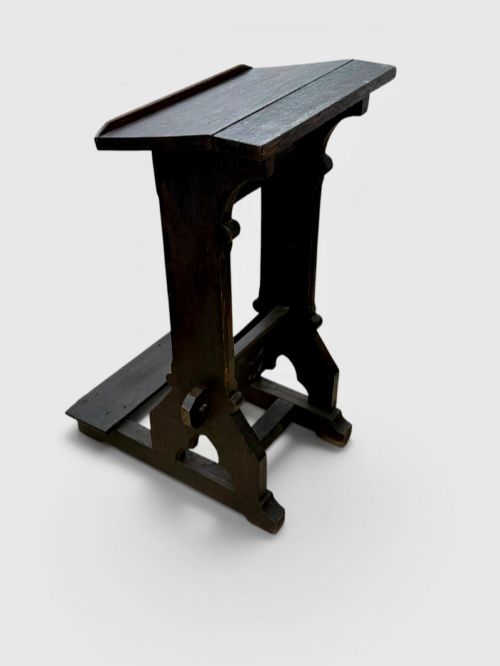
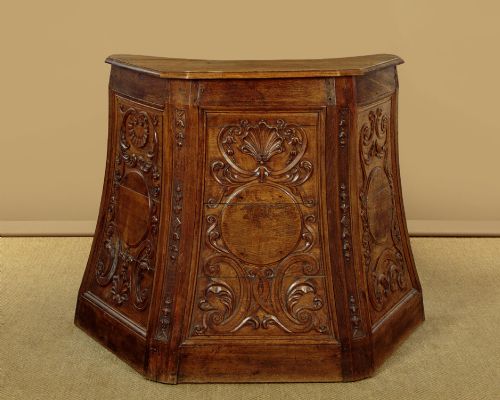
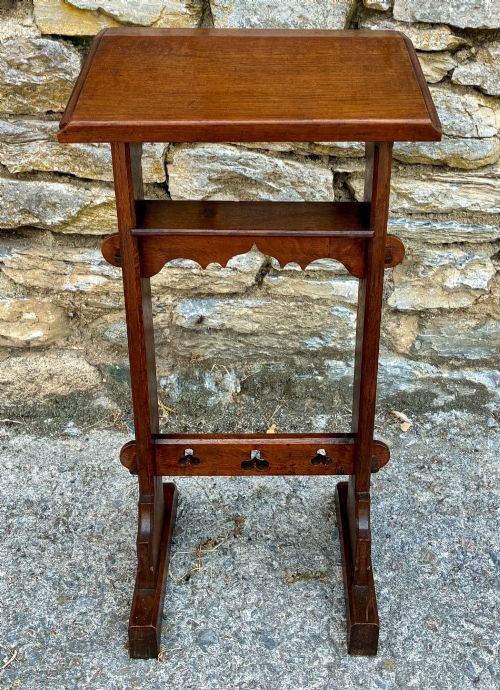
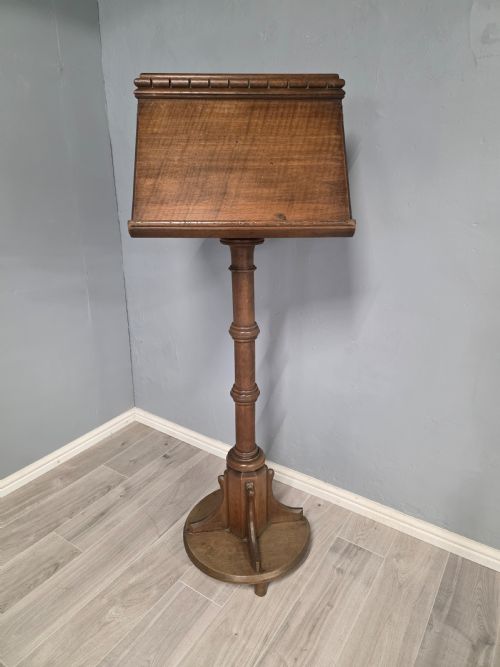
A victorian ecclesiastical lectern brings heavy architectural presence from church interiors into domestic or institutional spaces, taking forms such as reading stands, book rests, prayer desks, and pulpits. Most examples encountered here date from the nineteenth century, including the Victorian era and Edwardian period, often reflecting a strong Gothic Revival influence.
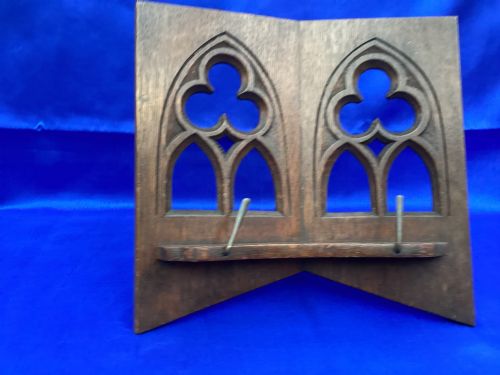
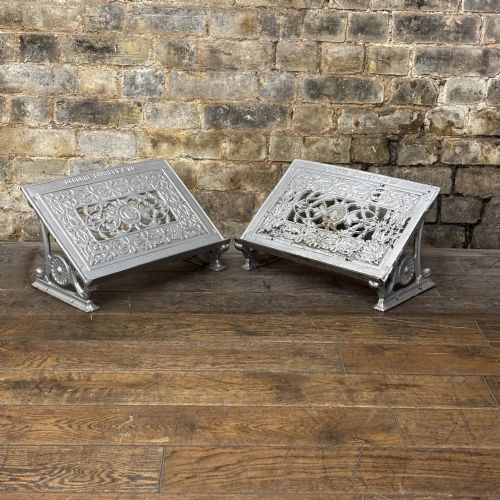
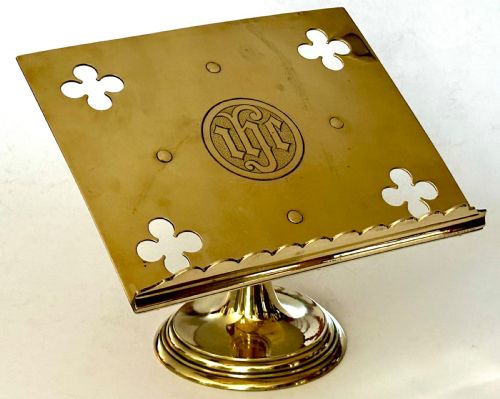
The objects vary from monumental carved timber pieces to smaller reading stands and brass book rests, showing origins in English workshops and Scottish churches. While some pieces function as dedicated pulpits or prayer desks, others serve practically as book stands within a home.
Materials and Construction
The construction relies heavily on solid oak, pine, and cast iron, often enhanced with detailed brass work or brass eagle figures. Joinery is robust and traditional, designed to support heavy folio bibles and prayer books.
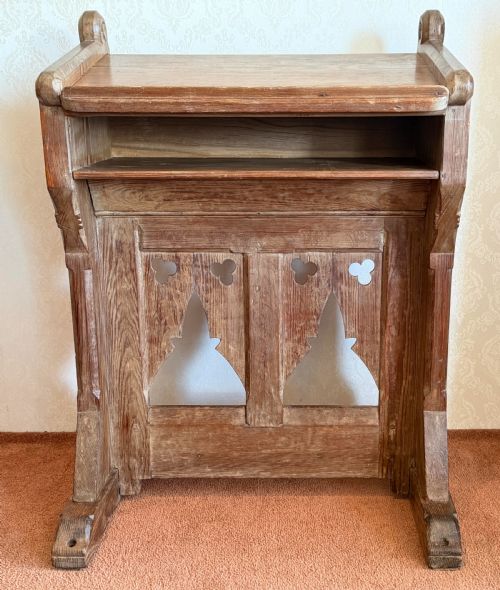
Carving plays a central role in the manufacture of these pieces, particularly within the Gothic Revival style where tracery and moulding decorate the oak surfaces. Metal elements, such as those by Osborne Garrett and Co, utilise cast iron and brass to provide durable book rests.
One repurposed oak pulpit now lives a second life functioning happily as a home bar.
Factors of Quality
Quality in a victorian ecclesiastical lectern rests upon the depth and precision of the wood carving, the integrity of the timber, and the presence of integrated brass or iron components. Pieces with crisp Gothic tracery and substantial solid oak construction stand apart from simpler pine or utilitarian alternatives.
The ambition of the design dictates distinction, moving from basic reading stands to elaborate carved eagle lecterns with detailed foundry work. Original proportions and untouched patination further elevate the standing of an individual piece.
Osborne Garrett and Co
The Victorian Ecclesiastical Lectern Glossary
- Gothic Revival
- An architectural and decorative style that draws inspiration from medieval ecclesiastical design. It dominates the ornamentation found on these pieces through pointed arches and tracery.
- Prie Dieu
- A French term for a prayer desk designed for kneeling while reading or praying. These compact pieces form a distinct subset of ecclesiastical furniture.
- Pulpit
- An elevated stand from which a minister delivers a sermon in a church. Larger examples occasionally appear adapted for domestic or alternative architectural settings.
- Folio
- A large book format requiring robust support. Lecterns were specifically engineered to accommodate these heavy volumes during services.
Victorian Ecclesiastical Lectern: Frequently Asked Questions
How were these lecterns originally used?
These pieces served practical roles in nineteenth-century churches to hold large service books and bibles during worship. Ministers and readers relied on their elevated reading surfaces and sturdy construction.
Over time, many have transitioned into domestic settings, serving as book stands, reading desks, or striking architectural focal points in a study.
How do I identify the Gothic Revival style?
Gothic Revival pieces display architectural motifs borrowed from medieval stone buildings, translated into woodwork and metal. Look for pointed arches, quatrefoils, and intricate tracery carved into the oak.
This aesthetic was deeply tied to nineteenth-century church architecture and distinguishes these pieces from plain domestic furniture of the same period.
How should I care for antique oak church furniture?
Solid oak requires stable indoor humidity to prevent timber movement or splitting in the joints. Regular dusting with a dry, soft cloth preserves the natural grain and patination.
Avoid placing wooden pieces near direct heat sources or in strong sunlight to protect the historic surface finishes.