




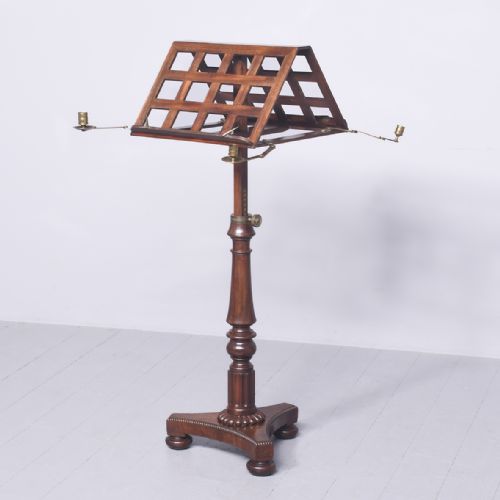

Antique Brass Lectern
An antique brass lectern brings heavy brass casting and pivoted book rests into domestic and ecclesiastical spaces alike.
Antique Brass Lectern
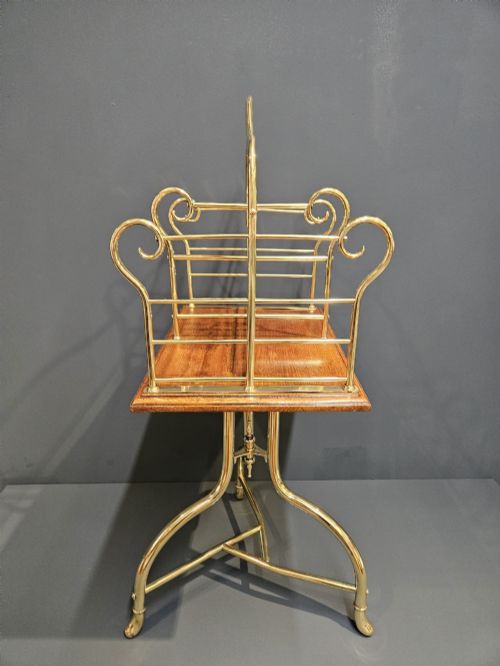
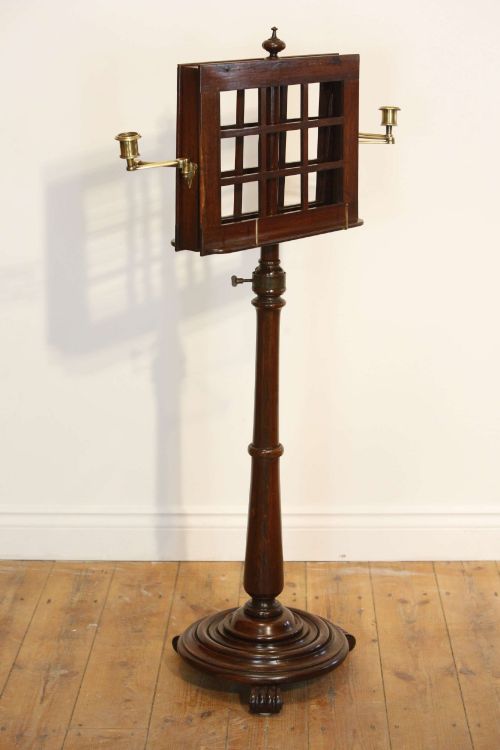
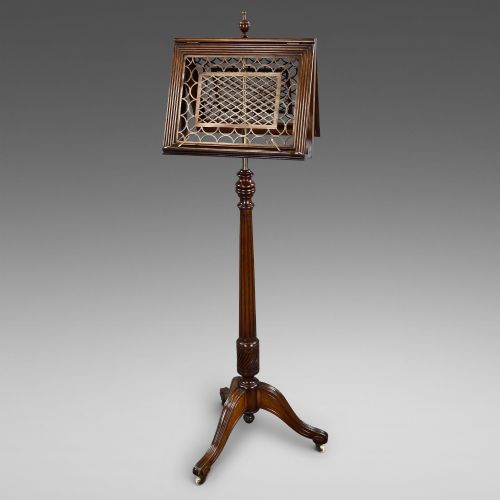
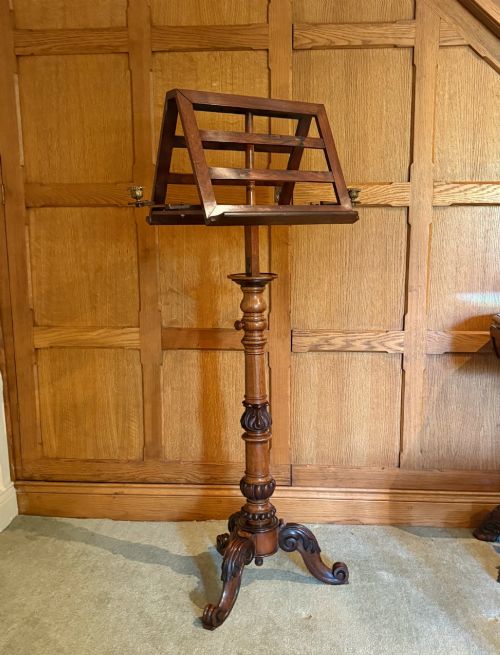
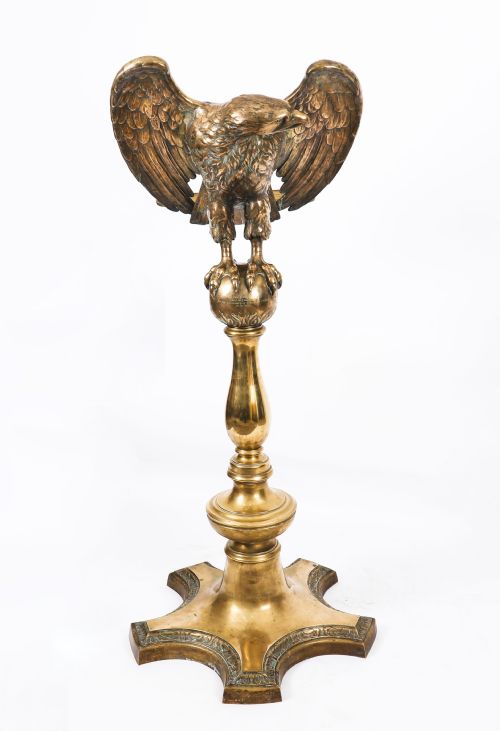
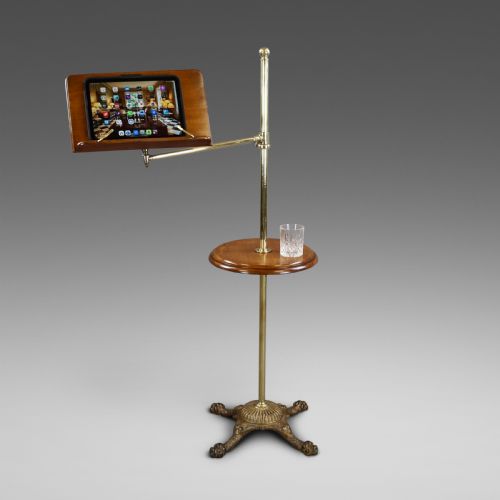
An antique brass lectern serves as a sturdy book rest or music stand, often designed with adjustable angles for reading texts or scores. Buyers searching for an antique brass lectern will encounter ecclesiastical examples featuring cast brass eagles alongside smaller domestic table stands.
The evidence shows these pieces appearing primarily in nineteenth-century contexts, spanning Victorian Gothic Revival designs and simpler pivoting book rests. Many combine solid brass frames with supporting ledges in oak or pierced metalwork.
Makers and designers utilised heavy casting techniques to ensure stability for large folios and church Bibles. The forms range from monumental floor-standing church pieces to folding desk models intended for portable use.
How they were made
Foundry workers cast brass components in moulds to create detailed structural frames, bird motifs, and decorative pierced panels. These metal elements combine with turned wooden shafts or bases made from oak, mahogany, and walnut.
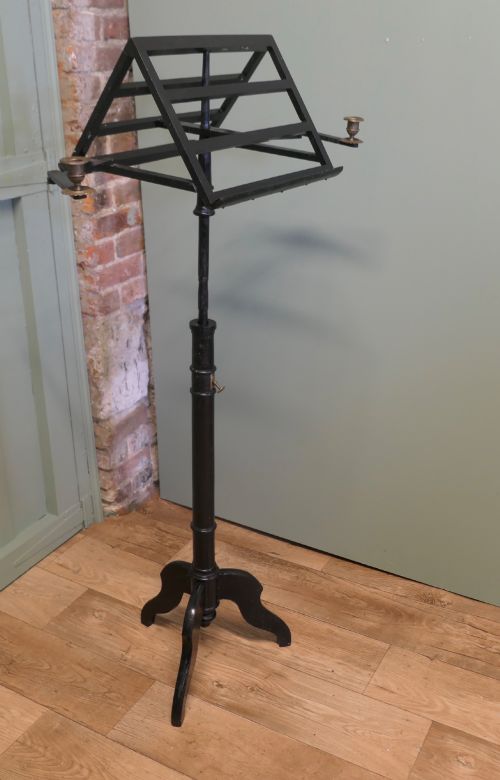
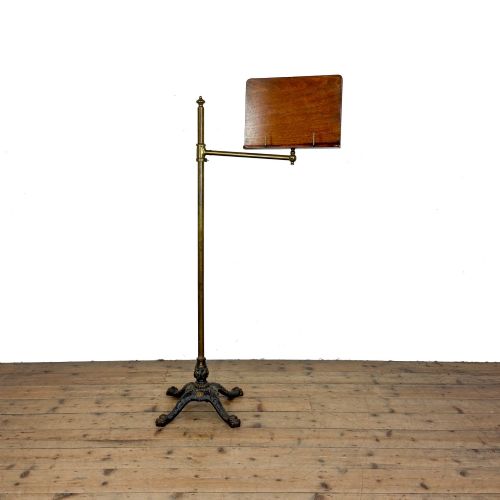
Adjustable ratchets, hinges, and pivoting brass arms allow the book rest to tilt securely at various angles. Pierced fretwork reduces the weight of larger book platforms while adding ornamental detail to the reading surface.
Antique Brass Lectern Retail Price Guide 2026
Typical asking prices for brass lectern among the pieces listed under this phrase on Sellingantiques today, from the lower quarter to the upper quarter. They describe what is for sale here now, not the wider market.
The listings show materials spanning solid brass, cast iron, oak, mahogany, rosewood, walnut, leather, and satinwood inlay across the nineteenth century.
What varies in quality
The crispness of the brass casting determines the visual impact of sculptural details like eagle feathers and geometric piercing. Heavier gauge metal provides structural integrity, preventing the book rest from sagging under the weight of a large volume.
The complexity of the adjustment mechanism distinguishes standard production pieces from higher grade examples. Fine works incorporate smooth, reliable ratchets and tightly integrated brass fittings that hold firm without slipping.
Townsend and Co.·William Tonk and Sons·Jones and Willis·Adolph Frankau and Co.
The Antique Brass Lectern Glossary
- Lectern
- A stand with a sloping surface used to hold a book for reading aloud. They appear in both church settings and domestic libraries.
- Cast brass
- Molten alloy poured into a mould to form solid shapes and decorative mounts. This method creates the durable framework typical of nineteenth-century stands.
- Pierced brass
- Metal sheet perforated with decorative cut-outs to lighten weight and create patterns. It frequently decorates the reading ledge of book stands.
- Gothic Revival
- An architectural and decorative style drawing on medieval forms, prominent during the Victorian era. Many ecclesiastical lecterns adopt this aesthetic.
- Folio
- A large book size requiring a substantial support surface. Stands built for folios demand heavy bases and robust pivoting joints.
Antique Brass Lectern: Frequently Asked Questions
What is an antique brass lectern used for?
These pieces support heavy books, Bibles, or sheet music at a readable angle. They function as both practical reading aids and decorative furnishings.
In domestic spaces, smaller examples sit on tables for reading or displaying volumes. Larger versions were built for churches and public halls to hold heavy service books.
How do I date an antique brass lectern?
Dating relies on stylistic clues, manufacturing methods, and registration marks stamped into the metal. The nineteenth century produced the vast majority of these surviving stands.
Victorian Gothic Revival motifs, heavy cast brass construction, and oak book rests point toward the middle and late decades of the eighteen-hundreds.
Are brass lecterns adjustable?
Many examples feature pivoting joints or ratchets that alter the slope of the book rest. This adjustability accommodates different reading heights and seating positions.
Simpler folding models allow the platform to lie flat for storage or transport. Heavier ecclesiastical stands usually remain fixed in a stationary display position.
How do I care for antique brass?
Gentle dusting with a soft, dry cloth preserves the aged surface without stripping the natural patina. Avoid harsh chemical polishes that can remove historic darkening and wear.
Oak and mahogany wooden components benefit from occasional waxing to maintain the grain. Keeping the metal away from damp environments prevents corrosion around the moving joints.