


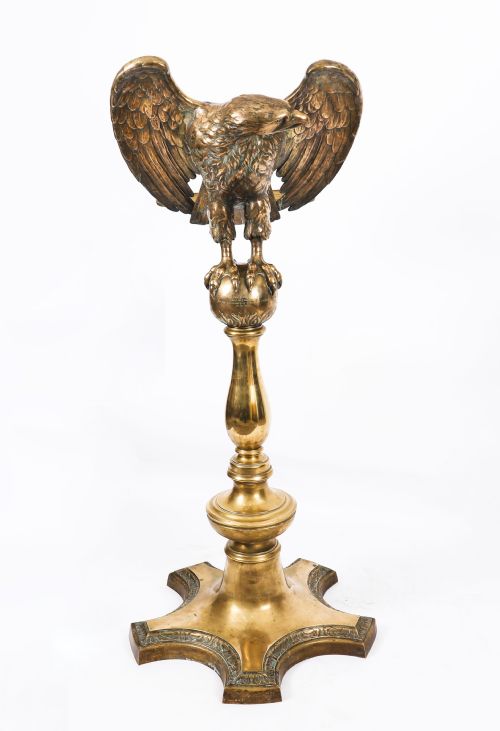

Victorian Book Rest
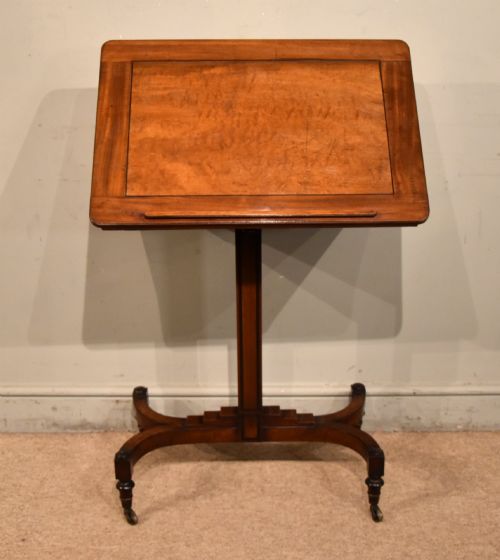
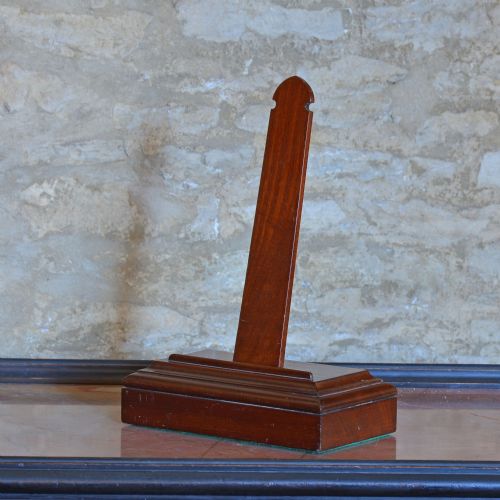
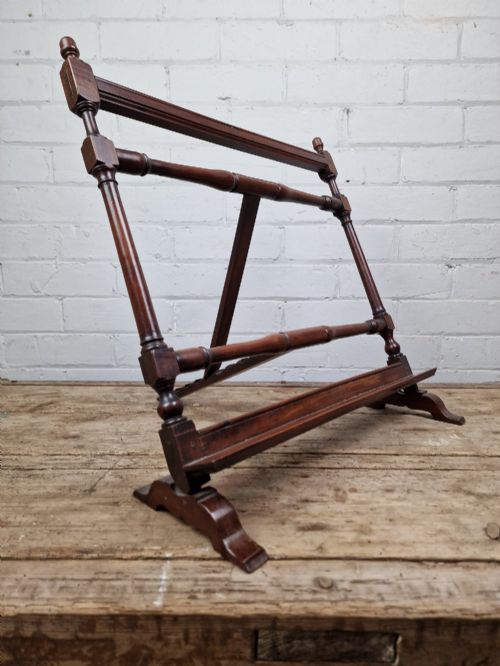
A victorian book rest organises heavy library volumes or props up sheet music with clever mechanical sliding actions and sturdy timber construction.
Victorian Book Rest
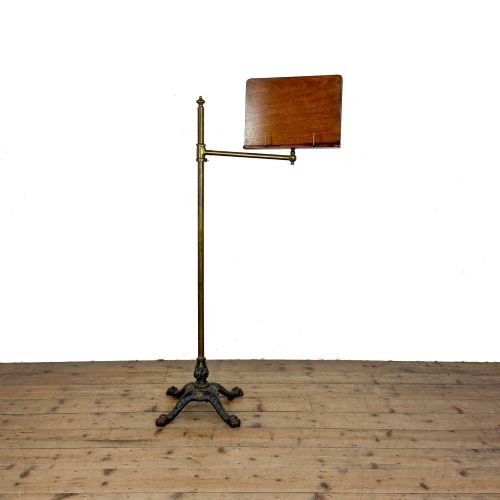
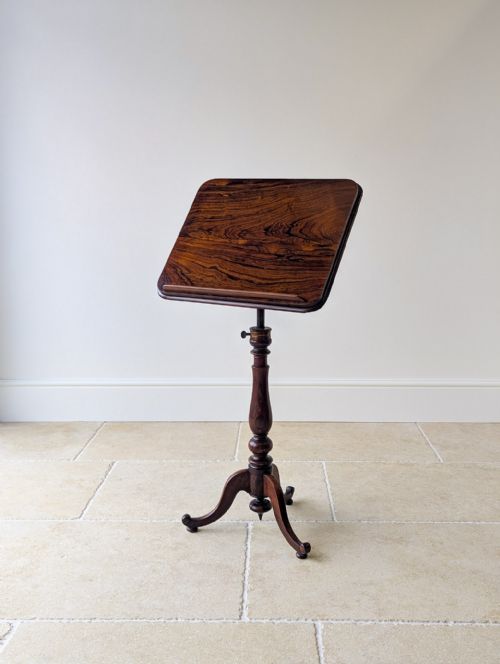
When searching for a victorian book rest, buyers encounter everything from extending table-top slides in polished mahogany to heavy ecclesiastical brass lecterns and carved teak bookends. The most frequent versions on this page are extending wooden book slides with brass mounts and folding desktop reading stands designed for home libraries.
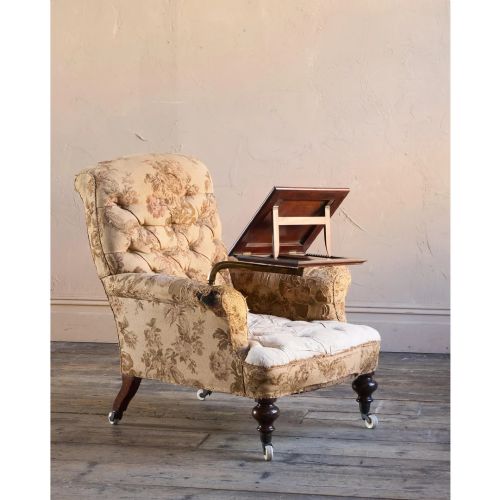
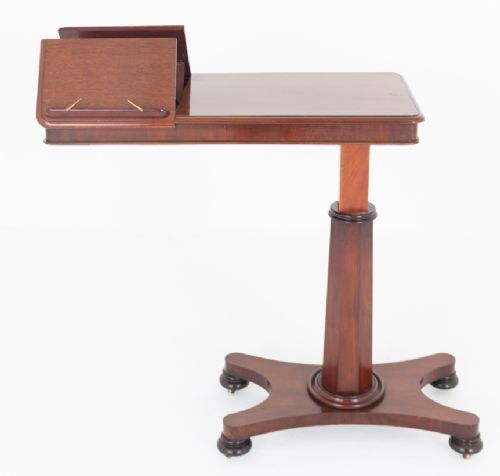
Makers designed these objects to support heavy leather-bound volumes, folios and sheet music at comfortable viewing angles. Pieces span desk-top accessories, freestanding lecterns and intelligent combination items that incorporate writing slopes or occasional tables.
Materials and construction
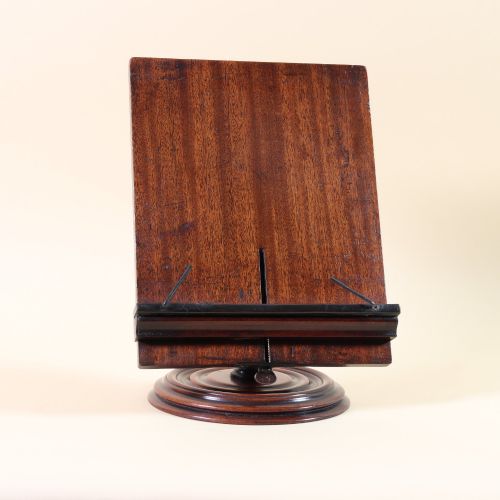
Cabinet makers utilised dense domestic and exotic hardwoods such as mahogany, walnut, oak and coromandel to build durable frames capable of bearing heavy loads. Many examples feature brass hinges, extending rack mechanisms, fretwork carving and inlaid mother of pearl or specimen woods.
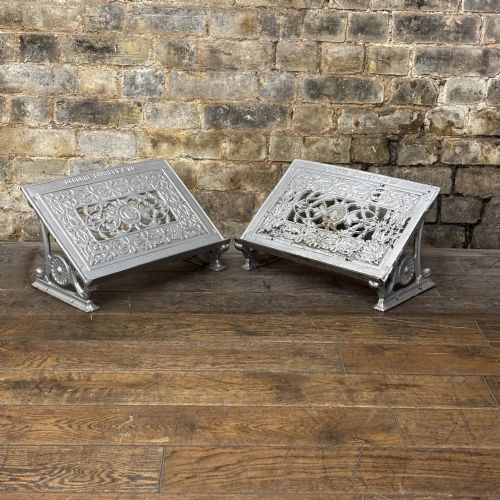
Ecclesiastical and industrial pieces combine heavy cast iron with carved timber or solid brass to create stable pedestals and church lecterns. Folding actions rely on precise joinery, brass scissor brackets and ratcheted supports that adjust smoothly.
Listings feature woods including mahogany, walnut, oak, coromandel, rosewood, teak and ebony alongside cast iron and brass.
Factors of quality
Quality rests upon the precision of the mechanical action and the selection of timber figure. Superior extending book slides operate smoothly across their entire length without binding, utilising heavy gauge brass mounts and solid timber carcases rather than thin veneers.
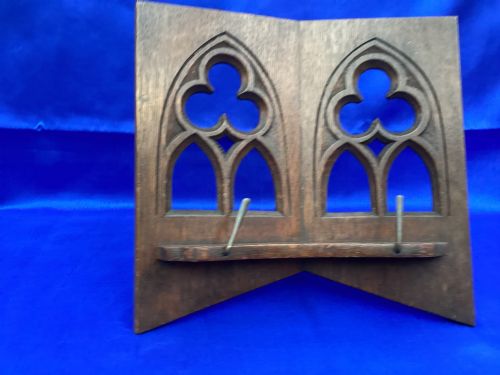
Carved detail and decorative enrichment separate standard production pieces from finer examples. Hand-carved ecclesiastical eagles, crisp Gothic revival tracery and intricate inlaid coromandel or rosewood distinguish the top tier of library accessories.
Osborne Garrett Co·Carters of London
The Victorian Book Rest Glossary
- Book slide
- An extending desk-top rack, often fitted with folding bookends, designed to hold varying quantities of books upright between two stops. These items frequently feature brass lattice work or inlaid panels.
- Lectern
- A tall stand with a slanted top designed to hold a book or speech for a standing reader. These are often carved from oak or cast in solid brass.
- Novel rest
- A nineteenth-century term for a small adjustable book trough or reading stand used for holding novels or periodicals. They typically fold flat when not in use.
- Gothic revival
- An architectural and decorative style popular during the nineteenth century characterised by pointed arches, trefoils and heavy ecclesiastical motifs. Pieces in this style often use dark oak or brass.
- Mauchline ware
- Scottish souvenir items made from white wood and decorated with photographic transfers of local scenes. These pieces frequently include small tabletop book stands and writing accessories.
Victorian Book Rest: Frequently Asked Questions
How do extending book slides work?
Extending book slides utilise internal wooden channels or brass rails that pull apart to accommodate more volumes. Expanding the frame reveals decorative brass lattice work or supportive bookends.
Most models lock into position with friction or simple stops, allowing owners to customise the trough length for a row of favourite books on a desk.
Where were these pieces used?
These items belonged in country house libraries, studies, churches and drawing rooms. Smaller folding rests suited portable use on desks and occasional tables.
Larger brass eagles and oak lecterns stood in ecclesiastical settings or grand halls to support heavy Bibles and shared reference folios.
How do I care for wooden reading stands?
Keep wooden pieces away from direct heat sources and sudden humidity changes to prevent timber splitting. Regular dusting with a dry cloth maintains the polished finish.
Apply occasional appropriate wax polish to nourish hardwoods like mahogany and walnut without building up sticky residues on brass mounts.
Are all these stands adjustable?
Many library pieces feature ratcheted supports or folding mechanisms to alter the reading angle. Desktop book slides and music stands generally offer multiple height or tilt positions.
Simple book troughs and stationary bookends remain fixed, while complex reading tables combine sliding shelves with pivoting book rests.