

Wooden Desk Accessory
A wooden desk accessory brings tactile warmth to a workspace, offering practical utility through carved stands, calendars, and writing boxes shaped by Victorian and Edwardian hands.
Wooden Desk Accessory
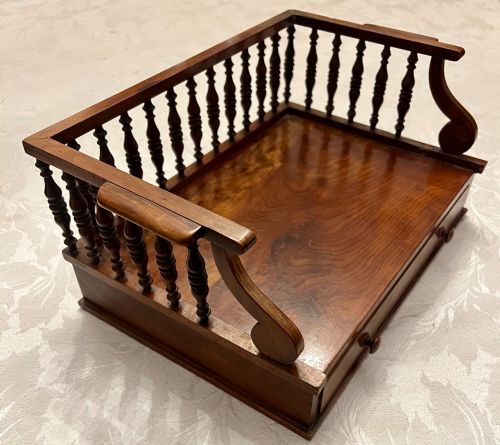
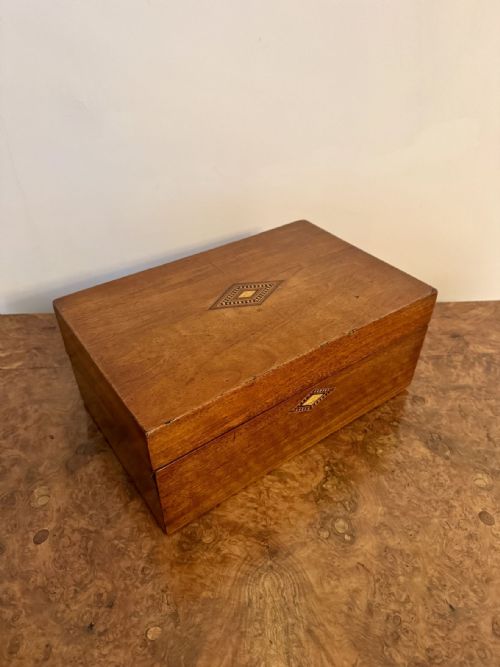
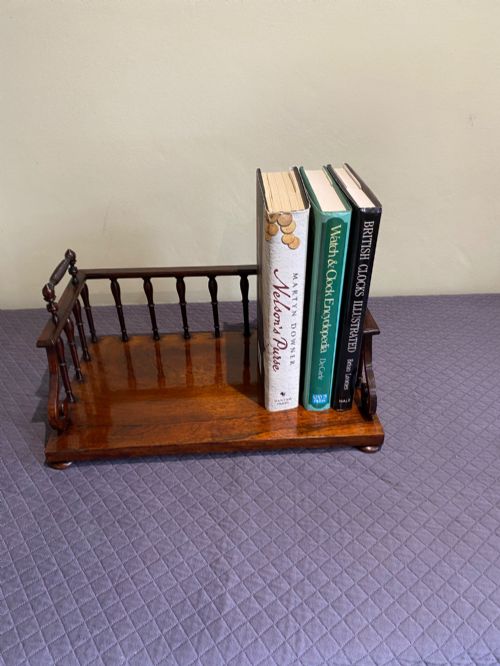
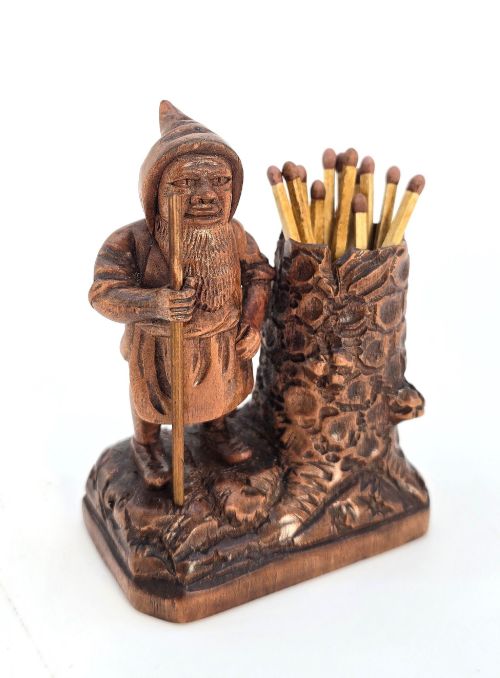
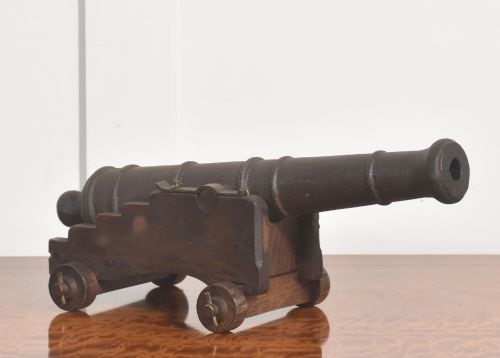
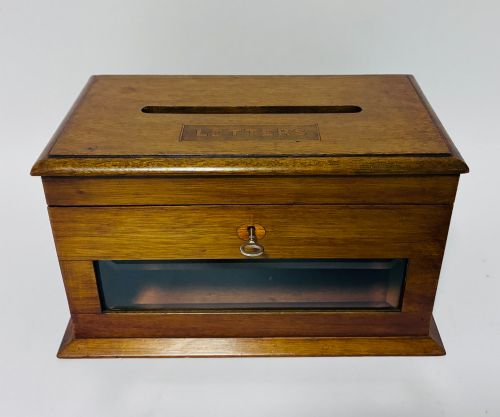
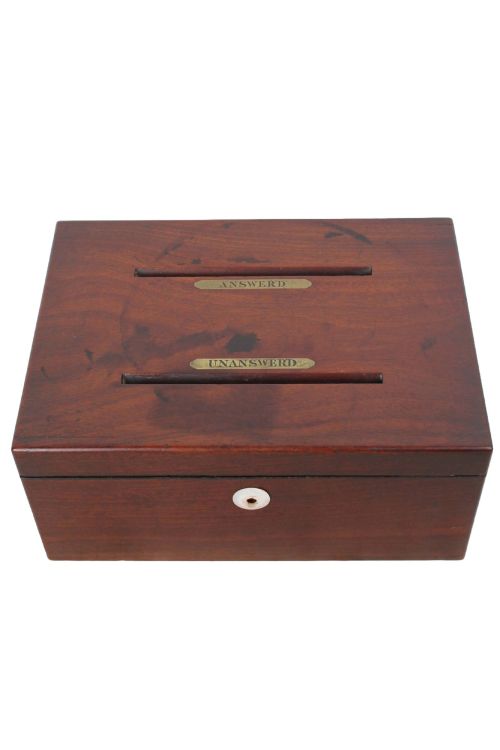
A wooden desk accessory encompasses functional desktop items designed to organise correspondence, books, and writing tools. The selection spans utilitarian perpetual calendars, correspondence boxes, and string barrels alongside decorative bookends and match holders.
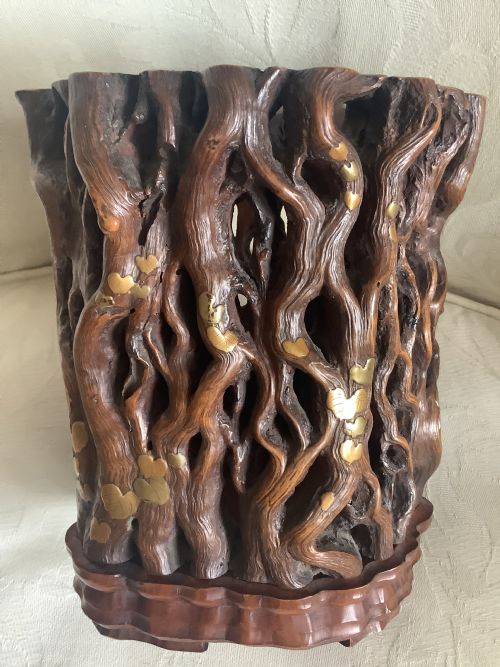
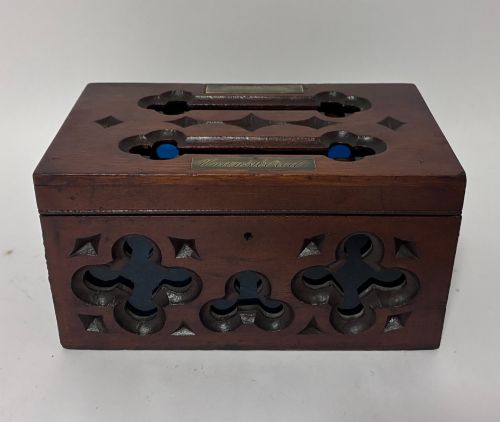
The pieces appearing most frequently originate from the nineteenth century and the Edwardian era, constructed in durable timbers like oak, mahogany, and walnut. Many items reflect specific stylistic movements, including Gothic Revival, Black Forest carving, and Regency refinement.
Domestic and institutional workspaces of the period relied on these specific wooden objects to maintain order. Today, collectors encounter them as survivors of daily administrative life, often enhanced by brass mounts or Tunbridge ware inlay.
Assessing Standard and Execution
Superior examples display precise joinery, crisp hand-carving, and well-chosen timber grains such as burr walnut or figured mahogany. Lesser pieces rely on simple, unadorned construction intended for basic utility rather than decorative display.
The inclusion of integrated brass mechanisms, hallmarked silver mounts, or complex marquetry elevates a piece significantly. Condition of the underlying wood, original hardware, and surviving internal fittings ultimately define the standard of any item.
The selection includes desk equipment originating from the Georgian, Victorian, and Edwardian eras.
The Wooden Desk Accessory Glossary
- Tunbridge ware
- A form of woodwork characterised by mosaic tile patterns created from contrasting natural timbers. It flourished in Kent during the nineteenth century.
- Writing slope
- A portable slant-topped box designed to hold writing paper, pens, and ink. When opened, the sloping lid provides a firm surface for composition.
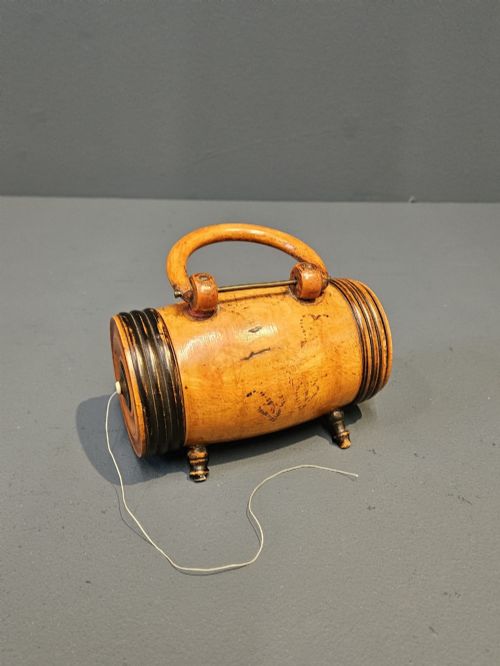
- String barrel
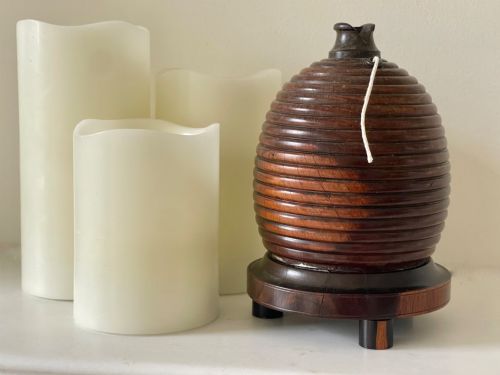
- A turned wooden container designed to dispense twine or string through a central aperture in the lid. They often feature an integrated metal cutter.
- Stationery cabinet
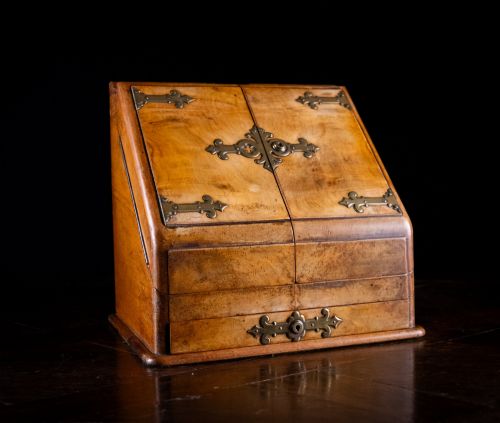
- A desktop box with fitted interior compartments and pigeonholes for envelopes, cards, and correspondence paper. Many incorporate hinged doors or fall fronts.
- Perpetual calendar
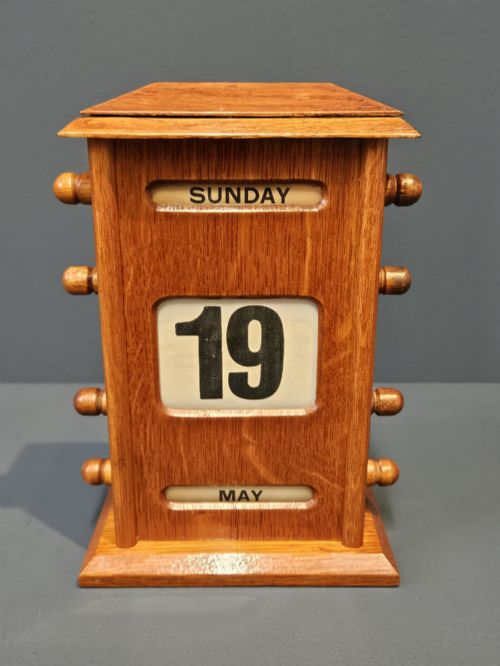
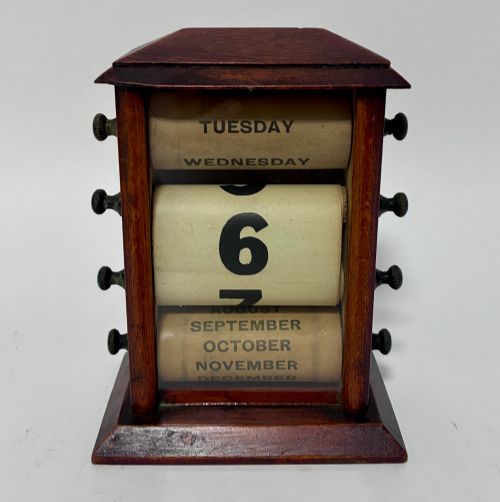
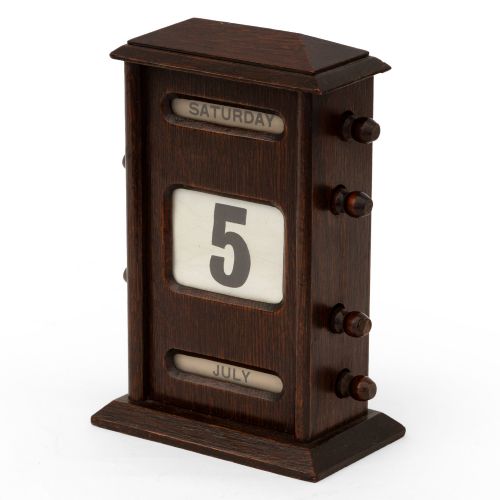
- A mechanical desk calendar utilising rotating wooden drums or cards to display days and dates continuously. They typically feature carved numerical digits or printed paper strips.
Wooden Desk Accessory: Frequently Asked Questions
What is a wooden desk accessory?
A wooden desk accessory is a functional object used to organise correspondence, hold writing equipment, or manage books upon a writing table. Examples include inkstands, perpetual calendars, letter boxes, and bookends.
These items were standard fixtures in period offices and studies, combining practical utility with decorative cabinet-making styles ranging from plain oak to intricate Black Forest carving.
How do I date an antique wooden desk item?
Dating relies on observing timber choices, construction techniques, and stylistic influences such as Regency elegance or Edwardian utility. Metal fittings, screw types, and paper components inside calendars also offer clues.
Makers frequently incorporated prevailing design motifs of their decade, allowing comparison with documented pieces from the Victorian and Georgian periods.
How were inkstands and letter boxes used?
Letter boxes provided a secure place to store incoming and outgoing mail before collection, whilst inkstands held glass inkwells and pen rests for daily correspondence. They maintained order on busy writing desks.
Many of these objects doubled as decorative furnishings in domestic libraries and institutional offices, reflecting the owner's status through material quality.
How should I care for antique wood on my desk?
Antique wooden accessories require stable indoor humidity away from direct sunlight and heat sources to prevent timber splitting or warping. Gentle dusting with a dry cloth preserves the polished surface.
Occasional application of appropriate wax feeding helps maintain the natural lustre of woods like mahogany, walnut, and oak without damaging historic finishes.